Gender
Impact of body image stigma on slender women


The idea of what a perfect physique is, fuelled by social media and societal pressure has distorted individual’s perspectives.
Body image stigma is one of the most debilitating issues that has led a lot of people into distorted views of reality, unhealthy behaviours, and self-doubt. Most people, particularly individuals with slender physique, are judged by their looks, making them feel inferior and not good enough.
The focus on physical appearance often makes them miss out on what really matters. Being slender offers a lot of opportunities beyond the physical appearance. However, most people do not realise this. They seek for other alternatives for external validation.
A slender physique is often associated to lean or slim physiques. Some people may view individuals with this figure as weak or fragile, lacking in energy or being skinny.
In a conversation with Miss Gifty Djarnie, a Level 200 student at the University of Media, Arts and Communication – Institute of Journalism (UniMAC-IJ), she shared her thoughts on being slender and how it has impacted her life.
According to her, being skinny or slim is normal and an identity.
“I used to be mocked because of my figure and size,” she revealed. “But as time went on, I acknowledged the fact that I am skinny, and now I am used to it. The stereotypes sort of gave me some confidence that hey, you are unique.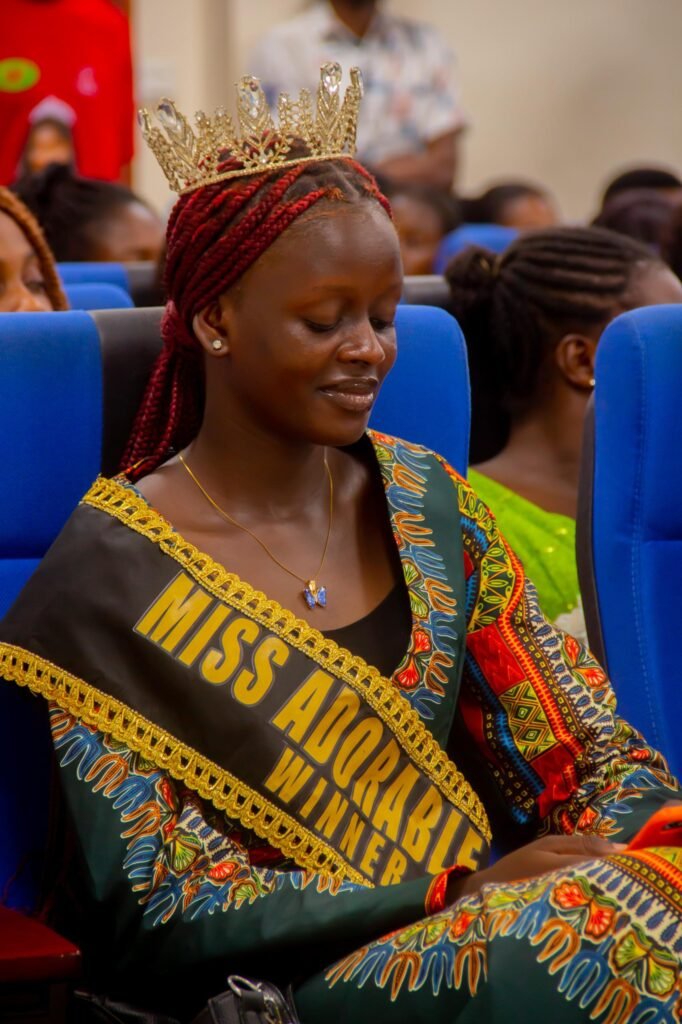
This is your identity and nothing can change your physique even if as time goes on, you increase in weight. It will still be in my records that I used to be skinny. So that’s an identity. One must embrace it wholeheartedly. There’s absolutely nothing wrong with it.”
Gifty has acknowledged that being slender is part of her identity so she has learned to accept and embrace it. She also acknowledged that societal stereotypes can have profound impact on one’s self-perception but ultimately, it’s up to the individual to define their own identity.
Miss Patience Bumbom, a professional model and beauty queen, who tells me about the opportunities of having such figure, talks about how they are highly paid compared to plus-sized ladies, and how she gets endorsement deals from clothing brands like Damson Vogue, to advertise their products.
She encouraged slender ladies to know their worth and embrace their body shape. She recounted how her colleagues used to call her “Alangadwoa, and Sugarcane”, making her feel bad.
Such derogatory names, she disclosed compels individuals with this physique to resort to the use of body enhancement pills to artificially put on a bit more flesh to appear more attractive.
That is not to suggest that having more flesh necessarily makes one attractive. Attraction would not come by just putting on weight but more about how one presents him or herself.
Sadly, that societal pressure has increased the demand for the body enhancing products, especially in the capital, Accra.
This was confirmed by Auntie Esi, a vendor of these products. In an interaction with her, she stated that body enhancement pills, silicon butts lifters and hip pads were in very high demand by the young ladies.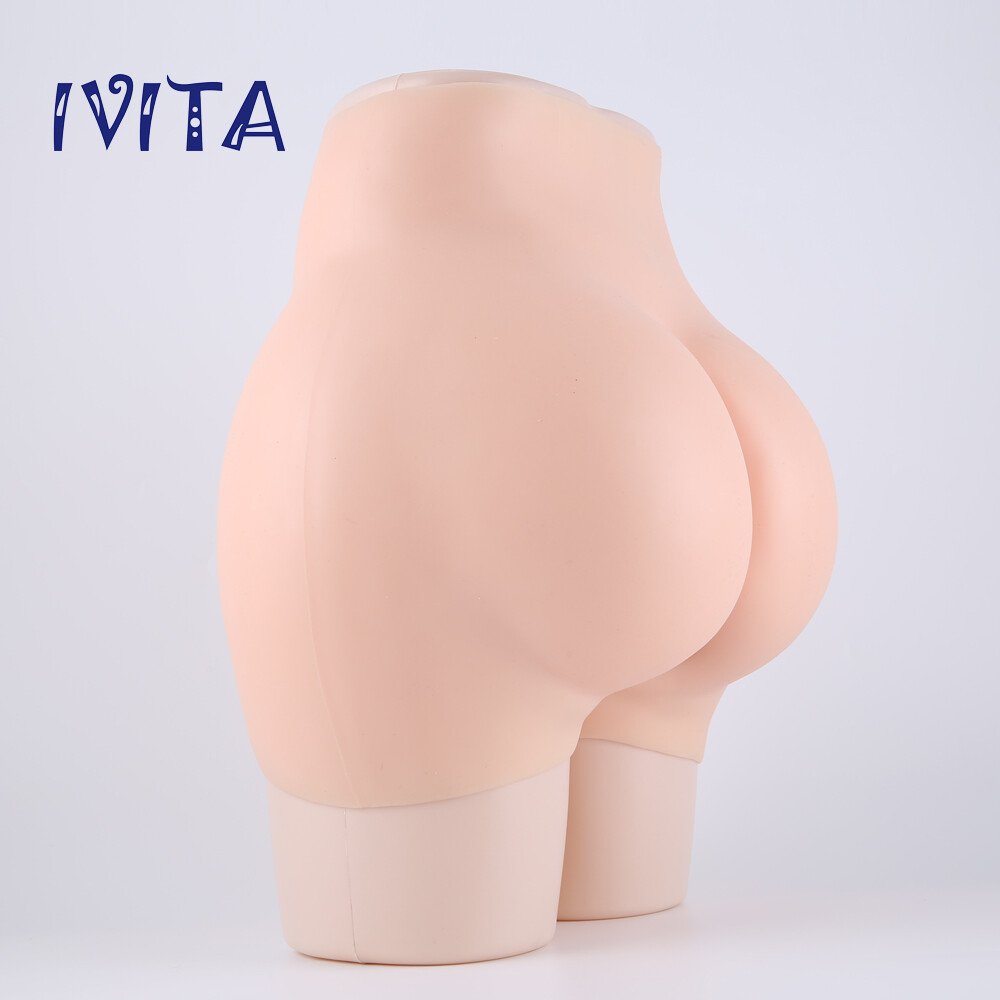
“They purchase these products to boost their body parts to look attractive.”
These drugs, she explained come in various forms such as liquid, pomade and powder.
“They also come with various side effects,” she revealed. “For some, it makes them feel sleepy; others would feel like responding to nature’s call. Despite all of these, they have absolute faith in their ability to transform the physiques.”
Aunty Esi also revealed that some ladies prefer to purchase the silicon butt and hip pads rather than go under the knife for a Brazilian Butt Lift (BBL) surgery due to its risks. “This has been my source of income for many years and I’m not going to stop. If I stop, how would I feed my children?” she queried.
Mr Godfred Arko Osei, a counsellor at UniMAC-IJ, shared his perspectives on the challenges faced by slender ladies and strongly advised against the use of enhancement products.
“It is all about your mindset,” he emphasized. “If you are able to cultivate a positive mindset about yourself and your appearance, it will boost your self-esteem, and other opinions won’t affect you at all. However, if you already have a negative perception about your looks, you’re already affected before anybody uses that against you. I wouldn’t encourage it because you don’t need artificial means to look good; it’s not a reflection of your true self.”
Without a doctor’s prescription, these drugs when taken, can be detrimental to the health of users. Is it worth it at the end especially when they lose their lives? What measures is the Food and Drugs Authority (FDA) taking to keep these products off the market?
Stricter regulations and public education are crucial to curb the dangers of these unprescribed drugs. FDA can work with the law enforcement agencies to enact strict measures to arrest persons who sell these products to serve as deterrent to others.
Hospitals can also collaborate with institutions such as universities to educate on the importance of self-esteem and the adverse effect of such unprescribed drugs, ultimately safeguarding public health.
*The Author (jbanfro56@gmail. com) is a Level 300 Student Journalist at UniMAC-IJ
By Banfro Josephine

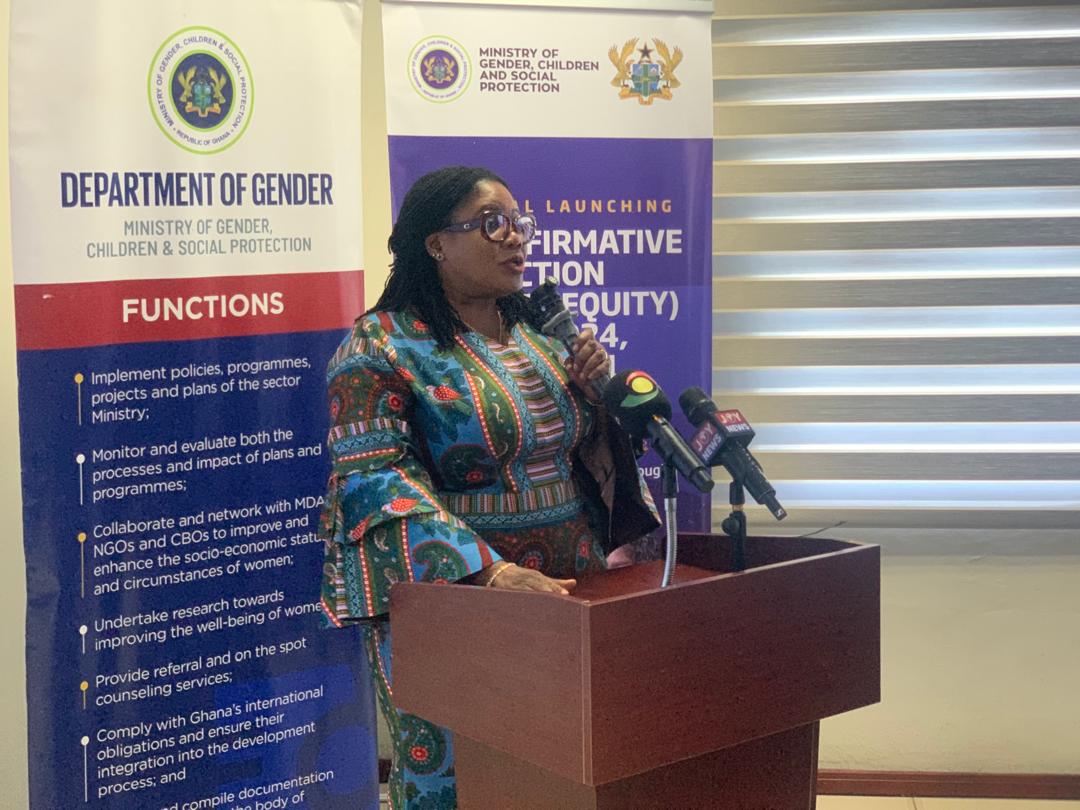
Gender equality should not be left to women alone, but requires the active participation of men and other stakeholders, the Minister for Gender, Children and Social Protection, Dr Agnes Naa Momo Lartey, has said.
She said gender equality was a national development issue and not a matter concerning only women, stressing that both men and women had important roles to play in creating an inclusive society.
Dr Lartey said this last Thursday in Accra at a capacity workshop on the implementation of the Affirmative Action (Gender Equity) Act, 2024.
The workshop was aimed at helping journalists understand the provisions of the Act, strengthen their capacity to communicate gender equity issues and promote accurate, balance reporting on the implementation of the Act.
Ghana could not achieve meaningful development if one section of society was excluded from participating fully in leadership, decision-making and other areas of national development.
“It is not about a group of people. It is not about one of the sexes. It is about the nation. It is about the country,” she said.
She called for stronger commitment to translating the Affirmative Action (Gender Equity) Act, 2024 (Act 1121), into practical action to improve women’s participation in leadership and decision-making.
She said the passage of the law should not be considered the end of the process, but rather the beginning of deliberate efforts to ensure that its objectives were achieved.
Dr Lartey said increasing the number of women in leadership was important, but their participation must also have a meaningful impact on national development.
“We want it to count,” she stressed, calling for practical initiatives that would move the affirmative action agenda from policy to implementation.
The Executive Director of Women, Media and Change (WOMEC), Dr Charity Binka, also urged the media to play a critical role in ensuring the effective implementation of the Act.
She said Ghana had taken an important step by passing the law after 13 years of efforts, but the real test was its implementation.
According to Dr Binka, the Act requires 30 per cent representation of women in leadership and decision-making by 2026, rising to 50 per cent by 2030.
She urged the media to inform the public about the law, monitor institutions’ compliance and challenge stereotypes that undermine women’s leadership.
Dr Binka urged journalists to ensure institutions were complying with requirements, including Gender Equity Policies, Compliance Certificates and annual reports.
She said affirmative action was not about replacing merit with gender, but addressing structural barriers that had historically limited qualified women’s opportunities to participate and lead.
She called for stronger collaboration among government, civil society, traditional and religious leaders, the private sector, the media and other stakeholders to turn the law into measurable results for women and girls.
By Esinam Jemima Kuatsinu
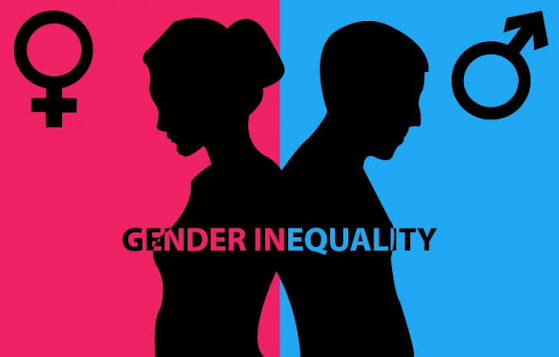
The United Nations has warned, that Gender equality is “woefully off track.”
At the current rate of progress, gender equality would take 171 years to achieve, the UN’s Gender Snapshot report said.
The number of countries with a woman as head of state or government has increased from 2020 to 2026. “Yet six in seven countries are still led by men.
Women’s representation in national cabinets declined to 22.4 per cent in 2026, after peaking at 23.3 per cent in 2024,” the report said. “The decline is a warning sign that gains cannot be taken for granted, and that progress towards equal political power remains fragile.”
Funding for gender equality has fallen to its lowest level since 2021, the report found. At the same time, 42 per cent of UN agencies reported that their efforts to promote gender equality had been weakened, as a result of budget cuts.
Millions of women also continued to endure some extremely severe forms of violence and discrimination across the globe, the UN said. Nearly one in five girls is married before the age of 18, and nearly one in three women globally have survived partner or sexual violence in their lifetime.
In the past year, 316 million women experienced physical or sexual violence by an intimate partner, the report said.
UN Under-Secretary-General for Economic and Social Affairs, Li Junhua, said the statistics were not inevitable. “It is the result of choices, made visible through data. Investing in gender equality, institutions, and the statistical systems that hold them to account is not a cost. It is the fastest route back to the 2030 Agenda’s promise of equal power for all.”-GNA
SKIP THE QUEUE, TAP THE NEWS
You can now read the Ghanaian Times and The Spectator newspapers from the comfort of your device via TimesNewsPlus.
Join our WhatsApp Channel: https://whatsapp.com/channel/0029VbBElzjInlqHhl1aTU27