News
Ghana Hajj Board promises to refund fees of pilgrims

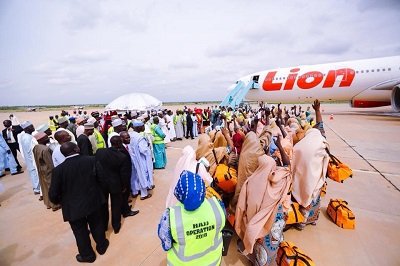
The Ghana Hajj Board (GHB) says it is working feverishly to refund the Hajj fees of pilgrims and Hajj agents who paid to take part in this year’s Hajj pilgrimage.
This follows the cancellation of the programme to international participants by the Saudi Government.
A statement issued the by GHB and jointly signed by the Chairman of the Hajj Board, Sheikh and Alhaji Issah Umar Suleiman, Ghana Hajj Agents Association, copied to the Ghanaian Times in Accra yesterday, said the Minister of Hajj and Umrah and the Government of Saudi Arabia last June, issued a statement cancelling this year’s Hajj to international participants.
It said the cancellation of this year’s Hajj pilgrimage to international participants by the Saudi Government was due to the coronavirus pandemic and the risk that it continued to present to the well-being of society.
Subsequently, the statement said GHB “has received requests from pilgrims and Hajj agents for refunds of their Hajj fees.”
The GHB and the Ghana Hajj Agents Association said the monies paid by pilgrims were intended to pay for Hajj services in the Kingdom of Saudi Arabia including accommodation, feeding, transportation, procurement of Hajj bags.
According to the statement, deposits for the Hajj services were made as far back as February, 2020 in preparation for this year’s exercise.
“We have received indication from the Saudi Authorities that, refunds would be processed by September, 2020, which is after the local Hajj has concluded,” the statement said.
It requested all persons who had directly or via their Hajj agents, paid monies to the Hajj Board through the bank, to co-operate with management, as they work to successfully address their concerns.
The GHB urged the general public to disregard any previous statement or television interviews or social media post that had been made with respect to the cancellation of this year’s Hajj.
The statement said: “Ghanaian pilgrims will not be able to travel to Makkah, to perform Hajj this year,” due to the cancellation of the programme to international participants by the Saudi Government to the outbreak of the coronavirus pandemic.
About 6,000 pilgrims were expected to travel to Mecca to participate in this year’s Hajj
Last year, more than 6,000 pilgrims were successfully flown from Ghana to Saudi Arabia to perform the Hajj rituals.
The fee for last year’s Hajj was pegged at GH¢19, 000 and same was priced this year.
Hajj is an annual pilgrimage to the Holy city of Mecca where Muslims perform various rituals as part of an Islamic obligation.
It is the fifth pillar of Islam, which enjoins every Muslim who can afford, and is physically fit, to embark on the pilgrimage, at least once in their lifetime.
Each year, millions of Muslims from all parts of the world converge on Saudi Arabia to praise Allah, express appreciation to Him for His mercies and also seek blessings and forgiveness for their trespasses as part of the rituals.
Source: Ghanaian Times


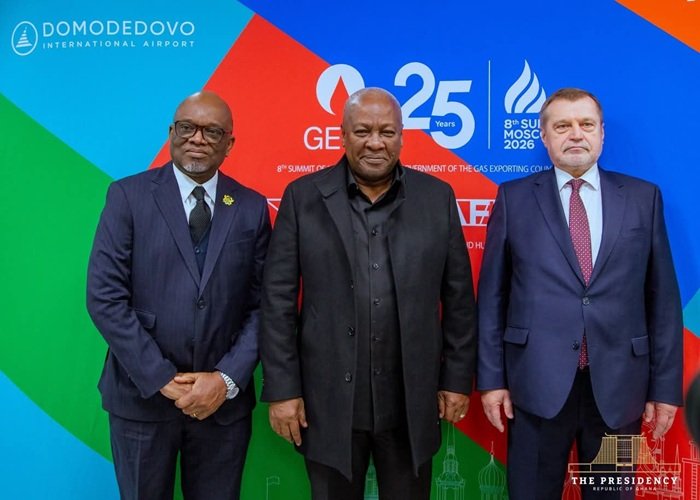
President John Mahama has arrived in Moscow, Russia, from Ethiopia to participate in the 3rd Russia-Africa Summit.
The summit is being hosted by Russian President Vladimir Putin.
During the visit, President Mahama will join fellow African leaders at the Economic and Humanitarian Forum and summit plenary sessions.
He is also scheduled to hold high-level bilateral talks with President Putin and attend a Kente exhibition organised by the Russia-Ghana Parliamentary Forum.
As part of the visit, the President will receive honorary doctorate degrees from the Russian University of Transport and the Peoples’ Friendship University of Russia.
He will also engage Russian businesses and state institutions to advance bilateral cooperation between Ghana and Russia.
By Edem Mensah-Tsotorme
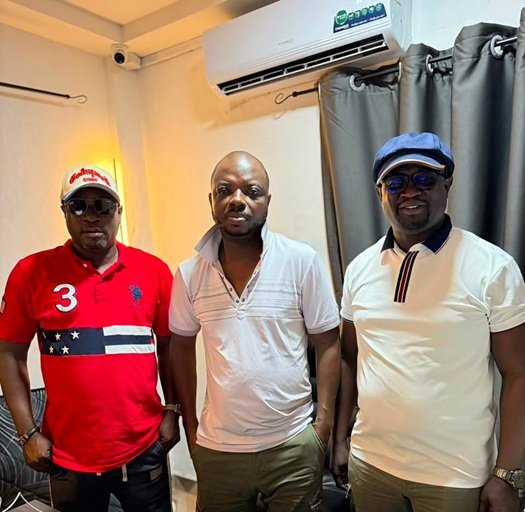
The Greater Accra Regional Organiser of the New Patriotic Party (NPP), Moses Abor, has met with the Bono Regional Chairman of the party, Kwame Baffoe, popularly known as Abronye DC, to address concerns arising from recent social media developments.
In a statement shared , Mr. Abor said he yesterday visited Chairman Baffoe over comments he made on his show, which had raised concern among some party activists.
According to him, he also engaged Charles Opoku Presidoo and ironed out grievances he had earlier held regarding the matter.
Mr. Abor said he was pleased that in the spirit of unity and the party’s shared commitment to return to power in 2028, they had a constructive conversation and addressed the concerns amicably.
“With the matter now resolved, I encourage all Party activists to let the matter rest and redirect our energy toward holding the NDC accountable for its failures and misleading claims,” he said.
He urged party members to continue making the case to Ghanaians on why Dr. Mahamudu Bawumia is the right person to lead the country in 2028.
By Edem Mensah-Tsotorme