News
Fake Prophets are causing more harm than good in Ghana …A personal reflection on truth, discernment, and responsible faith


For some time now, Ghana has witnessed an alarming proliferation of self-styled prophets and prophetic ministries whose practices raise serious questions about the integrity of the Gospel and the wellbeing of the Ghanaian people.
While we acknowledge that God still speaks, still reveals, and still uses genuine prophets (Ephesians 4:11), we cannot remain silent when the name of prophecy is being abused to exploit, deceive, and destroy.
The hard truth must be stated: Fake prophets are causing more harm than good in Ghana.
The evidence of harm, exploitation of the vulnerable
Many fake prophetic practices thrive on fear and desperation. The vulnerable, the sick, the unemployed, the barren, the bereaved are told to pay consultation fees, buy anointing oils, soaps, and stickers at exorbitant prices, sow dangerous seeds, and undertake unscriptural rituals to receive miracles.
The Gospel that Christ gave freely is being commercialised.”In their greed these teachers will exploit you with fabricated stories.” 2 Peter 2:3
Destruction of families and relationships
We are witnessing a dangerous trend where prophetic pronouncements label spouses, in-laws, children, and family members as witches, spiritual spouses, or enemies of progress. Marriages have been broken, children have been abandoned, and innocent elderly persons have been accused and abused on the basis of unverifiable prophecies.
Undermining of National development and productivity
The prophetic culture that attributes every failure to spiritual attack has created a generation that prefers prophecy to hard work, planning, and personal responsibility.
Young people queue for prophecy about employment instead of acquiring skills. This undermines our national productivity and the Ghanaian heritage of discipline, education, and holistic development.
Public deception and national embarrassment
The annual ritual of sensational prophecies about the death of prominent persons, doom about the nation, and contradictory predictions about elections creates fear, panic, and brings the Christian faith into public ridicule. Ghana has become a spectacle where prophecy is used for social media trends rather than for edification.
Spiritual deception
Most seriously, fake prophecy leads people away from Christ and the authority of Scripture to dependence on the prophet. It replaces “Thus saith the Lord” with “Thus saith the prophet” and replaces the finished work of Christ with the personality cult of the man of God. “For false messiahs and false prophets will appear and perform great signs and wonders to deceive, if possible, even the elect.” – Matthew 24:24
I am not against prophecy. I am against falsehood in the name of prophecy. I am not against miracles. I am against manipulation in the name of miracles. Therefore, I call for:
- Discernment from the Church: Let the Church return to the Word. “Test all things; hold fast what is good” (1 Thessalonians 5:21) and “Do not believe every spirit, but test the spirits” (1 John 4:1). Every prophecy must be subjected to Scripture.
- Responsibility from the Media: Media houses must be circumspect in giving airtime to unverified and sensational prophetic claims that create fear and panic.
- Accountability from the Prophets: True prophets must be willing to be accountable to a church community, to theological scrutiny, and to the ethical standards of ministry. Anonymity and independence should not be a cover for exploitation.
- Regulation and Sanity: The Christian Council of Ghana, the Ghana Pentecostal and Charismatic Council (GPCC), and relevant state agencies must collaborate to provide guidelines that protect citizens from religious abuse while preserving religious freedom.
- Return to a Holistic Gospel: The true Christian churches of Ghana have historically preached a holistic Gospel—one that develops the mind through education, the body through healthcare, and the spirit through the Word and prayer. That remains the authentic model.
CONCLUSION
Ghana does not need more prophets who can predict death. Ghana needs men and women of God who can teach people how to live righteously, work diligently, love their neighbours, and build our nation.
The true prophetic voice does not exploit. It edifies. It does not extort. It encourages. It does not destroy families. It builds lives and transforms generations.
Let us choose truth over trends, Scripture over sensationalism, and Christ over personality cults. “You will know the truth, and the truth will set you free.” – John 8:32
By Lawyer Godwin Kojo Koranteng (Tel: 054 339 5848Email: axiomcom66@yahoo.com)

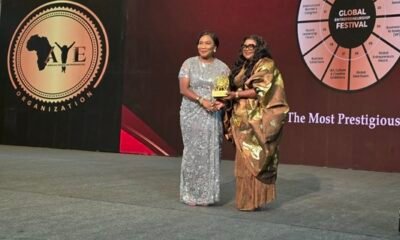






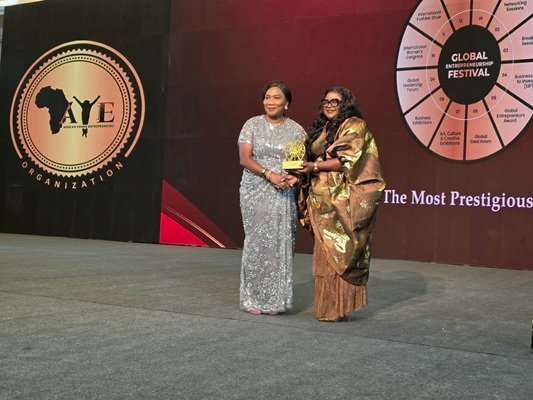
Founder and President of Women in Sustainability Africa (WiSA) and General Manager of EIB Network, Rev. (Mrs.) Nana Yaa Serwaa Sarpong, Esq., has been honoured with the prestigious Social Impact Award at the Global Entrepreneurs Awards.
The event was held as part of the Global Entrepreneurship Festival at the JW Marriott Hotel, Cairo, Egypt, from November 6-8.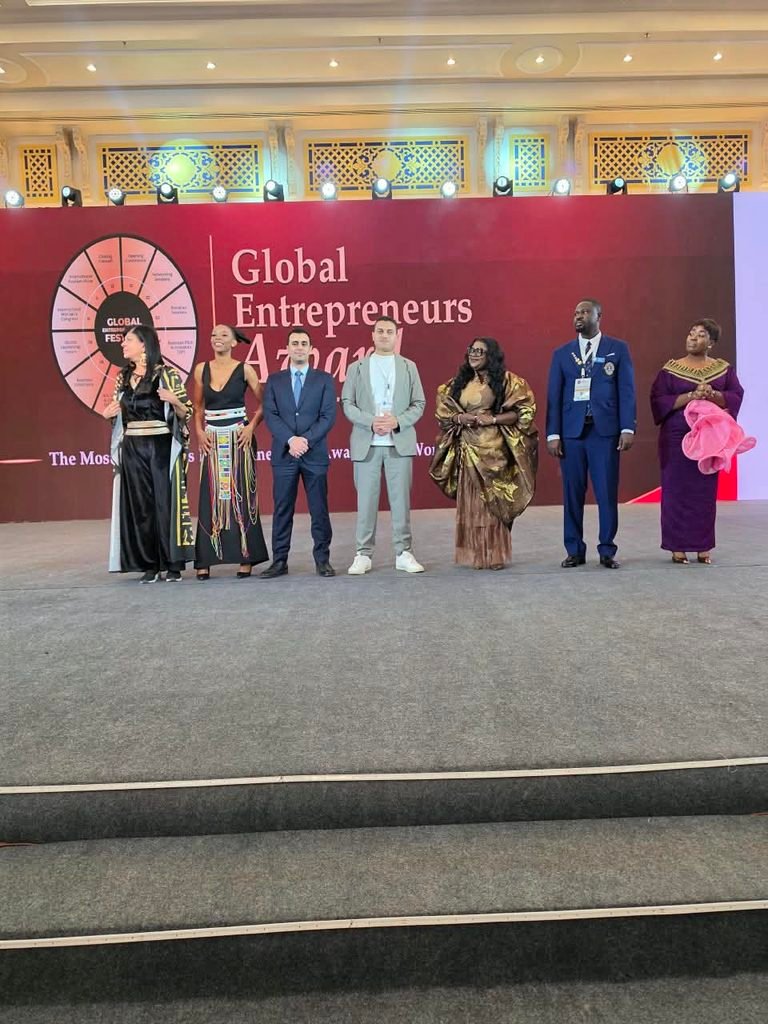
The Global Entrepreneurship Festival, organisers of the Global Entrepreneurs Awards, is described as the biggest entrepreneurship event in the world, bringing together over 10,000 participants, more than 100 exhibitors, over 60 global speakers and representatives from over 70 countries.
The award recognises her outstanding leadership and the transformative impact of decades of community service through her organisations, the League of Extraordinary Women and Women in Sustainability Africa (WiSA), as well as her work with the United Nations and ministry outreach in empowering people, promoting sustainability, and driving community development across Africa.
Speaking on the recognition, Rev. (Mrs.) Sarpong said she was humbled by the honour and dedicated it to the women and communities across Africa whose resilience and commitment to change continue to inspire her work.
She said the award was a reminder that social impact, sustainability and service remain powerful tools for transforming lives and building a better future for the continent.
Nana Yaa Serwaa Sarpong was recently called to the Bar in Ghana at the 63rd Ceremony organised by the General Legal Council.
By Edem Mensah-Tsotorme
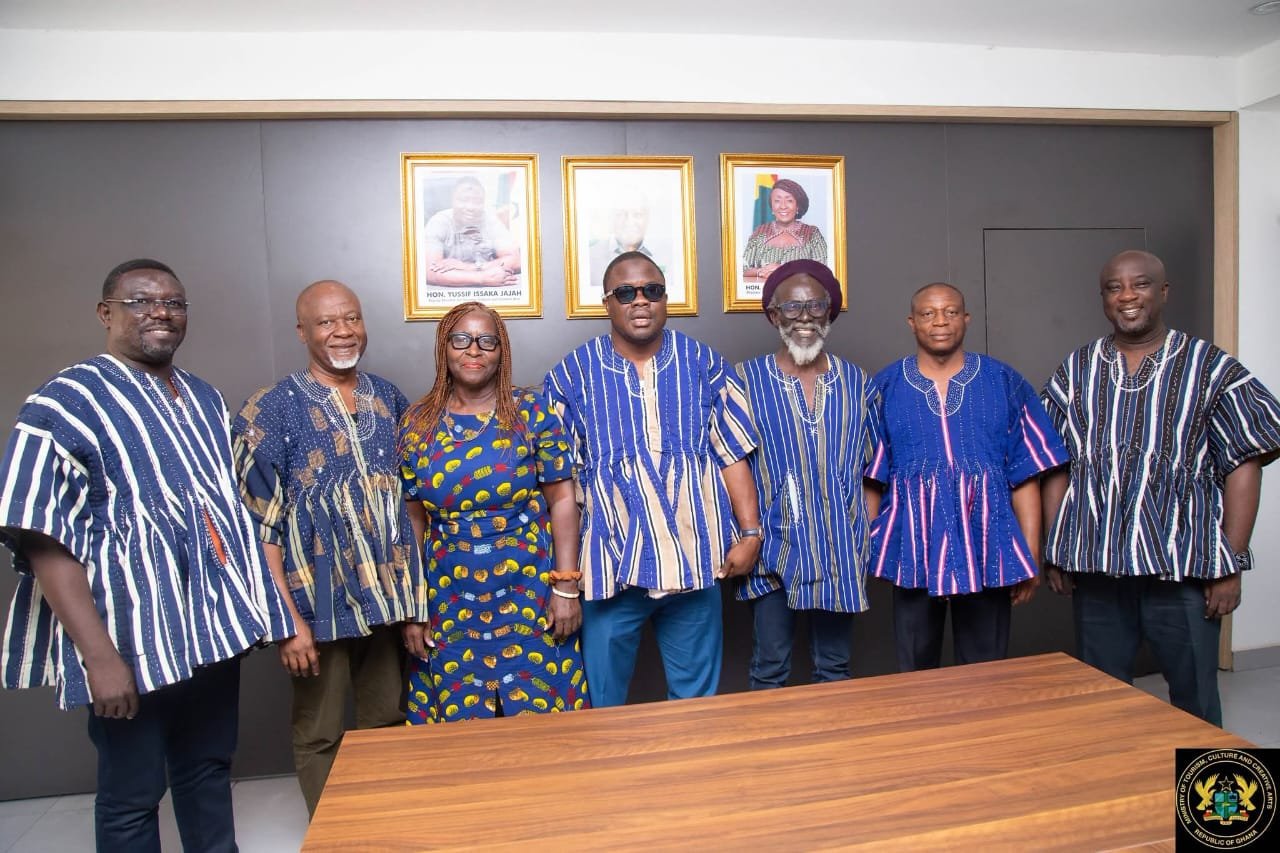
The Deputy Minister for Tourism, Culture and Creative Arts, Yussif Issaka Jajah has engaged the Ghana Culture Forum (GCF) on strengthening collaboration to advance Ghana’s cultural and creative industries.
The engagement, led by the Forum’s Vice Chairman, Ahuma Bosco Ocansey, focused on ongoing programmes, outstanding commitments, preparations towards the Forum’s 15th Anniversary and Ghana Culture Week 2027, as well as opportunities for collaboration on the EU Sankofa I Programme.
Mr. Jajah reaffirmed the Ministry’s commitment to working with stakeholders and addressing concerns raised, stressing the importance of fulfilling commitments to participants and sponsors in cultural initiatives.
The meeting underscored the need for stronger partnerships to promote Ghana’s cultural identity and unlock opportunities within the creative arts sector.
By Edem Mensah-Tsotorme