News
Constitution’s impeachment provisions for Chief Justice are ‘inadequate’, says Sophia Akuffo


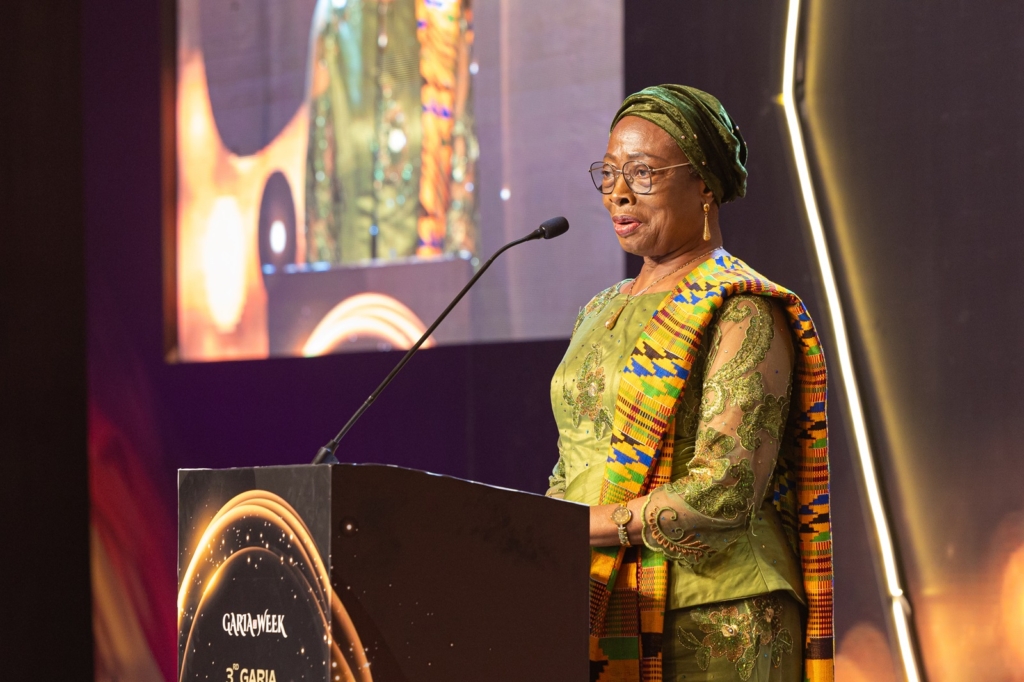
Former Chief Justice Sophia Akuffo has called into question the adequacy of constitutional provisions for the impeachment of the Chief Justice.
Speaking on Joy News’ PM Express on Tuesday, January 7, she offered a nuanced critique of the process while responding to recent calls by legal scholar Professor Kweku Asare for the removal of the Chief Justice.
She emphasized the importance of due process and highlighted gaps in the current framework, noting that impeachment is a serious and complex procedure that must be anchored in robust constitutional guidelines.
“Impeachment Is Not Simple Removal”
When asked about Professor Asare’s demand for the Chief Justice’s removal in the waning days of President Akufo-Addo’s tenure, Madam Akuffo was direct.
“What has she done? Has she committed any offence of misconduct? Well, that needs to be proven. You don’t just get up and impeach,” she stated.
Clarifying the distinction between “removal” and “impeachment,” Sophia Akuffo noted that the latter involves a detailed constitutional process.
“Let’s not even use the word ‘removal,’ because before you reach removal, you’re going to go through an impeachment process, which must follow the dictates of the Constitution,” she explained.
“Constitutional Provisions Are Inadequate”
Akuffo expressed concern that Ghana’s Constitution falls short of providing a robust framework for impeaching a Chief Justice or other high-ranking officials.
“Personally, I don’t think the provisions of the Constitution are adequate for the purpose of impeachment of anybody,” she remarked.
She elaborated on the procedural shortcomings, pointing out that the current arrangement places significant power in the hands of the President and the Council of State.
“In the current arrangement, you petition the President, and in the case of the Chief Justice, the matter is referred to the Council of State, which has to go through certain processes,” she said.
The Role of Due Process
Akuffo underscored the importance of adhering to due process in impeachment cases.
“It’s not just a question of, ‘I want to remove this person,’ and then he goes to the Council of State, and then the Council of State comes back and says, ‘Yeah, we agree with you. Go ahead and do it.’ There has to be due process,” she emphasized.
According to Akuffo, due process involves more than simply filing a petition.
“The petition must set out some reason. That’s part of what due process is all about,” she explained, adding that even in lower courts, there are structured processes that must be followed.
Calls for Constitutional Reform
While Akuffo admitted she had not followed the specifics of Professor Asare’s call, she expressed scepticism about whether sufficient justification had been provided.
“I’m yet to know what the justifications are that the petitioner has even for asking the removal of the Chief Justice. It’s not that easy, even under the Constitution as it is now,” she stated.







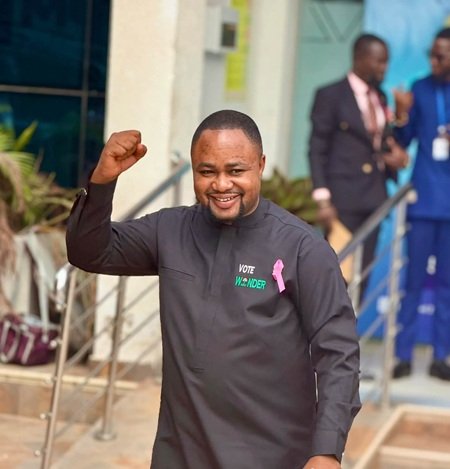
National Democratic Congress (NDC) National Executive Committee member and Volta River Authority (VRA) Board Member, Wonder Victor Kutor, has described calls for the resignation of Foreign Affairs Minister Samuel Okudzeto Ablakwa as premature and unjustified.
He argued that there was no evidence to establish that the minister had committed any wrongdoing to warrant such demands.
Speaking on Joy News in Accra on Wednesday, October 28, 2026, Mr Kutor questioned what had changed to justify the growing calls for the minister to step down.
He recalled that the Ranking Member on Parliament’s Foreign Affairs Committee, Samuel Abu Jinapor, had earlier indicated that the opposition was not accusing Mr Ablakwa of any wrongdoing.
Mr Kutor, therefore, challenged those demanding the minister’s resignation to provide fresh evidence to support their position.
“The call for the Minister to resign is premature, it is untenable. There is no evidence. I mean, what has he done wrong?” he questioned.
He added that documents, including boarding passes, airline receipts and flight manifests relating to the minister’s return journey, had been provided.
Mr Kutor expressed concern that the calls for Mr Ablakwa’s resignation could discourage young politicians from speaking out against corruption and advocating transparency.
According to him, politicians should not be targeted or maligned for demanding accountability, warning that such treatment could create the impression that speaking against corruption could later become a liability when one is appointed to public office.
He maintained that calling for accountability and transparency should not be used as grounds to target public officials without evidence of wrongdoing.
By: Jacob Aggrey
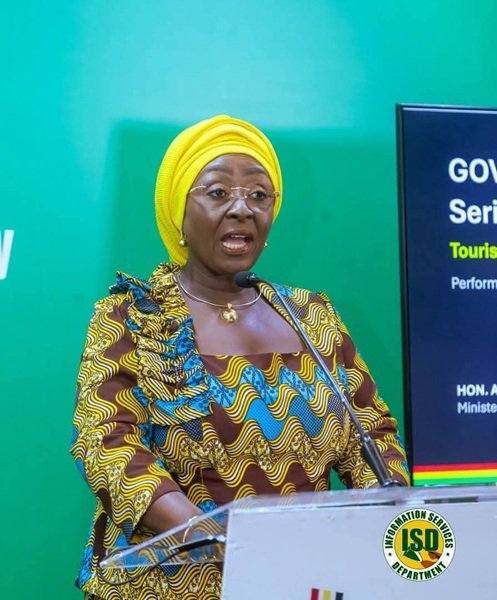
Ghana will host the Africa Festival of Arts, Culture and Creatives (AFESTAC) 2026 alongside Industrial Skills Week Africa (ISWA) 2026 in Accra from December 9 to 12, 2026.
On the back of these programmes, Minister of Tourism, Culture and Creative Arts, Abla Dzifa Gomashie, has called on corporate Ghana, the media and the general public to support the initiative through partnerships, sponsorships and active participation.
The events, supported by the African Union Development Agency (AUDA-NEPAD), will bring together stakeholders to celebrate Africa’s rich cultural heritage, strengthen the creative economy, promote industrial skills development and create employment opportunities for young people.
By Edem Mensah-Tsotorme