News
Consortium of NGOs from five West African countries call for an end to FGM

- /home/u249204778/domains/spectator.com.gh/public_html/wp-content/plugins/mvp-social-buttons/mvp-social-buttons.php on line 27
https://spectator.com.gh/wp-content/uploads/2023/04/WhatsApp-Image-2023-04-06-at-12.32.04-PM.jpeg&description=Consortium of NGOs from five West African countries call for an end to FGM', 'pinterestShare', 'width=750,height=350'); return false;" title="Pin This Post">
- Share
- Tweet /home/u249204778/domains/spectator.com.gh/public_html/wp-content/plugins/mvp-social-buttons/mvp-social-buttons.php on line 72
https://spectator.com.gh/wp-content/uploads/2023/04/WhatsApp-Image-2023-04-06-at-12.32.04-PM.jpeg&description=Consortium of NGOs from five West African countries call for an end to FGM', 'pinterestShare', 'width=750,height=350'); return false;" title="Pin This Post">
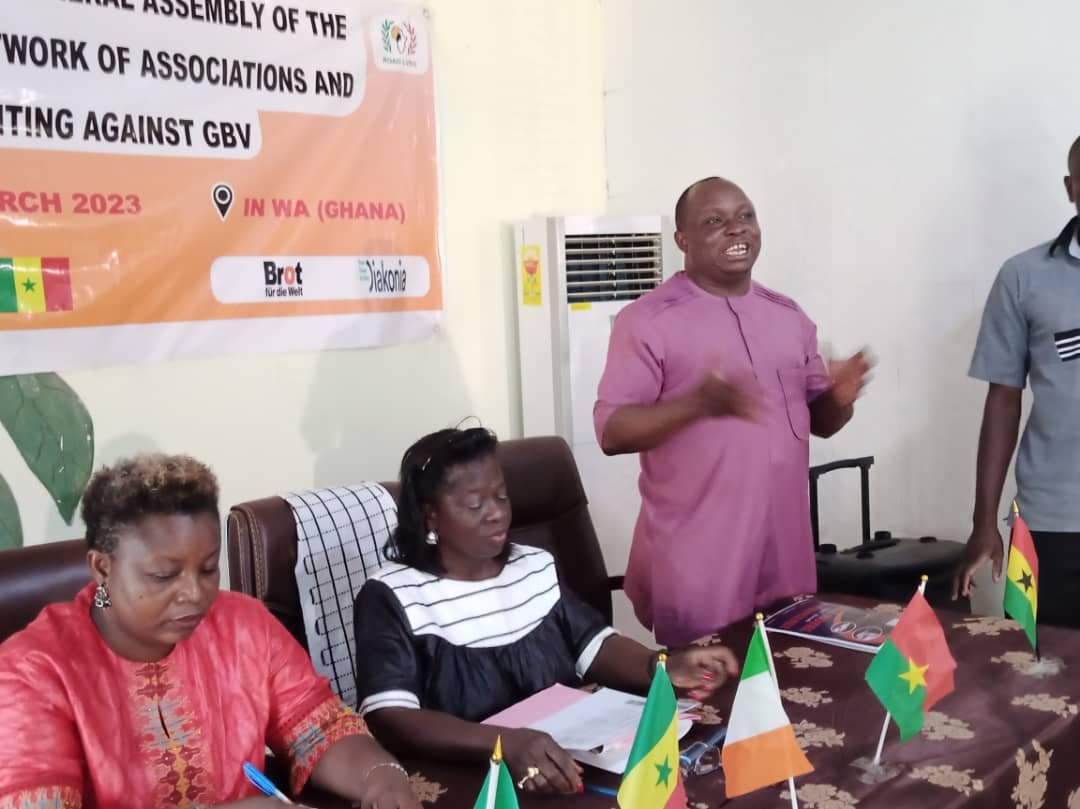
A consortium of non-governmental organizations working in the field of gender-based violence (GBV) from five West African countries on Tuesday held their second ordinary meeting in Wa in the Upper West Region with a call for an end to female genital mutilation (FGM) to restore the dignity of women and also protect their sexual rights.
Christened the West African Network of Associations and NGOs Fighting Against GBV, the consortium consists of countries namely Ghana, Senegal, Mali, Burkina Faso and Cote D’Ivoire.
The Vice President of the Network, Mr Salifu Kanton who is also the Executive Director of the Community Development Alliance (CDA) said the network was formed to foster unity and harmonise interventions and efforts dedicated to fighting FGM across the West African sub-region.
He explained that the practice which was common among residents of border towns would only go extinct if the partners worked together to ensure that FGM was not migrated to other countries.
“We share cross-border similarities and cross-border challenges that affect all of the sub-regions so NGOS within the sub-regions came together in 2019 after a meeting in Cote D’Ivoire to influence change and impact communities to address sexual and gender-based violence with a particular focus on eliminating FGM”, he said.
Mr Kanton expressed that since the countries shared common traits such as local languages, socio-cultural networks and arrangement as well as belief systems, the network was necessary to ensure that people who would want to leave the region to another country to perpetrate the act were identified and stopped.
“People no longer do the cutting in the open because of the criminalisation of the practice but FGM is still prevalent because of certain social norms and cultural beliefs”, he stated.
One of the key measures adopted by the Network, he noted was to identify the circumcisers who were mostly women, persuade them to abandon the practice and use them as ambassadors to drive the change after issuing them certificates and awards for stopping the practice.
“We are not looking at getting people prosecuted but getting them to accept that what they are doing is bad and has health implications and implications on the dignity of the girls”, he said.
He mentioned that the meeting was to review the work done by the respective organisations in each member country towards eliminating FGM in line with the United Nations timeline of 2030.
“Our contribution is to try and accelerate the pace and make sure that no girl living in the West African sub-region is subjected to this inhuman practice and we do this by sharing experience and tracking the gains; especially on our porous borders so that if Ghana is making effort, the circumcisers do not cross to Burkina Faso and vice versa”, he explained.
He added that with the rise in violent extremism in these countries, they were also looking at alternative ways to bring calm without resorting to a military approach which according to him had failed in addressing the conflicts and had rendered people more alienated and vindictive.
“We believe in social cohesion, fostering peacebuilding and accepting differences to reduce radicalization of young people into extremist groups; CDA for instance is empowering women through networking for peacebuilding by targeting female leaders in communities to become peace ambassadors to address the underlying causes of radicalization “, he added.
Some participants in Mali and Burkina Faso who shared their work said they were helping to rehabilitate people affected by violent extremism but said the insecurity and tensions had affected community engagement as well as donor support for their activities.
FROM LYDIA DARLINGTON FORDJOUR, WA


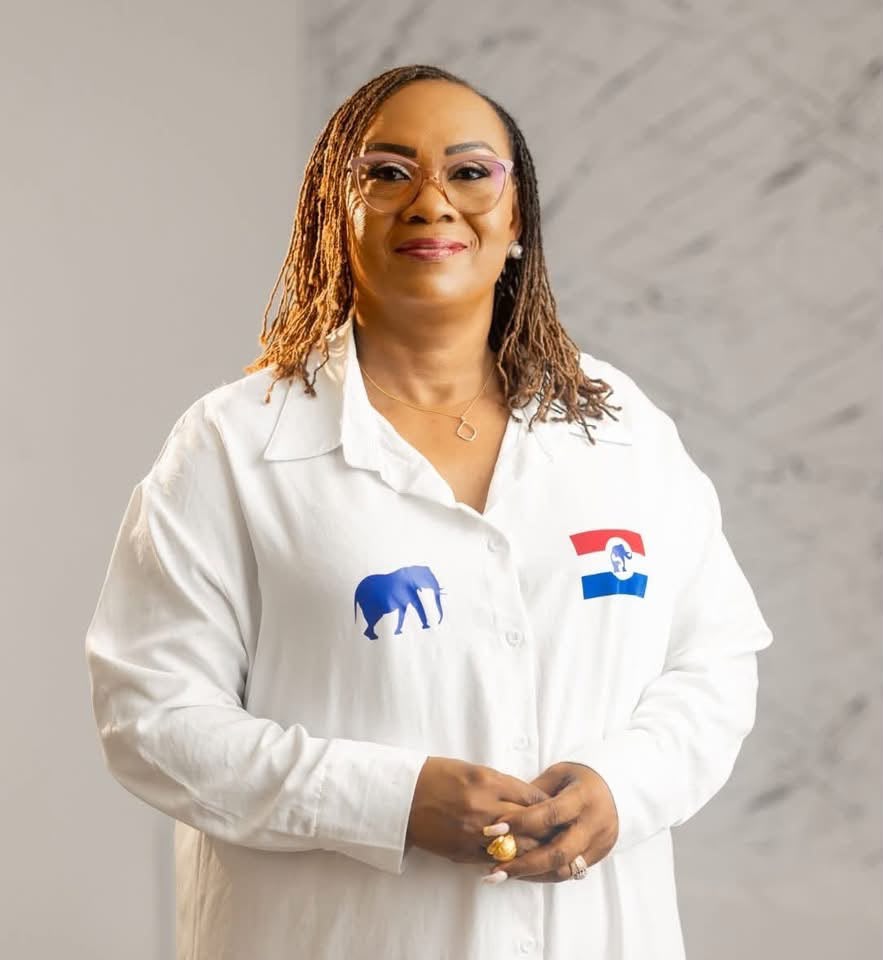
Former Awutu Senya East Member of Parliament, Mavis Hawa Koomson, has been elected the National Women’s Organiser of the New Patriotic Party (NPP).
She secured 738 votes to defeat her main contender, Mohammed Safia, who polled 429 votes in the election held on Saturday, October 3, 2026, at the Baba Yara Sports Stadium in Kumasi.
The election formed part of the NPP’s National Delegates Conference, which brought together delegates from across the country to elect new national executives for the party.
The conference was characterised by a colourful display of the NPP’s red, white and blue colours, with party supporters and delegates filling the stadium ahead of the various elections.
Former President Nana Addo Dankwa Akufo-Addo was among the prominent personalities who attended the delegates conference ahead of the elections.
Following the declaration of the results, Hawa Koomson moved around the stadium with some of her supporters, thanking delegates for voting for her and expressing confidence in her ability to lead the party’s women’s wing.
Speaking after her victory, Hawa Koomson said she would bring her experience and maturity to the position and work to strengthen the party’s women’s structures.
She indicated that she would work with her former contender, Mohammed Safia, despite the competition between them during the election.
“We are all NPP members and we are going to work together for victory,” she said.
According to her, her immediate task would be to unite the women of the party and mobilise them to contribute effectively to the NPP’s activities at the grassroots and national levels.
She called for greater support and solidarity among women, and recounted an experience in which she said another woman helped save her life after she was attacked.
Using the experience, Mrs Koomson urged women to have one another’s backs, stressing that women should be ready to support and defend each other.
The former MP spoke about her political journey and her return to a national leadership position after losing the Awutu Senya East parliamentary seat.
She said she had never regarded her political journey as a failure and was proud to have reached the national level to serve the party.
Mrs Koomson said her decision to contest the National Women’s Organiser position was driven by her desire to continue contributing to the NPP and use her experience to support the party.
Hawa Koomson explained the need for women to protect themselves, including the use of pepper spray as a means of self-defence when faced with danger.
She encouraged women to support and defend one another, drawing from her own experience of being attacked and helped by another woman who intervened to save her.
As National Women’s Organiser, she will be responsible for coordinating and mobilising women across the party, strengthening the women’s wing at the constituency and regional levels, and increasing their participation in party activities.
She is expected to work closely with the newly elected national executives to strengthen the party’s structures and prepare its women’s wing for the party’s future political activities.
Mrs Koomson thanked the delegates for the confidence they had placed in her and pledged to work with members of the party as she begins her new role.
By: Jacob Aggrey
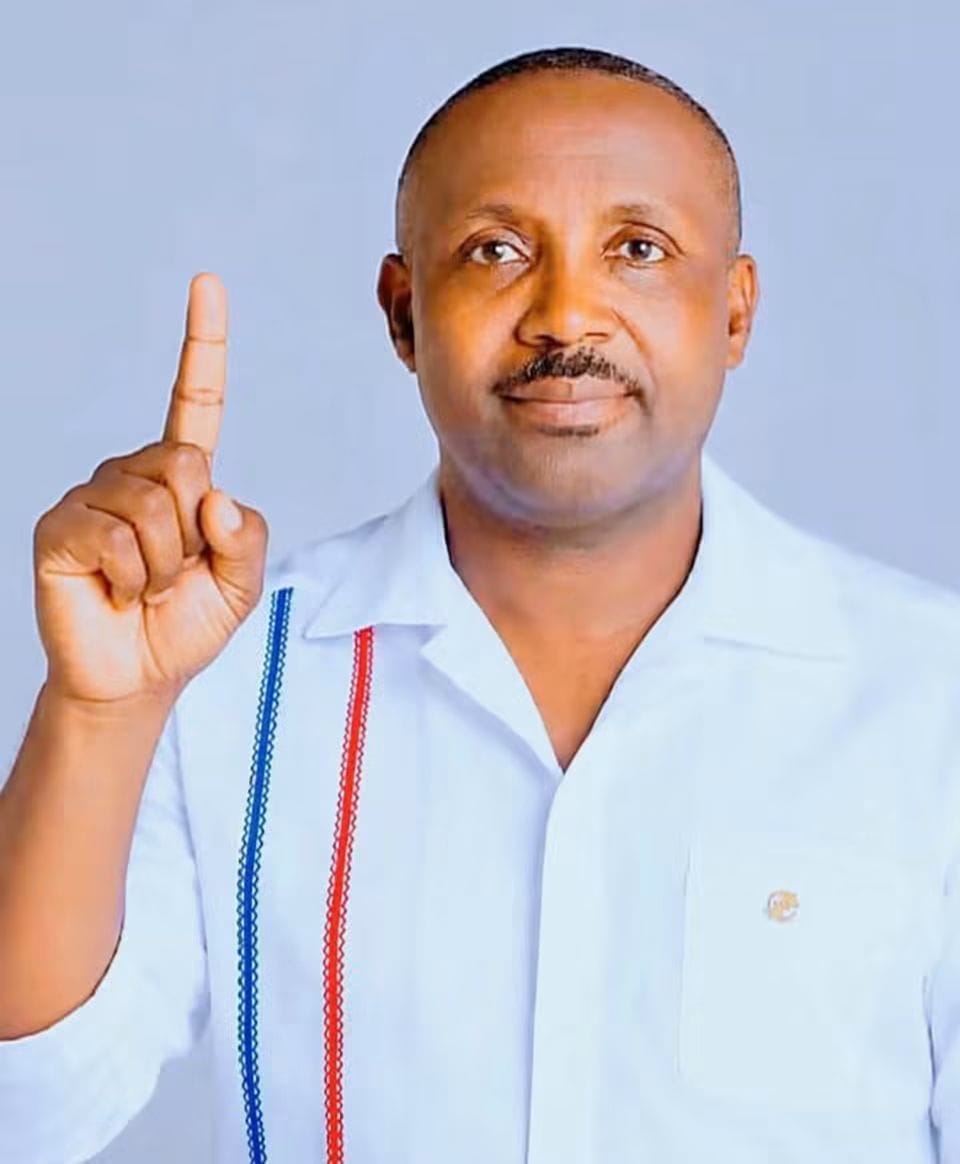
John Boadu has been elected as the National Chairman of the New Patriotic Party (NPP) following the party’s National Delegates Conference held on Saturday, October 3, 2026, at the Baba Yara Sports Stadium in Kumasi.
Boadu secured a decisive victory with 2,888 votes, beating his closest contender Boakye Agyarko who polled 2,408 votes.
Former Chairman Paul Afoko garnered 790 votes, while Sammy Crabbe managed 41 votes.
The victory marks a major political comeback for John Boadu, who previously served as the party’s General Secretary.
Ahead of the elections, Sammy Crabbe had reportedly pulled out of the race to form an alliance with John Boadu, a move that appears to have strengthened Boadu’s numbers on the day.
The keenly contested chairmanship race was a highlight of the 2026 National Executives Election, which drew thousands of delegates from across the country to Kumasi.
Boadu is expected to lead the party’s reorganization efforts ahead of the 2028 general elections.
By Edem Mensah-Tsotorme