News
Christians, Muslims kick against surrogacy …as medical experts calls for cultural, religious shift

The conversation around fertility in Ghana is shifting as The Walking Egg Medical and Fertility Centre makes headlines for its breakthrough surrogacy cases.
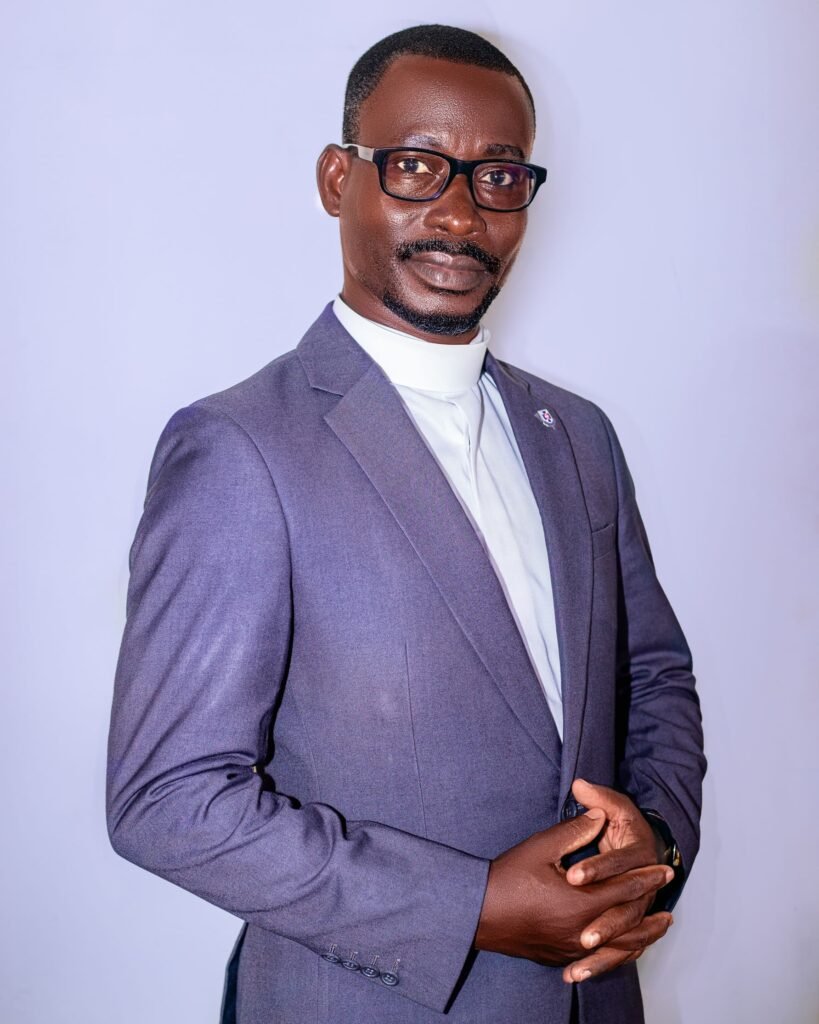
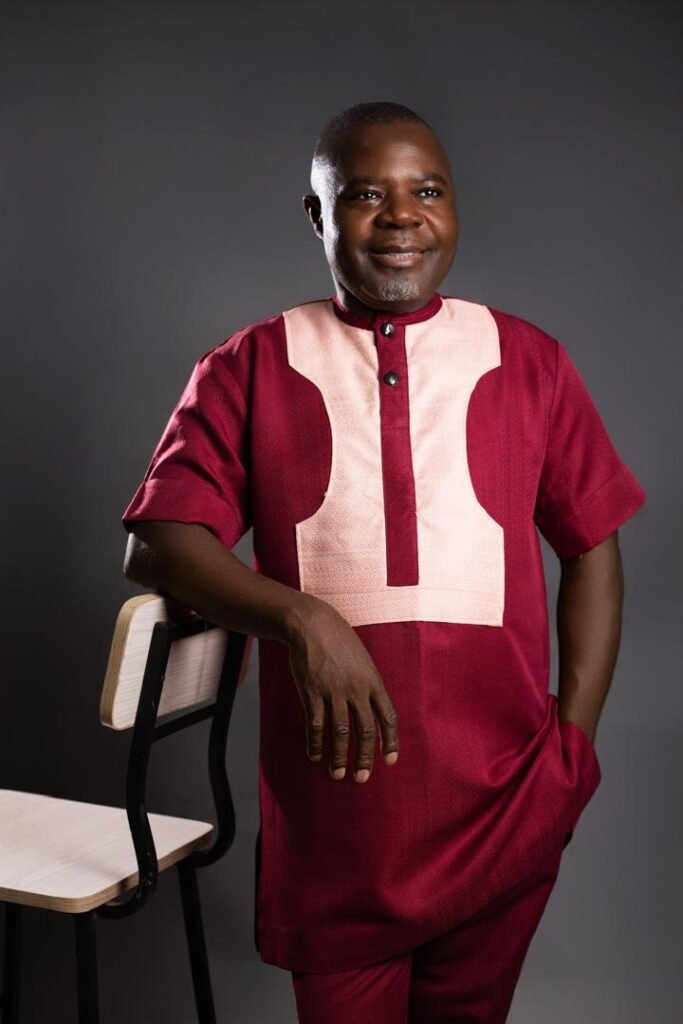
The Medical Director of the facility, Dr Nana Yaw Osei, is now calling for a cultural and religious shift in the narrative, asking religious leaders to see assisted reproduction not as a challenge to faith, but as a vital solution for childless couples seeking to build their families.
Surrogacy remains controversial in deeply religious societies, with assisted reproduction often viewed as interference with divine will.
However, Dr Osei, a practicing Christian, insists that faith and medicine are not opposed.
According to Dr Osei, advancement in reproductive medicine has made parenthood possible for many couples once considered hopeless, yet social and religious attitudes have been slow to change.
“Growing up, if a couple could not conceive, it was considered the end,” Dr Osei said in an interview with The Spectator, but added that, “today, science has changed that reality, but society and faith have not fully accepted it.”
“Medicine does not and cannot replace God,” he emphasised, citing that “It is an expression of the knowledge and wisdom God has given humanity. Compassion must guide how we treat people who are struggling with infertility.”
He noted that Ghana has taken steps to recognise surrogacy under the Registration of Births and Deaths Act, 2020 (Act 1027), which allows children born through assisted reproduction to be legally registered. While the law provides a basic framework, it does not fully address critical issues such as egg and sperm donation, embryo handling, or the distinction between traditional and gestational surrogacy.
“These gaps need attention to protect surrogates, intended parents and the children,” he mentioned.
Dr Osei said many women seeking surrogacy have lost their wombs through fibroids, cancer or childbirth complications and should not be further burdened by stigma.
“One of the most painful encounters in my career was with a woman who lost her uterus and felt God had abandoned her,” he said.
He called on churches and mosques to engage medical professionals and adopt a more informed approach to infertility.
“Surrogacy is not about convenience, it is about restoring hope and dignity to people who want a family,” Dr Osei stated.
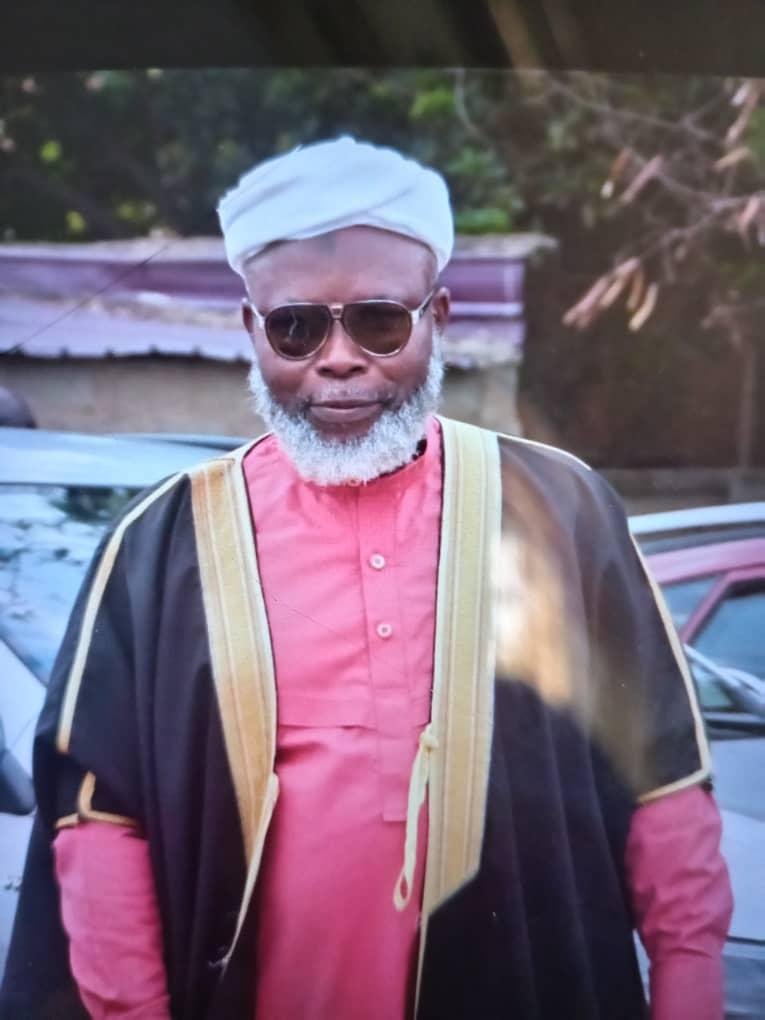
However, sharing an Islamic perspective on surrogacy, Imam Alhaji Saeed Abdulai, an Islamic Scholar said the Islamic religion prioritises lineage, dignity and family stability, and in the process making surrogacy impermissible.
He explained that: “Surrogacy involves a woman carrying a child for another couple, a process which is unacceptable in Islam which makes lineage (nasab) and marital bounds very central.”
Quoting Qur’anic texts to support his claim, Imam Alhaji Saeed said the majority of scholars prohibit surrogacy because it mixes lineage and violates marital exclusivity (Fiqh Academies, OIC).
“The Prophet Mohammed said: “The child belongs to the (marital) bed” (Bukhari, Muslim), safeguarding clear parentage.
“So, for another woman to carry a pregnancy and eventually give birth for them clearly violates this clear instruction and admonition. This makes it impermissible,” he added.
Mentioning another Qur’anic text, he stated what Allah said in Qur’an 58:2: “Their mothers are only those who gave birth to them,” affirming biological motherhood.
What this clearly mean is that a couple can make the necessary efforts to have kids but as long as they resort to surrogacy, the surrogate mother would be recognised as the biological mother of the child and not the wife of the union.
According to him, Islam approaches reproduction as a sacred trust governed by divine guidance.
Procreation in Islamic law, he explained, was inseparably linked to lawful marriage, moral responsibility, and the preservation of lineage (ḥifẓ al-nasab), making surrogacy a critical ethical concern.
“The dominant and authoritative position among Islamic scholars is that surrogacy is prohibited (ḥarām), regardless of its form. This ruling has been affirmed by reputable international bodies such as the International Islamic Fiqh Academy (OIC) and Al-Azhar’s Council of Senior Scholars,” he explained.
The prohibition, he emphasised, rests on several foundational principles. “First, surrogacy introduces a third party into the reproductive process, violating the exclusivity of marriage. Second, it leads to confusion in lineage, which Islam strictly seeks to protect due to its implications for inheritance, guardianship, marriage eligibility, and social identity. Third, pregnancy itself establishes a form of motherhood in Islamic law, rendering any contractual reassignment of motherhood invalid (OIC Fiqh Resolution No. 16).
Thus, even gestational surrogacy, despite the absence of genetic linkage, remains impermissible.
Also contributing, a Resident Minister of the Ga West Model Presbyterian Church, Tetegu, Accra, Rev. Emmanuel A. Wiafe, says surrogacy conflicts with biblical teachings, Christian holiness and human dignity and should not be practiced by Christians.
According to him, although the Bible contains narratives often cited in support of surrogacy, such accounts were descriptive rather than instructional.
“The fact that the Bible mentions similar situations does not mean it approves of them,” he said.
Rev. Wiafe maintained that God’s design for procreation is rooted in marital intimacy between a man and a woman, describing childbearing as a divine gift, not a right to be claimed.
“Children are a gift to be received, not something to be demanded. Compassion must always be guided by holiness,” he stressed.
Addressing cases where women lose the ability to conceive through no fault of their own, Rev. Wiafe urged believers to place their trust in God rather than medical alternatives such as surrogacy, citing instances of unexpected childbirth as evidence of divine intervention.
He referenced the biblical account of Sarah, Abraham and Hagar, noting that although the arrangement produced a child, it also resulted in jealousy, conflict and emotional trauma.
“When humans try to play God, the consequences are often painful,” he mentioned.
Beyond theology, Rev. Wiafe raised ethical concerns, arguing that surrogacy risks commodifying the female body, which the Scripture describes as the temple of the Holy Spirit.
While acknowledging that medical knowledge was a gift from God, he cautioned that not every scientific capability aligns with holiness.
“We may have the right to do many things, but not everything pleases God,” he added.
By Esinam Jemima Kuatsinu
Join our WhatsApp Channel now!
https://whatsapp.com/channel/0029VbBElzjInlqHhl1aTU27











The state has closed its case in the Republic v Akonta Mining and two others.
The case was heard earlier today at the Accra Criminal Court, where state prosecutors and CID investigators from the Ghana Police Service closed the Republic’s case.
In all, the prosecution called three witnesses to prove its case, two former employees of Akonta Mining Company Limited and a detective from the Ghana Police Service.
According to an update on the case, the two former employees testified to Mr Bernard Antwi-Boasiako’s deep involvement in Akonta Mining Company’s alleged illegal mining activities in the Tano-Nimiri Forest Reserve.
The police detective tendered in evidence drone footage and other audio-visual materials and official communications in support of the testimonies of the two former Akonta Mining employees.
The accused persons, through cross-examination of the witnesses, sought to dissociate themselves from every mining activity in the Tano-Nimiri Forest Reserve.
At the close of the prosecution’s case, counsel for the accused persons asked the court to allow him to call the first prosecution witness back into the witness box for further cross-examination.
The court gave him up to Friday, October 30, to file a formal motion to recall the witnesses.
The case has been adjourned to November 4 for the motion to be heard.
By Edem Mensah-Tsotorme
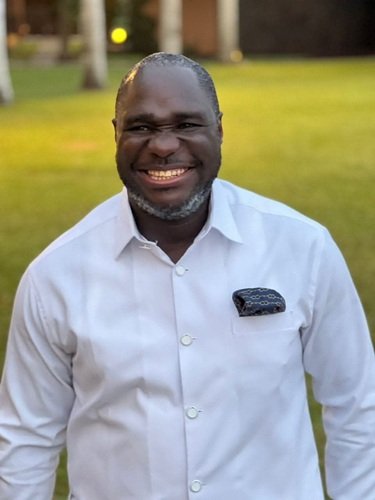
Dr Palgrave Boakye-Danquah, spokesperson to NPP Ashanti Regional Chairman Bernard Antwi Boasiako, popularly known as Chairman Wontumi, has called on the government and Parliament to undertake major reforms in Ghana’s prison system, including the construction of a dedicated prison hospital and the introduction of regulated conjugal visits.
In a press statement issued on Tuesday, October 27, 2026, Dr Boakye-Danquah shared Chairman Wontumi’s observations and recommendations following his remand on July 20, 2026.
According to the statement, Chairman Wontumi’s experience in prison has given him the opportunity to interact with prison officers and inmates and observe the challenges facing the Ghana Prisons Service.
The statement noted that the NPP chairman believes the correctional system must move beyond punishment to focus on rehabilitation, welfare and productivity.
One of his major concerns is the lack of dedicated, well-equipped prison hospitals, ambulances and standby generators in several prison facilities.
Dr Boakye-Danquah said Chairman Wontumi had raised concerns about the difficulties in providing medical care to seriously ill inmates, including those suffering from tuberculosis.
He is therefore calling for the construction of a modern prison hospital to serve facilities across the country. In the interim, he has proposed emergency arrangements with the 37 Military Hospital and the Police Hospital.
On the welfare of prison officers, Chairman Wontumi has urged the government to review their salaries, accommodation and conditions of service.
He has also called for proper classification of inmates, arguing that minor offenders should not be housed alongside armed robbery convicts and that persons facing trial for serious offences, including treason and terrorism, should be appropriately separated from other inmates.
The statement further highlighted concerns about the need for counselling and behavioural support for young inmates, particularly those serving sentences for defilement-related offences.
Chairman Wontumi has also called for a clear policy on the classification and management of LGBTQI+ inmates within the prison system.
On family relationships, he has proposed the creation of designated private areas where prisoners can receive visits from their spouses and children.
He believes regulated conjugal visits could help preserve marriages, reduce tension among inmates and support rehabilitation.
“The prisoner is the one in prison, not the children or spouse,” the statement noted, explaining his position on the need to protect family relationships during incarceration.
Chairman Wontumi has appealed to the Ministry of Food and Agriculture to support prison farms with the necessary equipment to improve food production.
According to the statement, the Ghana Prisons Service has access to vast lands and skilled labour but faces a shortage of agricultural equipment, with only one tractor reportedly available for farming and garbage-related activities.
He has further proposed greater collaboration between prison authorities and the justice sector, suggesting that regional prison commanders should be included in relevant discussions because of their knowledge of prison conditions and inmate rehabilitation.
On infrastructure, Chairman Wontumi has called on the government and private sector to invest in modern prison facilities and factories, arguing that the system has seen limited structural improvements over the years.
Appeal to Parliament
Dr Boakye-Danquah said Chairman Wontumi had made a special appeal to Parliament to lead efforts towards comprehensive prison reform.
He is urging the Speaker of Parliament to initiate discussions on prison conditions as a human rights and national development issue.
He has also called on the Majority and Minority caucuses to work together to pass a new Prison Reform Act and approve funding for a dedicated prison hospital, ambulance services, standby generators and agricultural equipment.
Additionally, he wants the Parliamentary Select Committees on Defence and Interior, Health, and Food and Agriculture to undertake working visits to prisons across the country to assess conditions firsthand.
According to the statement, Chairman Wontumi believes bipartisan cooperation between the Majority and Minority caucuses is necessary to secure the legal and financial reforms required to improve the prison system.
He has called for broader prison reforms across Africa, expressing hope that Ghana could lead the continent in improving correctional facilities.
Reflecting on his experience since July 20, Chairman Wontumi stated: “At this experience since July 20th till date, prison doesn’t reform as it should be. I pray that the entire Africa will learn from Ghana.”
The statement added that Chairman Wontumi remained in high spirits.
By: Jacob Aggrey