News
Breast Cancer: Seek medical treatment early

OCTOBER is Breast Cancer Awareness Month, a global opportunity to raise awareness of breast cancer and call for action to improve access to timely diagnosis and quality care.
According to the World Health Organisation (WHO), about 2.4 million women are diagnosed with breast cancer every year, with about 694,000 deaths recorded globally.
In Ghana, more than 5,000 women are diagnosed with the disease annually, with nearly 2,700 dying from it.
What is breast cancer?
Breast cancer occurs when malignant tumours develop in the breast. These cells can spread by breaking away from the original tumour and entering blood vessels or lymph vessels, which branch into tissues throughout the body. When cancer cells travel to other parts of the body, invade other organs, and begin damaging tissues and organs, the process is called metastasis.
Types
Ductal carcinoma in situ (DCIS)
Ductal carcinoma in situ (DCIS) is considered the earliest form of breast cancer. DCIS begins in the milk ducts, where the cancerous cells are contained within the ducts and have not spread into the surrounding breast tissue or nearby lymph nodes. Because the cancerous cells have not spread from their original location, DCIS is considered “non-invasive.”
Invasive ductal carcinoma (IDC)
Invasive ductal carcinoma (IDC) is the most common type of invasive breast cancer. In IDC, cancer cells begin in the breast’s milk ducts and then spread into the surrounding healthy breast tissue. This ability to grow beyond their original location is what makes the cancer “invasive.” When IDC is diagnosed, it is assigned a stage between one and four.
Invasive lobular carcinoma (ILC)
Invasive lobular carcinoma (ILC) is the second most common form of invasive breast cancer. It is a slow-growing cancer that begins in the milk glands (lobules) of the breast and has invaded, or spread, into the surrounding breast tissue or other areas of the body.
Triple-negative breast cancer (TNBC)
Triple-negative breast cancer (TNBC) is an aggressive form of invasive breast cancer. TNBC lacks the three receptors—estrogen, progesterone, and HER2—that are usually found in breast cancer, making common hormonal therapies ineffective.
Metastatic breast cancer (MBC)
Metastatic breast cancer (MBC) means that the cancer has spread beyond the breast into other parts of the body, such as the bones, liver, lungs, or brain. MBC is stage four breast cancer and will be a part of the patient’s life for the rest of their life. While MBC is not curable, it is treatable.
Male breast cancer
Male breast cancer is rare and accounts for less than one per cent of all breast cancer diagnoses. Though less common, male breast cancer is often diagnosed at a later stage, making it more difficult to treat.
What to do
At the launch of this year’s Breast Cancer Awareness Month, organised by the Ministry of Health in collaboration with the Breast Society of Ghana (BSG), a specialist radiation oncologist with the Korle-Bu Teaching Hospital, Dr Mary Ann Dadzie, said:
Do not dismiss painless breast lumps.
- “A painless lump is not a harmless lump.”
- Do not wait until a lump becomes painful before seeking medical attention.
- Seek medical attention quickly.
- See a health professional within two weeks of noticing an abnormality in the breast.
Know your breasts.
- Pay attention to changes in your breasts.
- Seek help when something appears unusual.
Dr Dadzie called on women to have regular breast checks, stressing the importance of:
- Regular clinical breast examinations.
- Appropriate screening, including mammography and ultrasound, with health professionals.
She urged family and friends to support women diagnosed with the disease, saying, “Home is where the support begins.”
She encouraged:
- Husbands, partners and families to help women with transportation, childcare and other practical needs.
- Friends to offer practical support.
Way forward
She called on women diagnosed with breast cancer to act early, seek medical attention promptly, and complete treatment.
Your Weekend Companion
www.spectator.com.gh

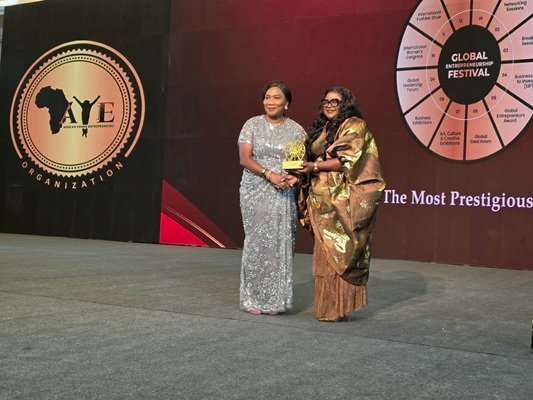
Founder and President of Women in Sustainability Africa (WiSA) and General Manager of EIB Network, Rev. (Mrs.) Nana Yaa Serwaa Sarpong, Esq., has been honoured with the prestigious Social Impact Award at the Global Entrepreneurs Awards.
The event was held as part of the Global Entrepreneurship Festival at the JW Marriott Hotel, Cairo, Egypt, from November 6-8.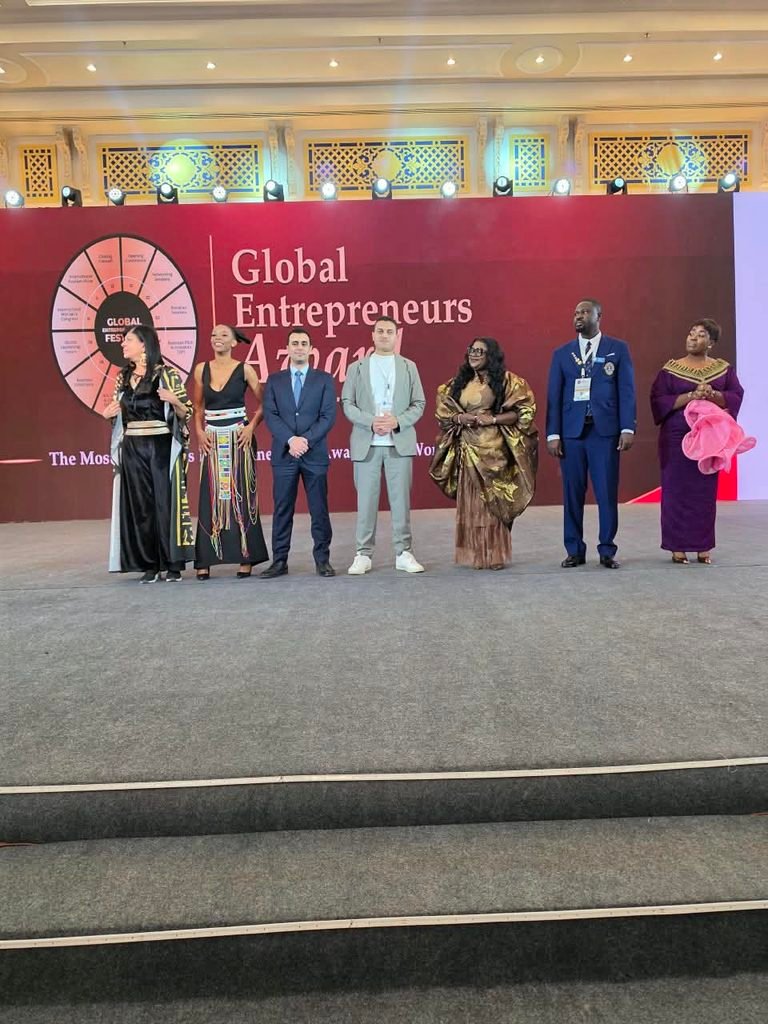
The Global Entrepreneurship Festival, organisers of the Global Entrepreneurs Awards, is described as the biggest entrepreneurship event in the world, bringing together over 10,000 participants, more than 100 exhibitors, over 60 global speakers and representatives from over 70 countries.
The award recognises her outstanding leadership and the transformative impact of decades of community service through her organisations, the League of Extraordinary Women and Women in Sustainability Africa (WiSA), as well as her work with the United Nations and ministry outreach in empowering people, promoting sustainability, and driving community development across Africa.
Speaking on the recognition, Rev. (Mrs.) Sarpong said she was humbled by the honour and dedicated it to the women and communities across Africa whose resilience and commitment to change continue to inspire her work.
She said the award was a reminder that social impact, sustainability and service remain powerful tools for transforming lives and building a better future for the continent.
Nana Yaa Serwaa Sarpong was recently called to the Bar in Ghana at the 63rd Ceremony organised by the General Legal Council.
By Edem Mensah-Tsotorme
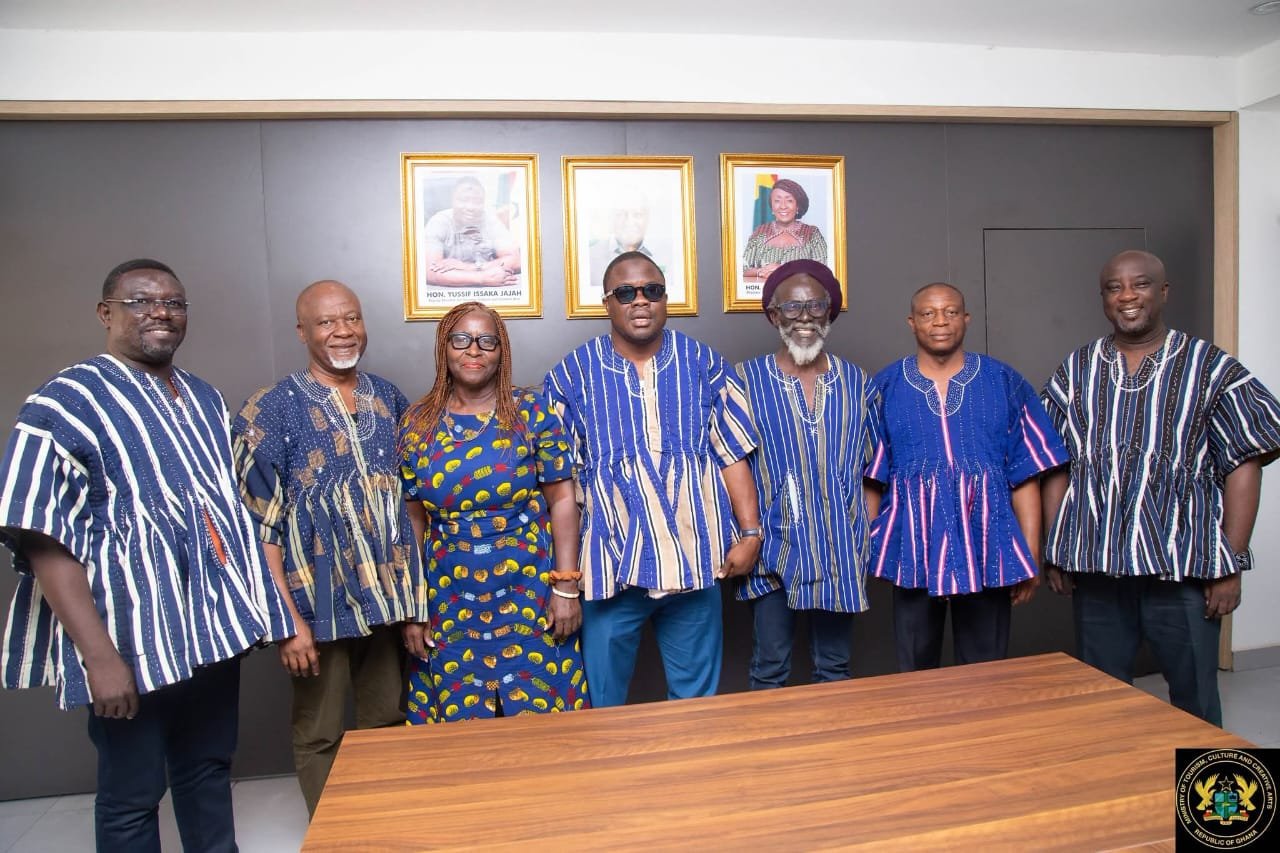
The Deputy Minister for Tourism, Culture and Creative Arts, Yussif Issaka Jajah has engaged the Ghana Culture Forum (GCF) on strengthening collaboration to advance Ghana’s cultural and creative industries.
The engagement, led by the Forum’s Vice Chairman, Ahuma Bosco Ocansey, focused on ongoing programmes, outstanding commitments, preparations towards the Forum’s 15th Anniversary and Ghana Culture Week 2027, as well as opportunities for collaboration on the EU Sankofa I Programme.
Mr. Jajah reaffirmed the Ministry’s commitment to working with stakeholders and addressing concerns raised, stressing the importance of fulfilling commitments to participants and sponsors in cultural initiatives.
The meeting underscored the need for stronger partnerships to promote Ghana’s cultural identity and unlock opportunities within the creative arts sector.
By Edem Mensah-Tsotorme