News
Africa moving towards circular economy …Ghana included


• Large Lego blocks used for modular
The circular economy progresses in Africa and old traditions now serve a sustainable future.
Finnish companies boost positive development – and come across surprises along the way.
To build affordable, ecological houses that last a hundred years. To use recycled materials as raw materials and to create jobs and new business.
The vision of the Ylöjärvi-based company Block Solutions sounds almost like a circular economy utopia. Still, it is realistic.

“There is a shortfall of 50 million apartments in Africa and shocking amounts of difficult-to-recycle polyethylene terephthalate (PET) plastic waste everywhere. We put it to good use,” Mr. Markus Silfverberg, the founder of Block Solutions said.
The company has developed an injection moulding technique for manufacturing building modules that look like large Lego blocks and are made of recycled plastic and organic fibre, an industrial by-product. With a rubber mallet and a ring spanner, anyone can build a 50-square-metre house.
However, what the company sells to Africa is not modules or houses but factories. The first modules outside Finland were manufactured in Accra, Ghana, in April 2022. Now, production has also been launched in Egypt and Indonesia.
“Exporting building modules from Finland would not be sustainable. That is why production must be local,” Mr. Silfverberg said.
The company’s point is to use local raw materials. There will be no lack of them – plastic bottles and other plastic waste are known to be a difficult environmental problem throughout Africa. Co-operation is being initiated with Danone and many other companies using plastic packaging.
In addition to plastic, the company has used sugarcane, rice husk, hemp, bamboo and various sustainably grown tree species, among other things, as the modules’ raw materials.
By Jussi Laitinen
[The writer (Jussi Laitinen) is an award-winning author, journalist and communications expert in Finland]

News
GTA CEO and deputy’s clash sends the wrong signal; both parties should resolve their differences – Fiifi Boafo

Former Head of Public Affairs at COCOBOD, Fiifi Boafo, has called for an immediate resolution of the reported communication dispute between the Chief Executive Officer (CEO) of the Ghana Tourism Authority (GTA), Maame Efua Houadjeto, and her deputy, Abeiku Santana.
Speaking on Joy News on Monday, October 26, 2026, Mr Boafo questioned the circumstances that led to the deputy CEO raising concerns about his access to the chief executive with the sector minister.
He described Abeiku Santana as a pleasant person who relates well with others and expressed concern about the situation, which he said sends the wrong signal about the authority’s leadership.
“I am wondering what is happening at the GTA that the woman doesn’t want to see Abeiku, to the extent that you write to the minister,” he said.
Mr Boafo indicated that the matter required urgent attention to ensure both officials could work together effectively. He added that if the deputy CEO’s concerns were justified, steps should be taken to address them. However, if the problem was also coming from the deputy CEO, the chief executive had the responsibility to address that as well.
His comments follow a letter dated October 22, 2026, in which Abeiku Santana, the GTA Deputy CEO in charge of Marketing and Special Duties, asked the Minister of Tourism, Culture and Creative Arts, Abla Dzifa Gomashie, to intervene over what he described as recurring difficulties in securing meetings with the CEO.
In the letter, Mr Santana explained that he had repeatedly requested meetings through the CEO’s secretary or personal assistant but was informed that she was unavailable.
He said the situation had made it difficult to obtain timely guidance, approvals and decisions needed to perform his duties, sometimes resulting in delays in operations, stakeholder engagements and the implementation of key assignments.
He stressed that his intention was not to make a personal complaint but to draw attention to a communication gap that required attention in the interest of effective management and institutional efficiency.
However, in a response dated October 24, 2026, addressed to the GTA Board Chairperson, Ms Houadjeto expressed surprise and disappointment over the concerns raised by her deputy, insisting that she operated an open-door policy, particularly for executive and senior management officers.
The CEO acknowledged the importance of effective communication and timely decision-making and proposed measures to strengthen coordination between the two offices.
These included scheduled executive consultations, a clear procedure for escalating urgent matters, improved coordination of meeting requests, clearer delegation of responsibilities and regular engagement among members of the executive management team.
She proposed an early meeting with her deputy to agree on practical arrangements for implementing the measures.
By: Jacob Aggrey
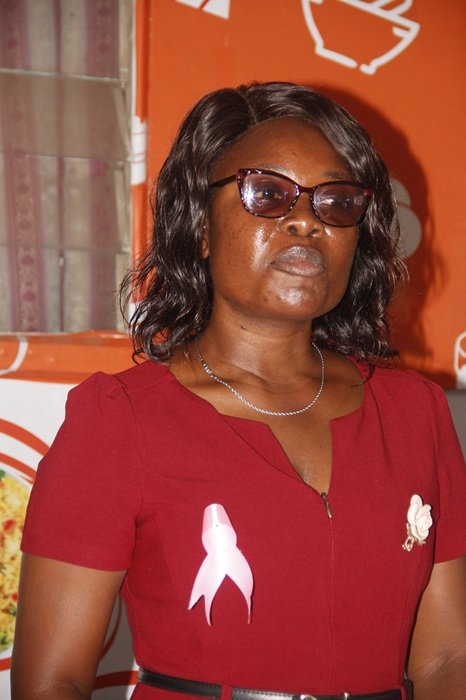
Medical Doctor and dietician, Dr Bernice Korkor Asare, has urged women to take greater responsibility for their lifestyle choices, particularly their eating habits and levels of physical activity, to help reduce their risk of developing breast cancer.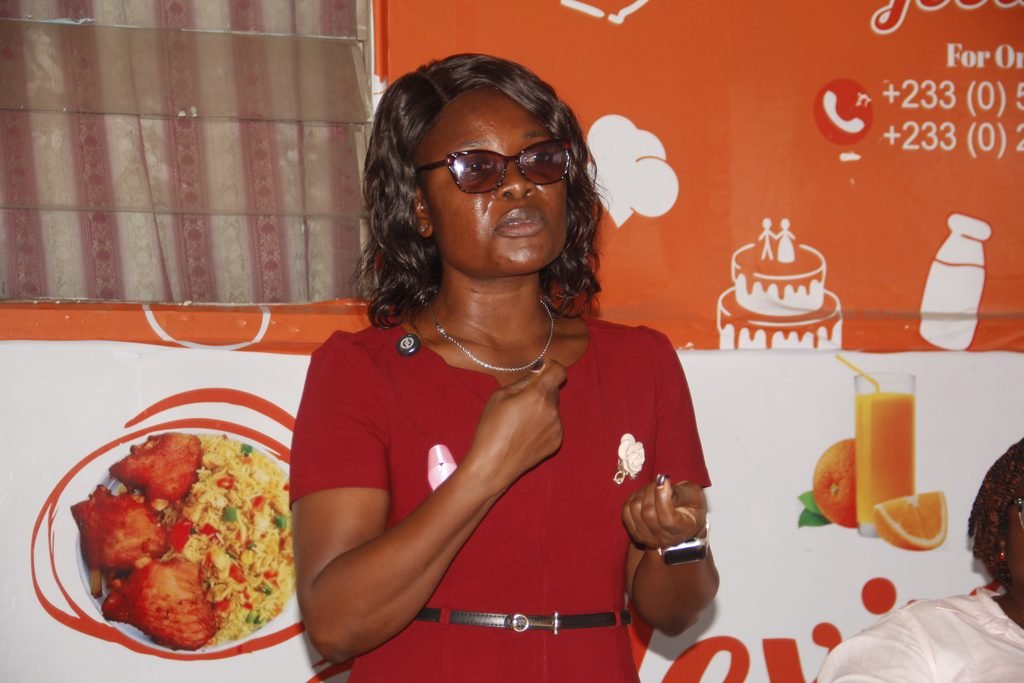

According to her, although, some breast cancer risk factors, such as family history and certain reproductive factors, may not be within an individual’s control, lifestyle choices offer an opportunity for people to take preventive action.
She made this known during a talk on the topic: “Role of diet in breast cancer prevention” organised by Times Ladies Association of the New Times Corporation, publishers of The Ghanaian Times and The Spectator, in Accra on Thursday.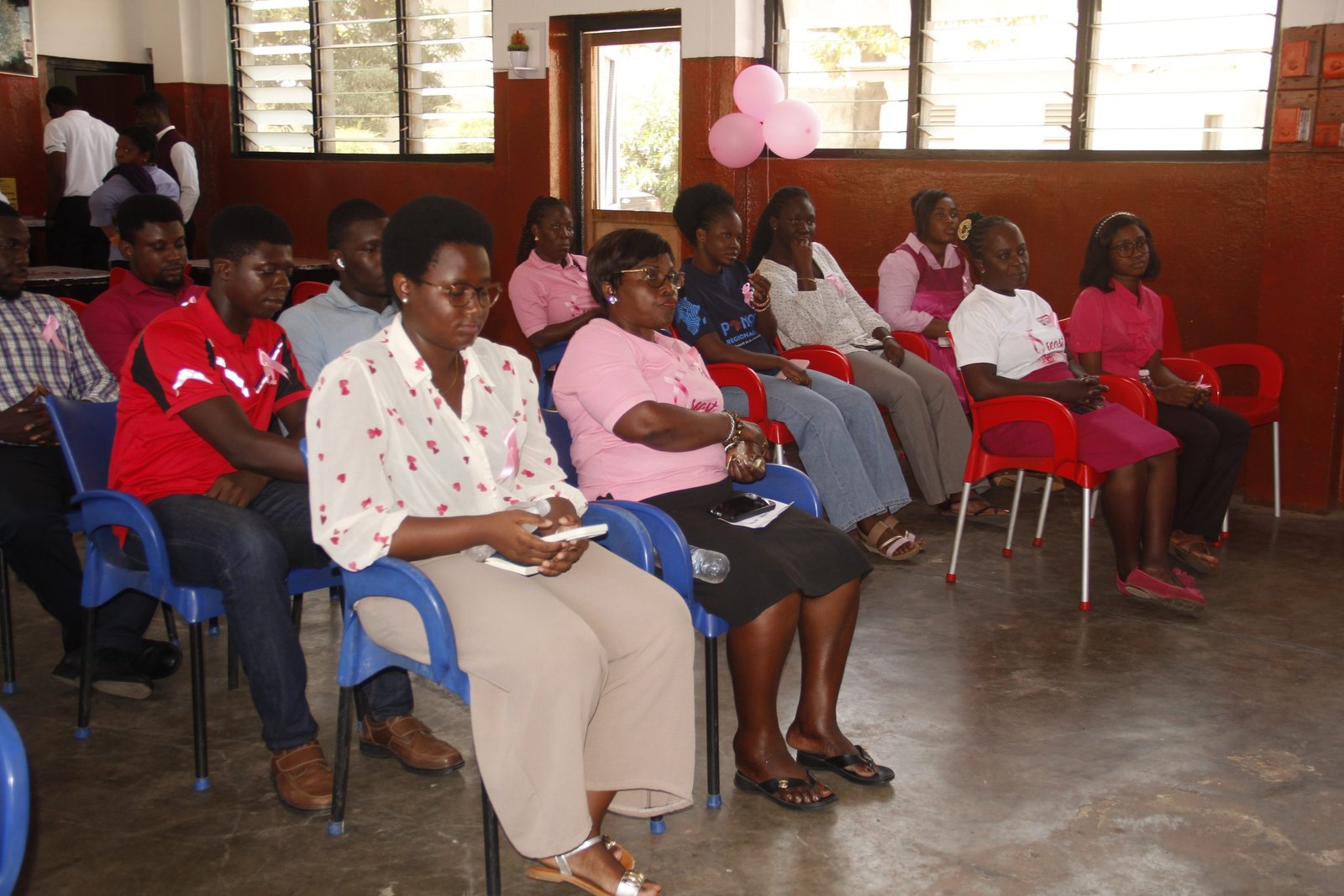
The event themed “Breast Cancer Awareness- Promoting Early Detection, Healthy Eating and Prevention.” 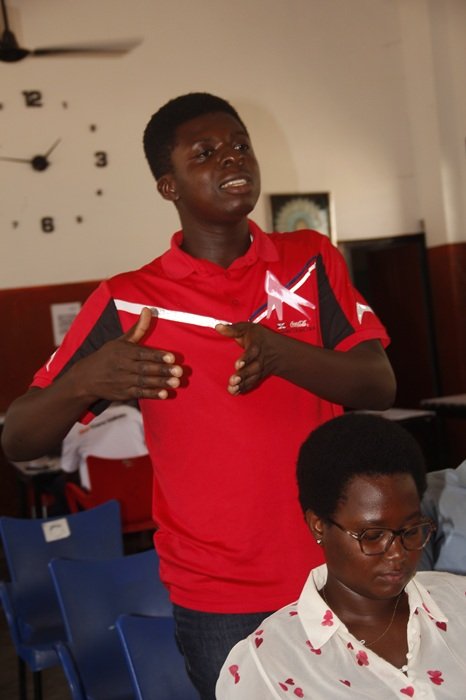
She noted that having a risk factor did not automatically mean a person would develop breast cancer, but could increase the likelihood of developing the disease compared with someone without that particular risk factor.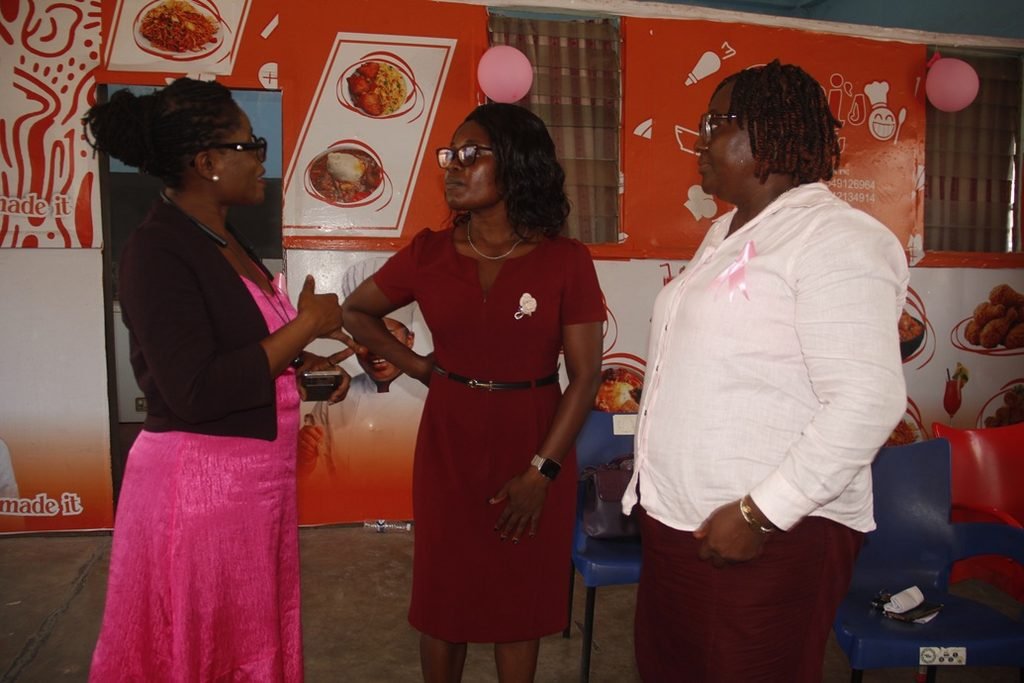
“Having close relatives who have had breast cancer, particularly a mother, sister or daughter, may increase the risk, although not everyone with a family history will develop the disease,” Dr Asare opined. Read More.
By Adizatu K. Munkaila
SKIP THE QUEUE, TAP THE NEWS
Read Daily News
You can now read the Ghanaian Times and The Spectator newspapers from the comfort of your device via TimesNewsPlus.
Buy Maps
Join our WhatsApp Channel: https://whatsapp.com/channel/0029VbBElzjInlqHhl1aTU27