News
Accra Catholic Laity Council initiates business development project

- /home/u249204778/domains/spectator.com.gh/public_html/wp-content/plugins/mvp-social-buttons/mvp-social-buttons.php on line 27
https://spectator.com.gh/wp-content/uploads/2022/02/Fully-fledged-businesses-and-start-ups-are-expected-to-benefit-from-the-project.jpeg&description=Accra Catholic Laity Council initiates business development project', 'pinterestShare', 'width=750,height=350'); return false;" title="Pin This Post">
- Share
- Tweet /home/u249204778/domains/spectator.com.gh/public_html/wp-content/plugins/mvp-social-buttons/mvp-social-buttons.php on line 72
https://spectator.com.gh/wp-content/uploads/2022/02/Fully-fledged-businesses-and-start-ups-are-expected-to-benefit-from-the-project.jpeg&description=Accra Catholic Laity Council initiates business development project', 'pinterestShare', 'width=750,height=350'); return false;" title="Pin This Post">
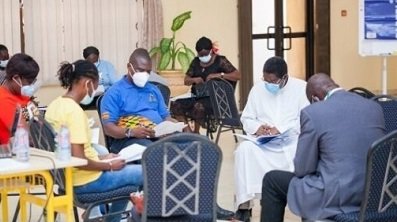
In order to build capacity and create wealth among the Catholic lay faithful, the Accra Archdiocesan Catholic Laity Council (AACLC) powered by the Catholic Professionals Guilds (CPG) has initiated a platform to promote Catholic-owned businesses.
According to a joint notice by AACLC and CPG, the project would provide Catholic Entrepreneurs and Professionals the opportunity to display their products and services to the larger Catholic community.
Full-fledged businesses, as well as start-ups, would have the opportunity to engage business development experts from diverse backgrounds to enable them to take their operations to a higher pedestal.
Mini Business Fairs are expected to be organised on Deanery basis in all the eight deaneries of the Archdiocese to offer opportunities to the businesses to showcase their products and services.
Organisers said the event would be sustained “as long as required” to achieve its goals.
“These fairs would eventually become the go to Catholic Market where all Catholics would be encouraged to patronise the products and services of fellow Catholics.”
“As part of the plans, a Business Seminar is scheduled for Saturday, March 26, 2022. Also in the offing is the annual May Day Games and Business Fair that is the mother of all the fairs to be organised as an Archdiocesan event,” it said.
Scheduled for May 2, 2022 at the El-Wak Sports Stadium, Accra, the games would be networking and socialising opportunity for various groups and societies in the Church.
In order to achieve the objectives of the Laity Business Development project, the Laity Council and the Catholic Professionals Guild have appealed to Catholic entrepreneurs and business owners to fill a form circulated on social media to enable the church to compile a business directory.
By Spectator Reporter



Veteran Nigerian actor and African screen legend, Pete Edochie, has paid a courtesy call on the Chief Executive Officer of the Ghana Gold Board (GoldBod), Sammy Gyamfi, during his visit to Ghana.
Edochie is in Ghana to launch the African Legacy Project, which includes a book, documentary film and an African Youth Mentorship Initiative targeting about 500,000 young people across the continent.
Mr. Gyamfi welcomed the opportunity for GoldBod to support the mentorship initiative, noting that it aligns with the Board’s Special Intervention Programme and its focus on social impact and economic empowerment.
GoldBod’s work is also referenced in Pete Edochie’s new book, which highlights Ghana’s efforts to ensure its gold resources contribute to national development.
By Edem Mensah-Tsotorme
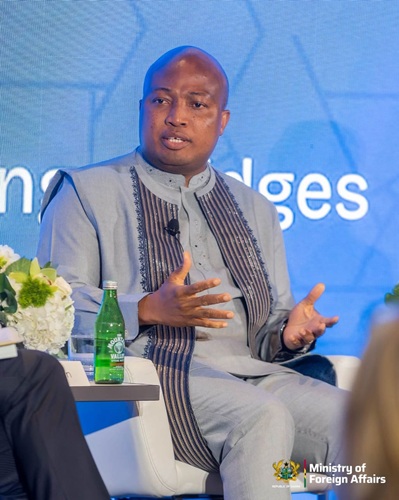
The Ministry of Foreign Affairs has warned Ghanaians seeking employment in Zambia to be cautious of fraudulent job offers that could expose them to human trafficking and forced involvement in cybercrime.
The warning follows the arrest of six Ghanaians in Lusaka, Zambia, during a joint operation by the Zambia Police Service, the Drug Enforcement Commission and the Department of Immigration on August 23, 2026.
According to the Ministry, the operation targeted a facility suspected of being involved in organised cybercrime activities and led to the arrest of 79 people, including 10 Zambians and 69 foreign nationals.
The Ministry said six of the foreign nationals arrested were Ghanaians.
It explained that reports received by the Ghana High Commission in Lusaka indicated that some of those arrested had been recruited through what appeared to be legitimate employment opportunities, including online data entry jobs.
However, the Ministry said some were allegedly forced into online scam activities after their passports were confiscated by their employers.
It warned that the situation highlights how human trafficking groups are using fake employment opportunities to lure unsuspecting job seekers into illegal activities.
The Ministry has therefore advised Ghanaians travelling to Zambia or seeking employment there to thoroughly verify job offers, recruitment agencies and prospective employers before travelling.
Ghanaians living in Zambia have also been urged to remain vigilant when responding to online job opportunities and maintain regular contact with the Ghana High Commission in Lusaka for consular assistance when necessary.
The Ministry said the government remains committed to protecting the welfare and interests of Ghanaians travelling to or living outside the country.
By: Jacob Aggrey