Health Essentials
A quest to prolong our health-span


I have over the past two decades looked beyond mainstream medicine to assess other options that lead to holistic health, and I must say it’s been exciting and revealing but it’s not an easy path.
As I matured and my knowledge expanded, I have changed my opinion on some aspects of wellness and many findings have been humbling. We all continue to learn each day.
I will share some of the life-changing skills that we take for granted. In our quest for wellness there appears to be more questions than answers, but moderation still remains key in our daily lives. The power of prayer, praise and worship of God can not be taken out of the equation.
Ready. Set. Let us do this together.
1. Strength Training is a must for ALL of us
a. Yes, we all need to dig into the various aspects of exercise; strength training, cardiovascular training, stretches or flexibility training and balance training. If you asked me about a decade ago to pick the king of all exercises, I would naively have answered cardiovascular such as walking, cycling etc. but I am certain now that strength training trumps all and we need to incorporate at least a bit of that in our exercise programme.
2. Take a short walk after each meal
a. Many of us (your truly included) after dinner barely get to wash our hands before the miracle of the Lotus Eaters sends us to dreamland. Our fingers will be signaling to rats and cockroaches to come out and party.
b. Walking a few minutes after eating may hold the key to helping control our blood sugar levels and reduce the spikes in insulin that come with a myriad of issues. At the very least the short walks after eating will add up to increase the energy you expend daily.
3. Eating your vegetables and proteins before your carbohydrates may be helpful
a. Well, how true may this be? I suggest it is worth trying. I am not saying clear your plate of all protein before you even take a spoonful of carbohydrate. The fibre will slow the absorption of the sugar for hours and even better, you may feel full after the vegetables and protein and not be able to gobble down the mounds of carbohydrates you had planned to dismantle.
4. Eat slowly but do not get your boss angry
a. Eating slowly does not mean spending hours at lunch and courting the displeasure of your superiors. It takes about 20 minutes for your brain to realise you are full so dear friend, take your time to chew and enjoy your food. A meal “downed” in less than 20 minutes may cause you to virtually suffocate when you top up with water. This is a message to myself and all those who like me eat so quickly that Usain Bolt will envy our speed.
5. Eat from small, colourful plates
a. Small colourful plates make an impression on our brains. Since the little food appears loaded on a small plate our brains tend to “believe” it’s a lot of food and we feel full for a strange reason. Put the same amount in a large plate and you are likely to be asking for second servings.
6. By all means make friends
a. The power of social wellness and its role in longevity and an enviable health span is no longer in doubt. By all means make a few good friends and enjoy life! Thank me later.
7. Sleep!
a. Yes, I do agree there are at least seven forms of rest, and they are all equally important BUT start off with sleep and we will gradually rope in all others.
8. Keep your eyes on your numbers
a. I have written and spoken about the miracle of knowing our numbers and keeping them in check; blood pressure, blood sugar, lipids and BMI. Today I suggest you look at your heart rate closely. A low heart rate may be an indicator for staying here on planet earth for a long time. Also keeping glycate haemoglobin (long term blood sugar) low is another feather in the cap of longevity.
We are not waiting for a magical or ideal day to start working on our Health and Wellness, we start today bearing in mind that “the most efficient way to reach our realistic health and wellness goals is to make small healthy choices daily.
AS ALWAYS LAUGH OFTEN, ENSURE HYGIENE, WALK AND PRAY EVERYDAY AND REMEMBER IT’S A PRICELESS GIFT TO KNOW YOUR NUMBERS (blood sugar, blood pressure, blood cholesterol, BMI)
Dr. Kojo Cobba Essel
Health Essentials Ltd/ Mobissel
(dressel@healthessentialsgh.com)
*Dr. Essel is a Medical Doctor with a keen interest in Lifestyle Medicine, He holds an MBA and is an ISSA Specialist in Exercise Therapy, Fitness Nutrition and Corrective Exercise. He is the author of the award-winning book, ‘Unravelling The Essentials of Health & Wealth.’
Thought for the week – “WHERE YOU LIVE SHOULD NOT DETERMINE IF YOU LIVE.”—WHO
By Dr. Kojo Cobba Essel


Very often we leave the doctor’s office only to remember that we left out a major complaint. Some patients immediately rush back to the consulting room totally oblivious of the privacy that the next patient is entitled to.
They expect that as they walk in, the doctor should ignore the seated or positioned patient and attend to them. That is totally outrageous. Others go home and continue to live with the condition hoping to be healed miraculously.
Most of us will be extremely lucky to spend 15 minutes with our doctor and this time is often much shorter in countries/communities where the doctor-patient ratio is so low that at best it can be described as criminal.
We are now in the second half of 2026, and I highly recommend that you see a doctor not only when you are unwell but as a means to assess your state of wellbeing and take the needed precautions. It is critical that you find a good primary care doctor who is knowledgeable and proactive and will also be able to coordinate specialist care that you may require.
To make the most out of our time with the doctor we need to PREPARE. If your condition is an emergency, then you do not have the benefit of time to prepare.
A must do!
Kindly ensure your personal hygiene is excellent.
- Take a good bath and brush your teeth
- Wear clean clothes that also make undressing easy, especially if you need to expose some areas for inspection/examination.
This may sound ridiculous, but the opposite does happen in real life.
Remember that doctors are human and when you are unkempt you may not get adequate contact with your doctor.
Research on the symptoms
If you have access to the internet or a book worth its salt you may read about your symptoms or wait to read after your doctor tells you your diagnosis.
Remember that if you need to research on the internet, it is essential that you use a reputable site.
In tune with your complaints
- Write down your complaints/symptoms if you think you may forget.
- If you have had a similar problem and have the results of any investigations e.g. Laboratory tests, x-rays, CT scans etc kindly carry them along
- Let your doctor know if you react to any drugs.
- Be truthful about any medications you have taken for the condition, if you do not remember the names make sure you go with the containers.
- If you have any other medical conditions (and medication) make the doctor aware.
- Remember to make a note of the following
- When did the symptoms/complaint begin?
- How long have you had these symptoms?
- Is it getting worse?
- Does anything make the condition worse?
- What makes you feel better?
- Is anything related to their onset?
- How often does it occur?
- How long does it last e.g. in pain conditions as well as rash, allergies etc.
- Does anyone else in your family have them?
- How do they affect your daily life?
- Is it related to work or home?
You may need to modify these slightly when you have skin lesions, swellings etc. This list is by no means exhaustive, and you may not need to find answers to all of them before getting help, but they will definitely help you ace the visit to your doctor.
If your doctor books you for surgery, do not leave his presence without finding out the following:
- Will you go home on the same day of the surgery?
- Will you need assistance to go home or can you drive unsupervised for instance
- What form of anaesthesia will you be given?
Then, if your visit is for a medical examination, do remember that also being aware of disease conditions in your family will help your doctor select the appropriate tests and make the whole experience and time useful.
Finally do not leave your doctor without finding out:
- How much physical activity/exercise you require; the Almighty “FITT” prescription
- What you need to eat or avoid.
- Some basic information regarding SLEEP.
See you in the consulting room soon.
AS ALWAYS LAUGH OFTEN, ENSURE HYGIENE, WALK AND PRAY EVERYDAY AND REMEMBER IT’S A PRICELESS GIFT TO KNOW YOUR NUMBERS (blood sugar, blood pressure, blood cholesterol, BMI)
Dr. Kojo Cobba Essel
Health Essentials Ltd (HE&W Group)/Medics Clinic
(dressel@healthessentialsgh.com)
*Dr. Essel is a Medical Doctor with a keen interest in Lifestyle Medicine, He holds an MBA and is an ISSA Specialist in Exercise Therapy, Fitness Nutrition and Corrective Exercise. He is the author of the award-winning book, ‘Unravelling The Essentials of Health & Wealth.’
Thought for the week – “The next big thing in Healthcare in Ghana is the Medics Clinic. Visit https://medicsgroupgh.com/ for more information.”
References:
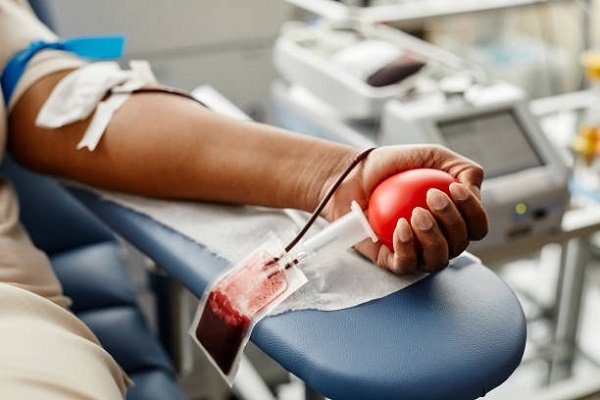
The call often comes at the worst possible moment. A mother is bleeding heavily after childbirth. A road crash victim has been rushed into surgery. A child with severe anaemia needs an urgent transfusion.
Then comes the message to relatives: “The patient needs blood. Find donors.”
Within minutes, family members begin making frantic calls, sending WhatsApp messages, and appealing on social media. Some race from one hospital to another in search of matching donors. Others simply pray that blood arrives before it is too late.
For many Ghanaians, this is their first encounter with a reality healthcare professionals know all too well-blood remains one of the country’s most critical and vulnerable healthcare resources.
Despite years of progress, experts say Ghana’s blood collection, storage, and transfusion system still faces significant gaps that affect access, quality, and safety. And in emergencies, those gaps can cost lives.
A system built out of necessity
For decades, hospitals across Ghana collected blood however they could because patients needed it. There was no law governing blood services. There was simply the urgent need to save lives.
It was only in 2020 that Parliament passed the Blood Service Act (Act 1042), establishing the National Blood Service (NBS) as the agency responsible for ensuring safe and adequate blood supplies nationwide.
Charity and philanthropy
According to Dr. Shirley Owusu-Ofori, Chief Executive Officer of the NBS, the law marked a major shift toward a coordinated national system. But reforming practices that evolved over generations remains a challenge.
The blood that is not there
One of the biggest weaknesses is Ghana’s continued dependence on family replacement donors. These are relatives and friends who donate blood only when someone they know requires a transfusion.
The preferred option, experts say, is a strong pool of voluntary, unpaid donors who donate regularly, allowing blood to be available before emergencies occur.
“The blood should be waiting when the emergency happens, not the other way round,” Dr. Owusu-Ofori said.
The numbers reveal the challenge.
The World Health Organization recommends that countries collect at least 10 units of blood per 1,000 people.
Ghana currently collects about 6.6 units per 1,000 population, an improvement from previous years but still well below the recommended threshold. Yet demand continues to rise.
An estimated 80 to 85 per cent of blood requests in Ghana are for emergencies, leaving little room for delays.
More than a bag of blood
Many people assume donated blood goes straight to a patient. It does not. Every unit must first be screened for infections such as HIV, hepatitis B, hepatitis C, and syphilis. It must then be processed, stored under strict temperature conditions, and transported safely.
Blood itself is not a single product. Red blood cells, plasma, and platelets all require different storage conditions and handling procedures.
Maintaining those standards requires specialized equipment, trained personnel, and continuous monitoring.
And that is where another challenge emerges.
The infrastructure gap
Across the country, some hospitals lack adequate blood storage facilities and the specialized equipment required to operate fully functional blood banks. Others depend on nearby facilities for supplies when emergencies arise.
While healthcare workers often improvise to meet patients’ needs, experts warn that blood safety cannot depend on improvisation.
Storage conditions, transportation systems, and quality controls must work every time.
A breakdown anywhere along the chain can compromise blood quality and patient safety.
Unequal access
Geography presents another challenge. For years, Ghana relied on three major blood centres in Accra, Kumasi, and Tamale to serve the entire country. The arrangement made blood collection and distribution across vast regions difficult and expensive.
To address this, the National Blood Service has established five regional blood centres in the Greater Accra, Ashanti, Northern, Volta, and Central regions.
More are planned.
But with 16 regions nationwide, large areas still remain underserved.
The result is uneven access to blood and blood products, particularly for facilities located far from regional centres.
Closing the regulatory gaps
The Food and Drugs Authority (FDA) says recent assessments have uncovered compliance challenges across the blood sector.
According to Dr. Edwin Nkansah, Director of Vaccine Vigilance and Clinical Trials at the FDA, gaps exist across the entire transfusion chain, from donor recruitment and testing to storage and transfusion practices.
To strengthen oversight, the FDA is embarking on a programme to regulate and license selected blood facilities across the country. The aim is not punishment, he stressed, but improvement.
Facilities will undergo audits, receive technical support, and be guided to meet approved standards.
The goal is simple: ensuring that blood transfused in any hospital meets the same safety requirements.
The missing link
For all the discussions about infrastructure, regulation, and accreditation, experts agree that the biggest solution lies with ordinary citizens.
Every unit of blood starts with a donor. Yet voluntary blood donation remains far below what the country requires.
Health officials estimate that if just one per cent of eligible Ghanaians donated blood regularly, shortages could be dramatically reduced.
That would mean fewer desperate appeals from hospital wards and fewer families scrambling for donors during medical emergencies.
A race against time
Ghana has made important strides in strengthening blood services. Collection rates are improving. Regulatory oversight is expanding. New regional centres are being established. Yet significant gaps remain.
And for the mother experiencing postpartum haemorrhage, the accident victim on the operating table, or the child awaiting a transfusion, those gaps are not statistics. They are the difference between life and death.
Until safe blood is available whenever and wherever it is needed, Ghana’s blood system will remain a critical work in progress—one whose success depends not only on regulators and hospitals, but also on the willingness of citizens to roll up their sleeves and donate.
Because when blood is missing, every second matters.- GNA