Profile
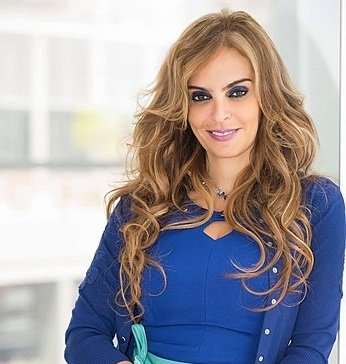
Inside the mesmerisng world of Merck Foundation’s Dr Rasha Kelej

- /home/u249204778/domains/spectator.com.gh/public_html/wp-content/plugins/mvp-social-buttons/mvp-social-buttons.php on line 27
https://spectator.com.gh/wp-content/uploads/2021/09/Dr.-Rasha-Kelej-1.jpg&description=Inside the mesmerisng world of Merck Foundation’s Dr Rasha Kelej', 'pinterestShare', 'width=750,height=350'); return false;" title="Pin This Post">
- Share
- Tweet /home/u249204778/domains/spectator.com.gh/public_html/wp-content/plugins/mvp-social-buttons/mvp-social-buttons.php on line 72
https://spectator.com.gh/wp-content/uploads/2021/09/Dr.-Rasha-Kelej-1.jpg&description=Inside the mesmerisng world of Merck Foundation’s Dr Rasha Kelej', 'pinterestShare', 'width=750,height=350'); return false;" title="Pin This Post">
Infertility is a global issue, but has serious psychological trauma and social stigma, especially on women in Africa.
In some cases, it ends up in verbal and physical abuses, violence in marriage and many times divorce. This is why infertility remains an issue in Africa that needs to be addressed.
One woman who is determined to change the lives of those affected by infertility is Egyptian Senator, Dr. Rasha Kelej. She is the first African woman to be the Chief Executive Officer, (CEO) of Merck Foundation, (one of the world’s most important foundations) who has kept her efforts going for the last 10 years.
Dr. Kelej has worked towards breaking down barriers when it comes to challenges women living with infertility in Africa face. In promoting healthcare intervention, garnering media support to help remove the stigma, and facilitating further education for girls, her efforts have ignited positive change on the continent.
Impact
Dr. Rasha Kelej is the brain behind the inspiring ‘More Than A Mother’ campaign – a rallying call against female infertility stigma – for which she was recognised as one of the Most Influential Africans of 2019 and 2020.
The campaign, one of the most successful causes that has been spearheaded by Merck Foundation, empowers childless and infertile women through access to information, health, change of mindset and economic empowerment.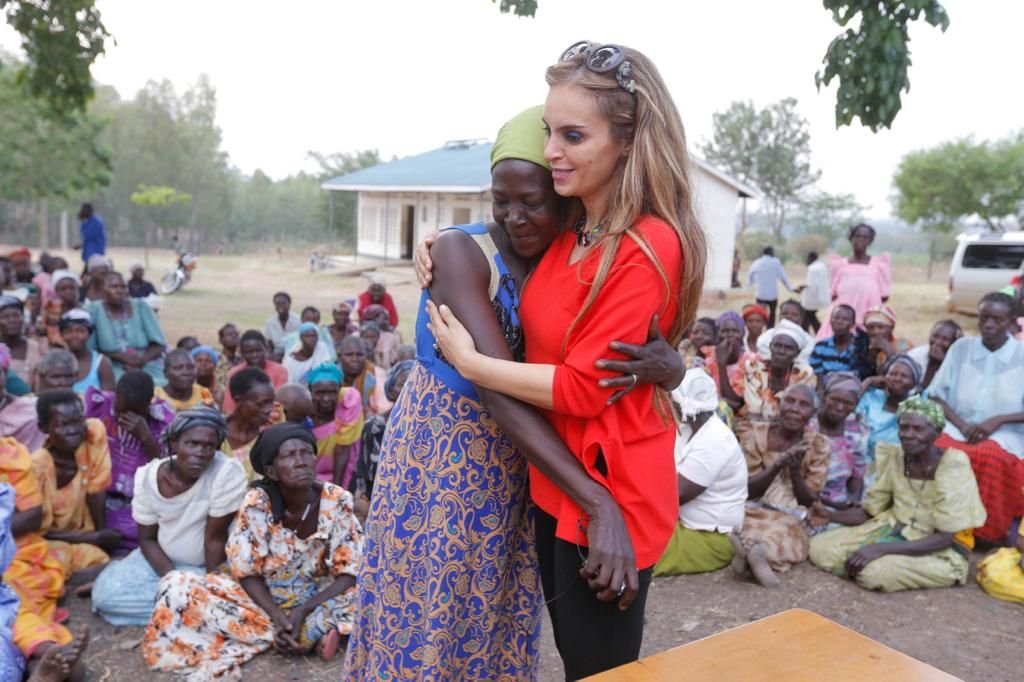
More than 20 African First Ladies, including Mrs Rebecca Akufo-Addo, have rallied behind the campaign as Ambassadors of “Merck Foundation More than a Mother,” which is very impressive. This campaign provides training for Fertility Specialists and Embryologists to build and advance fertility-care capacity in Africa, Asia and developing countries.
So far, Merck Foundation has provided specialist training to more than 180 local fertility specialists and embryologists, and more than 150 Sexual and Reproductive-care Specialists from Ghana and 36 other countries.
Under her headship 1,700 media representatives from Ghana and 29 other countries from Africa and Latin America were trained on how to report on such sensitive issues and raise awareness in their respective communities.
But that is not all! Dr Kelej has in her capacity as CEO of Merck Foundation, developed many other impactful programmes such as the Merck Foundation First Ladies Initiative (MFFLI), Merck Capacity Advancement Programme, Merck Cancer Access Programme, Merck Foundation Diabetes Blue Points Programme, and Merck STEM for women and youth, which Ghana was a beneficiary.
A role model
Senator Dr. Rasha Kelej was appointed by the President of The Arab Republic of Egypt as a member of the Egyptian Senate in 2020.
Lovingly called ‘Mama Africa’, Senator Kelej is an inspirational pioneer in transforming patient care in Africa. Over 1,300 doctors from 42 countries, including Ghana, have benefited from Merck Foundation scholarships of specialties training in critical fields.
“During Coronavirus pandemic, it has been more important than ever to build capacity and train specialised doctors. They may have a general practitioner, but no specialists. We simply made history in these countries such as The Gambia, Burundi, Guinea & Liberia,” she said this at one of the training programmes regarding the havoc COVID-19 has wreaked on the globe.
She has launched “I Can” Mentorship programme and “90 Minutes with Dr. Rasha Kelej” where, her knowledge and 27 years of experience can help in encouraging and guiding young Africans.
A style icon
Dr. Kelej is truly an African fashion icon and a champion of empowering fashion and art with purpose in Africa through supporting and mentoring potential new African fashion designers. She launches an annual competition through Merck Foundation for best design, song and film that carry messages to address sensitive social and health issues.
She has this for Africa and the rest of the world, “My vision is to develop a community of young African fashion designers in order to catalyse a movement whose reach extends far beyond just fashion. But to create a culture shift and be the voice of the voiceless in their communities.”
According to her, “Fashion industry has already got enough flaks for being superficial. Let’s change this perception and create a meaningful fashion trend to educate our communities.”
In the field of music, Senator Rasha has produced and directed an inspiring pan- African song called, ‘My White Army’ as her personal contribution to thank the doctors and nurses fighting on the front lines of the COVID-19 battle.
The song, featuring singers from 11 African countries, in three languages; Arabic, English and French, has received commendations across the continent. Moreover, 20 songs have been released with popular African musicians of which two Ghanaian artistes, Cwesi Oteng and Adina, took part.
“This is my passion, and I am inviting all musicians across Africa to contact me and work with us to make a change. I am eagerly waiting,” she says.
Advice
“Passion, dedication, consistency, hardwork, strategic thinking, flawless execution, and close follow-ups are the key components to success, along with the ability to network and communicate rightly with the partners. Honesty and trust are also required to be able to succeed in such a field.
“Believe in yourself, work hard and never allow anyone to get you down. Put your heart, mind and soul into everything you do. And when you make it, do not forget to support others around you,” she adds, to drum home the need for the succesful individuals to help those who are in dire need of help or support.
What next?
She is planning to start two important projects pretty soon.
“I will begin production of a TV programme directed at African countries to unearth their fashion talents, and also start my own fashion line targeting Africa, through which I will cooperate with new talented designers from time to time to spread community awareness in rural African communities. It is not only my hobby, but it is also part of my personal contribution towards my beloved Africa.”
With these creative initiatives, Senator Dr. Rasha Kelej is cementing her position in African pop culture and has truly become one of Africa’s unsung ‘sheroes’ of women empowerment and health advocates.
By Edem Mensah-Tsotorme


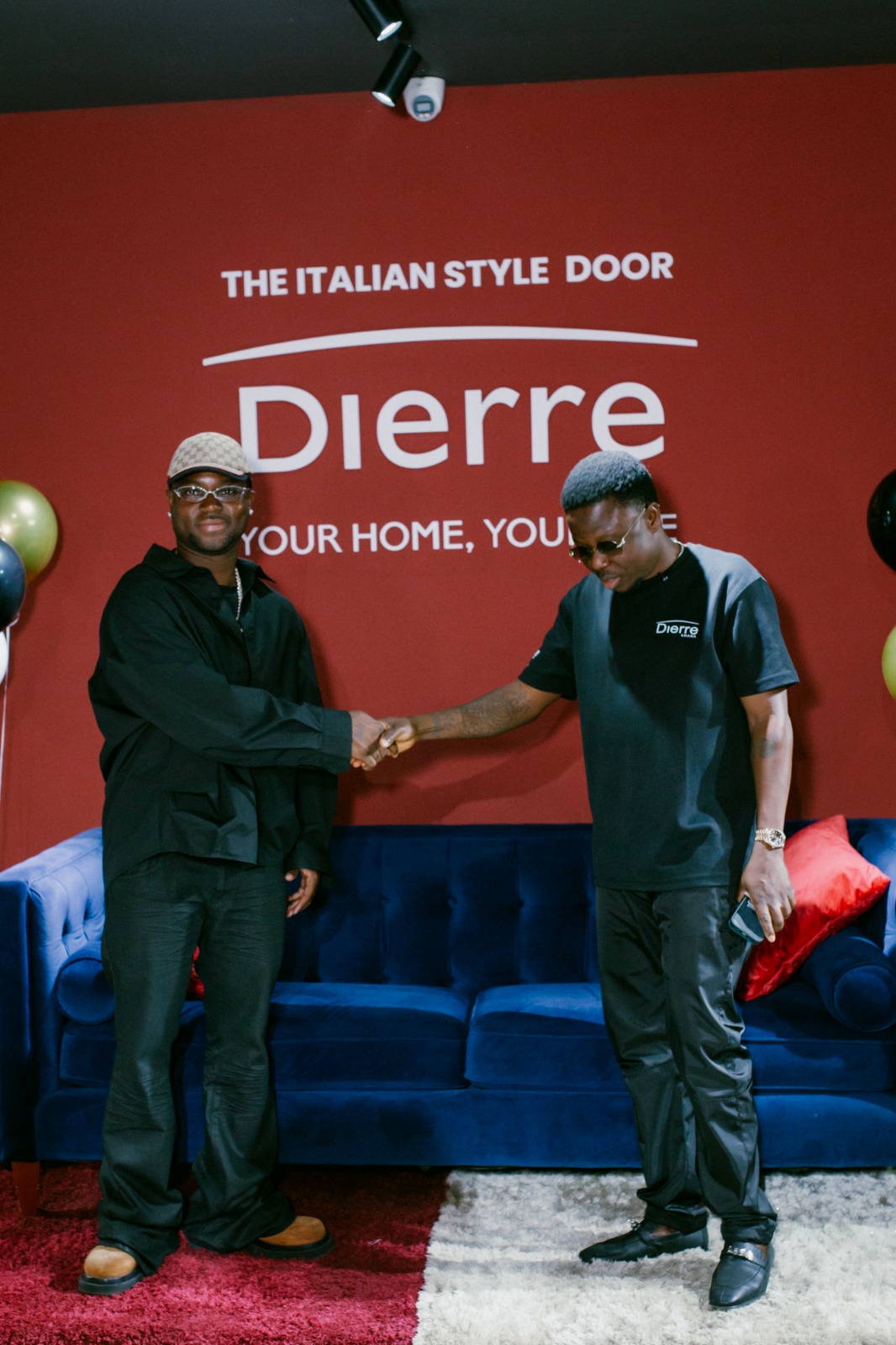
Italian premium security door manufacturer Dierre S.p.A. has named award-winning Ghanaian Afrobeats and Highlife artiste King Promise (Gregory Bortey Newman) as the face of its new Ghana and West Africa marketing campaign.
The partnership, managed by Regiments Management Company Limited, forms part of Dierre’s efforts to strengthen its presence in the West African market.
The two-week campaign, themed “Secure What Matters,” will run across digital, outdoor and influencer platforms, with King Promise featuring in a campaign film showcasing Dierre’s Prestige and Synergy security door ranges.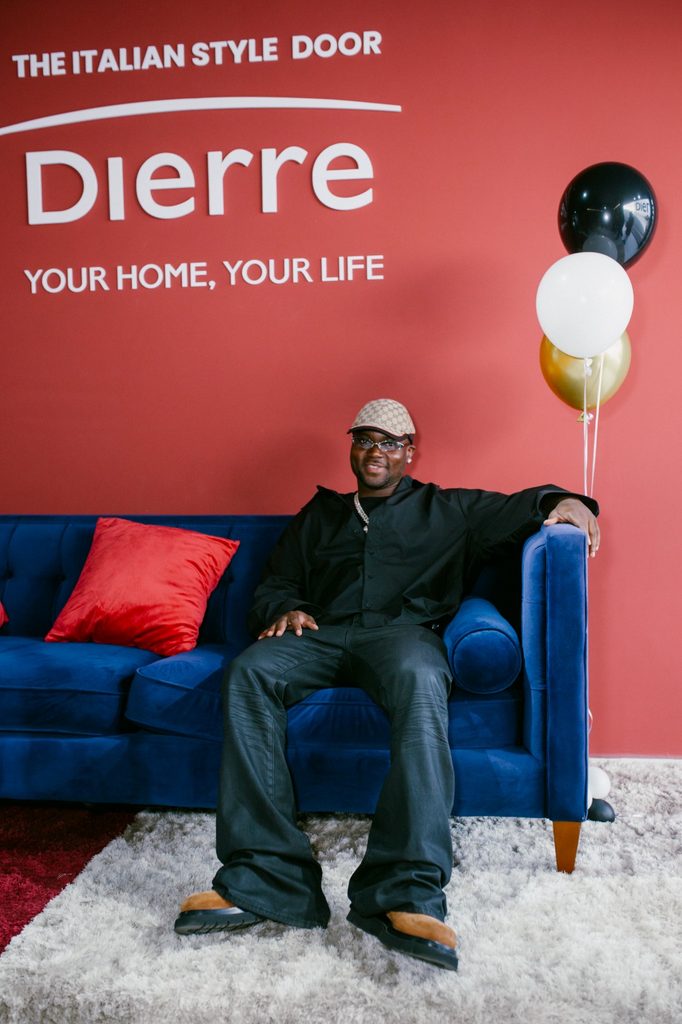
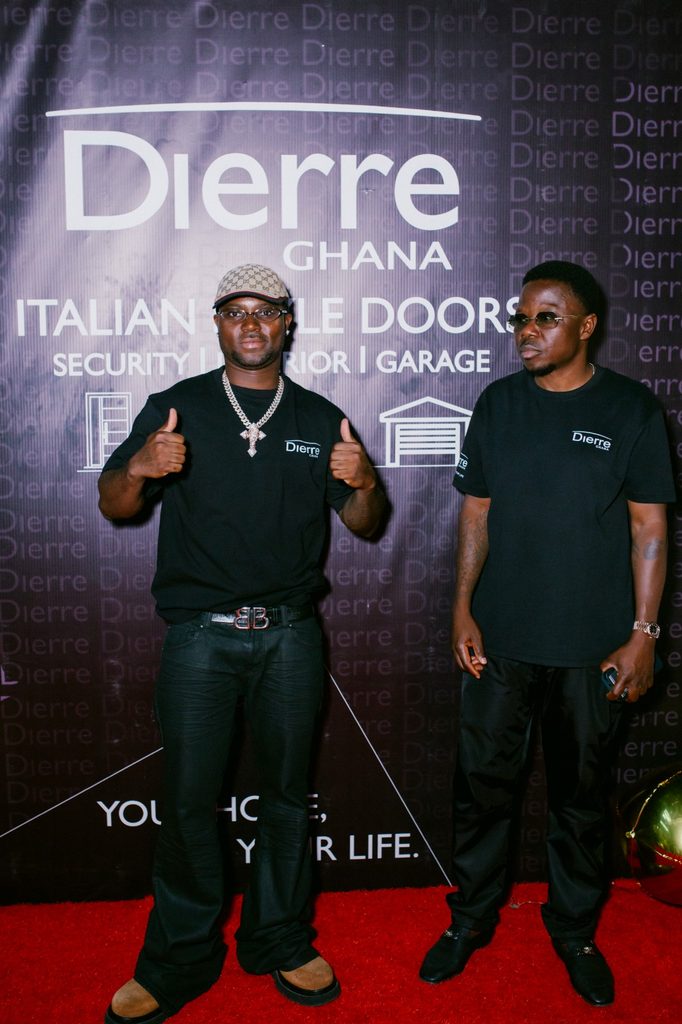
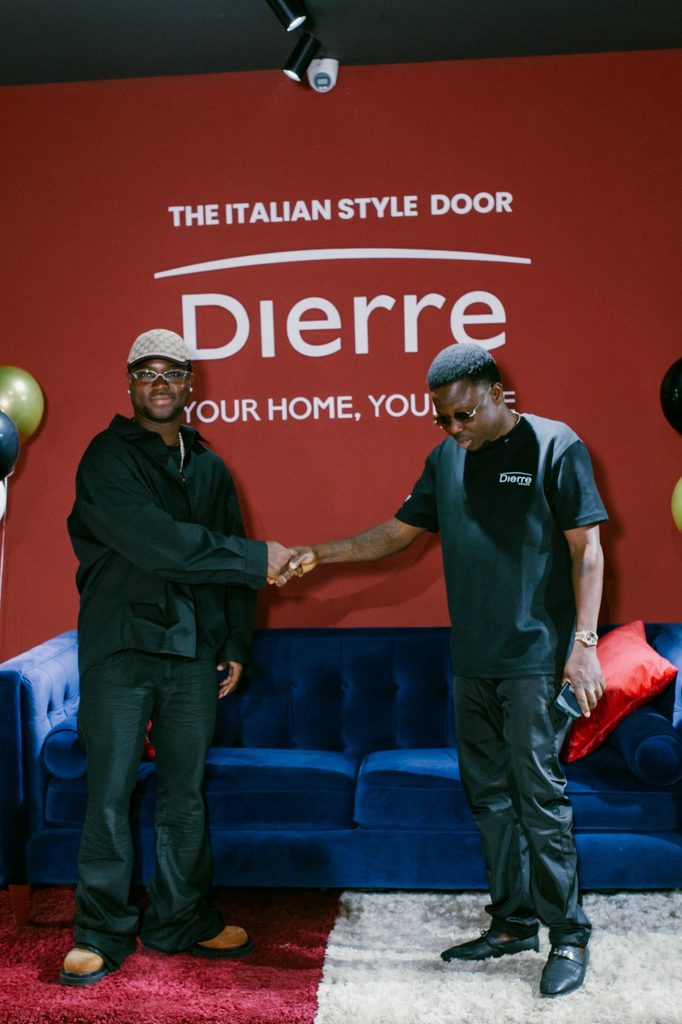

“Home is everything. It is where you protect the people and things that matter most. Dierre builds doors that reflect exactly that security, quality and style without compromise. I am proud to represent a brand that stands for those values,” King Promise said.
Founded in Italy, Dierre is a global manufacturer of armoured security doors, interior doors and fire-protection systems. Its products carry international anti-burglary certifications across Classes 3, 4 and 5, with the company producing hundreds of thousands of doors, locks and safes annually.
King Promise is one of Ghana’s leading Afrobeats and Highlife artistes, known for his distinctive sound, international collaborations and growing global audience.
The partnership combines Dierre’s security and design expertise with King Promise’s influence in contemporary African music and culture, as the brand expands its consumer engagement in Ghana and across West Africa.
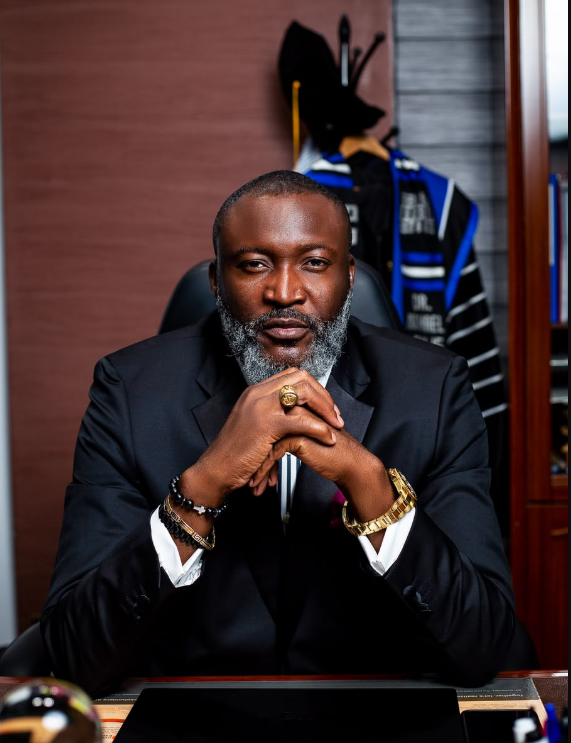
From humble beginnings to building an enterprise with global ambitions, Michael L. Bartlett-Vanderpuye’s journey is a story of discipline, independence, resilience and the belief that businesses should be built to outlive their founders.
Long before he became the Group Chairman of M&C Group, Michael L. Bartlett-Vanderpuye was building from modest beginnings.
His entrepreneurial journey did not start in a sophisticated corporate office or with a large team behind him.
At one stage, he was working from his room with limited resources, focused on turning an idea into a viable business.
That beginning became an important part of his philosophy: build the business first, then let the infrastructure grow with it.
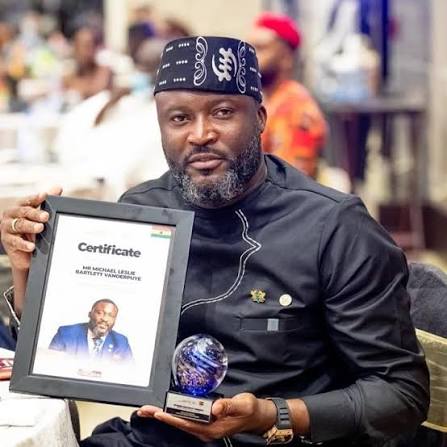
Michael’s early experiences shaped his determination to become an entrepreneur. After university and periods of professional employment, including banking, accounting, marketing, packaging and logistics, he developed a deeper understanding of how businesses operate and how different industries connect.
His exposure to mining advisory work, property and other commercial opportunities broadened his perspective and helped him identify opportunities beyond a single sector.
But the journey was far from easy.
He recalls the uncertainty of sending proposal after proposal without knowing which one would eventually open a door.
Even after establishing an office in East Legon, some people assumed he was working for someone else because they could not imagine that the business belonged to him.
The confidence and corporate presence associated with success today were built through years of uncertainty, rejection, experimentation and persistence.
His evolution from working out of a room to leading M&C Group reflects a broader philosophy that has guided his business life: do not build an image before you build the substance.
For Michael, entrepreneurship is not simply about owning a company. It is about learning how to turn knowledge, relationships, opportunities and resources into sustainable value.
He believes professionals in every field can develop an entrepreneurial mindset by creating assets, building networks, investing in opportunities and developing additional sources of value alongside their careers.
That philosophy has influenced the way he approaches business expansion. Rather than viewing companies as isolated entities, Michael sees opportunities to create connections between industries, people and services.
Strategic partnerships, in his view, can create greater value than treating every other business as a competitor.
His approach has also been shaped by research and international exposure. He argues that entrepreneurs must understand the markets they enter rather than simply copy businesses they see succeeding elsewhere.
Behind every successful enterprise, he believes, are structures, regulations, relationships, research and decisions that may not be immediately visible from the outside.
As his business interests have grown, so has his ambition. M&C Group represents a significant chapter in that evolution, reflecting his drive to build an enterprise that extends beyond a single venture.
His vision is rooted not merely in personal wealth, but in creating businesses capable of generating employment, developing people, building partnerships and contributing to the wider economy.
Michael is particularly concerned about the role of the private sector in addressing unemployment and creating sustainable opportunities. For him, a successful business should ultimately do more than enrich its owner. It should employ people, develop skills, support suppliers and create opportunities that extend beyond the founder.
That long-term perspective is central to his understanding of success.
He is cautious about equating visibility with achievement. In an age where social media can make a business appear larger than it is, Michael believes the real measure of an enterprise lies in its systems, customers, assets, operations and results. The brand should be supported by substance.
His personal journey has therefore become a lesson in patience and discipline. The man who once had to convince people that the business was actually his now speaks about building systems, protecting capital, understanding markets and thinking beyond the immediate reward.
And his ambitions do not stop with the present generation.
Michael describes legacy as something that should extend beyond his children to future generations. His objective is to build something sustainable-something that can continue creating value after he is no longer at the centre of it.
From a modest room and limited resources to the boardroom and the development of a growing business group, Michael L. Bartlett-Vanderpuye’s story is ultimately about building before displaying, learning before expanding and creating something designed to last.
His journey is a reminder that global ambition does not necessarily begin with global resources. Sometimes, it begins with little more than an idea, discipline, persistence and the willingness to start where you are. – MyStoryMagazine