Nutrition
The First 1,000 Days: Why Ghana’s investment in maternal and child nutrition matters for human capital development

- /home/u249204778/domains/spectator.com.gh/public_html/wp-content/plugins/mvp-social-buttons/mvp-social-buttons.php on line 27
https://spectator.com.gh/wp-content/uploads/2026/02/Children-need-special-attention.jpg&description=The First 1,000 Days: Why Ghana’s investment in maternal and child nutrition matters for human capital development', 'pinterestShare', 'width=750,height=350'); return false;" title="Pin This Post">
- Share
- Tweet /home/u249204778/domains/spectator.com.gh/public_html/wp-content/plugins/mvp-social-buttons/mvp-social-buttons.php on line 72
https://spectator.com.gh/wp-content/uploads/2026/02/Children-need-special-attention.jpg&description=The First 1,000 Days: Why Ghana’s investment in maternal and child nutrition matters for human capital development', 'pinterestShare', 'width=750,height=350'); return false;" title="Pin This Post">
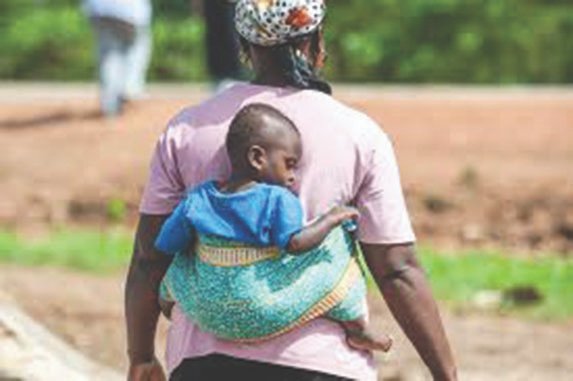
From the start of pregnancy to a child’s second birthday, the first 1,000 days, represents the most important window for human development. Good nutrition shapes the foundation.
During this short window, the body and brain grow at a pace that will never be repeated. When nutrition is inadequate, the damage to physical growth and cognitive development is often permanent. No later investment in education or healthcare can fully reverse these losses. Ghana’s future workforce and economic progress depend on getting nutrition right during this critical period.
Science is clear. A baby’s brain develops rapidly during pregnancy and early childhood, forming the foundation for all future learning and health. Adequate nutrients during pregnancy support the formation of neural connections that underpin learning, memory, and emotional regulation. When pregnant women lack essential nutrients, their babies begin life at a disadvantage. When young children experience severe malnutrition, they miss critical growth periods that do not return.
Ghana faces serious challenges during this critical window. An estimated 68,517 children suffer from severe acute malnutrition. Between 37 and 63 percent of pregnant women are anemic, with iron deficiency particularly common in late pregnancy. These problems translate directly into diminished potential. Malnourished children perform worse in school, earn less as adults, and face higher risks of chronic diseases. The economic losses multiply across generations.
Research worldwide shows that nutrition investments during the first 1,000 days deliver exceptional returns. Well-nourished children learn better, perform better academically, and become more productive adults. Countries that invest in early nutrition experience faster economic growth through stronger, more productive workforces.
Ghana already has effective solutions. Multiple Micronutrient Supplements for pregnant women reduce the risk of low birth weight and preterm birth, while Ready-to-Use Therapeutic Food enables high recovery rates for children with severe acute malnutrition. Both are approved in Ghana’s health guidelines. The problem is not lack of knowledge but lack of access. Coverage remains limited because financing depends heavily on donor support rather than sustainable domestic systems.
Integrating these nutrition interventions into the National Health Insurance Scheme would help close this gap. With a large proportion of mothers and young children already enrolled, NHIS provides a platform for nationwide reach. Recent reforms to health financing further strengthen the case for prioritising essential nutrition services within the scheme.
Ghana’s development agenda emphasizes industrialisation, innovation, and economic transformation. Achieving these goals requires a workforce capable of learning, problem-solving, and sustained productivity. Human capital development, however, does not begin at universities or training centers. It begins before birth.
The first 1,000 days offer no second chances. Each year of delay means another group of children enter adulthood carrying preventable disadvantages. Investing in nutrition during this critical window is not only a health priority; it is a foundational investment in Ghana’s economic future.
Feature article by Womec, Media and Change under its Nourish Ghana: Advocating for Increased Leadership to Combat Malnutrition project
Join our WhatsApp Channel now!
https://whatsapp.com/channel/0029VbBElzjInlqHhl1aTU27


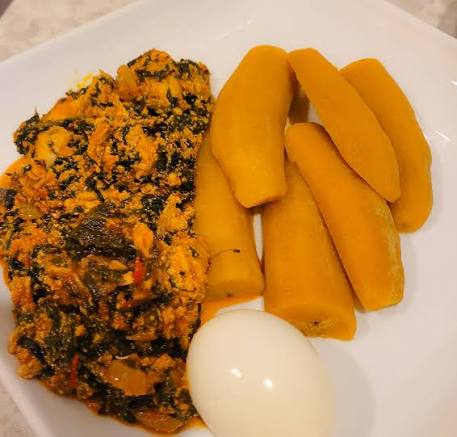
Ingredients
-Cocoyam leaves (Nkontomire)
-Palm oil
-Ripped Plantain
-2 Large smoked salmon
-1 cowhide (wele)
-1 cup of Egusi
– Momoni
-3 fresh eggs
-2 large onions
-2 large tomatoes
-Pepper
-Ginger
-Garlic
Method
-Wash cocoyam leaves thoroughly under running water
-Cut cocoyam leaves into stripes and wash for the second time
-Blend tomatoes, onion, pepper, ginger, and garlic together
-Put sauce pan on fire and heat palm oil
-Add blended ingredients and allow to cook for about 5 minutes
– Wash salmon, wele and cut into cubes and add to stew
-Add salt
-Add eggs to egusi in a bowl to form paste and add it to stew
-Add to stew and allow to simmer for seven minutes
-Add cocoyam leaves to stew and allow it to cook for sometime
-Wash, peel plantain and cut into shapes
-Cook for some time (Pour water out and serve with stew)
By Linda Abrefi Wadie
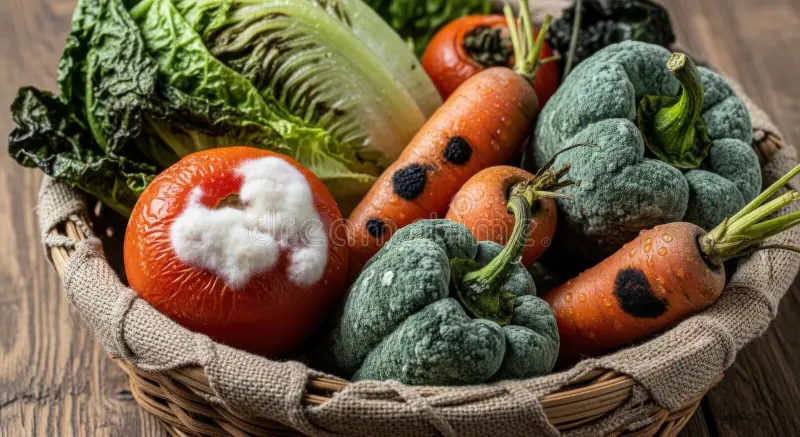
Every year, Ghana produces thousands of tonnes of nutritious food but a significant share of it never reaches a plate. Fruit spoils before it’s sold. Vegetables rot in transit. Grains are ruined by poor storage. Conversations about nutrition often focus on growing more food but reducing what’s lost or wasted after harvest may be one of the fastest ways to improve food security and nutrition, without farming a single extra acre.
The cost of losing nutritious food
Fresh fruit and vegetables spoil the fastest, and without adequate storage, cooling, or transport, farmers are often forced to sell at rock-bottom prices or watch their harvest go to waste. That squeezes farmers’ incomes and shrinks the supply of nutritious food reaching local markets. As supply falls, prices rise, pushing healthy food further out of reach for the low-income households that need it most.
Nutrition begins beyond the farm gate
Cutting post-harvest losses means more nutritious food reaches families without needing more farmland or higher yields. When tomatoes, mangoes, and leafy greens are preserved through better storage, drying, or processing, they stay available and affordable for longer. Better handling also protects nutritional quality itself, so the vitamins and minerals in food aren’t lost before it ever reaches a consumer.
Supporting farmers supports nutrition
Many farmers still lack access to storage facilities, cold chains, processing equipment, and reliable transport. Strengthening these systems is a win on both ends: farmers earn more from what they grow, and households gain more affordable access to nutritious food. Local processing, such as turning surplus fruit into juices, dried fruit, or purees, can extend shelf life and cut waste even further.
What needs to change?
Reducing food loss takes coordinated action:
• Government: invest in rural roads, storage infrastructure, irrigation, and agricultural extension services.
• Private sector: expand cold storage, food processing, and distribution networks.
• Research institutions: keep developing better post-harvest preservation technology.
• Consumers: plan meals, store food properly, and make safe use of leftovers.
Looking ahead
As Ghana works to tackle malnutrition in all its forms, cutting food loss deserves a place at the top of the agenda. Growing more food matters, but making sure the food already grown actually reaches families, safely and affordably, matters just as much.
Every basket of tomatoes saved, every crate of mangoes preserved, and every bag of grain protected from spoilage adds up to better nutrition, stronger livelihoods, and a more resilient food system for the future.
Feature article by Women, Media and Change under its Nourish Ghana: Advocating for Increased Leadership to Combat Malnutrition project