News
Controversy over use of local language as medium of instruction from KG to Primary 3


A new policy from the Ministry of Education (MoE) about the compulsory use of Ghanaian languages as the medium of instruction in basic schools has stirred controversy among the populace, especially parents.
The announcement, made last month by the Minister of Education, Haruna Iddrisu, aims to improve foundational learning and preserve Ghana’s rich linguistic heritage.
The move has been welcomed by some parents, applauding the efforts to keep the local language alive and help children learn and speak them. However, several concerns have been raised in opposition, forcing the ministry to clarify certain parts that seemed not to have been understood.
While some welcomed the move, citing better comprehension and cultural connection for young learners, others raised concerns about its practicality in diverse classrooms.
In a swift reaction, the MoE, through its Deputy Minister, Dr. Clement Apaak, clarified that the new directive issued by the sector minister was strictly limited to the earliest stages of basic education and does not extend across all levels.
In separate interviews conducted by The Spectator, parents remained divided on the policy and proffered diverse solutions to ensure its effectiveness.
“My daughter speaks Twi at home, so learning in Twi will help her grasp concepts faster,” said Mrs. Efia Asante, a mother of two. In her view, since her daughter already has a good grasp of the Twi language, it would be easier for her to understand the teachers.
Mrs. Rebecca Asare told The Spectator she shares the ministry’s explanation, saying that it is important to adopt measures that encourage young children to speak the native languages.
In sharp contrast, Mr. Albert Agyekum from Ablekuma commended the idea but questioned: “Can one teacher speak all the languages in a diverse classroom?”
Mr. Amoako Mark, whose child attends a school without a Ga teacher, wondered how his ward, who speaks only the Ga language, would cope under such circumstances.
Nii Amui also questioned how teachers in a class with children speaking different languages would manage if they cannot speak more than one local language.
Other parents also raised issues about regional language adaptation. Miss Eliza Vikporho argued that children naturally learn the dominant language of their environment. “If you live in the Volta Region, you learn Ewe. That’s how it has always been. Why make it compulsory?” she asked.
Still, others believe the policy could foster unity and elevate lesser-known Ghanaian languages.
By Beatrice Wonovi Kpeglah
Join our WhatsApp Channel now!
https://whatsapp.com/channel/0029VbBElzjInlqHhl1aTU27

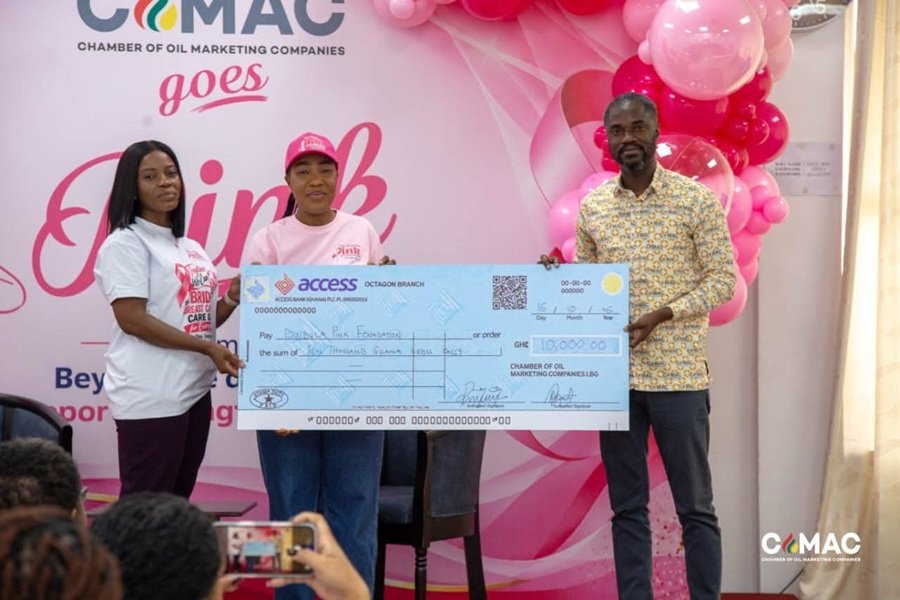
Breast cancer survivors have urged women to prioritise regular breast examinations and seek medical attention promptly when they notice unusual changes, while calling on the public to support people living with the disease instead of stigmatising them.
They made the call at a breast cancer awareness programme organised by the Chamber of Oil Marketing Companies (COMAC) in partnership with the Dzidula Pink Foundation at the Ghana Institute of Management and Public Administration (GIMPA) last Friday.
The programme, dubbed COMAC Goes Pink, was held under the theme, “Beyond the diagnosis: Support, strength and hope,” to promote early detection, educate the public about breast cancer and highlight the emotional and social support needed by patients and survivors.
You can now read the Ghanaian Times and The Spectator newspapers from the comfort of your device via Read More.
By Esinam Jemima Kuatsinu
SKIP THE QUEUE, TAP THE NEWS
You can now read the Ghanaian Times and The Spectator newspapers from the comfort of your device via TimesNewsPlus.
Join our WhatsApp Channel: https://whatsapp.com/channel/0029VbBElzjInlqHhl1aTU27
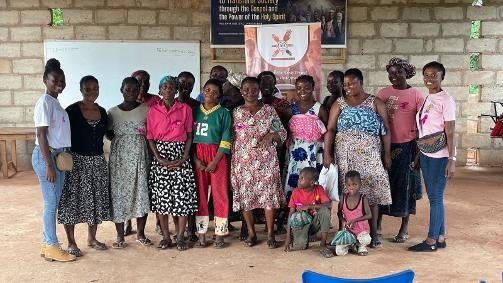
AJ’s Help the Needy Project (AJHTNP), a community-based organisation, has held a breast cancer awareness and sensitisation programme dubbed ‘The Pink Talk’ for residents of Nyansi-Camp in the Okere District, aimed at promoting breast health awareness and encouraging early detection of breast cancer.
The programme, held last Sunday, coupled with free breast screening, was to provide participants with an opportunity to learn about breast cancer, understand the importance of early detection, and take proactive steps towards safeguarding their health.
This second edition of the Pink Talk was on the global theme “Every story is unique, every journey matters.
Speaking at the event, health officer, Miss Rebecca Ofosu educated participants on breast self-examination, highlighting the signs and symptoms of breast cancer and demonstrating how individuals can regularly examine their breasts at home.
She also conducted thorough breast screenings for participants, encouraging them to seek prompt medical attention whenever they noticed unusual changes in their breasts.
“Don’t stay home if you see any changes in or on your breast. Kindly visit the hospital for further examination. Early detection can help save lives,” she advised. Read More.
SKIP THE QUEUE, TAP THE NEWS
You can now read the Ghanaian Times and The Spectator newspapers from the comfort of your device via TimesNewsPlus.
Join our WhatsApp Channel: https://whatsapp.com/channel/0029VbBElzjInlqHhl1aTU27