Profile
Survival to service: Margaret Odame Donkor the breast cancer preacher


- /home/u249204778/domains/spectator.com.gh/public_html/wp-content/plugins/mvp-social-buttons/mvp-social-buttons.php on line 27
https://spectator.com.gh/wp-content/uploads/2025/10/Magaret-1-600x600.jpg&description= Survival to service: Margaret Odame Donkor the breast cancer preacher', 'pinterestShare', 'width=750,height=350'); return false;" title="Pin This Post">
- Share
- Tweet /home/u249204778/domains/spectator.com.gh/public_html/wp-content/plugins/mvp-social-buttons/mvp-social-buttons.php on line 72
https://spectator.com.gh/wp-content/uploads/2025/10/Magaret-1-600x600.jpg&description= Survival to service: Margaret Odame Donkor the breast cancer preacher', 'pinterestShare', 'width=750,height=350'); return false;" title="Pin This Post">
A ‘trotro’ bus heading to Nsawam was filled with the usual sounds from conversations, music, and sometimes a preacher delivering a message.
But when Margaret Odame Donkor rises to speak, she does not preach salvation or sell herbal remedies. Instead, she shares her journey as a breast cancer survivor, urging passengers to examine their breasts regularly, seek medical help early, and never lose hope.
Her pulpit is not a church, but the crowded minibuses of Ghana’s public transport system. Her message is not about repentance, but about survival.
She urges women to check their breasts regularly, encourages men to support their wives during health challenges, and reassures everyone listening that a cancer diagnosis is not the end of life.
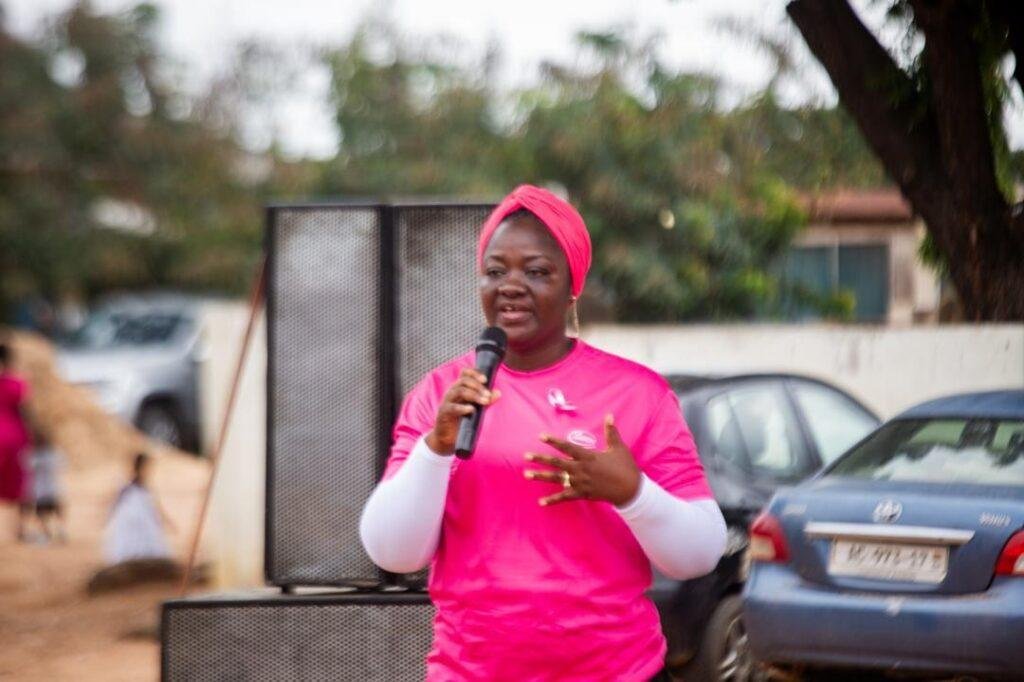
For Margaret, creating awareness is more than a duty-it is a calling born out of personal pain, fear, and triumph.
Her words carried weight because they come from lived experience.
At age 48, Margaret has walked through the valley of fear and pain, battled stage three invasive carcinoma, and emerged not just a survivor but an advocate determined to educate others.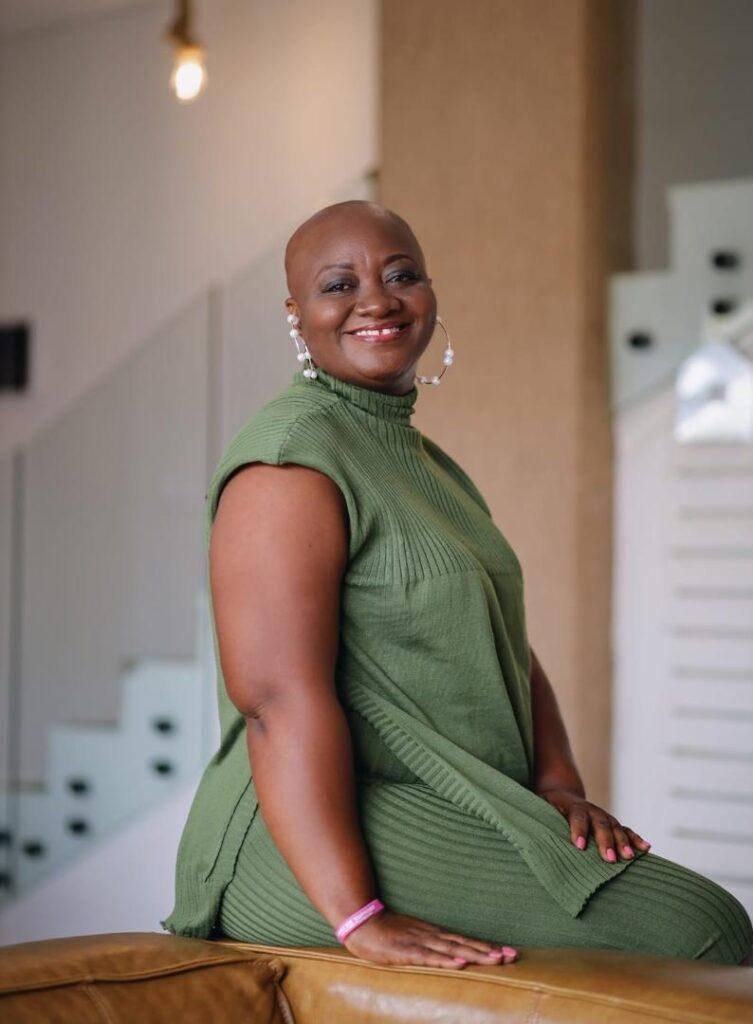
Cancer journey
Margaret’s encounter with breast cancer stretches back decades. At 22, she discovered a lump in her left breast. It was removed and declared benign. Relieved, she skipped regular checks and moved on. Then in 2021, the lump reappeared—this time spreading toward her armpit.
At a church screening in October 2022, doctors detected suspicious lymph nodes. Further tests confirmed her worst fear: stage three invasive carcinoma.
“It wasn’t easy,” she recalls softly. “But my faith in God kept me strong. My husband, children, family, friends, and colleagues formed an army behind me. Their prayers, visits, and encouragement gave me the courage to fight.”
“Be grateful every day because you never know what tomorrow may bring. No one has it all, but with love and support, you can endure,” she stated.
Her greatest fear remains recurrence and not living long enough to see her children graduate and become the people she dreams for them to be.
Before cancer disrupted her life, Margaret had found purpose in interpretation. In 2020, a friend spotted a Judicial Service vacancy and encouraged her to apply. After years of unsuccessful attempts at government jobs, she was reluctant, but she tried once more. This time, she succeeded and was posted to the Eastern Region, her home.
Today, she works at the Nsawam District Court, one of the busiest in the area. On a typical day, she arrives at 7:30am, prepares dockets, and confers with magistrates. She interprets proceedings in Twi, Ga, Hausa, and occasionally Ewe, ensuring that justice was accessible to all.
Her role is demanding. Cross-examinations require her to switch quickly between English and local dialects, while marriages often call for interpreting vows in couples’ preferred languages. Still, she thrives. “The registrars and magistrates I’ve worked with have been amazing. They make the environment very comfortable,” she stated.
Beyond the courtroom, Margaret is also an entrepreneur. In 2017, she founded Nubreed Décor, an events decoration business born from her childhood love for beautifying spaces. She recalls cutting paper decorations as a child and helping her cousin rent out chairs and decorate venues.
Balancing décor with court work was tough, and her health struggles after surgery made it even harder. Radiation left her with persistent rib pain, forcing her to slow down. “Now I hire more hands, which makes business expensive, but it helps me achieve my goals,” she explained.
Her biggest challenge as an entrepreneur remains finance. “The event industry is huge, but I have to work at my own pace and focus on my niche,” she admited.
Cancer changed how Margaret values people and relationships. She learned that those you least expect often become your strongest supporters. She urges families to stand by patients with prayers, encouragement, and financial support, reminding society that a cancer diagnosis is not the end of life.
Her advocacy extends beyond awareness talks. She dreams of establishing a counselling centre for young people and hopes Ghana will expand access to mammograms and radiotherapy centres. “Every patient deserves a chance at survival,” she said firmly.
She urged the youth to live peacefully and be their brother’s keeper, learn to be content and rely on God.
To women, she asserted that, “love yourselves and make breast checks routine while calling on Ghanaians to be open-minded, avoid being judgmental, and show love.
By Esinam Jemima Kuatsinu

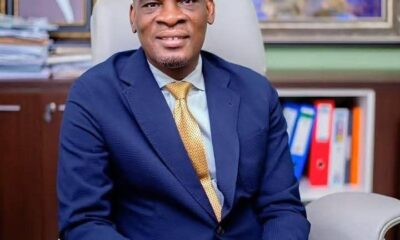





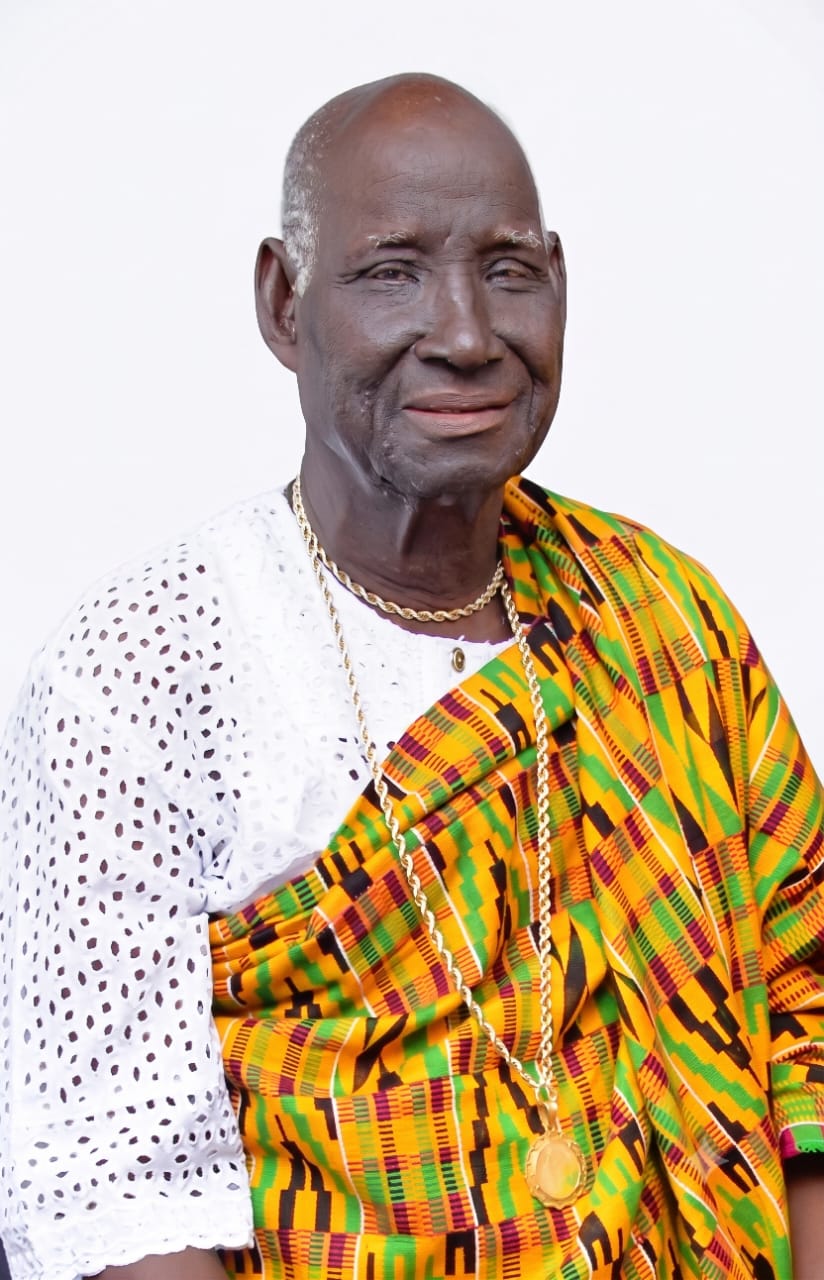
At 100, Charles Baako Moses is more than a centenarian. He is a living witness to a century of Ghana’s history and a man whose life has been defined by faith, leadership, enterprise and service.
As he celebrates this extraordinary milestone, the General Overseer of The Holy Church of God looks back on a remarkable journey that has touched generations and contributed to the growth of an enduring religious institution.
His story is one of longevity, but more importantly, it is a story of impact.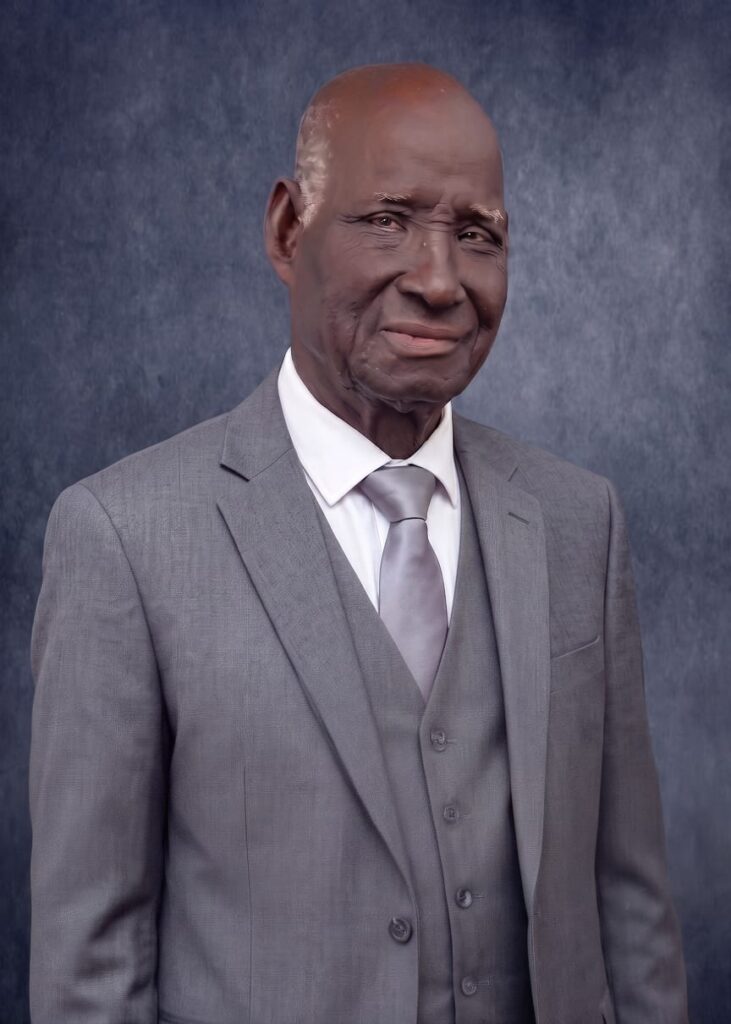
Born in 1926 at Saltpond, Mr Moses was the son of Ghana’s first African Director of Prisons. At the age of seven, his grandmother took him to Accra, where he spent part of his childhood and played football at Mabona in James Town.
His life has also been intertwined with some of the defining moments in Ghana’s history. In 1939, as a young boy, he experienced the earthquake that shook parts of the country. Years later, on March 6, 1957, he was among schoolchildren who marched at the Old Parliament House to mark Ghana’s independence.
One of the defining chapters of Mr Moses’ life is his role in establishing The Holy Church of God at Parakuo Estates, Dome.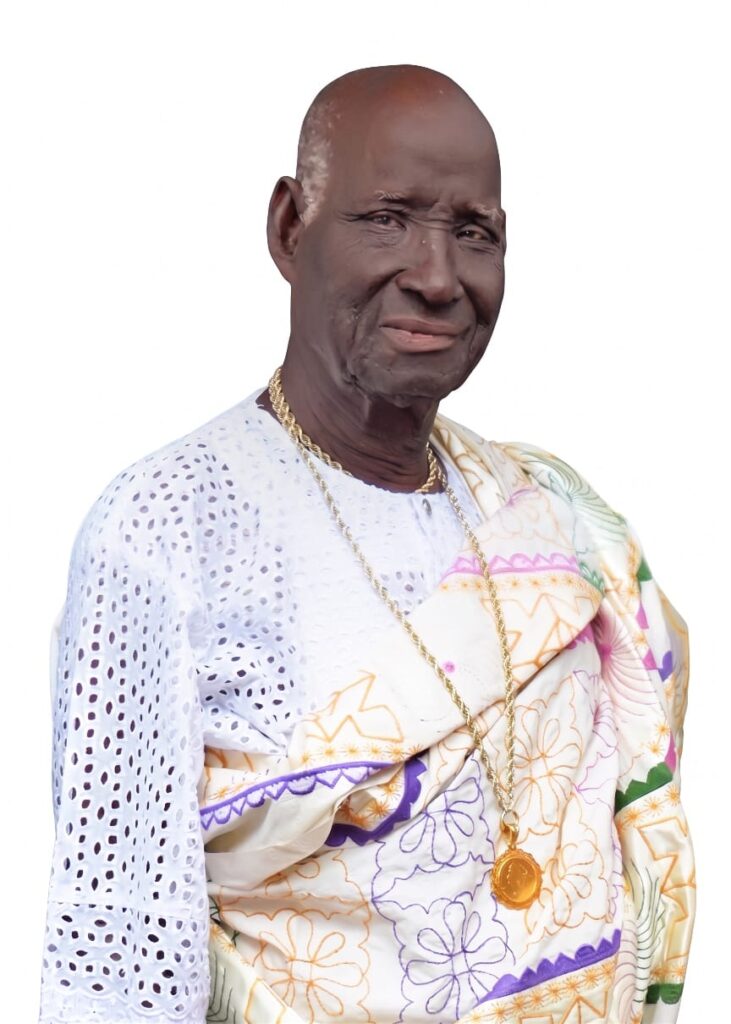
Together with his father, he helped build the fellowship from its formative years into an institution that would stand the test of time.
The fellowship attracted a number of prominent personalities in Ghana’s political history, including Ako-Adjei, Gbedemah, Dr Kwame Nkrumah and Victor Owusu.
Their association with the fellowship reflected the important role religious institutions played in Ghanaian society, particularly during the country’s formative years.
The Holy Church of God celebrated its 70th anniversary last year, marking seven decades of worship, service and community life.
For Mr Moses, the longevity of the church represents more than an institutional achievement. It is the fulfilment of a vision nurtured through years of commitment, sacrifice and perseverance.
Long before becoming General Overseer, Mr Moses was already combining faith, education and enterprise. He founded evening classes and taught, while also preaching from village to village with a lamp and a bell at nine o’clock every night.
He also helped establish a Baptist church and ventured into agriculture, planting cocoa, plantain and coconut. His entrepreneurial spirit later saw him build a juice business using oranges from his own farm.
As General Overseer, Mr Moses has provided steady leadership to the church, guiding both its spiritual and administrative affairs.
His leadership has been shaped by experience, discipline and a strong sense of responsibility. Over the years, he has nurtured generations of church members and leaders, helping to preserve the institution’s values while guiding it through changing times.
His wisdom and humility have earned him respect, while his perseverance has enabled him to remain committed to the institution he helped build.
Mr Moses’ contribution extends beyond religious leadership. He has also distinguished himself through entrepreneurial activities in transport, agribusiness and manufacturing.
His involvement in these sectors demonstrates his appreciation of enterprise and the importance of creating opportunities through productive economic activity.
His entrepreneurial vision has added another dimension to a life already marked by spiritual and institutional leadership.
Mr Moses has devoted his lifetime to faith, family and community service and development. He is also regarded as a mentor and role model to many, as well as a life coach, researcher, philanthropist and humanitarian.
Through his philanthropic activities, many people have experienced what his profile describes as new life, salvation and hope.
He is a family man and a father of seven children, adding family to the institutions and communities that have benefited from his lifetime of leadership and service.
Mr Moses’ contribution to leadership and institutional development has also received academic recognition.
He holds an Honorary Master of Business Administration (MBA) from Cambridge International College (CIC), an honour recognising his contributions to leadership and institutional development.
Turning 100 is a rare achievement, but Mr Moses’ centenary carries added historical significance because his life has unfolded alongside major chapters in Ghana’s development.
He has witnessed the country move from colonial rule to independence and through decades of political, social, economic and technological transformation.
His association with personalities such as Dr Kwame Nkrumah, Ako-Adjei, Gbedemah and Victor Owusu places aspects of his personal journey within Ghana’s broader national history.
His life therefore offers younger generations an opportunity to appreciate how much society has changed and to learn from the values that enabled his generation to build institutions under very different circumstances.
Over the years, he has provided spiritual and administrative leadership to generations of believers, pursued business interests across several sectors and remained committed to family and community.
His centenary is not only a personal celebration but also a celebration of an institution and generations of people whose lives have been influenced by his example.
For the younger generation, Mr Moses’ centenary also comes with a message shaped by a lifetime of experience.
He advises the youth to listen to their parents, noting that their guidance comes from experience, love and a desire to see them succeed. He urges young people to remain disciplined, work hard, value education and surround themselves with positive influences.
“The choices you make today will shape the future you enjoy tomorrow,” he counsels.
Charles Baako Moses enters his second century with a legacy firmly established.
His centenary is also marked by another honour, as he is set to receive an Honorary Doctor of Humane Letters (Honoris Causa) and have his name included in the institution’s Hall of Fame, further recognising a lifetime of faith, leadership and service.
By Spectator Reporter
Thousands of tiny glass seed beads, carefully stitched by hand onto an old, weathered jute sack, tells a story that goes beyond art. They speak of patience, resilience and a belief that beauty can emerge from the most unexpected places.
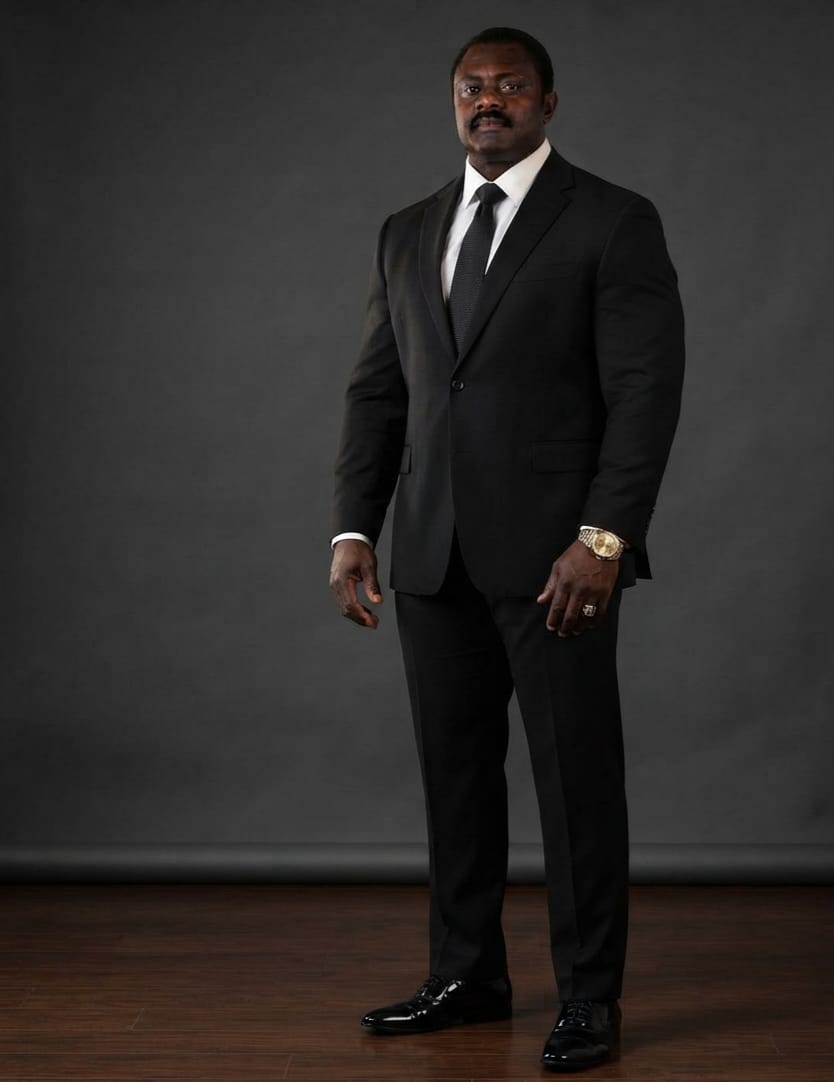
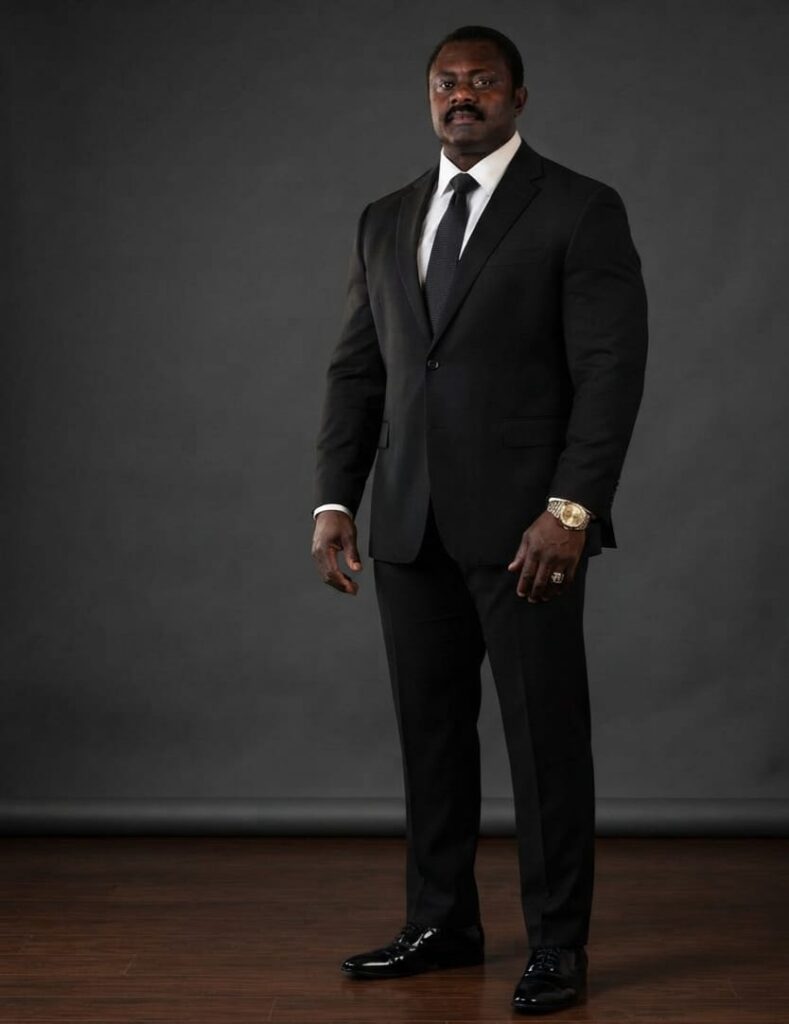
It is a philosophy that has guided Robert Ekow Grimmond-Thompson throughout his life.
For more than three decades, Grimmond-Thompson has refused to be confined to a single profession. A software engineer, systems architect, eco artist and independent researcher, he has built a career that brings together technology, creativity and the study of human movement.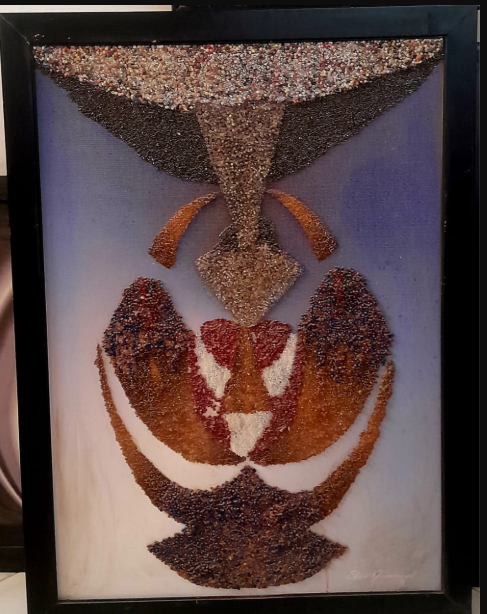
His journey is driven by curiosity, determination and an unwavering desire to understand how different fields can work together to improve lives.
His love for solving problems began in the world of computers. As a software engineer and systems architect, he developed a deep appreciation for structure, precision and logical thinking.
But the more he worked with technology, the more he became convinced that the same principles used to understand computer systems could also be applied to understanding people.
That belief led him on a lifelong journey of research into the relationship between movement, posture and emotions.
Through years of independent study and practice, he developed proprietary frameworks that he describes as Emotional Surgery and Neurokinetic Aesthetic Surgery.
According to Grimmond-Thompson, these approaches are designed to help people better understand the connection between their physical posture, emotional wellbeing and overall balance.
His work also explores ideas such as Optic Nerve Ignition, reflecting his interest in how the body’s sensory systems may influence movement and emotional wellbeing.
His decades of research are brought together in his book, Reclamation of Sovereignty. More than a collection of theories, the book reflects his belief that people should never allow difficult experiences to define them.
Instead, he encourages readers to see challenges as opportunities for growth, healing and personal transformation.
Away from technology, Grimmond-Thompson has found another way to express his ideas through art. As an eco-artist, he is passionate about sustainability and believes that beauty can be created from materials that many people would simply discard.
One of his most remarkable creations is Sovereign Reclamation, a monumental textile artwork made from old, weathered jute sacks decorated with thousands of tiny glass seed beads.
The painstaking work took years to complete and demanded extraordinary patience, creativity and attention to detail.
For Grimmond-Thompson, the old jute sacks represent the struggles, disappointments and scars that everyone carries through life.
The colourful beads, carefully sewn onto the fabric, symbolise hope, resilience and new beginnings. Through his art, he reminds people that their past should never be something to hide. Instead, it can become the foundation for strength, growth and a brighter future.
His philosophy extends beyond art. He believes the spaces where people live and work influence the way they think, feel and perform.
He encourages the use of colour, thoughtful design and beautiful surroundings to create environments that promote peace, creativity and emotional wellbeing.
In today’s fast-paced world, Grimmond-Thompson also believes in the importance of slowing down. Through what he calls the “Aesthetic Rest Hour,” he encourages people to take time away from the pressures of everyday life to reflect, recharge and reconnect with themselves.
In his view, moments of stillness are just as important as moments of hard work.
Another principle he lives by is self-respect. His preference for smart tailoring, good posture and a professional appearance goes beyond fashion. To him, it reflects discipline, confidence and personal dignity.
He believes the way people carry themselves often reflects how they value themselves.
Despite his many professional accomplishments, Grimmond-Thompson remains a lifelong learner with interests beyond his work.
He enjoys playing chess, a game that challenges his mind and sharpens his strategic thinking.
He also enjoys car racing during his leisure time, appreciating the focus, precision and excitement that come with the sport. These hobbies reflect the balance he maintains between careful thinking and adventure.
BY ESINAM JEMIMA KUATSINU