News
Upper West NHIS achieves 79 per cent target for 2020

- /home/u249204778/domains/spectator.com.gh/public_html/wp-content/plugins/mvp-social-buttons/mvp-social-buttons.php on line 27
Warning: Trying to access array offset on false in /home/u249204778/domains/spectator.com.gh/public_html/wp-content/plugins/mvp-social-buttons/mvp-social-buttons.php on line 27
&description=Upper West NHIS achieves 79 per cent target for 2020', 'pinterestShare', 'width=750,height=350'); return false;" title="Pin This Post">
- Share
- Tweet /home/u249204778/domains/spectator.com.gh/public_html/wp-content/plugins/mvp-social-buttons/mvp-social-buttons.php on line 72
Warning: Trying to access array offset on false in /home/u249204778/domains/spectator.com.gh/public_html/wp-content/plugins/mvp-social-buttons/mvp-social-buttons.php on line 72
&description=Upper West NHIS achieves 79 per cent target for 2020', 'pinterestShare', 'width=750,height=350'); return false;" title="Pin This Post">
The National Health Insurance Scheme (NHIS) in the Upper West Region achieved 79 per cent coverage of its 2020 client target at the end of September.
The scheme, at the end of the third quarter had enrolled and retained a total of 447,493 members as regards its target of 564,511 clients in the region. This figure indicates that about 1,634 persons either registered or renewed their cards daily in the first nine months of the year.
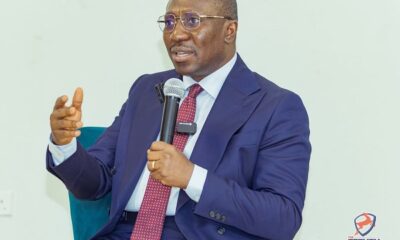
According to the Acting Regional Director of the National Health Insurance Authority (NHIA), Mr Samuel Lobber, the achievement was as a result of the mobile renewal strategy that was added to the services of the Authority, and allowed clients to renew their cards from the comfort of their homes.
He based his assertion on the fact that 60 per cent of the registrants renewed their cards using the *929# short code that was introduced by the NHIA two years ago, and said that the numbers would not have been feasible if they were relying solely on the manual registration.
Mr Lobber disclosed this to The Spectator at Wa on the link between the introduction of the short code to patronage of the scheme in the region
He noted that in the Upper West Region, the mobile renewal was very essential to residents as a chunk of their clients resided in areas that were quite remote from the respective district capitals and accessing their offices to renew their cards was quite challenging.
The Ag. Director said that the number of registrants this year, depicted improvement in the service delivery of the Authority in terms of widening access and ensuring effective customer satisfaction.
He stated that accessing health care was the primary right of every individual and incumbent on stakeholders such as the NHIA to collaborate with health care providers to ensure enhancement in the universal health coverage.
“This we can confidently claim to have achieved with the renewal of the code which has reduced congestion at our district offices as people prefer to use the short code to renew their cards in the comfort of their homes”, he said.
Mr Lobber reiterated that with the integration of the NHIS card into the Ghana Card, access to health care would be easier as persons who misplaced their NHIS cards could still access healthcare with their Ghana Card “if they take the necessary steps to merge the two cards using the *929# code.”
From Lydia Darlington Fordjour, Wa


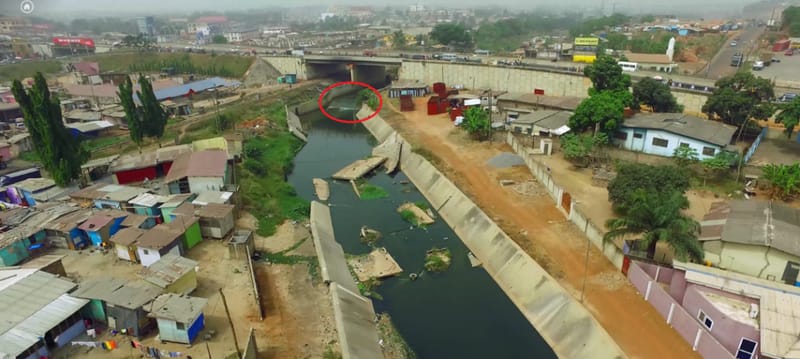
Construction of a major underground stormwater drain along the Dr. Busia Highway within the Kaneshie enclave will commence on September 7, 2026.
The Project Coordinator for the Greater Accra Resilient and Integrated Development (GARID) Project, Dr. Kwadwo Ohene Sarfo, announced this at a special media briefing on Wednesday.
According to him, the works will involve the construction of a double-cell underground rectangular drain measuring approximately 10 metres wide and 1.95 kilometres long, stretching from Pamprom Junction to First Light Junction.
The new drain will replace the existing two 1.2-metre diameter pipes, which are inadequate to carry the volume of stormwater in the area.
Dr. Sarfo said the drain will connect at one end to the recently completed section within the Accra Academy campus and at the other end to the existing drain at Pamprom Junction.
He said the construction is expected to run from September 2026 to October 2027.
The project forms part of government’s broader flood prevention and mitigation programme aimed at addressing perennial flooding in Accra.
By Edem Mensah-Tsotorme
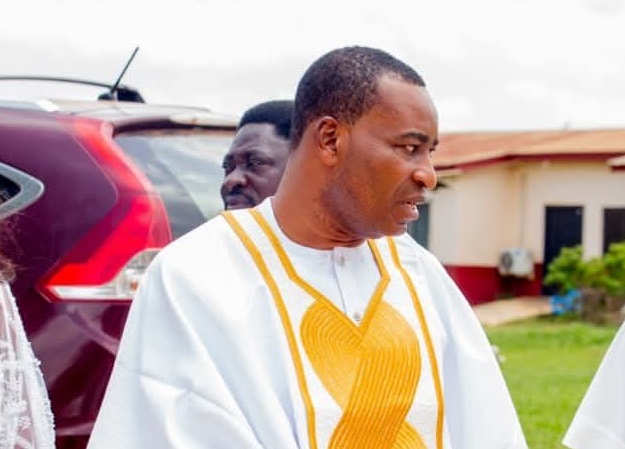
The former Ashanti Regional Chairman of the New Patriotic Party (NPP), Bernard Antwi Boasiako, popularly known as Chairman Wontumi, has withdrawn from the party’s National Chairmanship race.
In a statement issued yesterday, Chairman Wontumi who is currently serving a 20-year jail term said his decision was driven by his love for the party and his unwillingness to let his personal circumstances distract the NPP from its rebuilding efforts.
“There are moments in the life of a man when the heart wants to continue, but duty demands sacrifice. Moments when one must quietly set aside personal ambition, not because the dream has died, but because the family he loves must not be made to carry his burden. Today, I find myself at such a painful moment,” he wrote.
He disclosed that after many nights of prayer, sober reflection and consultations with his family, legal team, party elders, campaign team and trusted supporters, he concluded that his present situation must not become an additional burden on the NPP.
“This is not the decision my heart desired, but sometimes, true love requires us to release what we deeply want in order to protect what we love even more,” he added.
Recounting his years of service, Chairman Wontumi said he had served the party with everything within him, walking through heat and rain, travelling to remote communities and standing with the grassroots in both victory and defeat.
“For many years, I have served the NPP with everything within me… The NPP is not merely a political party to me. It is my family. It is my home. It is a cause to which I have dedicated a significant part of my life,” he stated.
He explained that the party, already carrying the pain of electoral defeat and the huge responsibility of preparing for the future, should not be made to carry his personal weight.
“That is why I cannot allow my present situation or personal ambition to distract the party from the difficult work of rebuilding. I cannot ask the party to carry my weight when it is already carrying the pain of defeat and the enormous responsibility of preparing for the battle ahead. I would rather carry this pain quietly than allow the party I love to suffer because of me,” he said.
He further sympathized with his supporters across the 16 regions, acknowledging that the decision would be painful for many who had sacrificed for his campaign.
“To my teeming supporters across all sixteen regions, I know this message will hurt. I know many of you will read it with tears in your eyes because I understand the sacrifices you have made for this journey,” he said.
By Edem Mensah-Tsotorme