Hot!
The Adinkra Poetry Prize 2024 calls for poetic expressions on culture, politics, and change

- /home/u249204778/domains/spectator.com.gh/public_html/wp-content/plugins/mvp-social-buttons/mvp-social-buttons.php on line 27
https://spectator.com.gh/wp-content/uploads/2023/12/IMG-20231205-WA0043.jpg&description=The Adinkra Poetry Prize 2024 calls for poetic expressions on culture, politics, and change', 'pinterestShare', 'width=750,height=350'); return false;" title="Pin This Post">
- Share
- Tweet /home/u249204778/domains/spectator.com.gh/public_html/wp-content/plugins/mvp-social-buttons/mvp-social-buttons.php on line 72
https://spectator.com.gh/wp-content/uploads/2023/12/IMG-20231205-WA0043.jpg&description=The Adinkra Poetry Prize 2024 calls for poetic expressions on culture, politics, and change', 'pinterestShare', 'width=750,height=350'); return false;" title="Pin This Post">
In a celebration of Ghanaian culture and heritage, The Adinkra Poetry Prize is excited to announce its call for poetry submissions that engage with three selected Adinkra symbols out of the over 200 existing symbols.
The focus for this year includes Fihankra, Nkyinkyim, and Mate Masie. Esteemed preliminary judges for this edition are Emma Ofosua, Apiorkor, and Ko-jo Cue. The head judge for the prize is Professor Esi Sutherland-Addy.
As we approach the upcoming election year, The Adinkra Poetry Prize invites interested people to offer words that surprise, excite, frustrate, and incite change.
They are looking for poetry that serves as a song for change, a chant, a prayer, a potential new national anthem, or guidelines to hold Ghanaians accountable to the cause of the nation and its citizens, “exploring the complexities of love or criticism for our relationship with our beloved nation.”
Writers are encouraged to submit their poetic expressions, with each poem responding to or thoughtfully engaging with the chosen Adinkra symbols within the context of Ghana’s current political and socio-economic landscape.
The competition is open to writers aged 18 and above who are Ghanaian citizens currently residing in Ghana.
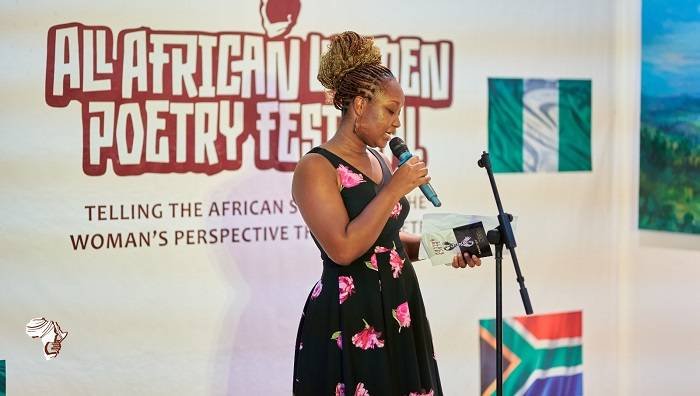
The 2024 Adinkra Poetry Prize is generously supported by the Center for Humanities at the University of New Hampshire, the Mellon Mays Foundation, and the All African Women Poetry Festival.
For the prizes, winners in each category will receive $200, and three (3) Finalists will be awarded $70.
Finalists and winners will be officially announced in May 2023 and will be invited to an awards ceremony at the prestigious All African Women Poetry Festival.
Additionally, finalists will also have the opportunity to apply for the WaterMill Residency. Selected submissions will be considered for publication in a digital anthology.
For the written submissions, the writers will be asked to transcribe their work for publication.
Applicants should note that the committee reserves the right to withhold awards based on the quality of submissions.
As part of the submission guidelines, an applicant is expected to submit a maximum of three (3) poems per submission, with each poem directly or indirectly identifying the chosen Adinkra symbol, and limit one submission per person; additional submissions will not be considered.
Poems may vary in length, style, or subject but must incorporate the chosen Adinkra symbol and its meaning.
Organisers have urged participants to exclude any identifying information from the submission document and submit unpublished poems only.
“Simultaneous submissions are accepted, but please inform us if your work is selected elsewhere.For any inquiries or questions, please email [adinkrapoetryprize@gmail.com].
Submission Guidelines (Spoken Word): Submit a recorded poem (video) not exceeding 1 minute, with each poem identifying the chosen Adinkra symbol you are responding to. Avoid including your name in the recorded video,” they added.
Deadline for submission is February 15, 2024.
The Adinkra Poetry Prize eagerly awaits thought-provoking and inspirational poetry submissions in celebrating Ghana’s rich cultural heritage through the power of words, and let your voice be heard as we shape the future of our nation together.


The University of Ghana Medical Centre (UGMC) has disputed claims made on social media by comedian Michael Blackson concerning the treatment given to his late mother, saying a review found that the allegations did not accurately reflect what happened during her stay at the hospital.
In a statement issued in Accra on August 5, 2026, the management of UGMC expressed condolences to Mr. Blackson and his family over the death of his 83-year-old mother, who died at the facility on July 16, 2026.
The hospital said it had taken the concerns raised by Mr. Blackson seriously and conducted a thorough review in line with its clinical and administrative procedures.
According to the statement, the facts presented by Mr. Blackson on social media contained “numerous inaccuracies” and did not accurately reflect the medical care provided to his mother.
UGMC explained that she was referred to the facility from another hospital and received treatment there from May 27 to July 16, 2026, a period of about eight weeks.
The hospital stated that it would not release details of her diagnosis, treatment, medical records or other aspects of her care because it had a duty to protect patient confidentiality, even after death.
It said the decision was intended to respect the dignity of the deceased and the privacy of her family.
UGMC further stated that all clinical decisions at the facility are made by qualified healthcare professionals based on medical judgment, established standards of care and the best interests of the patient.
The statement added that such decisions are made in consultation with authorised family representatives where necessary and that billing and financial procedures are governed by institutional policies and are separate from clinical decision-making.
The hospital noted that it values feedback from patients and their families and considers both positive and negative comments important for improving the quality of care.
Mr. Blackson had earlier used social media to criticise the care his mother received at UGMC, prompting the hospital’s response.
By: Jacob Aggrey
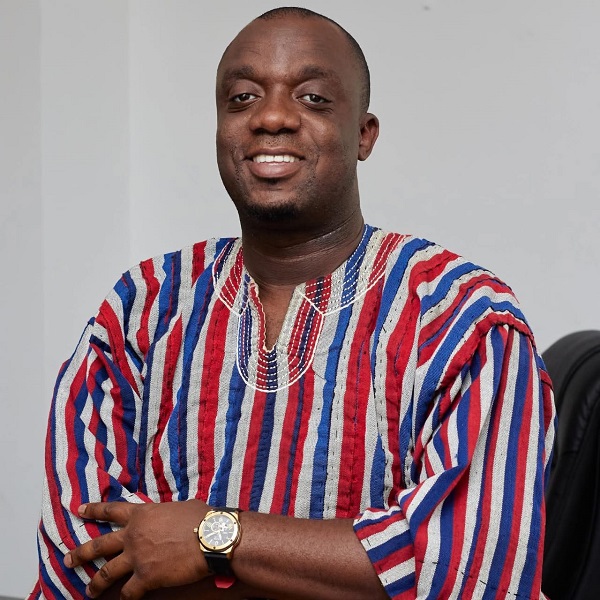
The New Patriotic Party (NPP) has directed all aspirants campaigning in the Greater Accra Region to suspend their campaign activities on August 5 and 6 and instead mobilise supporters for the party’s planned “Democracy Under Attack” demonstration.
The directive was issued by the party’s National Steering Committee in a statement signed by the NPP General Secretary, Justin Kodua Frimpong, on Tuesday.
According to the statement, the decision forms part of efforts to ensure a strong turnout for the demonstration, which is scheduled for Thursday, August 6, 2026.
The party said the protest would begin at 5:00 a.m., with participants expected to gather at the Supreme Court in Accra.
It further directed Regional, Constituency and Polling Station Executives in Greater Accra to work closely to mobilise members and supporters for the event.
“The National Steering Committee is calling on all aspirants currently campaigning across the Greater Accra Region to temporarily suspend their campaign activities on the 5th and 6th of August and join in mobilising support for the upcoming demonstration,” the statement noted.
The NPP appealed to party members and supporters to remain peaceful, disciplined and orderly throughout the protest.
The demonstration forms part of the party’s response to concerns it has raised over issues relating to Ghana’s democratic governance and the justice system.
The NPP leadership expressed confidence that party members would cooperate fully to ensure a successful and peaceful event.
By: Jacob Aggrey

 News1 week ago
Prof. Kwabena Twerefou holds inaugural lecture; calls for better stewardship of Ghana’s natural resources
- News1 week ago
Prez Mahama to visit Jamaica to strengthen ties and advance reparations agenda
- News1 week ago
Ahanta Heritage Month: Diplomats, youth tour forts, Cape Three Points and historic sites