Hot!
Dr Vivian Paintsil expresses concern over lack of gov’t support for Hemophilia care in Ghana


Dr Vivian Painstil
A senior lecturer at the Department of Child Health at the Kwame Nkrumah University of Science and Technology (KNUST), Dr Vivian Painstil, has expressed concern over the little commitment from government to provide the needed logistical support for hemophilia care in the country.
She explained that it had always been the World Hemophilia Federation that had been providing support for people living with hemophilia through their provision of drugs and diagnostic equipment.
For her, that needed to be addressed to provide good care support systems to patients with the condition.
Hemophilia is a genetic disorder that causes blood to take a long time to clot, a process needed to stop blood.
Speaking at a media roundtable on Thursday as part of the commemoration of this year’s World Hemophilia Day, slated for April 17, the engagement was targeted at creating more awareness on the condition.
It was organised by Pfizer a multinational pharmaceutical and biotechnology corporation and a partner of the World Federation of Hemophilia (WFH).
Giving statistics she said, WFH working closely in partnership with hemophilia treatment centres (HTCs) in 29 African countries revealed that more than 38,000 people worldwide were living with hemophilia B in 2021 stressing the need to create more awareness on hemophilia [bleeding disorders] and its care mechanisms.
Dr Painstil who also doubles as a Paediatrician working at Komfo Anokye Teaching Hospital (KATH) said People with hemophilia were at risk of excessive and recurrent bleeding from modest injuries, which have the potential to be life-threatening.
“The burden people living with hemophilia B face is significant, with many receiving routine infusions or injections which interfere with their ability to take part in day-to-day activities “she stated.
She, therefore called on the government to put in efforts by providing the needed logistical support for hemophilia care in the country.
She noted that, only the Teaching Hospitals, as well as some selected regional hospitals, provided care support for hemophilia patients in the country explaining that due to a lack of resources, including logistical and human resources at the district health facilities, people with the condition could not access care from such places and as such, had to travel to the Teaching or Regional hospitals to be seen.
She said currently, 309 patients had been registered by the Ghana Hemophilia Society, revealing that there were about 1500 cases yet to be diagnosed.
The Pfizer Medical Director for Sub-Saharan Africa, Kodjo Soroh, for his part said, “Pfizer’s efforts at advancing treatment for hemophilia and bridging gaps in access to care resonates with this year’s theme of World Hemophilia Day’s (WHD) Access For All: Prevention of Bleeds.”
He said Pfizer’s commitment to equity and continued investment in hemophilia was evident in its more than 30 years of experience in developing therapies for hematological disorders as it has a deep understanding of the significant challenges that people living with hemophilia continually face.
He pledged the commitment of Pfizer to continue to raise awareness on the condition, saying “We will continue to amplify and celebrate the work of the global hemophilia community as we create awareness on the need for innovation in access to hemophilia treatments.”
Professor of Hematology and Blood Transfusion of the University of Lagos, Professor Akanmu said people with severe hemophilia “often bleed spontaneously into their muscles or joints, or rarely into other critical closed spaces such as the intracranial space, where bleeding can be fatal.”
BY BENEDICTA GYIMAAH FOLLEY

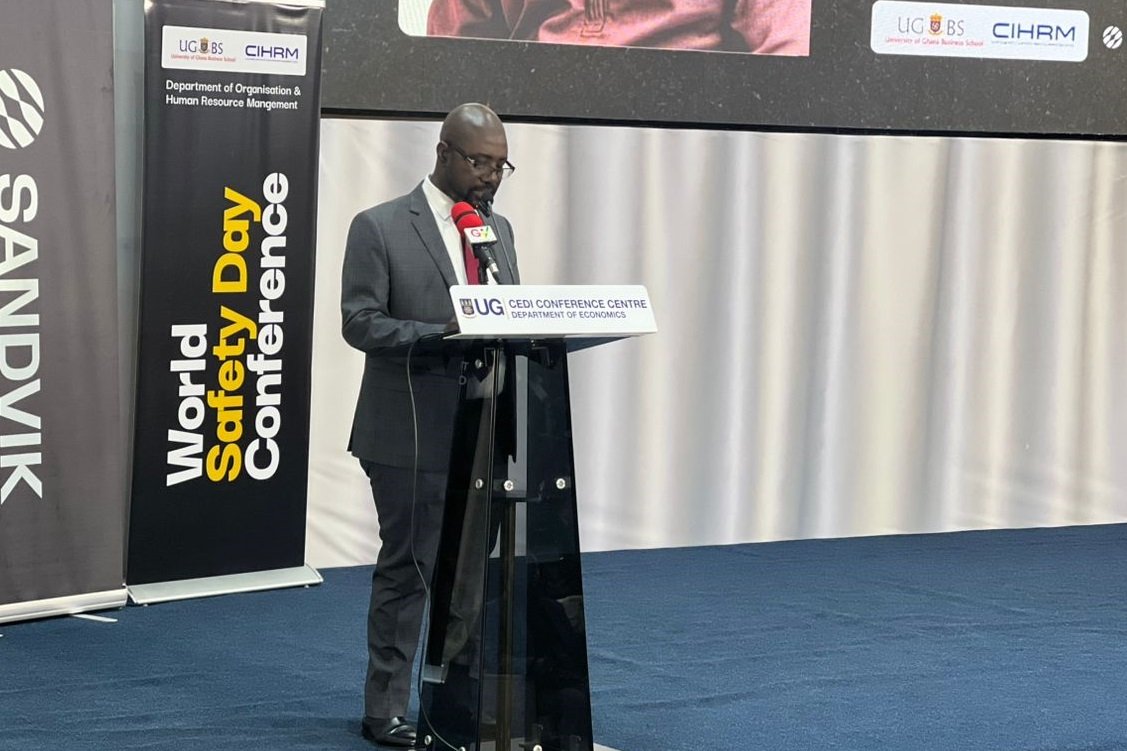
The Ghana Tourism Development Company Limited (GTD) in collaboration with the Department of Organisation and Human Resource Management, University of Ghana Business School (UGBS) has marked the 2026 World Safety Day Celebration in Accra.
The event held on Tuesday, April 28, 2026 at the Cedi Conference Centre, Legon was under the theme “Good Psychosocial Working Environment: A Pathway to Thriving Workers and Strong Organizations.”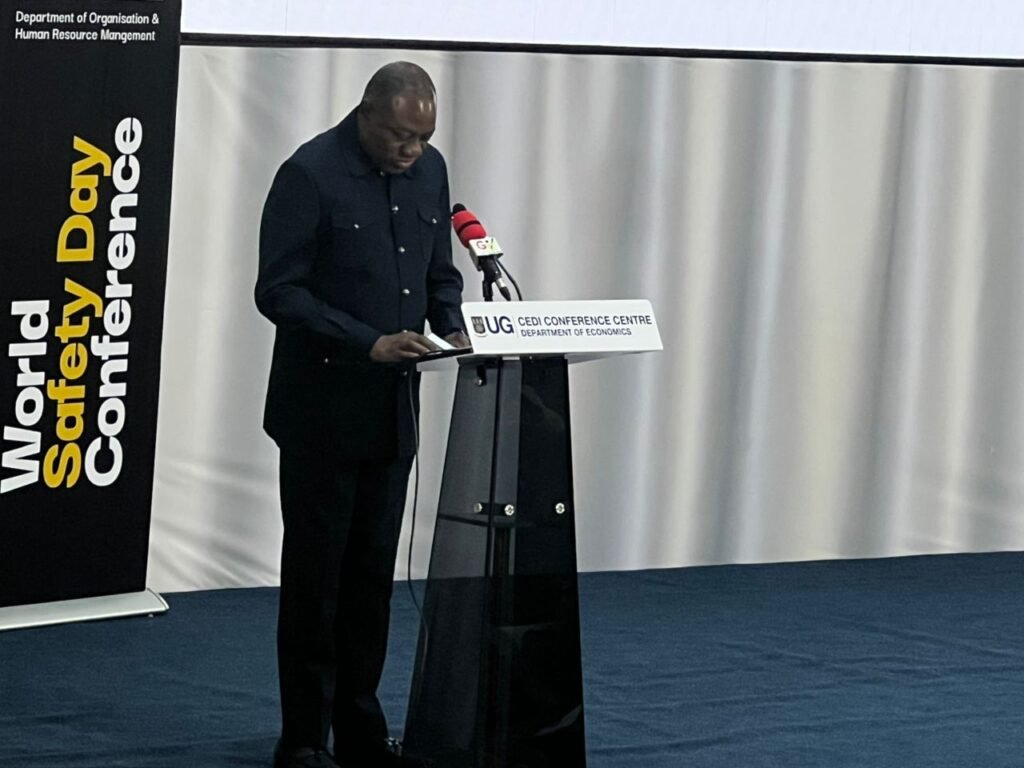
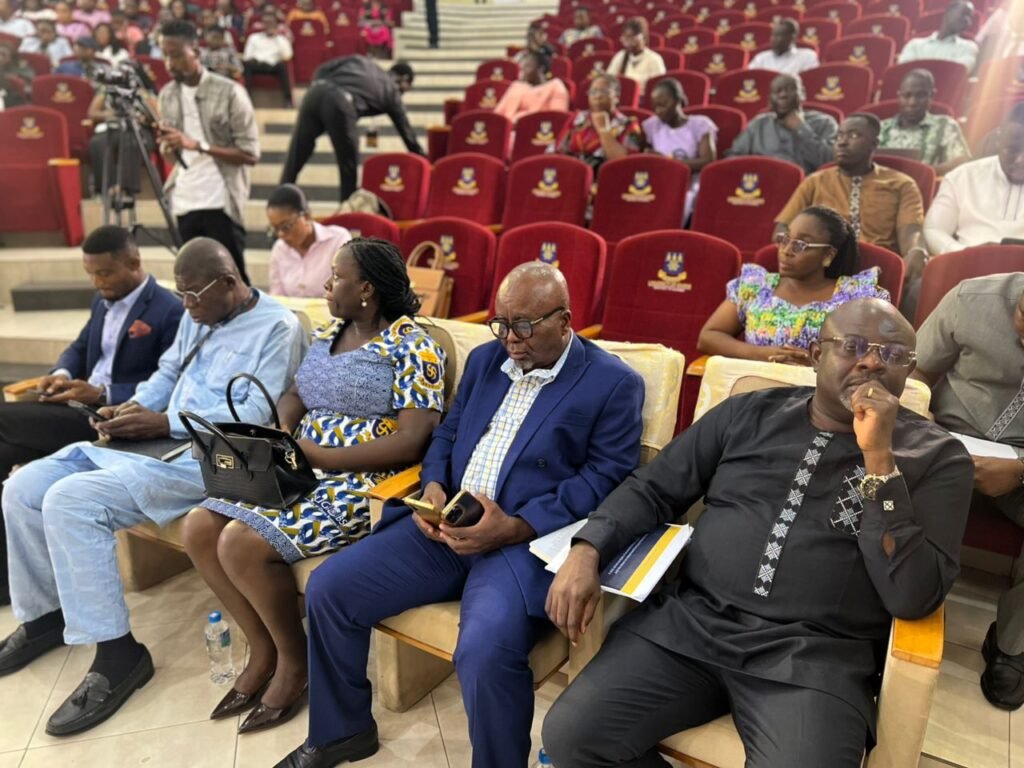
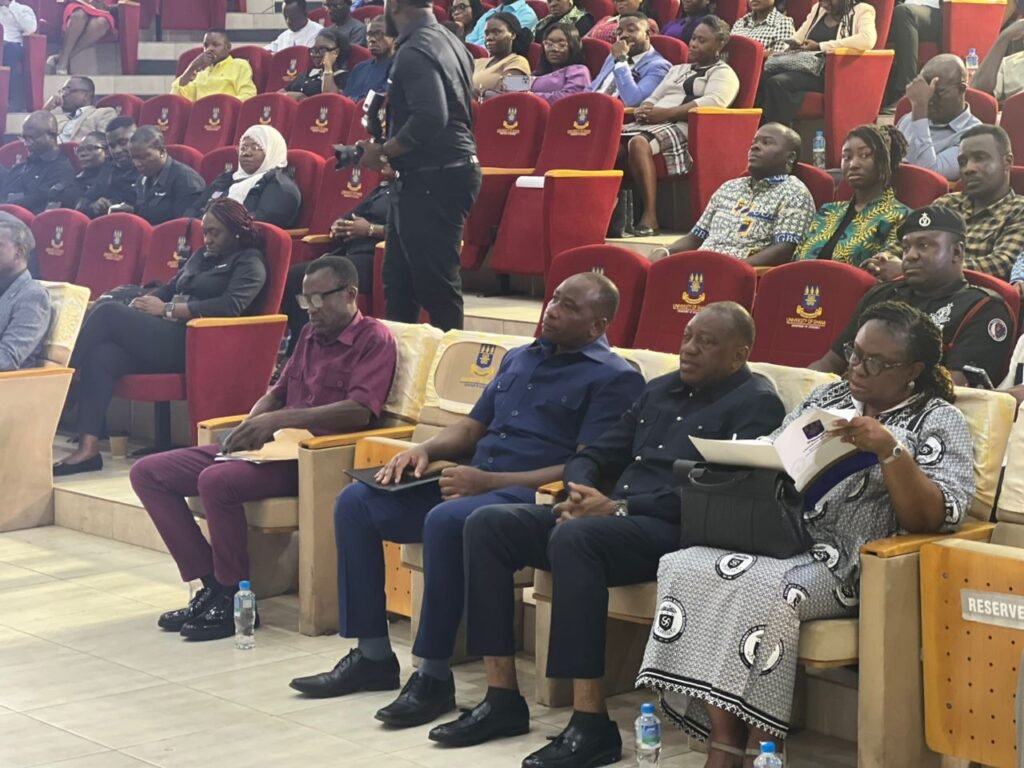
The day is observed globally to promote safe and healthy working conditions and to raise awareness about both physical and psychological risks at the workplace.
The event formed part of efforts by stakeholders to deepen national conversations on workplace safety, particularly the growing concern about psychosocial well being.
In his keynote address, the Minister for Labour, Jobs and Employment, Dr Abdul Rashid Hassan Pelpuo stressed that workers must not be treated as machines but as human beings with dignity, rights and families.
He explained that unsafe work environments marked by fear, harassment, intimidation and excessive pressure reduce productivity and weaken organisations.
He noted that although physical hazards such as faulty equipment and unsafe buildings remain a concern, psychological risks including excessive workload, bullying, job insecurity and toxic communication are equally dangerous and must be addressed.
According to him, psychological hazards are real, measurable and preventable, and should be treated with the same urgency as physical risks.
He maintained that safe and healthy working conditions are not a luxury but a fundamental right that supports productivity and social justice.
Dr Pelpuo further stated that the government remains committed to strengthening occupational safety and health systems, adding that worker wellbeing is a core responsibility of leadership and not a public relations issue.
He urged employers to create environments where dignity is protected, and workers are empowered to speak without fear.
The Dean of University of Ghana Business School, Prof Ernest Y Tweneboah Koduah noted that the school is committed to shaping a better world of work that is equitable, productive and sustainable.
He announced that the school has secured accreditation from the Ghana Tertiary Education Commission to introduce a programme in organisational health and safety.
He explained that gaps in workplace safety in Ghana are linked to weak enforcement, underreporting and limited professional training.
He added that the new programme will equip graduates with the skills to prioritise employee wellbeing as a key organisational responsibility.
Prof Tweneboah Koduah urged organisations to assess psychosocial risks, invest in human resource capacity and create environments where workers can openly discuss mental health concerns.
He emphasised that collaboration between academia and industry is essential to addressing workplace safety challenges.
Delivering remarks on behalf of the Vice Chancellor, the Registrar of the University of Ghana, Emelia Naa Kwantsua Agyei Mensah described the event as historic, noting that it is the first time the university is marking the global observance.
She explained that the focus on psychosocial wellbeing reflects current realities in the world of work.
She stated that employee health, including mental and emotional wellbeing, directly affects productivity, morale and institutional performance.
Mrs Agyei Mensah added that the university is committed to creating a safe and supportive environment for staff and students, beyond minimum legal requirements.
She called on leaders to reflect on the kind of workplaces they create and to prioritise the wellbeing of employees.
CEO of the GTDC, Prof Kobby on his part noted that its participation aligns with its commitment under the Riyadh Declaration, which calls on member states to improve infrastructure and public safety, as well as enhance services, transport, connectivity and accessibility.
He indicated that the company intends to use the platform to highlight Ghana’s readiness to implement the declaration, with a strong focus on worker safety and wellbeing as a foundation for sustainable tourism development.
The event brought together policymakers, academics, industry players and students to discuss strategies for improving workplace safety and promoting healthier work environments across the country.
By: Jacob Aggrey

The Ghana Armed Forces has confirmed that an escort convoy protecting civilians was attacked in Binduri in the Upper East Region, leaving three people dead.
In a press release issued on April 27, 2026, the military said the convoy, which was escorting about 140 civilians from Bawku to Bolgatanga, came under gunfire from unknown attackers.
It said the attackers shot at the convoy several times, killing three of the civilians being escorted and injuring one other person.
According to the statement, soldiers returned fire and were able to repel the attack. In the process, seven of the assailants were killed.
The military added that during a follow-up operation, weapons and ammunition were retrieved from a suspect who had taken refuge in a mosque.
The items included a G3 rifle, two loaded magazines, and additional rounds of ammunition.
It said ten other suspects have been arrested and are assisting with investigations.
The Ghana Armed Forces cautioned the public against engaging the military or any security agency during operations.
It extended condolences to the families of those who lost their lives and wished the injured person a speedy recovery.
By: Jacob Aggrey