News
‘Treat nose masks like underwear … wash them regularly’


- /home/u249204778/domains/spectator.com.gh/public_html/wp-content/plugins/mvp-social-buttons/mvp-social-buttons.php on line 27
https://spectator.com.gh/wp-content/uploads/2020/06/Dr-Zara-Addo-Yobo-.jpg&description=‘Treat nose masks like underwear … wash them regularly’', 'pinterestShare', 'width=750,height=350'); return false;" title="Pin This Post">
- Share
- Tweet /home/u249204778/domains/spectator.com.gh/public_html/wp-content/plugins/mvp-social-buttons/mvp-social-buttons.php on line 72
https://spectator.com.gh/wp-content/uploads/2020/06/Dr-Zara-Addo-Yobo-.jpg&description=‘Treat nose masks like underwear … wash them regularly’', 'pinterestShare', 'width=750,height=350'); return false;" title="Pin This Post">
Some people, especially head potters and truck pushers in the Koforidua municipality wear their nose masks for days without washing them.
The Spectator encountered some with dirty nose masks, whilst others have turned their nose masks inside out, thereby turning the dirty part which has already been contaminated to their nostrils.
With regard to nose masks made from fabrics, health experts have cautioned the public to put them in soapy water or bleach-lathered water immediately they are removed.
The directive further advises that the nose masks must be left in the soapy water for five minutes before they are washed, rinsed, dried and ironed for use again.
These directives, however, have fallen on deaf ears for these people who have refused to obey the safety protocols in the name of not having the means to get more.
In an interview with Musa, a truck pusher, he explained to The Spectator that he hardly had time to wash his nose masks and did not have the means to get more.
“Sometimes to make ends meet, I have to work all day and by the time I get home, I am tired to wash them. Meanwhile I do not have enough so I just turn it inside out and wear for the next day then wash later when I come home,” he said.
Akosua Sarfo, a head porter also said that she could not wash it regularly for lack of time.
But a Medical Officer, Dr Zara Addo-Yobo of the St Joseph Hospital at Koforidua in an interview with The Spectator expressed worry over the situation and stressed the need for more education on the use of nose masks.
Dr Addo-Yobo indicated that the nose masks were meant to prevent potential carriers of the coronavirus from discharging droplets of saliva, mucus and other fluids that could suspend in the air or end up on surfaces for two or three days.
“Wearing the unwashed or dirty nose masks which may have the coronavirus sitting on it for hours, inside out, and turning the dirty part to your nostrils may cause the person to inhale the coronavirus and thereby get infected,” she said.
She advised the public to “treat nose masks like their underwear and wash them regularly” to prevent them from acquiring the coronavirus.
“I therefore urge the public to adhere to all safety protocols, including social distancing, regular and proper hand washing, and respiratory hygiene among others to help stop the spread of the virus.”
From AmaTekyiwaa Ampadu Agyeman, Koforidua


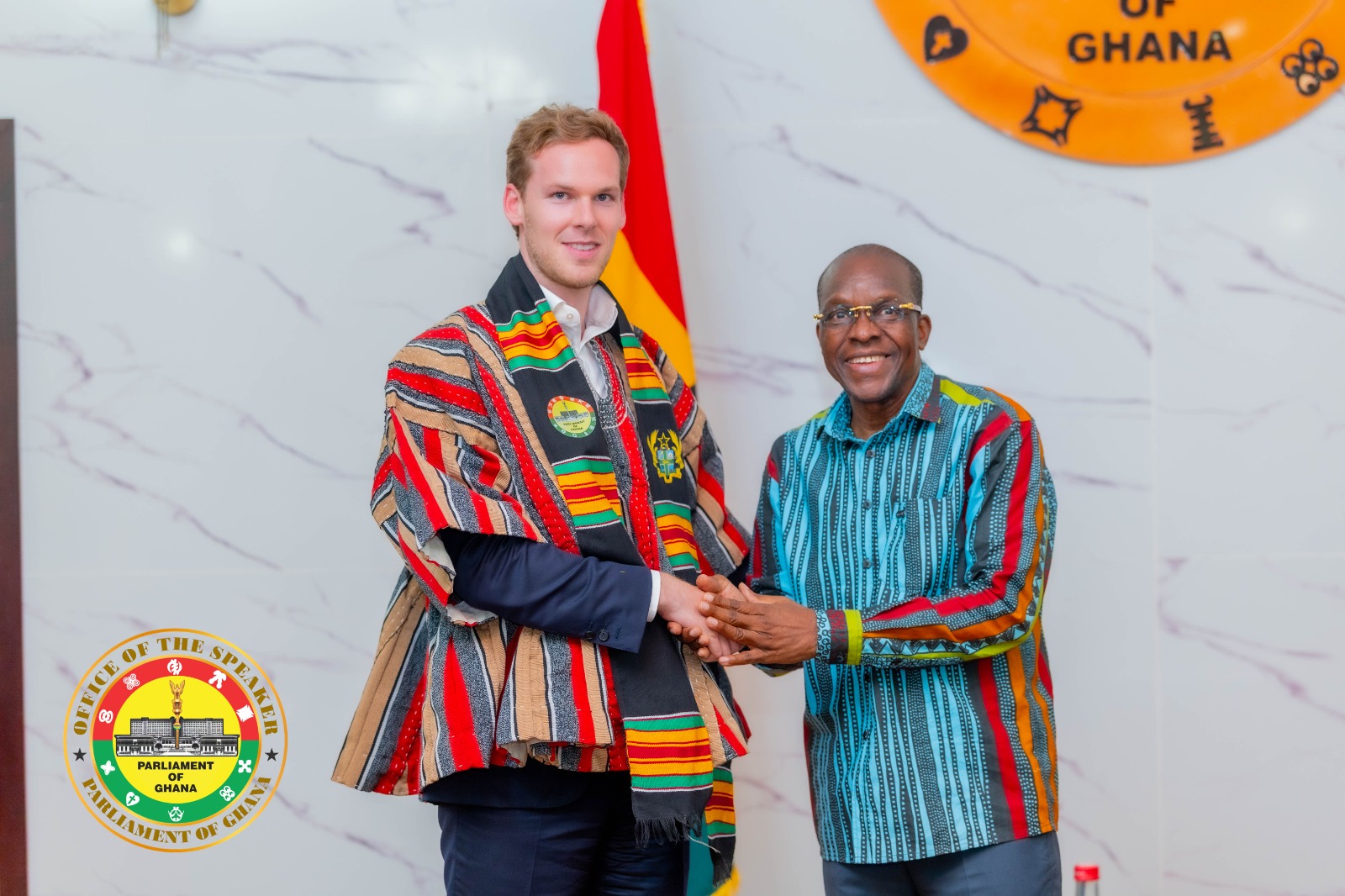
Mr. Alban Sumani Kingsford Bagbin has announced private sector led initiative that will see “Visit Ghana” on the “front of jersey” of Sunderland Football Club for the 2026/2027 football season.
The “Visit Ghana” project is a special marketing drive that will have presence on the front of jersey of Sunderland Football Club during the English Premier League.
Under this initiative, Sunderland FC will have on the front of their jerseys, “Visit Ghana” as part of efforts to drive and promote tourism in Ghana.
“We are entering a formal engagement with them to put Visit Ghana on their jerseys and all paraphernalia.
“We have gone far with the discussions, and therefore they usually showing interest,” Mr. Bagbin stated this at the 37th sitting of Parliament.
Mr. Bagbin explained further that, the initiative is not being sponsored by Parliament, but by the private sector adding that, the project will boost tourism in Ghana.
“This is not being sponsored by parliament. Infact the main sponsor is from the private sector, we are leading under my canopy to get this done.
“The GFA, the Ministry of Sports and Recreation and the Ministry of Finance have also been very supportive in this project,” he stated.
The Visit Ghana Front of Shirt Partnership with Sunderland, is expected to make Ghana the first African country to occupy such a position with a premier league club, and also offer global promotion for Ghana through EPL broadcasts, digital platforms and international media channels.
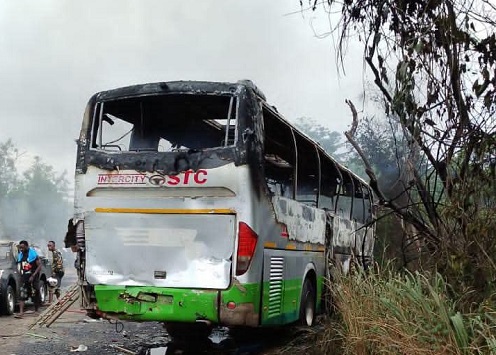
Motorists traveling between Accra and Kumasi are facing major delays today following a serious road crash at Birimso Bridge on the N6 Highway.
The accident, which involved a high-occupancy passenger bus, a loaded articulated truck, and a sedan, has completely blocked both lanes of the highway. As a result, all Accra-bound and Kumasi-bound traffic has been brought to a standstill.
Personnel from the Eastern South Regional Police MTTD, based in Kibi, are currently at the scene managing the situation.
To ease congestion, police have put in place temporary traffic diversions effective today.
By Edem Mensah-Tsotorme