News
200 pupils and 70 teachers in Akyemansa District trained in coding and programming

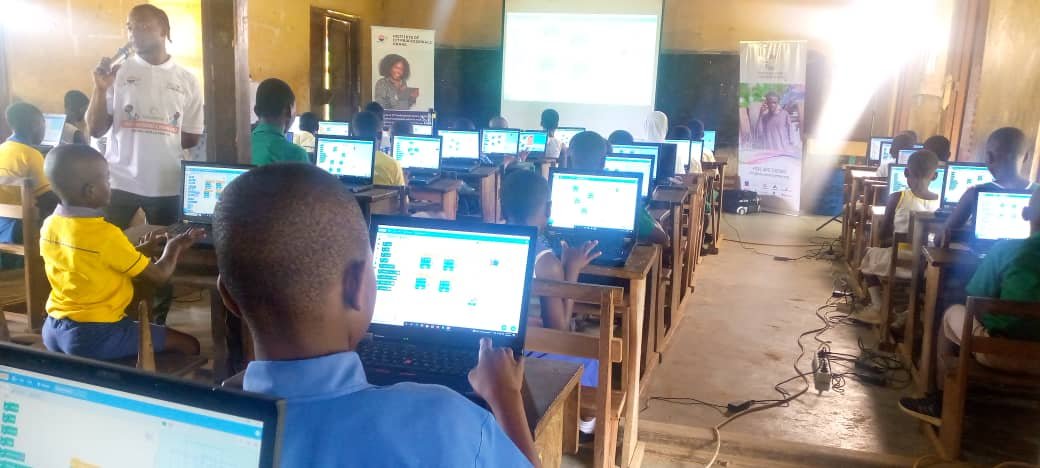
The Ghana Chamber of Telecommunications in partnership with the Institute of Information and Communication Technology (ICT) Professionals, Ghana have trained 200 pupils and 70 teachers in schools in the Akyemansa District of the Eastern region on the fundamentals of coding and programming to help them design applications.
The training, which was part of a two year coding caravan the two organisations have embarked on, was purposed to create digital awareness among the pupils, especially those in the rural areas and equip them with basic ICT skills and digital tools that would help them come up with business ideas to solve societal problems.
The pupils were trained in coding, 3D printing, animations, and development of applications, among other skills by ICT Instructors who took them through the training.
The Chief Executive Officer of the Ghana Chamber of Telecommunications, Dr Ing Kenneth Ashigbey said for the country to be transformed, it was critical for it to take advantage of the 4th Industrial Revolution where the country should ride on Artificial Intelligence or the use of digital transformation tools to solve societal issues.
He revealed that for that reason, his outfit has partnered with the Institute of ICT Professionals and has for the past two years embarked on a coding caravan to train pupils in schools across the country, especially those in the rural areas to train them on coding and the use of digital tools to create business ideas to solve societal issues.
“We chose the rural or remote areas to give pupils in those areas the opportunity to also learn this technological skill so that they will be empowered to use the skills learnt to solve their community problems and there will be no need to travel to urban areas before such problems are solved,” he said.
It was his hope that the training would inflame a hunger for technological skills in the pupils who would in turn train others to adopt the skills for business purposes.
Dr Ing Kenneth Ashigbey stated that an ICT and Coding Laboratory would be set up soon by the member of parliament for the area, revealing that the laboratory would be a centre to train and polish more pupils and revealed competition on coding would be held among pupils who would be encouraged to bring up interesting business ideas that could be harnessed to solve societal problems for the development of the country.
For his part, the Executive Director of the Institute of ICT Professionals, Dr David Gowu indicated that the country has over 50 percent of young people who could be trained and given such coding skills using digital tools to enable them to solve the many societal issues and cause the development of the country.
He indicated that such empowerment of the young generation was necessary if the country wanted to transform into a first-class country.
Mr Gowu called on stakeholders in the private and government sector, as well as philanthropists to pull resources together and help to provide more computers for pupils to enhance their learning and practice.
From Ama Tekyiwaa Ampadu Agyeman, Ofoase-Ayirebi



The Ghana Health Service (GHS) will undertake a nationwide Human Papillomavirus (HPV) vaccination exercise in schools from October to December 2026 to protect eligible girls against cervical cancer and other HPV related diseases.
The exercise, organised in collaboration with the Ghana Education Service (GES) and its partners through the School Health Education Programme (SHEP), will be conducted in two rounds.
The first round is scheduled for October 19 to 23, 2026, while the second will take place from November 30 to December 4, 2026.
In a press release dated October 19, the GHS explained that health workers would visit schools across the country to vaccinate eligible girls aged 9 to 14 who have not yet received the HPV vaccine.
The exercise forms part of efforts to raise awareness about the routine HPV vaccine, increase vaccination uptake and strengthen the country’s routine immunisation programme.
The GHS has called on school authorities, parents, guardians, teachers and community leaders to cooperate with health teams to ensure the successful implementation of the exercise.
The Service reaffirmed its commitment to protecting the health and well-being of Ghanaians, particularly children, through vaccination and other public health interventions.
By: Jacob Aggrey
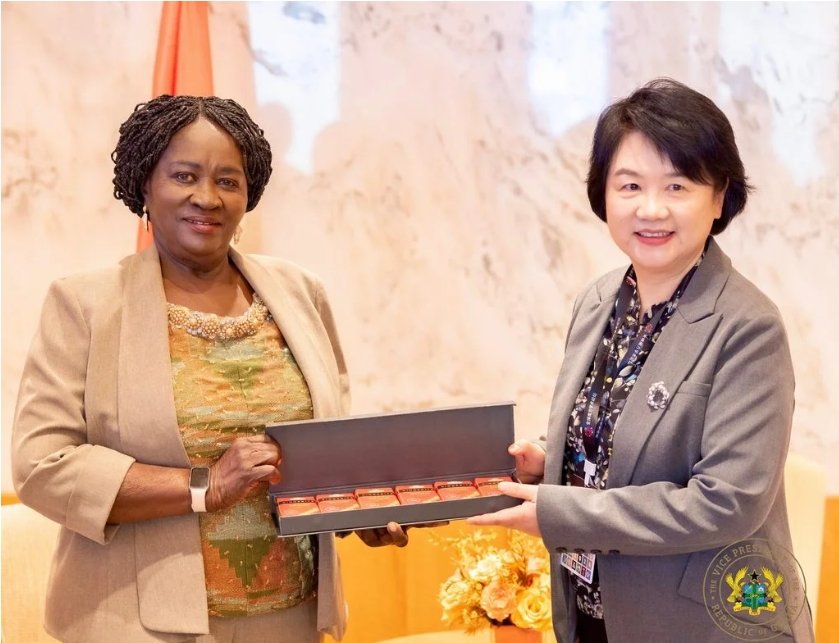
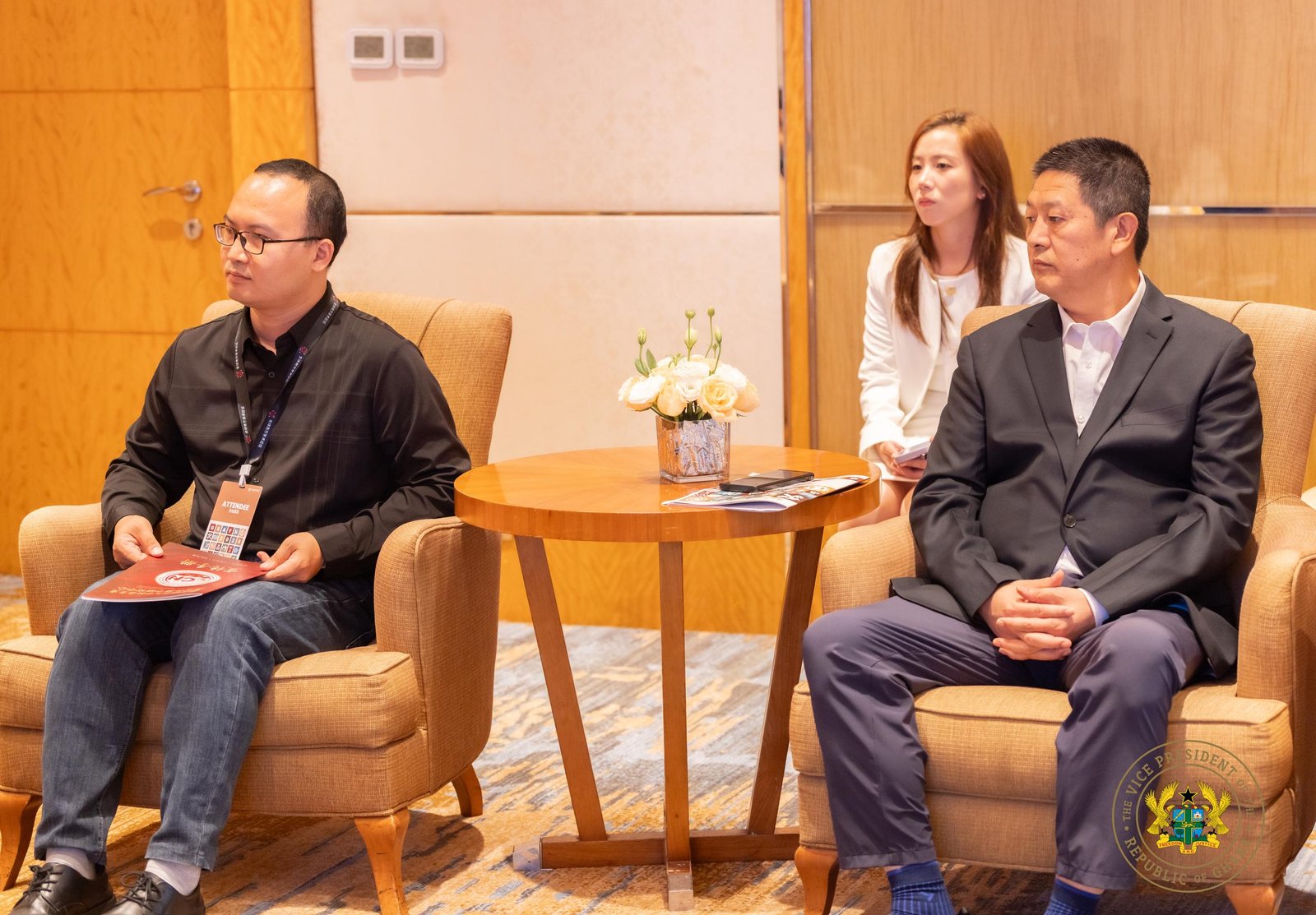
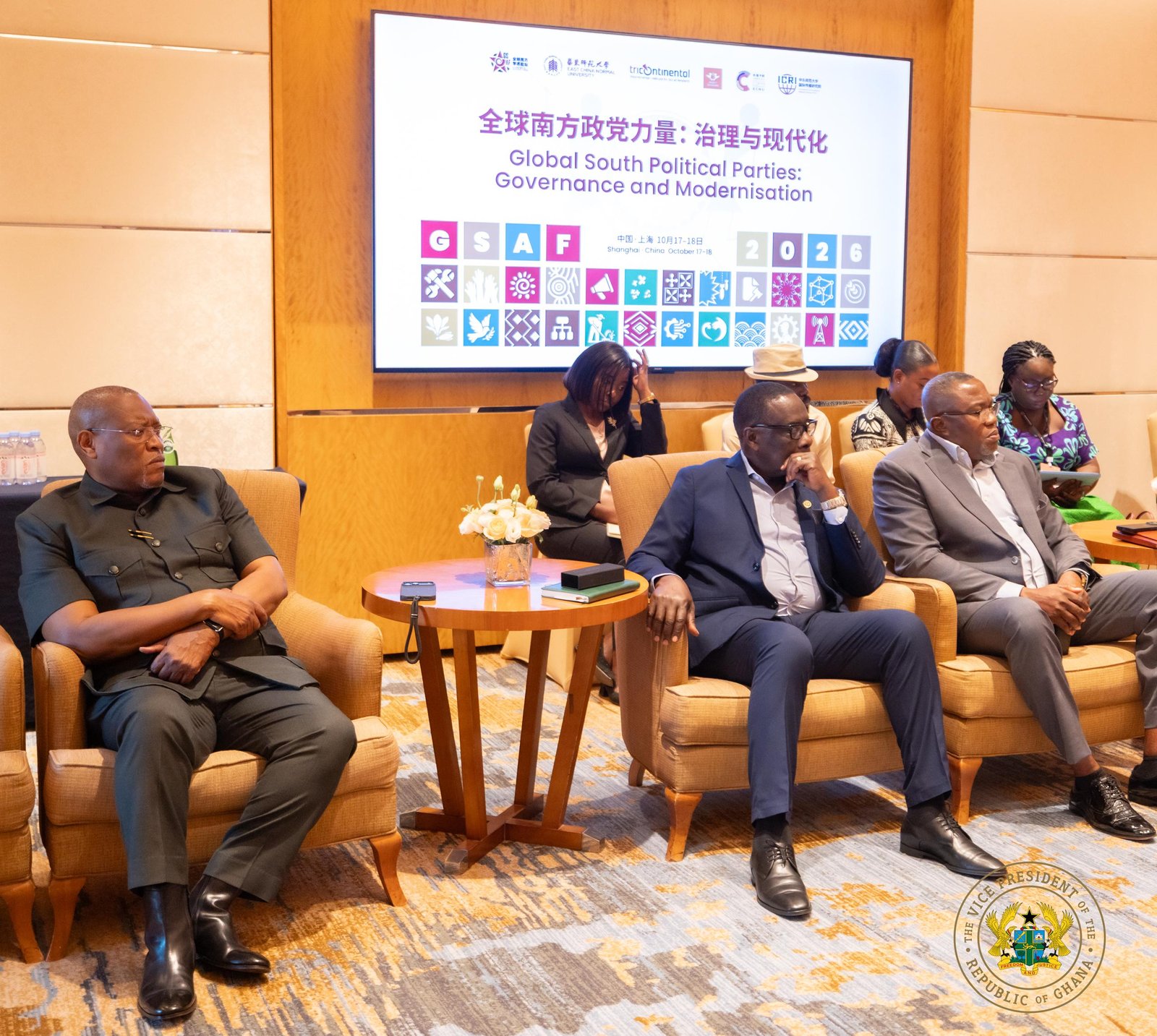
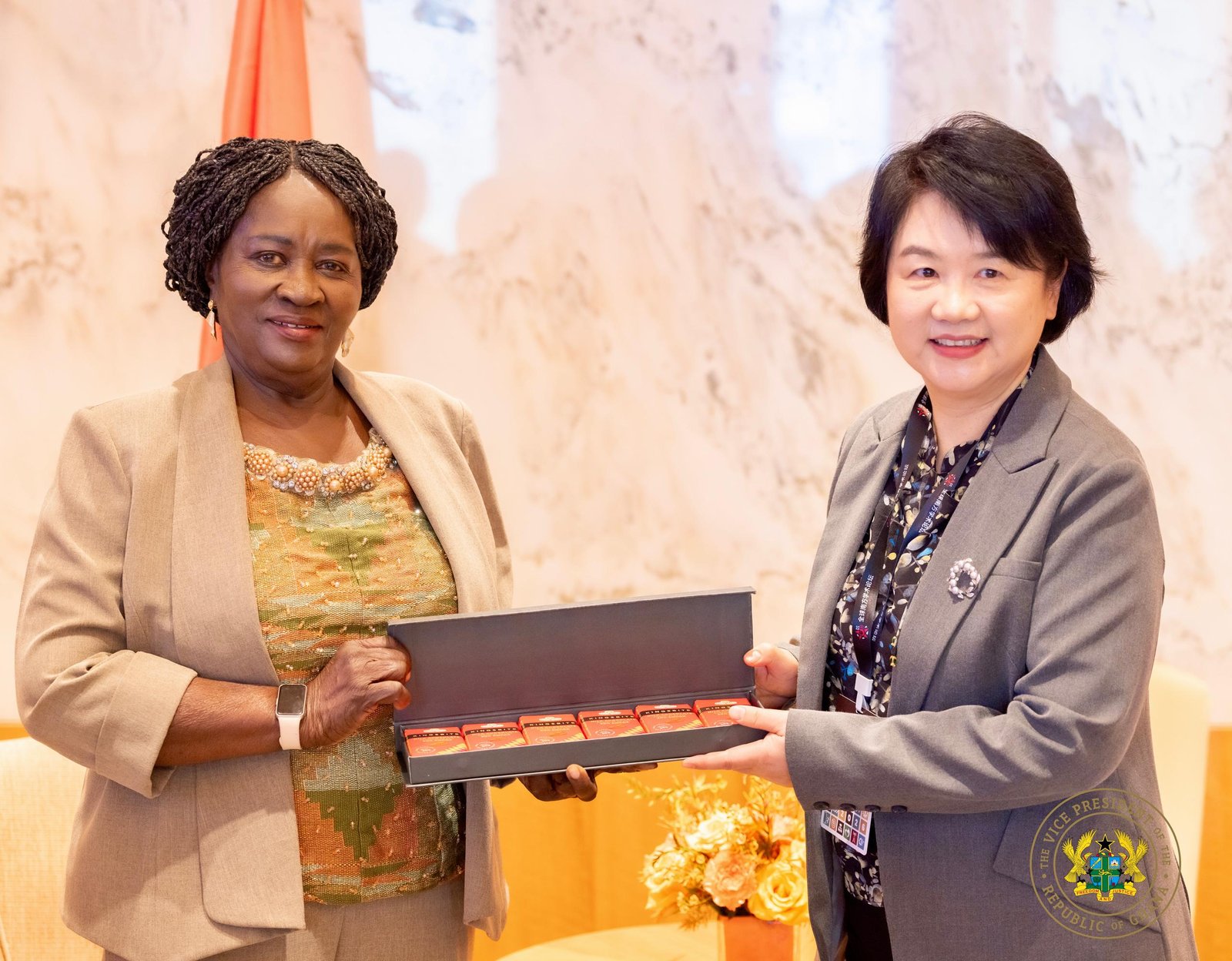
Vice President Professor Jane Naana Opoku-Agyemang has held high-level discussions with organisers of the 2026 Global South Academic Forum in Shanghai, seeking to draw lessons from China’s acclaimed rural revitalisation and poverty reduction drive.
The meeting, led by the Forum Chair, Professor Lu Xinyu, explored practical areas of cooperation and knowledge exchange between Ghana and China, with focus on community-driven development, fisheries and aquaculture, local governance, sports initiatives, and infrastructure development.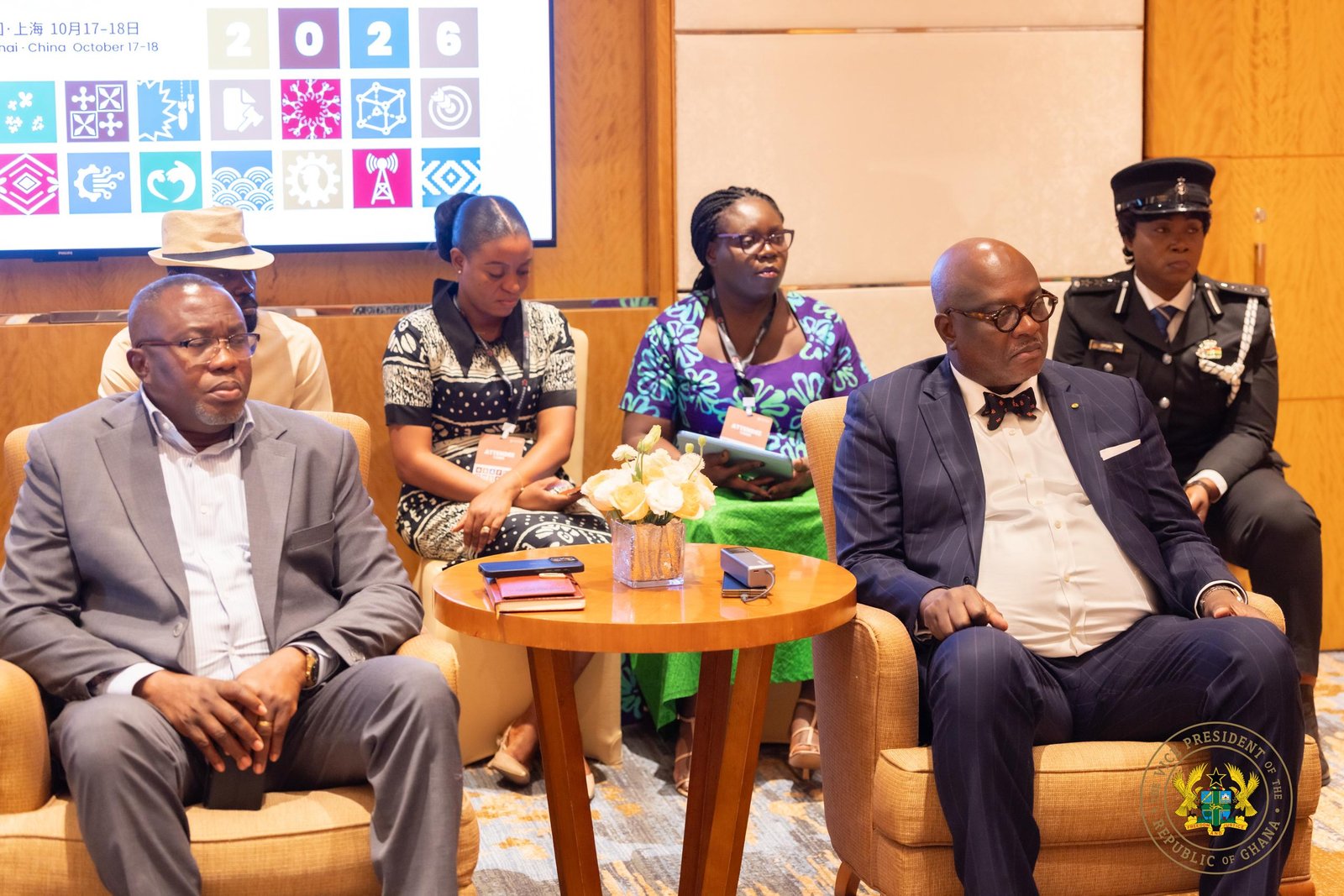
According to officials, the engagement is part of a broader effort by the Ghanaian government to study tested development models that can be adapted to the local context to promote inclusive growth, empower local communities, and improve livelihoods across the country.
China’s success in lifting over 800 million people out of poverty through targeted rural policies, investment in agriculture and local infrastructure has become a global reference point for developing nations.
The Vice President’s team says insights from the Forum will help inform policy direction, particularly in strengthening decentralised governance, boosting the fisheries and aquaculture sector, and investing in community-level infrastructure and youth sports development.
Professor Opoku-Agyemang is expected to continue engagements with academic and development institutions while in China.
By Edem Mensah-Tsotorme