News
1st Lady, others marks Father’s Day

- /home/u249204778/domains/spectator.com.gh/public_html/wp-content/plugins/mvp-social-buttons/mvp-social-buttons.php on line 27
https://spectator.com.gh/wp-content/uploads/2020/06/Mrs-Rebecca-Akufo-Addo.jpg&description=1st Lady, others marks Father’s Day', 'pinterestShare', 'width=750,height=350'); return false;" title="Pin This Post">
- Share
- Tweet /home/u249204778/domains/spectator.com.gh/public_html/wp-content/plugins/mvp-social-buttons/mvp-social-buttons.php on line 72
https://spectator.com.gh/wp-content/uploads/2020/06/Mrs-Rebecca-Akufo-Addo.jpg&description=1st Lady, others marks Father’s Day', 'pinterestShare', 'width=750,height=350'); return false;" title="Pin This Post">
Ghana on Sunday joined the rest of the world to mark Father’s Day in celebration of their paternal bonds, leadership and outstanding roles they have played in communities over the years.
The day observed on the third Sunday of June globally and usually characterised with giving of cards, gifts, dining outs and other forms of appreciation could not happen as expected this year due to the outbreak of the coronavirus.
Though restrictions have been eased to allow for social gathering, some Ghanaians decided to observe the day by sharing their experiences and sending well wishes to their fathers through radio platforms, television programmes and social media platforms.
The new normal would surely offer many fathers some smiles and joy that alas their toils and sacrifices are being appreciated by family, community and country.
Additionally, online shops, community gift shops and some malls, created special packages and displayed gifts for potential customers to celebrate their fathers.
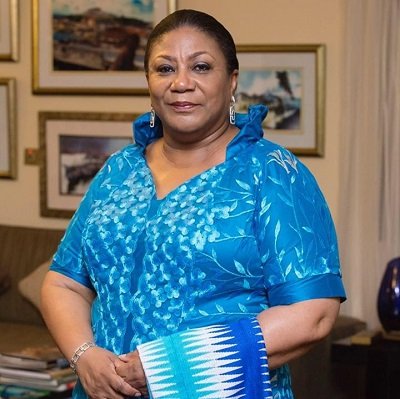
First Lady, Rebecca Akufo-Addo in a remark to commemorate the day, wished all fathers including her husband a happy Father’s Day.
“Happy Father’s Day with love to all our gallant heroes out there especially my dear Nana Akufo-Addo. Much of what fathers do go unnoticed and without praise but yet they still continue to act responsibly. May you continue to be a shining example for your children to follow,” she tweeted.
The Second Lady, Samira Bawumia in a tweet celebrated his husband and thanked him for his support towards the family.
“Happy Father’s Day to my dear husband, Dr Mahamadu Bawumia. May Allah bless you for your continuous love and guidance for our family and the many people who look up to you.”
In separate interviews, some members of the public praised their fathers and other “father figures” in their life for contributing to their success.
Mr Alfred Amanor, a pastor with the Abundant Life Worship Centre said “Fatherhood is a very important and serious responsibility, requiring a lot of physical, material and emotional investments in the family, community and the nation. Many of us strive to do our best to be able to care for our children”.
“My father juggled between many trades when my mum left him to raise me and three other siblings. I am now a lover of human beings who has no option than to put people first, because he taught me never to let down people who depend on me.
For Maame Nyarkoa, her heart was with all men who have no children of their own. “We count as well as celebrate you for the immense role you play in society’s development. Keep it up,” she stated.
Source: Ghanaian Times

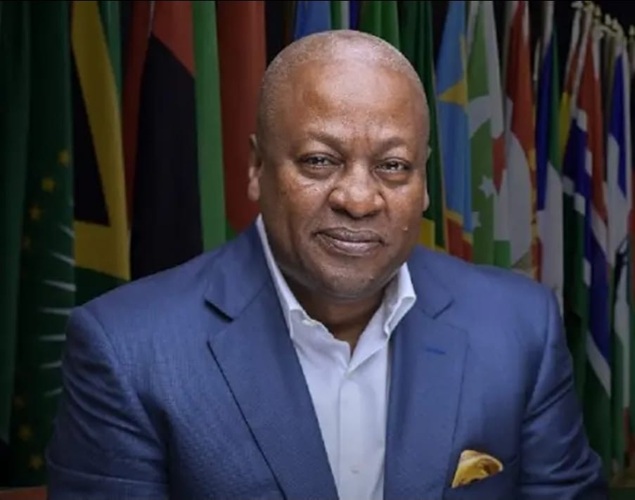
President John Dramani Mahama will be joining African heads of state, business leaders, investors and innovators shaping Africa’s next chapter, at the inaugural Alamein Africa Forum scheduled to take place from 2nd to 4th October 2026 in the historic city of Alamein on Egypt’s Mediterranean coast.
The three-day Alamein Africa Forum is established as a permanent African Business Forum to convene biennially in Egypt.
It is to become the continent’s premier gathering where political power meets entrepreneurial prowess, bridging the established engines of African growth with the new sectors defining its future.
Co-organised by the Government of Egypt, African Export – Import Bank (Afreximbank), the African Union and AUDA-NEPAD, it is expected to bring together more than twenty (20) heads of state and government representatives alongside business leaders, bankers and development institutions.
Ghana’s President, who on 23rd September 2026 declared Ghana is open for business in New York after ringing the ceremonial closing bell at the Nasdaq Stock Market will be leading the Ghanaian delegation, to include the Minister for Trade, Agribusiness, and Industry, Elizabeth Ofosu – Adjare, to the forum.
Other members of the Ghanaian delegation are the Head and Presidential Advisor for Ghana’s 24-Hour Economy and Accelerated Export Development Programme, Hon. Augustus Goosie Tanoh, Ghana’s Special Envoy to the Alliance of Sahel States, Colonel Larry Gbevlo – Lartey alongside key Ghanaian private sector players.
Bringing together leaders in politics, business and policy from across the continent, the Alamein Africa Forum will provide a unique opportunity to shape Africa’s growth agenda by aligning policy and investment priorities, mobilising partnerships for implementation and strengthening financing and investment pathways.
The private sector must become an integral part of Agenda 2063, the African Union’s strategic fifty-year masterplan to transform the continent. The private sector is the core economic engine required to turn the African 2063 from an aspirational government roadmap into realized infrastructure, jobs, and value-added trade.
By Chris KONEY
News
Contractors move to site to begin construction of 120-Bed Trauma Hospital at Bole – Felix Kwakye Ofosu

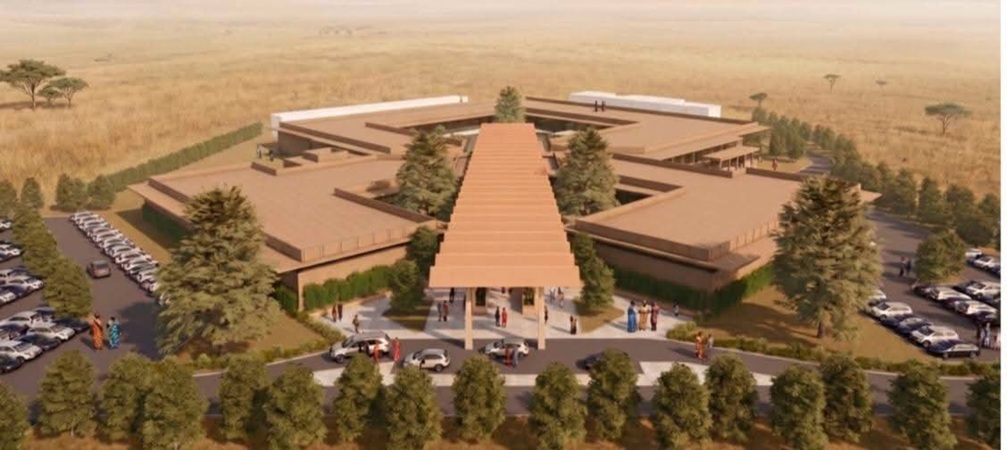
Minister for Government Communications, Felix Kwakye Ofosu, has revealed that contractors have moved to site to begin construction of a 120-bed Specialised Trauma and Emergency Hospital at Bole in the Savannah Region.
According to the Minister, the 16,000 square metre facility will be equipped with modern medical infrastructure to provide emergency and trauma care.
The hospital will have a 24-hour Accident and Emergency Unit, trauma resuscitation bays, emergency operating theatres, an Intensive Care Unit (ICU) and a High Dependency Unit (HDU).
It will also include specialised trauma wards, a burns treatment unit, orthopaedic and surgical units, as well as imaging and diagnostic facilities, among others.
By Edem Mensah-Tsotorme