News
Why can’t Ghana buy a $60m presidential jet after spending $97m on national cathedral? – Richard Sumah

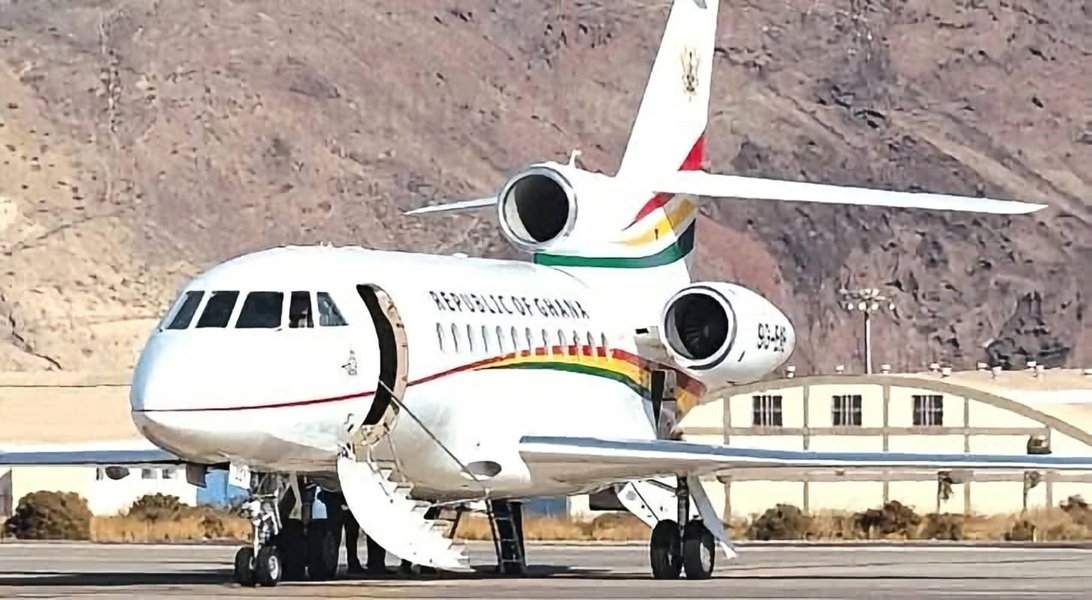
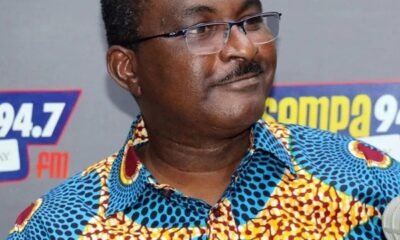
Deputy General Secretary of the United Party, Richard Sumah, has questioned Ghana’s inability to purchase a presidential jet costing about US$60 million, despite the country’s decision to commit US$97 million towards the construction of the National Cathedral.
He argued that the country’s spending priorities must be reconsidered, insisting that if the government could commit such a huge amount to the cathedral project, it should also be able to acquire a presidential jet for the state.
Speaking on Joy Prime on Wednesday, November 18, 2026, in Accra, Mr Sumah said the National Cathedral project demonstrated that Ghana could mobilise substantial public funds for major projects when it considered them a priority.
He maintained that a presidential jet would be a national asset rather than the property of any political party or government, and should therefore be considered an investment for the benefit of the state.
“Anything we buy as a country, is it an asset of the country or is it an asset for any government? It is not an asset for NDC, it’s an asset for the state,” he said.
Mr Sumah criticised the previous New Patriotic Party (NPP) administration for committing resources to the National Cathedral project at a time when the country was facing challenges, including unemployment and concerns over the payment of teachers.
He questioned why the government considered the cathedral project a priority despite those challenges, arguing that the same resources could have been directed towards other national needs.
“If today we can confidently put about $97 million in attempting to build a cathedral, why not purchase a presidential jet that costs over $60 million?” he asked.
He further argued that Ghana, despite its natural resources, including gold, timber, cocoa and diamonds, should be in a position to afford important national assets.
According to him, the issue should be considered beyond political party interests, as decisions on national investments must be guided by the country’s priorities and long-term needs.
By: Jacob Aggrey






News
AG issues directive to police, law enforcement agencies on due process in criminal investigations
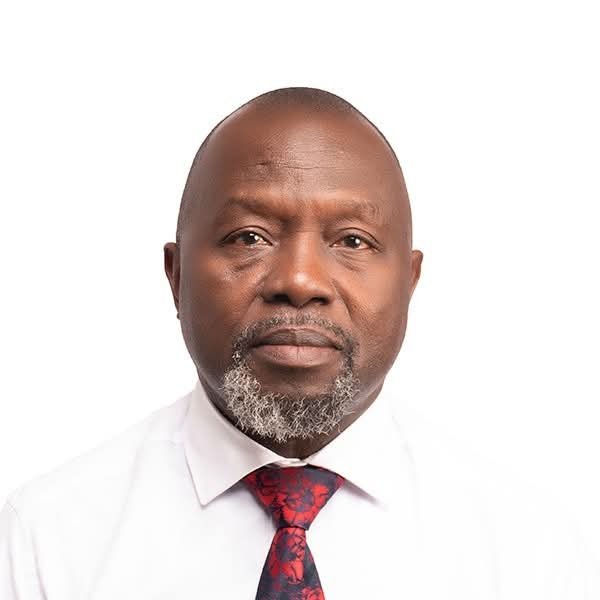
The Attorney General and Minister of Justice, has issued a Directive to the Police CID and other law enforcement agencies to regulate the conduct of criminal investigations and the handling of suspects in accordance with constitutional and legal standards.
In a November 2, 2026 document issued and signed by the Attorney General, Dr Dominic Akuritinga Ayine, the Directive lays down binding principles, procedures and conduct expected of all investigative and law enforcement agencies in the handling of investigations and processing of suspects for prosecution.
The directive is intended to correct recurring practices in the handling of criminal investigations which fall short of constitutional standards.
It is described as the most comprehensive attempt in recent years to reform how Police investigators and other security agencies arrest, detain, interrogate, charge and publicise suspects, and also forms part of broader reforms to the criminal justice system being pursued by the Attorney General.
The directive warns that the Office of the Attorney General will not lend its authority to a prosecution that rests on evidence obtained by torture or coercion and may decline to prosecute or may discontinue a case where a serious breach of the law has tainted the case.
Further, the Attorney General directs all heads of security and investigative agencies to take disciplinary action against officers who violate the directive and, in appropriate instances where the violation also constitutes a criminal offence, refer those officers for independent investigations and prosecutions.
By Edem Mensah-Tsotorme
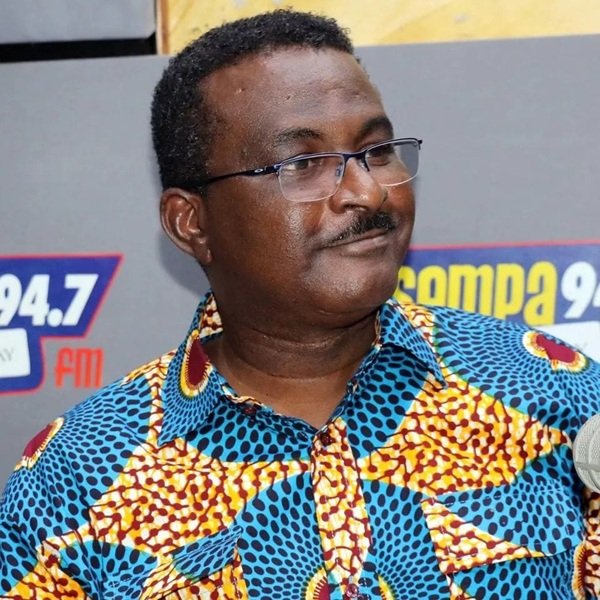
The Member of Parliament for Cape Coast South and Deputy Majority Leader, George Kweku Ricketts-Hagan, has criticised the New Patriotic Party (NPP), questioning its ability to manage Ghana’s economy.
He argued that the party was more effective at criticising the government when in opposition than managing the country’s economy when given the opportunity.
Speaking during debate on the 2027 Budget in Parliament, Mr Ricketts-Hagan said Ghanaians should not return the NPP to power, insisting that the party lacked the understanding and experience needed to manage the economy.
“Never again should the people of Ghana bring the NPP government into power to run this country. They don’t understand the economy. They don’t know how to manage an economy,” he stated.
He added that he hoped the NPP would remain in opposition for some time to continue offering what he described as constructive criticism and learn from the current government.
Mr Ricketts-Hagan questioned the party’s criticism of the country’s economic performance, arguing that its members were now portraying the economy negatively.
He urged members of the Minority to support the passage of the 2027 Budget, saying it was intended to deliver economic growth, create jobs and improve prosperity for Ghanaians.
By: Jacob Aggrey