News
Use of contraceptives among adolescent into first sex low- Research reveals

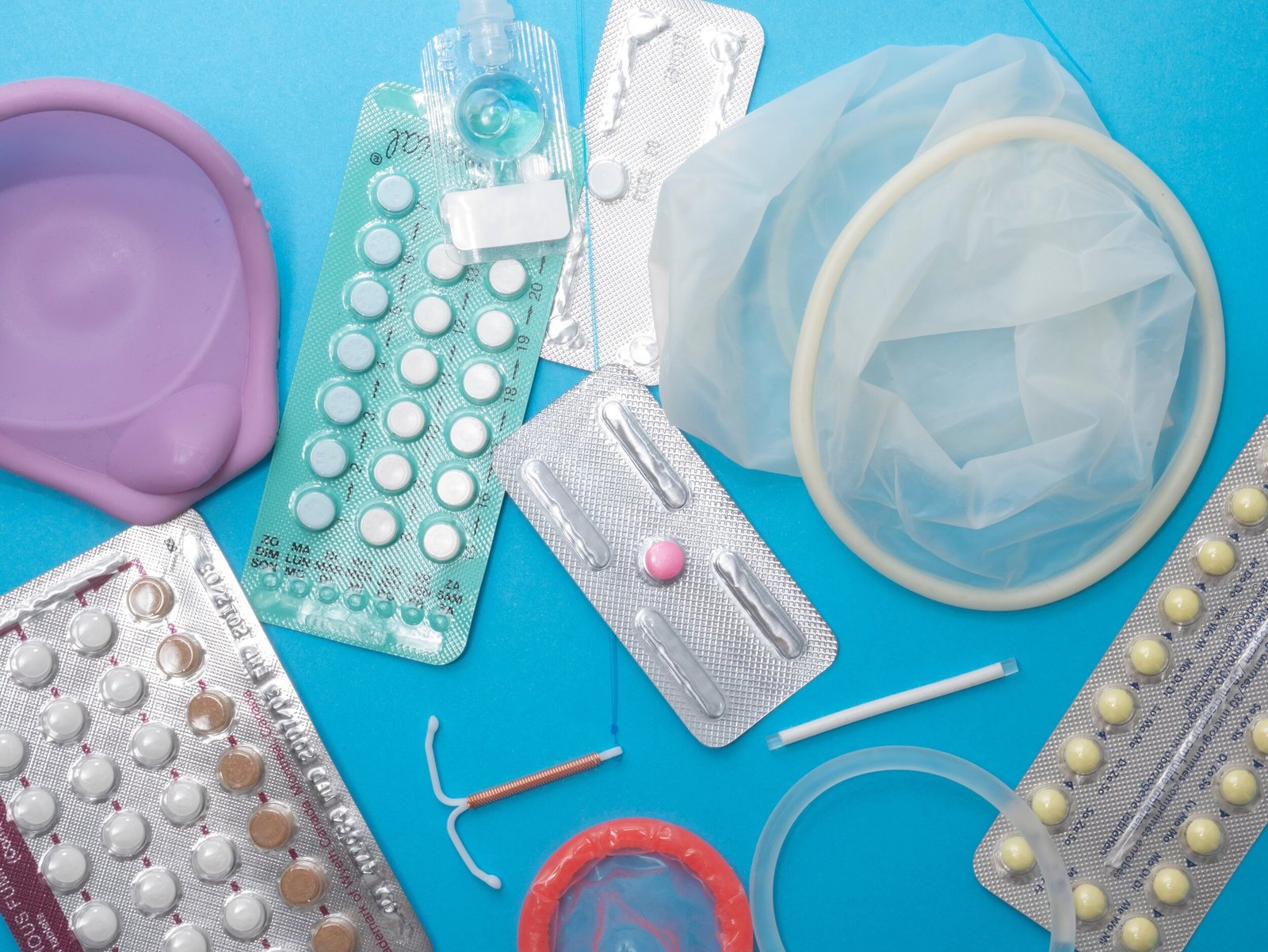
It has emerged from a research published in 2024 that the overall use of contraceptives among young people during their first sexual encounters is relatively low.
According to the research, large portions of both men and women interviewed from the Northern and Ashanti regions reported not using any contraceptive method for the first time.
The research, conducted by the USAID in 2022 sought to dissect the stage of life that marked the transition from adolescence to adulthood.
This stage of life is a great opportunity and vulnerability as they begin the establishment of romantic and sexual relationships, both within and outside of marriage and where youth often first encounter both the excitement and joys that comes with these relationships and their associated potential risks.
And with their little or no experience, it is expected that they indulge in all the safety and protective protocols to remain safe.
The report, however, indicated otherwise.
According to the study, many couples did not discuss or plan for sex, which implied that they also did not discuss using contraception.
The reason for this was because while others lacked knowledge about contraception, some also felt they were not able to make choices about using contraception themselves.
A few were also identified to intentionally choose to not use contraception.
Giving more reasons, a number of the male respondents attributed those decisions to perceptions that it was not possible for the women to become pregnant the first time she had sex.
Others ignore contraceptive use in order to ease pressure from their families to produce a child.
For the female respondents, they deferred the decision about contraception to their male partners, often because of an assumption that males had greater knowledge.
Others, according to the report, had limited interest in using contraception, often for nonspecific reasons while others actually wanted to get pregnant and intentionally chose to not use contraception for that reason.
The report also revealed that some participants that did not use contraceptives for their sexual debut, however, used them in their subsequent sex, a situation commonly reported among females than males.
The report also made startling revelation about how women described sex as transactional to get a few favours.
According to the report, sex was not all about emotions and a demonstration of love but clearly, a transaction in exchange for school fees, lodging, or food.
These transactional relationships, where there was an expectation of sex in return for money or gifts, was categorised as high coercion.
“Even within these transactional relationships, respondents often described the goodness of their benefactor, and spoke of how they trusted them and how those feelings factored into the decision to have sex,” it added.
The research also reported a variation in motivations for first sex from being curious to wanting to express the depth of love for a partner.
For many respondents, sex was seen as a demonstration of love, and of the commitment or seriousness attached to the relationship.
However, there were a range of ways in which this was experienced in relationships.
The study further said, for individuals who had their first sex within a romantic relationship but before marriage, having sex for the first time was seen as a way of establishing a relationship.
Others also saw sex as a way to create a bond and establish a relationship.
“Beyond establishing a relationship, other respondents described having sex as a sincere demonstration of love and commitment between two people, especially among those who were in a relationship but not married at the time of first sex,” it stated.
It said in other cases, sex was used as an internal pressure to prove one’s love to the partner.
By Spectator Reporter









Minister for the Interior, Mubarak Mohammed Muntaka, has confirmed that former Chief Executive Officer of the Microfinance and Small Loans Centre (MASLOC), Sedina Tamakloe Attionu, is in prison and serving her jail term.
Speaking in an interview on Joy news, Mr. Muntaka dismissed claims that the former MASLOC boss was being held in a private location.
He said she has been in the custody of the state since she returned to Ghana.
“From the day Sedina came, she has been with us, and she’s serving her time,” he said.
The minister explained that the public is not usually told the specific prison where inmates, especially high-profile persons, are being held for security reasons.
He said even judges who sentence offenders do not necessarily know the specific prison where they are sent.
“If you want to visit her, you can write to the Prisons Service. They will talk to her, and if she is interested in you coming, she will let you come,” Mr. Muntaka stated.
According to him, disclosing the location of high-profile inmates could put their lives at risk, adding that some developed countries also keep such information confidential for security purposes.
His comments come amid public speculation over the whereabouts of Ms. Tamakloe Attionu following reports that she had returned to Ghana to begin serving her prison sentence.
By: Jacob Aggrey
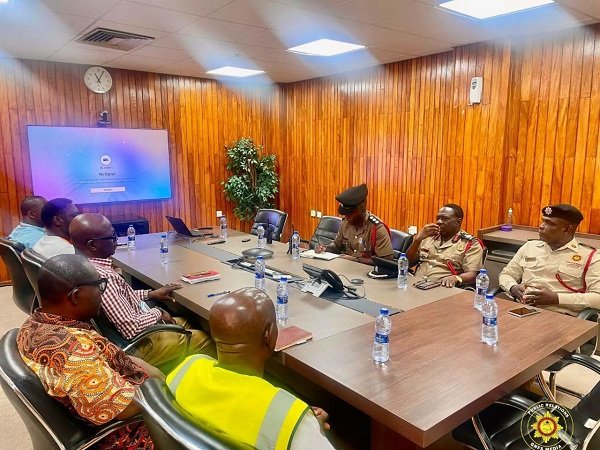
The Western Regional Commander of the Ghana National Fire Service (GNFS), ACFO I Cecil Addo, has completed a familiarization tour of major corporate and industrial institutions across the Western Region to strengthen partnerships and enhance fire safety preparedness.
The tour covered key organizations including the Bank of Ghana, GOIL PLC, Ghanstock, Western Terminals, Zen Terminal, Keda Ceramics, Takoradi International Company (TICO), Volta River Authority (VRA), Harlequin Oil and Gas, and Western Serene Atlantic Hotel.
During the engagements, the Regional Commander encouraged management of the institutions to prioritize proactive fire prevention measures by incorporating strict safety protocols into their daily operations.
Discussions also focused on improving fire readiness and strengthening collaboration between GNFS and the corporate sector.
As part of the initiative, GNFS presented firefighting equipment, including Carbon Dioxide (CO2) and Dry Chemical Powder (DCP) extinguishers, as well as Fire Extinguishing Balls, to support workplace safety.
The institutions expressed appreciation for the outreach and pledged to support regular safety audits, joint emergency drills, and potential Corporate Social Responsibility (CSR) partnerships with the Service.

 News1 week ago
FSD Africa, others launch Green Project Preparation Facility to unlock investment in climate infrastructure in Ghana
- News1 week ago
Merck Foundation holds 13th Africa Asia Luminary with 12 First Ladies to advance healthcare capacity across Africa and Asia
- News1 week ago
Bryan Acheampong calls for unity, urges Kennedy Agyapong to support Dr. Bawumia