News
The silent strength of a single father: Augustine Donzuo’s story

- /home/u249204778/domains/spectator.com.gh/public_html/wp-content/plugins/mvp-social-buttons/mvp-social-buttons.php on line 27
https://spectator.com.gh/wp-content/uploads/2025/06/1001668264-800x600.jpg&description=The silent strength of a single father: Augustine Donzuo’s story', 'pinterestShare', 'width=750,height=350'); return false;" title="Pin This Post">
- Share
- Tweet /home/u249204778/domains/spectator.com.gh/public_html/wp-content/plugins/mvp-social-buttons/mvp-social-buttons.php on line 72
https://spectator.com.gh/wp-content/uploads/2025/06/1001668264-800x600.jpg&description=The silent strength of a single father: Augustine Donzuo’s story', 'pinterestShare', 'width=750,height=350'); return false;" title="Pin This Post">
The a world that often overlooks the silent burdens men carry, the story of Augustine Santiero Donzuo stands as a powerful reminder of resilience, sacrifice and unspoken struggles of single fatherhood.
As the world celebrates Father’s Day, it’s easy to focus on the traditional image of fatherhood which is provider, protector and a stern loving figure, but beyond these are silent struggles fathers go through especially single fathers.
For the past five years, Augustine has navigated life as a single parent of two children-a boy and a girl on his own while juggling the demands of work, education and emotional survival.
The story of Augustine is not just about parenting, it is about endurance, heartbreak, and an unwavering commitment to his children in the face of overwhelming odds.
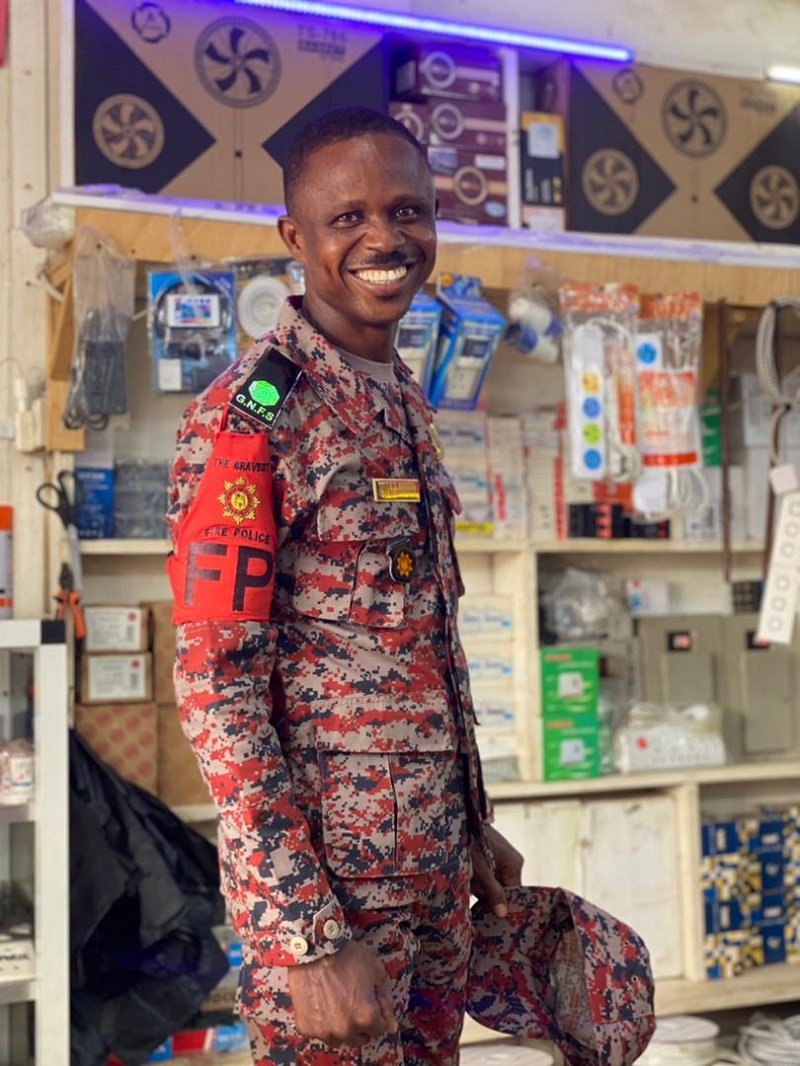
He lives and works in Tarkwa in the Western Region, juggling life as a Fire officer, caretaker, and sole emotional support for his children.
His quiet strength is a reminder that fatherhood is not always loud. Sometimes, it’s found in the simple act of staying-when walking away would have been easier.
Augustine’s journey began in January 2010, when he married the woman he loved. Unknown to him at the time, she was already pregnant. Not long after their marriage, he was posted to the Upper West Region following his enlistment into the Ghana National Fire Service.
The distance tested their relationship early on. He tried his best to visit, and eventually brought her to join him. But subtle signs of strain began to show—mostly from his wife’s family. What began as minor disagreements cracked the foundation of their union.
By 2016, after six years of marriage, their relationship collapsed. Augustine was devastated. He had tried to reconcile, visiting her family, calling, sending money, but her responses became cold, distant, and final. “One day she told me, ‘I will never come today, I will never come tomorrow. I am not even bringing your children,” he recalls.
Despite the pain, he continued sending money for their upkeep. “I did it for my children,” he says. “Even when love is gone, responsibility remains.”
In 2017, Augustine’s ex-wife filed a complaint at Legal Aid, claiming neglect. But when questioned, her story shifted, first to abandonment, then to demanding more money. The panel quickly sensed the inconsistencies. Augustine explained how he had continued to support her, even buying food and supplies for her business which included loans he was still paying.
“What hurt me most was the dishonesty,” he says. “She told her family things I never said. At some point, I realised she didn’t want reconciliation, she wanted to cut ties, but with benefits.”
She requested GH¢700 monthly in support, a sum he said was impossible given his salary and loans. “Even after separation, I was paying school fees, buying clothes, sending money. If I wanted to walk away, I wouldn’t have spent a dime.”
Then, in 2018, came a moment that would change everything. One evening, his ex-wife returned the children, unexpectedly and without agreement. Accompanied by her father, she dropped them off, leaving Augustine to become a full-time single parent overnight.


“The girl was nine, the boy six. They didn’t say much. They just stood there, confused. I had to become everything for them, father, mother, friend, protector,” Augustine said.
What followed were years of sacrifice and solitude. Without nearby relatives or a strong support system, he had to rely entirely on himself.
He would leave work and rush home to cook, help with homework, do laundry, and nurse fevers. “I lost a lot,” he admits. “Friends, freedom, even parts of myself.” And yet, he never gave up.
Raising children is never easy, but doing it alone, while still carrying the weight of betrayal and financial hardship which left scars. Augustine recounts the long nights, praying his children would grow up healthy and happy despite the absence of their mother.
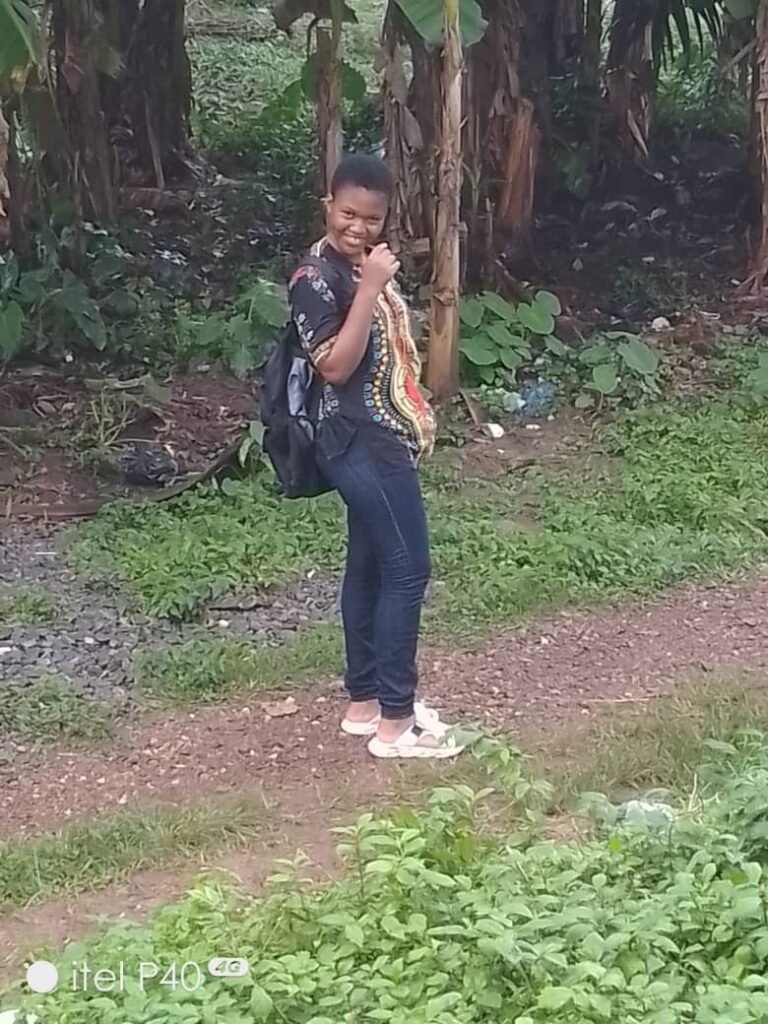
His daughter, now 15 and in SHS, has grown quieter. “There are days I just sit and cry,” he says. “When my daughter asks, I say ‘nothing.’ then she says, I see tears flowing, I will still say it’s nothing.
Augustine said there were moments he had considered giving up. “I had thoughts,” he confesses. “When life felt too heavy. When no one checked on me. “I understood why some people commit suicide,” he said.
But then I remembered I have two lives depending on me, if I am gone, who will take care of them?” That question has kept him going, one day at a time.
Today, Augustine’s children are thriving. His daughter is doing well in school, and his son has grown into a thoughtful, cheerful boy. But their success has come at a cost, paid for with sleepless nights, missed opportunities, and invisible emotional wounds.
“I don’t want pity,” he says. “I just want people to understand what fathers feel too. We cry, we break, but we don’t always show it,” he added.
This Father’s Day, Augustine’s journey reminds the world of the quiet fathers, who are often unseen and seldom celebrated.
They are the ones redefining fatherhood in Ghana and beyond, embodying responsibility, patience, and love in the most demanding circumstances.
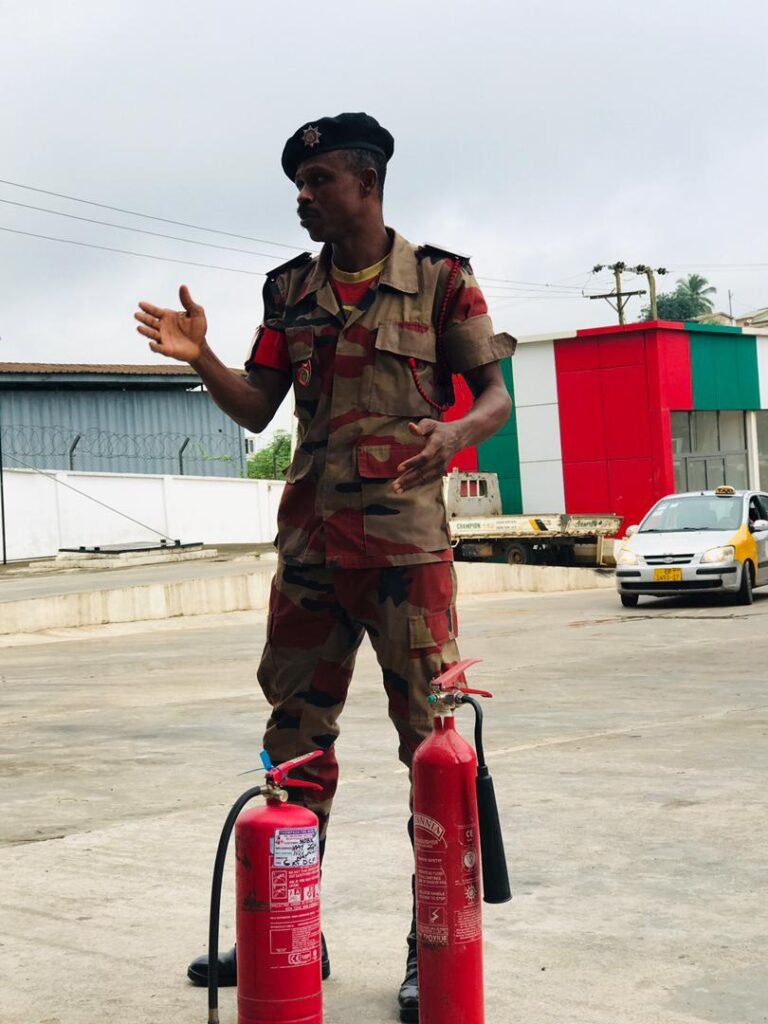
For Augustine, he would not wish this life for his worst enemy,” but for him, there is purpose, “I will keep going because they need me, and that’s enough.”
Currently in Ghana, Father’s Day is gradually evolving with traditions often marked by cards, media tributes, and public applause, which reflects a growing appreciation of paternal sacrifice.
By Esinam Jemima Kuatsinu






News
OSP probes alleged GH¢70,000 vetting cash linked to Patricia Appiagyei; Minority says memo is fake
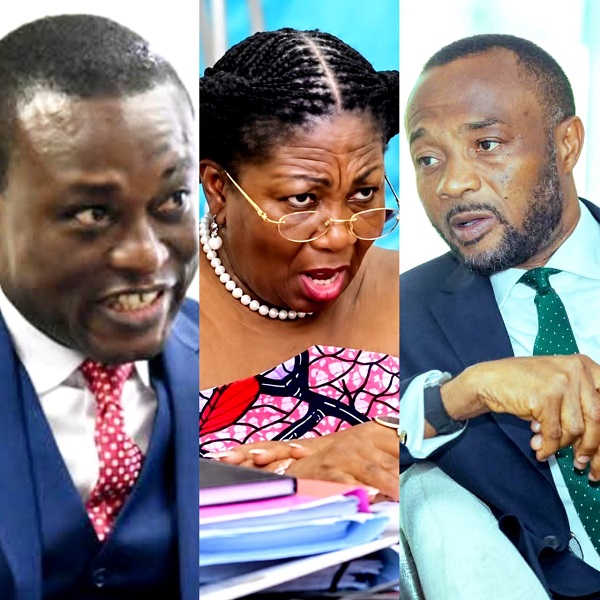
The Office of the Special Prosecutor (OSP) has commenced preliminary investigations into allegations surrounding GH¢70,000 reportedly allocated in connection with the vetting of ministerial and Supreme Court nominees by Parliament’s Appointments Committee.
The probe follows a memorandum circulating on social media, purportedly authored by the Deputy Minority Leader and MP for Asokwa, Patricia Appiagyei.
The document, allegedly addressed to the Minority Chief Whip and MP for Nsawam-Adoagyiri, Frank Annoh-Dompreh, claimed that Mrs. Appiagyei returned GH¢70,000 given to her as an advance from the Majority Chief Whip.
According to the memo, the money was linked to the vetting of two ministerial nominees and three Supreme Court nominees.
In a public notice issued on September 4, the OSP said it has begun investigating the authenticity of the document, the source of the alleged funds and the purpose for which the money was allegedly provided.
The Office noted that the content of the purported memorandum raises concerns about the source of the money and possible extortion of the nominees.
“Given the constitutional importance of the Appointments Committee of Parliament and the need to safeguard the integrity of the vetting process,” the OSP said it considered it necessary to investigate the matter.
The OSP disclosed that it has invited Mrs. Appiagyei to assist with the preliminary investigation, adding that it is probing all allegations of extortion involving Members of Parliament.
Meanwhile, Second Deputy Minority Whip, Jerry Ahmed Shaib, has dismissed claims that the Asokwa MP returned the alleged GH¢70,000.
Speaking to Citi News, Mr. Ahmed described the letter circulating online as fake, stating that Mrs. Appiagyei herself confirmed she had no knowledge of its origin.
“She has confirmed that she has no idea where the letter emanated from or who authored it,” he said.
The purported letter had claimed that Mrs. Appiagyei returned the money because she did not know its source and did not want to personally benefit from the vetting of government officials and Supreme Court nominees. It also referenced the Minority’s decision not to participate in the vetting of three Supreme Court nominees.
Mr. Ahmed said checks conducted on the Majority side also indicated that no such letter or payment originated from them.
By Edem Mensah-Tsotorme and Jacob Aggrey
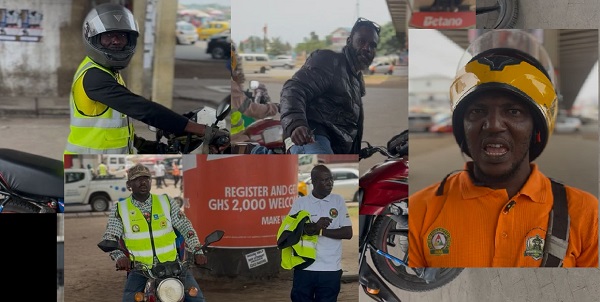
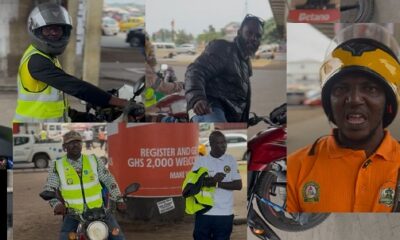
The Commercial National Motor Riders Union (CNMRU) has dismissed claims that the government has failed commercial motorbike riders after receiving their support during the 2024 general election campaign.
The union described allegations by a group known as the Okada Riders Association (ORAG) as false and misleading, insisting that the government has taken concrete steps towards legalising and regulating commercial motorcycle operations.
In a statement issued after a press conference on August 18, the CNMRU stated that the government established a technical committee after the 2024 elections to conduct research and engage stakeholders on the regulation of Okada operations.
According to the union, it has been actively involved in the process, representing the interests of commercial motor riders across the country.
It added that a delegation of stakeholders travelled to Rwanda to study that country’s system for regulating commercial motorcycle operations.
The delegation included representatives of the CNMRU, the National Road Safety Authority, the Driver and Vehicle Licensing Authority (DVLA) and the Ministry of Transport, the statement noted.
The union further stated that the bill on the regulation of commercial motorcycle operations has been laid before Parliament and is going through the legislative process.
“This is concrete progress, and it demonstrates that the government has not abandoned the Okada riders,” the CNMRU stated.
It also said sensitisation programmes were ongoing across the country to educate riders on road safety, licensing, responsible riding and the expected legal framework for commercial motorcycle operations.
The union noted that it was working with the government and the DVLA to bring mobile licensing services closer to riders and assist them in obtaining driving licences at subsidised rates.
It also welcomed plans to establish an electric motorcycle initiative in Ghana, which it said would provide commercial riders with access to environmentally friendly motorcycles under a work-and-pay arrangement.
The CNMRU explained that it supported President John Dramani Mahama and the National Democratic Congress (NDC) during the 2024 election campaign because of their commitment to address the legal and regulatory challenges facing commercial motor riders.
“We supported a commitment, and today we are witnessing concrete steps toward fulfilling that commitment,” it stated.
However, the union acknowledged that not all the challenges facing Okada riders had been resolved.
It urged commercial motor riders, the media and the public to distinguish between what it described as political propaganda and the work being undertaken to regulate the sector.
By: Jacob Aggrey