News
The rains are here again! Let’s all put our hands on deck

The rains are here again with its attendant problems of floods resulting in loss of lives, destruction of properties and heavy traffic due to the bad nature of our roads,
A typical example is the June 3, 2015 flooding and fire disaster in Accra which claimed hundreds of lives and injured many, most of whom were taking shelter at a petrol filling station.
It has now become an annual phenomenon that in the rainy season the least incessant downpour results in flooding in most parts of Accra leading to loss of lives and the destruction of properties worth millions of cedis.
Last Tuesday’s downpour at dawn, which lasted for about four hours resulted in flooding in some parts of Accra with about six deaths and loss of properties. This was followed by another downpour on Wednesday evening which caused flooding and created heavy traffic jam on some major roads in Accra, especially the North Kaneshie Industrial Area route to the Kwame Nkrumah Circle.
The causes of these floods are evident. Despite the havoc of floods, people are oblivious and continue to litter the environment dumping refuse into drains. This has led to choked gutters.
Coupled with that, the least downpour exposes the bad nature of our roads and in such instances a journey of about 30 minutes could take several hours as drivers try to swerve the potholes to avoid damaging their vehicles. In some cases the potholes are so deep that the road becomes unmotorable.
There is the need to take action to avert any disaster. On June 6, as part of measures to educate the public to prevent flooding, the Minister of Works and Housing, Mr Samuel Atta Akyea, with support from Zoomlion Ghana Limited embarked on a sensitisation campaign to clear the drains in some parts of the Eastern, Greater Accra and the Ashanti regions. The initiative is commendable and this must be extended to other areas to sensitise more people as some are recalcitrant and litter indiscriminately thus posing danger to other residents.
The assemblies must be proactive to enforce bye-laws in order to punish those who are recalcitrant and dump refuse in open drains. This would deter others from treading that same path.
The Metropolitan, Municipal and District Assemblies (MMDAs) must get involved in the fight and constantly organise public education on the need for people to keep their environment clean to promote healthy living.
Barely a week ago on Friday, June 5, World Environment Day was observed and one of its objectives was “to encourage people to make their nearby surroundings safe, and clean to enjoy safer, cleaner and more prosperous future.”
The Spectator is, therefore, of the view that individuals must also be responsible enough to volunteer to clear the drains in their neighbourhood to control the annual flooding during the rainy season which claims lives and destroys property. The average citizenry, especially market women must be educated on sanitation practices and also sensitised to constantly practise good personal hygiene.
One disturbing issue is that people keep building on waterways but this must stop. The authorities should not allow such things to happen. Those who buy plots of land should be vigilant and make the necessary checks with the appropriate authorities before they commit themselves.
Those in low lying areas and water ways should take the necessary precautions and relocate to safety in times of a downpour.
As the Meteorological Department had announced that this year, the rains would be heavy and The Spectator hopes that authorities would continue with the dredging of storm drains and desilting of gutters to avert any disaster.
Since some people continue to litter, we suggest that refuse containers must be placed at vantage points in the cities and emptied regularly. Poor sanitation has resulted in most of these perennial floods and its attendant problems.
Remember, the rains are here again! Let’s all put our hands on deck to save lives.



Medical Doctor and dietician, Dr Bernice Korkor Asare, has urged women to take greater responsibility for their lifestyle choices, particularly their eating habits and levels of physical activity, to help reduce their risk of developing breast cancer.

According to her, although, some breast cancer risk factors, such as family history and certain reproductive factors, may not be within an individual’s control, lifestyle choices offer an opportunity for people to take preventive action.
She made this known during a talk on the topic: “Role of diet in breast cancer prevention” organised by Times Ladies Association of the New Times Corporation, publishers of The Ghanaian Times and The Spectator, in Accra on Thursday.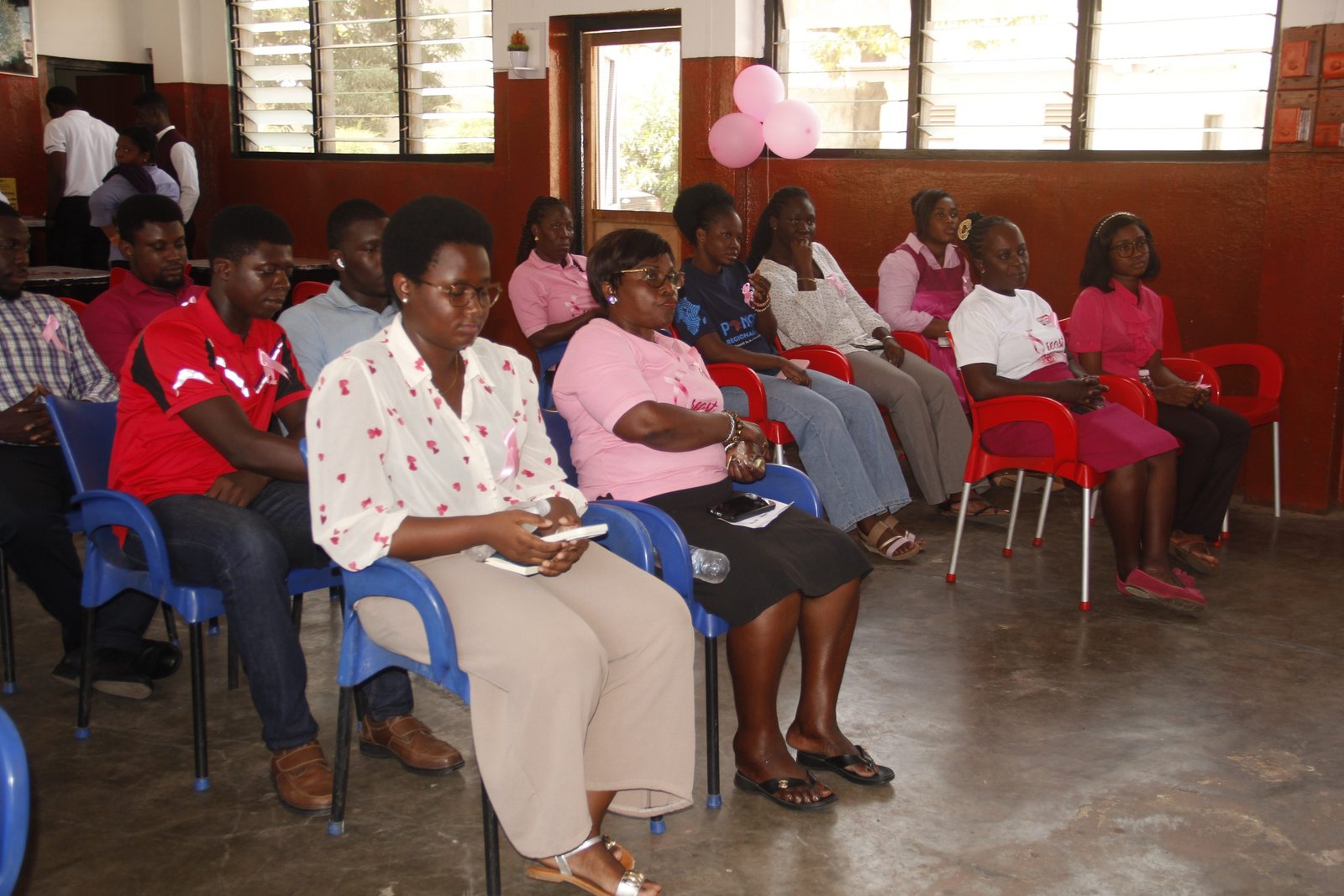
The event themed “Breast Cancer Awareness- Promoting Early Detection, Healthy Eating and Prevention.” 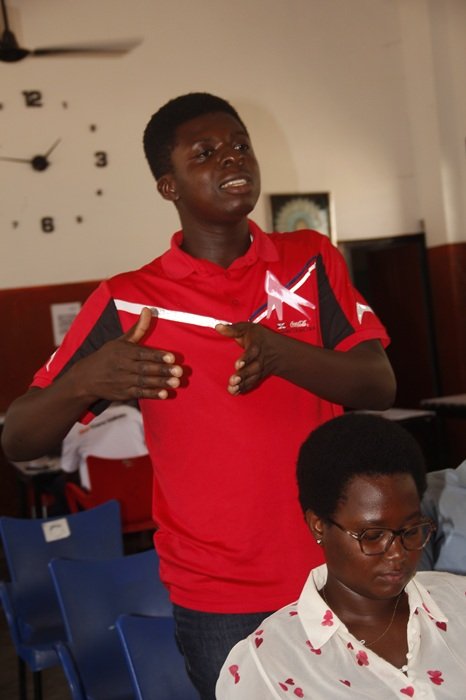
She noted that having a risk factor did not automatically mean a person would develop breast cancer, but could increase the likelihood of developing the disease compared with someone without that particular risk factor.
“Having close relatives who have had breast cancer, particularly a mother, sister or daughter, may increase the risk, although not everyone with a family history will develop the disease,” Dr Asare opined. Read More.
By Adizatu K. Munkaila
SKIP THE QUEUE, TAP THE NEWS
Read Daily News
You can now read the Ghanaian Times and The Spectator newspapers from the comfort of your device via TimesNewsPlus.
Buy Maps
Join our WhatsApp Channel: https://whatsapp.com/channel/0029VbBElzjInlqHhl1aTU27
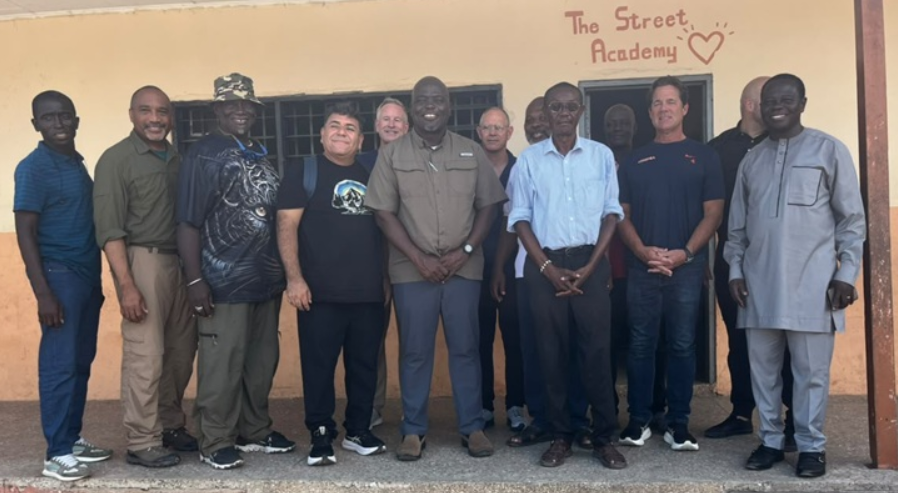
A group of compassionate friends from Innovation Gospel Impact last Friday visited the management, teachers and learners of the Street Academy in Accra.
The visit was to interact to get a deeper insight into the operations of the Academy that houses hundreds of street and underprivileged children and find ways to support them.
The team was led by Rev. Dr Isaac Apenteng Yeboah, a former Director for West African Mailbox Club and Director for Prisons Support Foundation, and Rev. Dale Sutherland from Washington DC.
The call, according to the visitors was occasioned by reports about the struggles of the Academy despite the occasional support it enjoys from individuals and some corporate entities.
Briefing them, the Founder and Executive Director of the Academy, Dr Ataa Lartey, thanked them for the concern showed, indicating that “this is a major boost for both teachers and learners; knowing that their plight is known by people outside their premises.”
According Dr Lartey, the Academy had planned to undertake a number of project to enhance teaching and learning and also procure facilities for the children with keen interest in sports but had to shelve those plans for lack of finance.
He told the team that their biggest concerns were the monthly utility bills that takes a toll on their finances.
“We have a piece of land we planned to turn into an astro turf pitch to train the younger ones whose interests lies in making a career out of football, however, we have been unable to commence because there is no money now,” he said.
Dr Lartey expressed gratitude to the teachers who have dedicated their lives to training these children, rather than going for well-paying jobs and hoped that with time, their conditions of engagement would improve.
Moved by the plight of the Academy, the group donated a cash amount of Gh₵3,000 to settle its water bills.
They described as unfortunate the conditions of learners and teachers of the Academy and pledged to continuously support their operations to realize the dream to build a better future for the unfortunate children.
The group offered to support the school with its monthly utility bills, feeding and staff allowance and urged the Academy staff to remain in constant touch with them.
The Street Academy is located at the Accra Art Center and offers brilliant but needy the chance to pursue their educational dreams by enrolling them in public schools with others offered training in sports and cultural activities.
By Spectator Reporter
SKIP THE QUEUE, TAP THE NEWS
You can now read the Ghanaian Times and The Spectator newspapers from the comfort of your device via TimesNewsPlus.
Join our WhatsApp Channel: https://whatsapp.com/channel/0029VbBElzjInlqHhl1aTU27