
Hot!
Tema Metropolitan Assembly collects GH¢35,390,234 revenue

- /home/u249204778/domains/spectator.com.gh/public_html/wp-content/plugins/mvp-social-buttons/mvp-social-buttons.php on line 27
https://spectator.com.gh/wp-content/uploads/2020/06/Tema-Metropolitan-1.........Mr-Mensah-Anang-La-inset-addressing-the-assembly.jpg&description=Tema Metropolitan Assembly collects GH¢35,390,234 revenue', 'pinterestShare', 'width=750,height=350'); return false;" title="Pin This Post">
- Share
- Tweet /home/u249204778/domains/spectator.com.gh/public_html/wp-content/plugins/mvp-social-buttons/mvp-social-buttons.php on line 72
https://spectator.com.gh/wp-content/uploads/2020/06/Tema-Metropolitan-1.........Mr-Mensah-Anang-La-inset-addressing-the-assembly.jpg&description=Tema Metropolitan Assembly collects GH¢35,390,234 revenue', 'pinterestShare', 'width=750,height=350'); return false;" title="Pin This Post">
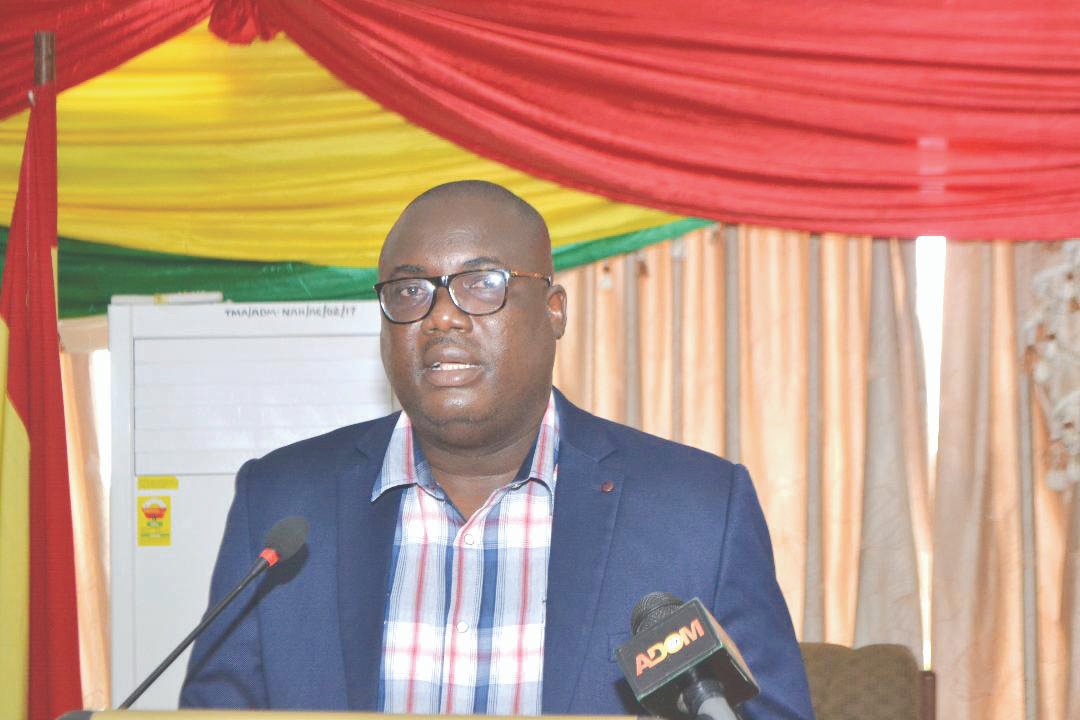
The Chief Executive Officer of Tema Metropolitan Assembley (TMA), Mr Felix Mensah Nii Anang-La, has disclosed that the assembly recorded 18 per cent growth in revenue generation in the 2019 fiscal year.
This, according to him, was due to the deployment of robust revenue mobilisation techniques.
Addressing the first ordinary meeting of the first session of the 8th assembly here yesterday, Mr Anang-La said the assembly raked in revenue of GH¢35,390,234.44 out of a budget of GH¢44,495,142.72.
He explained that money collected was made up of internally generated funds of GH¢23,292,321.49 and Government of Ghana grants and other transfers amounting to GH¢12,097,912.95.
Mr Anang-La said the assembly incurred an expenditure of GH¢35,703,387.62 on programmes and projects within the same period.
He said to boost revenue mobilisation, the assembly would introduce mobile money payment system.
He warned against the erection of structures without permits and hinted that the assembly would take steps to rid the area of slums.
Mr Anang-La commended the metropolitan security committee for helping to reduce the crime rate in the area, and indicated that the security personnel would intensify patrols in communities and highways, to keep the metropolis safe.
On health, he said records from the Tema General Hospital showed that upper respiratory tract infection, acute ear infections, skin infections and gynecological conditions were among the top 10 outpatient department conditions.
“The Assembly and the Department of Health Services have instituted measures to reduce the impact of these diseases in 2020. These include reduction of maternal mortality through capacity building in managing pregnancy induced hypertension, malaria and upper respiratory tract infection and equip five CHPS compounds with the needed logistics to provide healthcare at the community level,” Mr Anang-La said.
He said 80 per cent of refuse generated in the metropolis was evacuated to land fill sites.
Mr Anang-La said the assembly was implementing plans to register waste service providers, inspect selected premises, increase awareness on hygienic practices, scale up screening of food vendors and enforce sanitation by-laws.
He thanked individuals and organisations that supported the TMA Covid-19 Response Team to prevent the spread of the virus.
The Tema Metropolitan Officer of the Electoral Commission, Manase Ofosuhene Asante, outlined the programme for registration of voters in the Tema Metropolis from June 30, 2020 to August 6, 2020.
He said the programme to be executed in five phases would cover all the 268 polling stations in the Tema Metropolis.
Mr Asante urged all Ghanaians aged 18 and above and of sound mind to visit their respective polling stations and register.
He said a registration centre (District Registration Centre) would be set up at the district electoral office to cater for the needs of vulnerable people.
Mr Asante advised all visitors to polling registration centres to follow hygiene protocols being rolled out by the EC, to prevent COVID-19 infections.
Source: Ghanaian Times

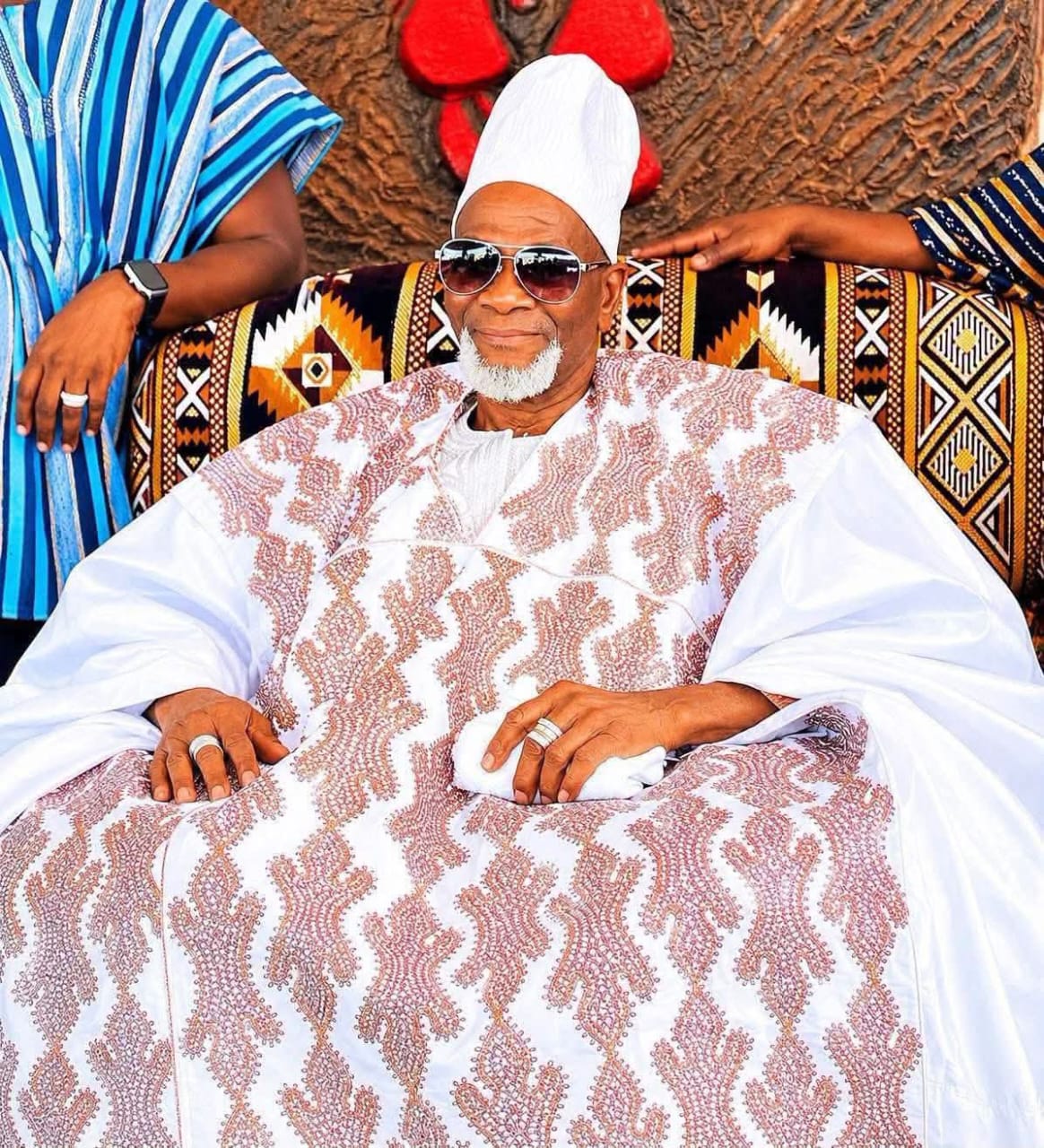
The Government of Ghana has expressed profound sadness over the passing of His Majesty Yaa Naa Abukari Mahama II, King of Dagbon.
In a statement issued on Monday, President John Dramani Mahama, on behalf of the Government, extended his deepest condolences to the Royal Family, the people of Dagbon, and the entire nation.
“The Government of Ghana has received with profound sadness the news of the passing of His Majesty Yaa Naa Abukari Mahama II,” the statement said.
President Mahama described the late King as a distinguished traditional ruler whose reign was defined by healing, reconciliation, and lasting peace in Dagbon following years of conflict.
The statement noted that His Majesty’s “unwavering commitment to unity, stability, and the welfare of his people created an enabling environment for development”and strengthened the partnership between traditional authorities and Government in advancing progress across Dagbon and Ghana.
The Government paid tribute to the life and legacy of Yaa Naa Abukari Mahama II, and honoured his invaluable service to the nation.
“May his wisdom, leadership, and dedication to peace continue to inspire future generations. May his soul rest in perfect peace,” the statement concluded.
The passing of Yaa Naa Abukari Mahama II marks the end of an era for Dagbon, which saw significant strides in unity and development under his leadership.
By Edem Mensah-Tsotorme

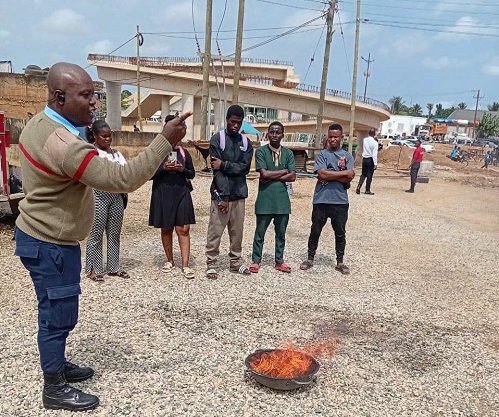
The Ghana National Fire Service (GNFS), Hohoe Municipality Command, has conducted fire safety inspections and public education at selected fuel filling stations within the municipality.
The exercise, held from July 3, 2026 to July 5, 2025 was led by the Municipal Commander, DO III Bismark Hosu-Porbley.
During the inspection, the team assessed the fire safety preparedness of the facilities. Staff were also educated on fire prevention, emergency response procedures, and the proper use of firefighting equipment.
Management of the affected fuel stations expressed appreciation for the exercise and pledged to comply with the recommended safety measures.
The GNFS said the exercise reaffirms its commitment to continuous fire safety awareness and risk reduction to safeguard lives and property.
By Edem Mensah-Tsotorme


