Nutrition
Staying sinusitis free with our diet

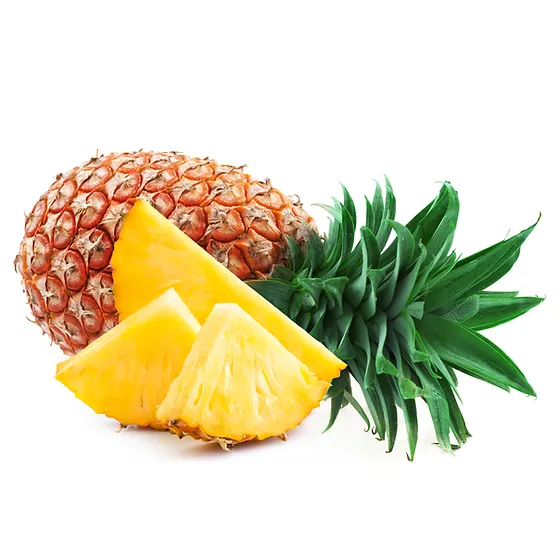
Pineapple
In this chapter, we will be discussing how we can live a sinusitis free life with our diet.
If you are fed up with that swollen, achy feeling in your forehead, and your cold or hay feverseems to have lasted far longer than usual, you might have sinusitis.
The sinuses are hollow air spaces inside the bones surrounding the nose. Sinuses produce mucus, which drains into the nose. Unfortunately, swelling in the nose can block the sinuses and cause pain and infection. When the sinuses get infected or inflamed, it is called sinusitis.
Some causes include allergies, pollutants, nasal problems, and certain diseases. Symptoms of sinusitis may include fever, weakness, fatigue, cough, and nasal congestion. Nasal drip (mucous drainage in the back of the throat) may also be present.
Management of sinusitis is mainly conservative and medical. Diet plays a key role in the management as well.
Foods to include
Antioxidant (vitamins A, C, E, and glutathione) rich foods such as; sweet potatoes, carrots, avocados, oranges, and honeydew melons.
Bromelain rich foods such as; fresh pineapples.
Probiotic bacteria, commonly found in probiotic yogurt.
Water moistens the mucous membrane, facilitating proper draining of the sinuses.
Foods to avoid
Dairy and related products such as; milk, cheese, custard, and butter.
Gluten-containing foods such as wheat and wheat products.
Monosodium glutamate, often found in canned foods, salad dressing, deli meats, and fast foods.
Lifestyle modification
Avoiding all forms of allergens.
Cessation of cigarette smoking or secondhand smoking.
Moderation of alcohol.
Inhalation of vapour from warm water.
Applying heating pads to the inflamed area.
In conclusion, having sinusitis can be one of the most inconvenient experiences ever; a massive pain-in-the-head. Knowing the symptoms and tackling them before they arrive will be most rewarding, and the above dietary and lifestyle changes will be sure to take care of us.
The writer Dr Bernice Korkor Asare is the CEO of Holistic Health Consult
“Your diet your health, your health your wealth”
E-mail: holistichealthconsultgh@gmail.com


Ingredients
-2 cups of cooked rice
-Oil
-2 pounds of fresh lobsters
-1/2 tablespoonful of grinded ginger
-1/4 teaspoon salt
-1/2 onion
1 cup frozen peas
-3 large carrots
-3 eggs
-3 tablespoonful of soy sauce
-2 tablespoonful of diced green onions
Preparation
-Cut lobsters into bite-sized pieces and toss for 2minutes.
-Put a saucepan on fire and add a tablespoonful of oil.
-Stir in diced onion, garlic, peas, carrots and other vegetables.
-Add rice and stir to coat. Stir occasionally until rice is warmed through.
-Add soy sauce to the rice and stir well
-Remove from heat and serve.
Benefits of Lobsters
Snack (Baobab drink)
Ingredients
-Condensed milk
-5 tablespoonful of honey (optional)
-1 teaspoonful of flavour (vanilla or strawberry essence)
Preparation
-Place 2 tablespoonful of baobab powder in a bowl and mix with water.
-Set mixture aside for it to dissolve properly.
-Sieve the baobab mixture to remove lumps and fibre for a smooth drink.
– Add honey or sugar, milk and flavour to your taste.
-Best served chilled.
By Linda Abrefi Wadie
SKIP THE QUEUE, TAP THE NEWS
You can now read the Ghanaian Times and The Spectator newspapers from the comfort of your device via TimesNewsPlus.
Buy Maps
Join our WhatsApp Channel: https://whatsapp.com/channel/0029VbBElzjInlqHhl1aTU27

Lobster is a nutritious seafood that provides several health benefits. It is rich in protein, vitamins, minerals and healthy nutrients that support the proper functioning of the body.
– Builds and repairs body tissues: Lobster is rich in high-quality protein, which helps build muscles and repair damaged tissues.
-Supports brain health: It contains vitamin B12, which helps maintain healthy nerves and supports proper brain function.
Strengthens the immune system: Lobster contains zinc and selenium, minerals that help the body fight infections and protect cells.
– Promotes healthy bones: It provides phosphorus and some calcium, which contribute to strong bones and teeth.
–Supports heart health: Lobster contains omega-3 fatty acids, which may help support cardiovascular health.
–Prevents anaemia: Its vitamin B12 and iron content help the body produce healthy red blood cells.
–Supports thyroid function: Lobster contains iodine, which the thyroid gland needs to produce hormones that regulate metabolism.
–Helps maintain healthy skin: Its protein and zinc contribute to skin growth, repair and maintenance.
Supports energy production: Vitamin B12 and other B vitamins help the body convert food into energy.
Helps maintain healthy muscles: Its protein and potassium support muscle function and maintenance.Health.com
SKIP THE QUEUE, TAP THE NEWS
You can now read the Ghanaian Times and The Spectator newspapers from the comfort of your device via TimesNewsPlus.
Buy Maps
Join our WhatsApp Channel: https://whatsapp.com/channel/0029VbBElzjInlqHhl1aTU27