News
Stakeholders dialogue on domestic revenue mobilization at Shama


- /home/u249204778/domains/spectator.com.gh/public_html/wp-content/plugins/mvp-social-buttons/mvp-social-buttons.php on line 27
https://spectator.com.gh/wp-content/uploads/2022/03/Representatives-of-Shama-Traditional-Council-and-other-participants-at-the-forum.jpg&description=Stakeholders dialogue on domestic revenue mobilization at Shama', 'pinterestShare', 'width=750,height=350'); return false;" title="Pin This Post">
- Share
- Tweet /home/u249204778/domains/spectator.com.gh/public_html/wp-content/plugins/mvp-social-buttons/mvp-social-buttons.php on line 72
https://spectator.com.gh/wp-content/uploads/2022/03/Representatives-of-Shama-Traditional-Council-and-other-participants-at-the-forum.jpg&description=Stakeholders dialogue on domestic revenue mobilization at Shama', 'pinterestShare', 'width=750,height=350'); return false;" title="Pin This Post">
Friends of the Nation (FON) in collaboration with the Shama District Assembly recently organised a stakeholders’ engagement on tax dialogue and validation of the 2021 Annual Progress Report (APR) of the Assembly.
The meeting which was attended by taxpayers including market women, artisans, farmers, representatives from Shama Traditional Council and departmental heads, was part of measures to boost domestic revenue mobilisation in the Shama District of the Western Region.
Opening the workshop, the Monitoring and Evaluation Coordinator of FON, Nana Efua Ewur, explained that the programme was aimed at accounting to the citizenry on activities implemented in 2021 and also discuss the way forward for resource mobilisation in 2022.
The District Planning Officer, Alhaji Abu Mahama, also told the participants that the engagement was to showcase the assembly’s technical and financial report for stakeholders to make inputs before it was forwarded to Accra.
He said that the district assembly was working harder to become a model district in Ghana and that in 2021, out of 64 planned projects, 59 were executed, saying that, “not all have been completed.”
The Budget Officer of the Shama District Assembly, Mr Emmanuel Nana Yartel, reported that, many people still had some misconceptions about the assembly’s revenue mobilisation management.
It was for this reason that, the assembly with support from FON, for the past years, had been engaging stakeholders on tax dialogue in so many ways to deepen citizens’ participation and understanding in domestic financing at Shama.
Mr Yartel said “The purpose of taxation is to fund public goods and services, undertake public infrastructure, for example, schools and markets, stabilise the economy and also redistribute income. Again, the basis for charges are also to deter quacks and incompetent persons from operating and also to register businesses.”
Speaking on the expenditure pattern of the assembly, he indicated that, there had been gradual increment of the assembly’s internally generated fund (IGF), explaining that, the successes were due to the assembly’s engagement with taxpayers and stakeholders.
“Currently we have a database of tax payers and still updating it. We need to widen the net of our internally generated fund (IGF) and let people in the district be aware about how funds are utilised.
“The assembly will continue to strengthen its tax payer services and tax expenditure on the dashboard to ensure accountability and transparency in a bid to engender confidence in the tax payer.” the budget officer said.
Mr Yartel mentioned that cemeteries and burial grounds, charity or public educational institutions, public hospitals and clinics and premises owned by diplomatic missions, as may be approved by the Minister for Foreign Affairs, were exempted from assessment and rating tax.
During an open forum, the Queen of Nyanikrom , Nana Akosua Gyamfiaba 11, appealed to the assembly to be moderate in it budget proposal so as not to project huge and unrealistic budget which could not be realised.
By Clement Adzei Boye, Shama


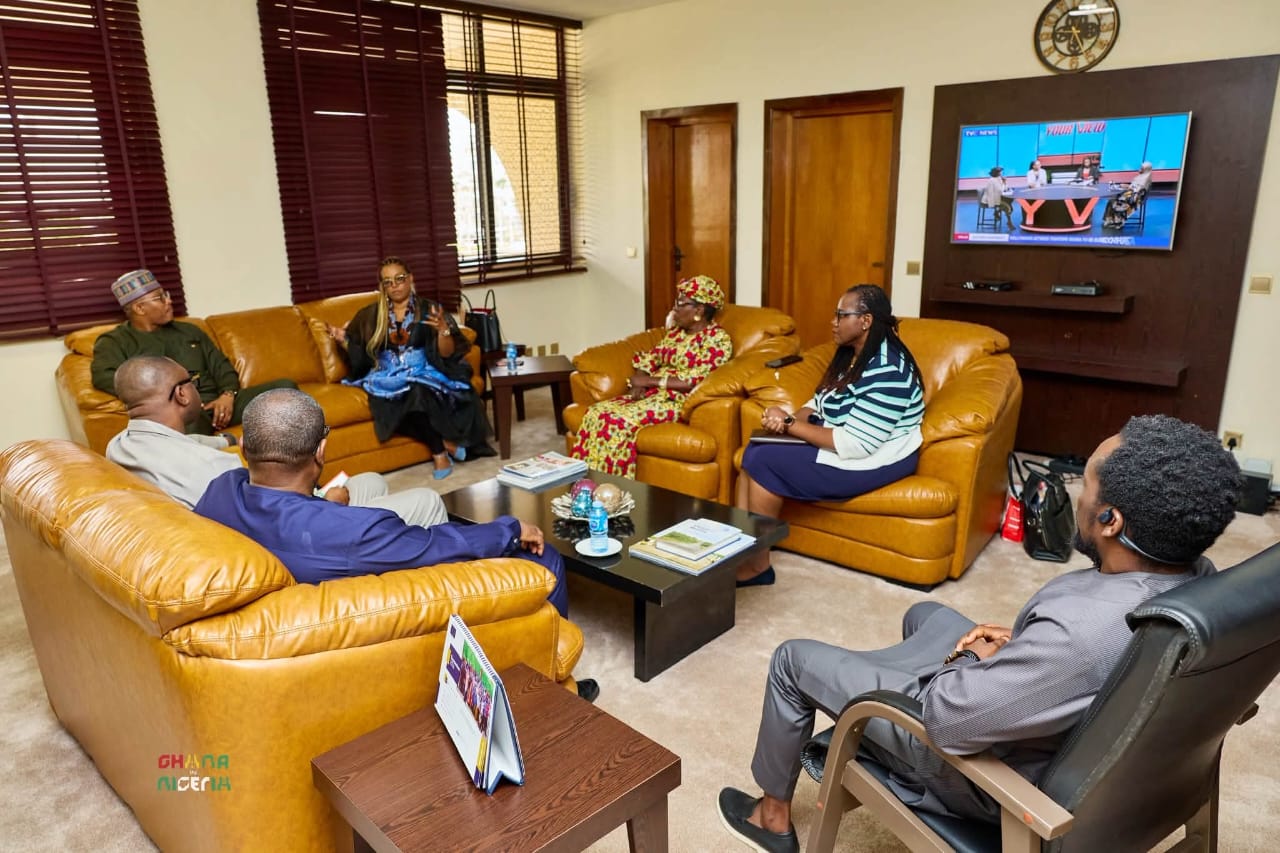
Ghana’s High Commissioner to Nigeria, Baba Sadiq, has held talks with the High Commissioner of Barbados to Ghana, H.E. Juliette Bynoe-Sutherland, at the Ghana High Commission in Abuja.
The meeting, according to the Ambassador, builds on the growing momentum in Ghana–Barbados relations, including the recent participation of Barbadian Prime Minister, Mia Amor Mottley, in high-level engagements in Ghana.
The two diplomats discussed strengthening cooperation in key areas including aviation and connectivity, tourism, trade and investment, education, culture, migration and security, reparations and multilateral affairs.
Ambassador Baba Sadiq noted that Ghana and Barbados share deep historical and cultural bonds, adding that the focus now is to translate that shared heritage into practical partnerships that connect people, unlock opportunities and strengthen Africa–Caribbean relations.
By Edem Mensah-Tsotorme
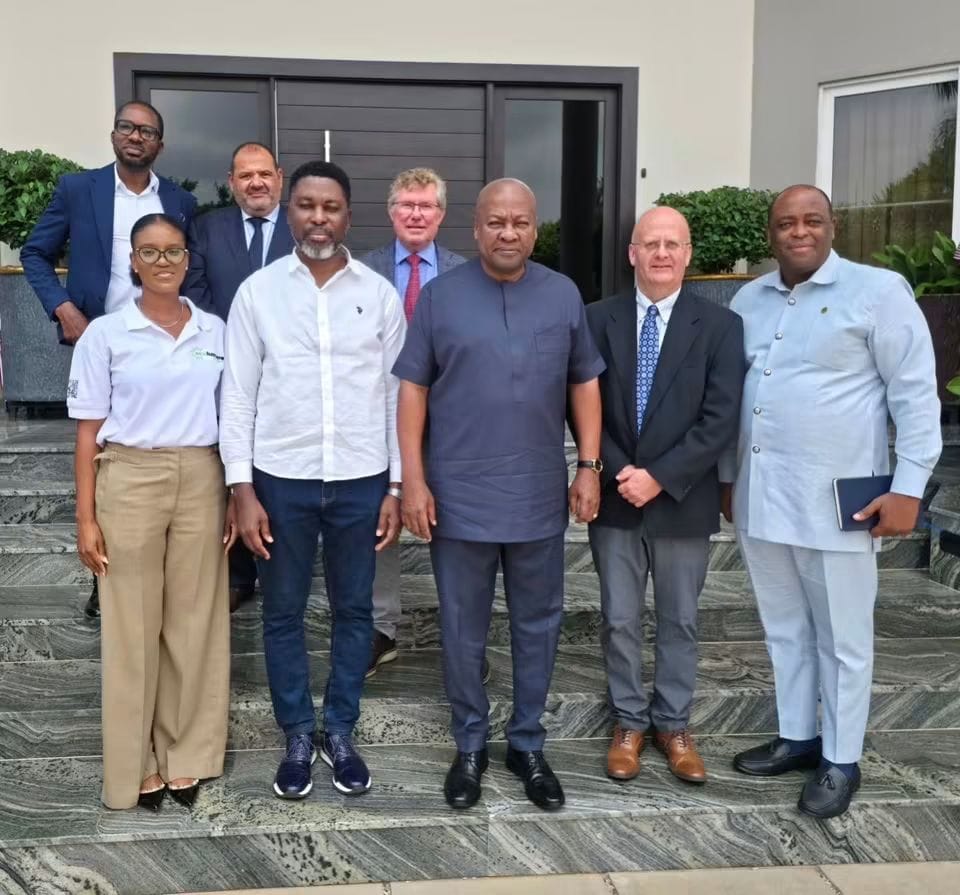
Member of Parliament for Gomoa Central, Kwame Asare Obeng, popularly known as A Plus, has announced plans for the construction of a 270-megawatt solar energy project to power the Gomoa Special Economic Zone and the Gomoa Eco Park.
According to the MP, a delegation from AKA Energy Systems, led by its Chief Executive Officer, met with President John Dramani Mahama earlier yesterday, September 8, to formally inform him that preparations towards the project have commenced.
In a post, A Plus, who led the delegation to the Presidency, disclosed that the project will be a major power source for the manufacturing, industrial and commercial hub.
He stated that the project will be developed in phases, with Phase One expected to be completed by the end of 2027.
By Edem Mensah-Tsotorme

 News6 days ago
OSP probes alleged GH¢70,000 vetting cash linked to Patricia Appiagyei; Minority says memo is fake
- News1 week ago
Police arrest six suspected members of armed robbery syndicate in Ashanti Region
- News1 week ago
Boakye Agyarko campaign denies rift with Bawumia ahead of NPP chairman election