News
Speaker Bagbin Hails Niger’s Democratic Rebirth, Pledges Ghana’s Continued Support

- /home/u249204778/domains/spectator.com.gh/public_html/wp-content/plugins/mvp-social-buttons/mvp-social-buttons.php on line 27
https://spectator.com.gh/wp-content/uploads/2025/06/image-7-1000x600.png&description=Speaker Bagbin Hails Niger’s Democratic Rebirth, Pledges Ghana’s Continued Support', 'pinterestShare', 'width=750,height=350'); return false;" title="Pin This Post">
- Share
- Tweet /home/u249204778/domains/spectator.com.gh/public_html/wp-content/plugins/mvp-social-buttons/mvp-social-buttons.php on line 72
https://spectator.com.gh/wp-content/uploads/2025/06/image-7-1000x600.png&description=Speaker Bagbin Hails Niger’s Democratic Rebirth, Pledges Ghana’s Continued Support', 'pinterestShare', 'width=750,height=350'); return false;" title="Pin This Post">
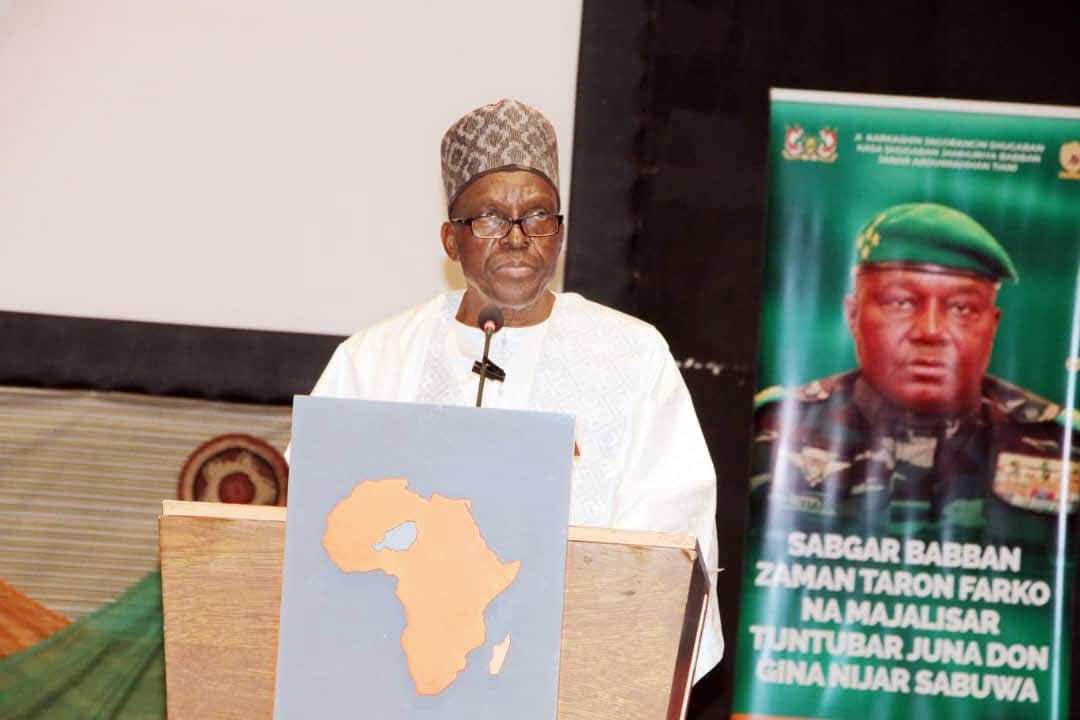
Speaker of Ghana’s Parliament, Rt. Alban Sumana Kingsford Bagbin, has commended the Republic of Niger for inaugurating its Consultative Council for Rebuilding, describing it as a historic and people-centered step toward national renewal and participatory governance.
He made the remarks during an official visit to Niamey on Saturday, June 28, where he delivered a solidarity message on behalf of Parliament, and the people of Ghana.
Speaking at the high-profile event, the Speaker emphasized the deep-rooted ties between Ghana and Niger, grounded in shared history, regional solidarity, and mutual aspirations for peace, justice, and development.
He noted that Niger’s decision to engage diverse segments of society in rebuilding the nation echoes Ghana’s own democratic journey, particularly under former President Jerry John Rawlings, who led similar efforts through broad-based consultations to restore constitutional rule.
Speaker Bagbin urged members of Niger’s newly inaugurated Council to approach their task with wisdom, justice, and a firm commitment to the common good, reminding them that they carry the hopes and aspirations not just of Nigeriens but of an entire sub-region seeking peace and reform.
He also extended an invitation to the Council to observe Ghana’s ongoing constitutional review process as a means of mutual learning and shared democratic growth.
Reaffirming Ghana’s unwavering support, the Speaker pledged Ghana’s readiness to partner with Niger through shared experiences, technical assistance, and sustained diplomatic engagement.
He concluded by expressing optimism that the Council will stand as a beacon of hope and an enduring symbol of unity for Niger and the West African region at large.





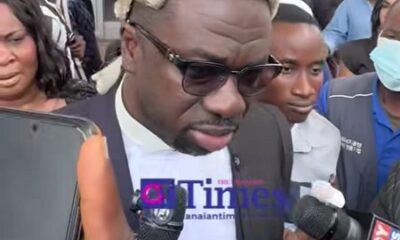

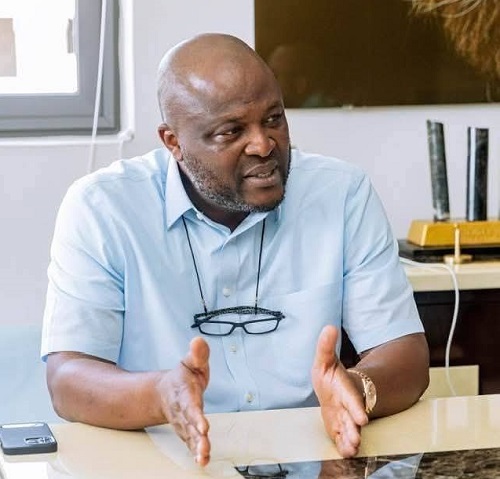
Businessman Mr. Ibrahim Mahama has denied reports linking him to a takeover bid for the Volta Aluminium Company (VALCO).
His reaction follows a demonstration by members of the VALCO Labour Union today, during which some protesters alleged that Mr. Mahama was interested in acquiring the state-owned aluminium company.
In a statement issued by his Special Aide, Rafik Mahama, the businessman said he has “no such interest” and has not made any offer to acquire VALCO.
“The allegation is the latest in several vile attempts to impute the integrity of Mr. Ibrahim Mahama and subject him to needless public engagements,” the statement said.
The statement added that Mr. Mahama’s business track record speaks for itself, describing his companies as “some of the best-run operations across the African continent.”
It further noted that all of Mr. Mahama’s business interests were “legally commenced or acquired” and operate within the law a fact it said explains why his businesses have endured across seven election cycles.
“Mr. Mahama remains committed to contributing his quota to the development of Ghana by investing in business opportunities in Ghana and beyond,” the statement added.
The statement also disclosed that Mr. Mahama has instructed his lawyers to take the necessary legal action over the publication and allegations.
By Edem Mensah-Tsotorme
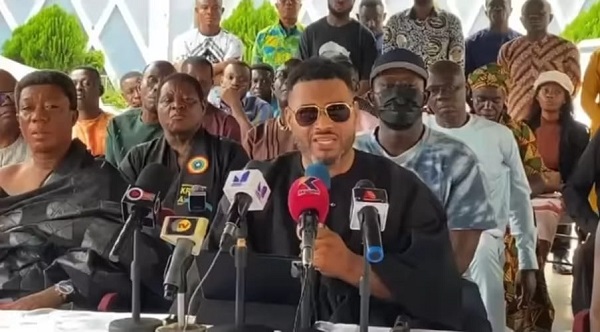
The leadership of Kristo Asafo has dismissed reports circulating on social media and in some media outlets that the late Apostle Kwadwo Safo Kantanka will be buried on July 30, 2026, describing the claim as false.
The current head of the Kantanka family and leader of Kristo Asafo, Kwadwo Safo Akofena Kantanka, addressed the issue during a press conference in Accra today.
He said no burial date has been set and urged members of the church and the general public to disregard any unofficial announcements.
“I urge the members of Kristo Asafo and the nation to disregard any burial date out there,” Akofena said.
He further stressed that neither the leadership of the church nor the Kantanka family has made any such announcement regarding the funeral.
According to him, all official funeral arrangements will be communicated only through a formal statement from the Kantanka family when the time is due.
Akofena Safo Kantanka said the family remains united in ensuring that the final funeral rites are conducted in a manner that befits the legacy of the late Apostle.
He called on Ghanaians to remain calm and wait for the official communication from the family, warning against the spread of misinformation.
Background
Apostle Dr. Ing. Kwadwo Safo Kantanka, founder and spiritual leader of Kristo Asafo Mission of Ghana, passed away recently, plunging the church and the nation into mourning.
The late Apostle was widely known not only as a religious leader but also as an industrialist, inventor, and founder of the Kantanka Group of Companies, which manufactures vehicles and other machinery in Ghana.
Since his passing, there has been heightened public interest in his funeral arrangements.
It would be recalled that a faction of the siblings and family led by former MP Adwoa Safo had earlier announced a proposed burial date and arrangements.
That announcement, however, has been rejected by the current leadership of both the church and the family.
By Edem Mensah-Tsotorme