Profile
Seeing beyond sight … Ayisha Ibrahim’s journey

- /home/u249204778/domains/spectator.com.gh/public_html/wp-content/plugins/mvp-social-buttons/mvp-social-buttons.php on line 27
https://spectator.com.gh/wp-content/uploads/2026/10/Pic-Ayisha-Ibrahim.jpg&description=Seeing beyond sight … Ayisha Ibrahim’s journey ', 'pinterestShare', 'width=750,height=350'); return false;" title="Pin This Post">
- Share
- Tweet /home/u249204778/domains/spectator.com.gh/public_html/wp-content/plugins/mvp-social-buttons/mvp-social-buttons.php on line 72
https://spectator.com.gh/wp-content/uploads/2026/10/Pic-Ayisha-Ibrahim.jpg&description=Seeing beyond sight … Ayisha Ibrahim’s journey ', 'pinterestShare', 'width=750,height=350'); return false;" title="Pin This Post">
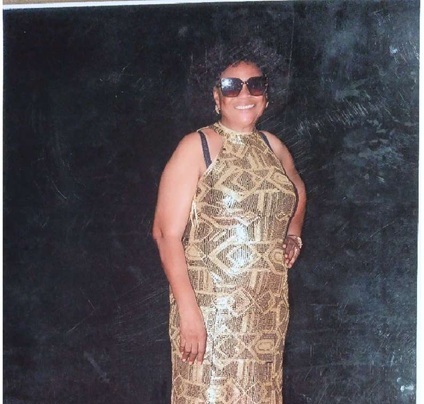
There is something disarming about watching Madam Ayisha Ibrahim move around her home in Wa.
She walks confidently through the hallway, pauses to point out something and continues the conversation with the ease of someone familiar with every corner of her surroundings.
There is no drama in her movements and no attempt to make her blindness the centre of attention.
Her home is also the site of Sky Limit Preparatory School, the private school she established in 2014 and continues to manage even after retirement.
For a woman who lost her sight as a young girl, the ordinary business of moving through life has long been accompanied by a determination to remain independent, productive and useful.
“I am a proud, visually impaired woman,” she declares.
It is a simple statement that captures much about Ayisha Ibrahim Jinsung. She does not deny her blindness. What she rejects is the idea that it should define her.
Born in Wa on November 25, 1964, Ayisha was not born blind. As a child, she attended a regular public school and was considered a bright pupil. Her academic performance was strong enough for her to skip classes, moving from Primary One to Primary Three and later from Primary Four to Primary Six.
But problems with her left eye had already begun.
At the time, specialist medical care was not readily available. The condition, locally described as “nimbi bulli”, was later understood to have been cataract. Despite treatment, her sight continued to deteriorate.
After completing Middle Form Four in 1976, she moved to Tamale to stay with an uncle. While attending a vocational school, her condition worsened. Even threading a needle had become difficult.
She was eventually admitted to hospital, where she spent about seven months. Doctors later concluded that she would become blind.
For the young Ayisha, it was a painful turning point. But a social welfare officer encouraged her to continue her education, advice she decided to take.
In 1978, arrangements were made for her to attend a school for the blind to learn Braille. Her parents initially resisted, but by early 1979, they allowed her to go.
That decision changed the course of her life.
After learning Braille for a year, Ayisha proceeded to secondary education and later entered teacher training. She became a teacher and continued studying while working.
She eventually obtained a diploma and degree from the University of Education, Winneba, and later completed a master’s degree in Educational Administration and Management in 2009.
Her career progressed from teaching to management. In 2018, she applied for a directorship position in the Ghana Education Service, passed the selection process and became a Deputy Regional Director before being appointed District Director of Education for Wa East in 2019. She retired on November 25, 2024.
But one of the most difficult moments in her career came in 2013, when she applied to head the School for the Blind where she was teaching.
Although she qualified and received an appointment letter, she says she was later told that, because she was a Muslim, she could not head the Methodist School for the Blind. The position eventually went to another person.
“I wasn’t happy,” she recalls.
Some advised her to leave or take the matter to court. She chose to stay.
“I was there because of the children,” she explains. “And the place wasn’t mine.”
She continued working and supporting the students, many of whom had become attached to her through a reading club she established.
The club, inspired by an International Readers Association conference she attended in Uganda, encouraged children to read twice a week. Since many books were in print rather than Braille, she enlisted sighted teachers to read to the students.
With support from KPMG and the Ghana Blind Union, the initiative expanded, and one of the students eventually wrote a book.
For Ayisha, reading was a way of widening the children’s world.
Her commitment to children was matched by her advocacy for persons with disabilities.
In 2000, she became involved with Action on Disability and Development and helped establish a radio programme on disability issues. At the time, she recalls, public understanding of disability was limited, and persons with disabilities often faced insensitive attitudes.
She later rose through the leadership of the Ghana Blind Union, serving as regional secretary, coordinator of the women’s wing, national honorary treasurer and vice president before becoming national president in 2014-the first blind woman to hold the position. She served until 2022.
Among the milestones she cherishes are becoming the first blind person she knows of to serve as a district director of education and the first blind woman she knows of to obtain a degree from the School for the Blind.
Yet, beyond the titles, Ayisha remembers the people who helped her along the way.
She speaks fondly of her late sister, a teacher who supported her education, and her father, who treated his children equally and encouraged her schooling.
Marriage came later in life. After turning down several proposals because she was not ready to settle simply because someone was interested, Ayisha eventually married at 50.
She has no biological children and believes she may have entered menopause before marriage. But she does not describe her life by what she lacks.
Many of the blind students she taught call her “mother”. Her husband’s children also call her mother, and she treasures the relationship they share.
Today, retirement has not slowed Ayisha down.
She established Sky Limit Preparatory School in 2014, and the school has grown from a creche to junior high school. She proudly recalls two sets of pupils achieving 100 per cent results in their final examinations.
Now she hopes to add more classrooms and eventually develop the school into a boarding or secondary school.
“It is a risk,” she says. “I could have started it and failed. But I risked and God supported me. And I’m going to risk again.”
Ayisha cooks, cleans, washes, reads and enjoys drama and country music, including songs by Dolly Parton. She describes herself as sociable and patient.
To her, blindness does not take away ordinary human experiences, ambitions or dignity.
From Naziru Alhassan, Wa
SKIP THE QUEUE, TAP THE NEWS

You can now read the Ghanaian Times and The Spectator newspapers from the comfort of your device via TimesNewsPlus.
Join our WhatsApp Channel: https://whatsapp.com/channel/0029VbBElzjInlqHhl1aTU27

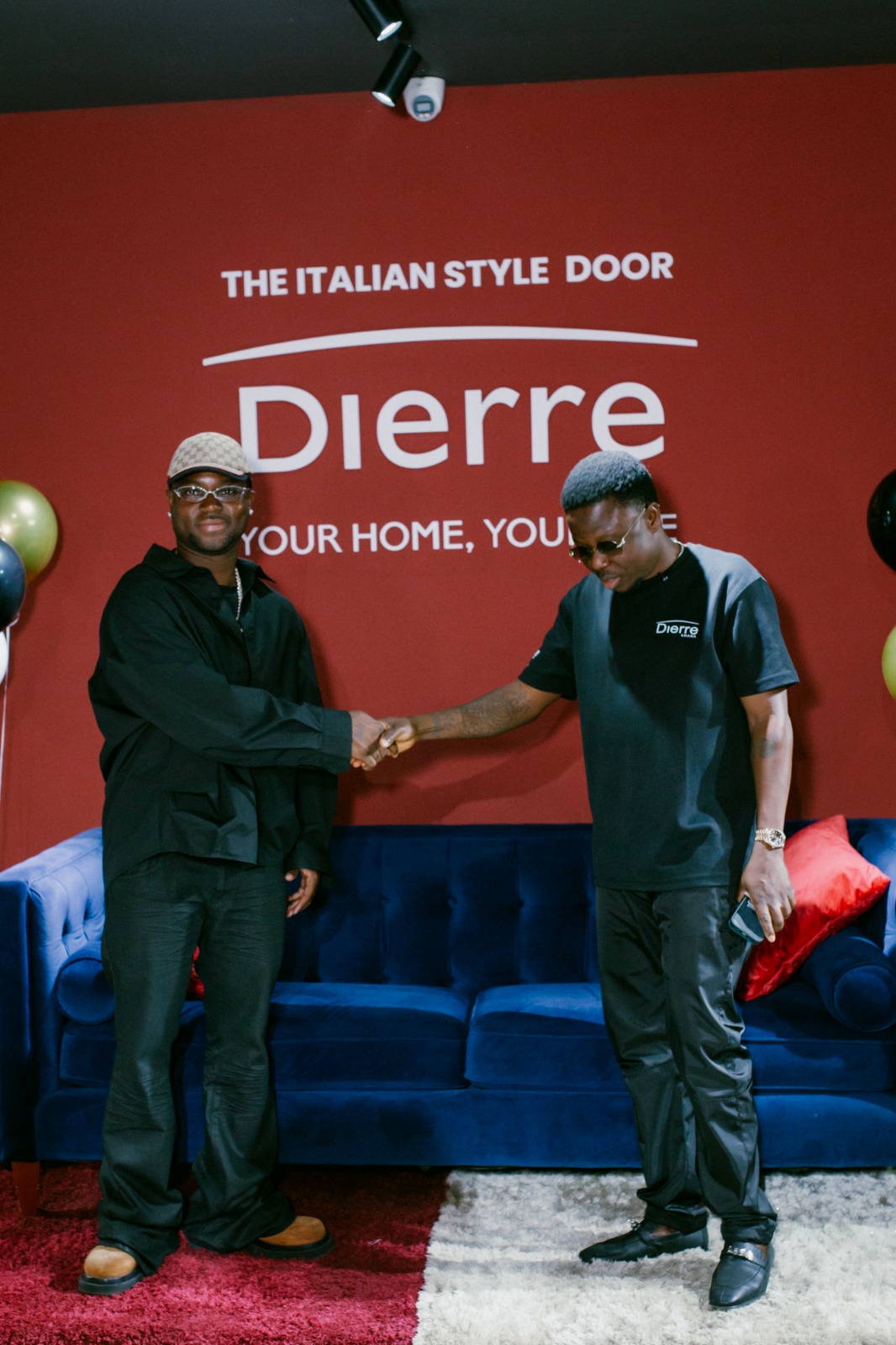
Italian premium security door manufacturer Dierre S.p.A. has named award-winning Ghanaian Afrobeats and Highlife artiste King Promise (Gregory Bortey Newman) as the face of its new Ghana and West Africa marketing campaign.
The partnership, managed by Regiments Management Company Limited, forms part of Dierre’s efforts to strengthen its presence in the West African market.
The two-week campaign, themed “Secure What Matters,” will run across digital, outdoor and influencer platforms, with King Promise featuring in a campaign film showcasing Dierre’s Prestige and Synergy security door ranges.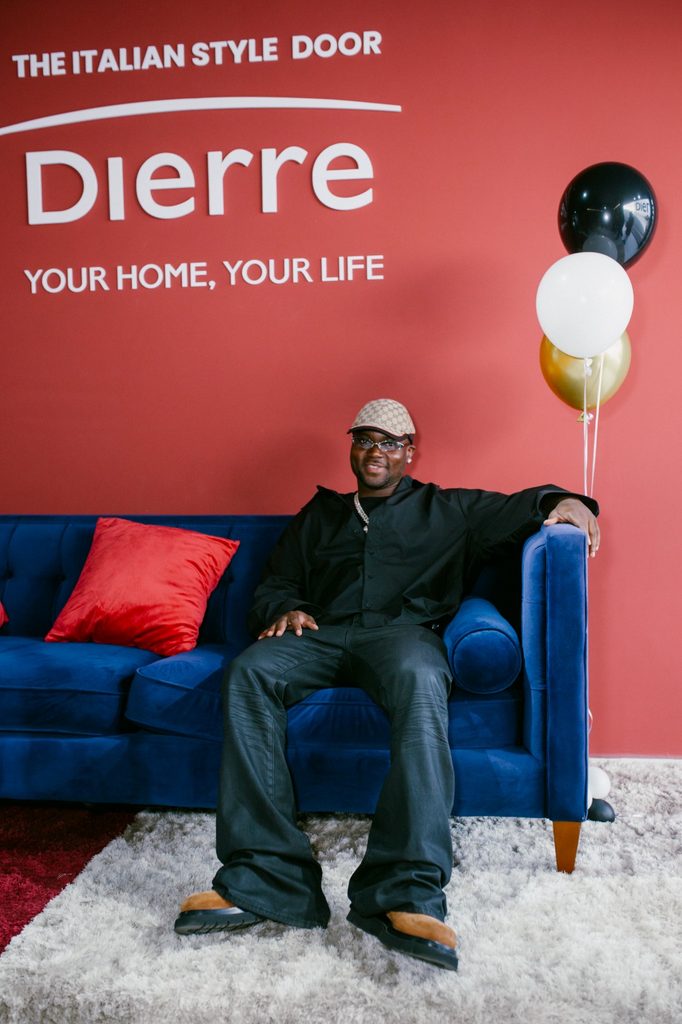
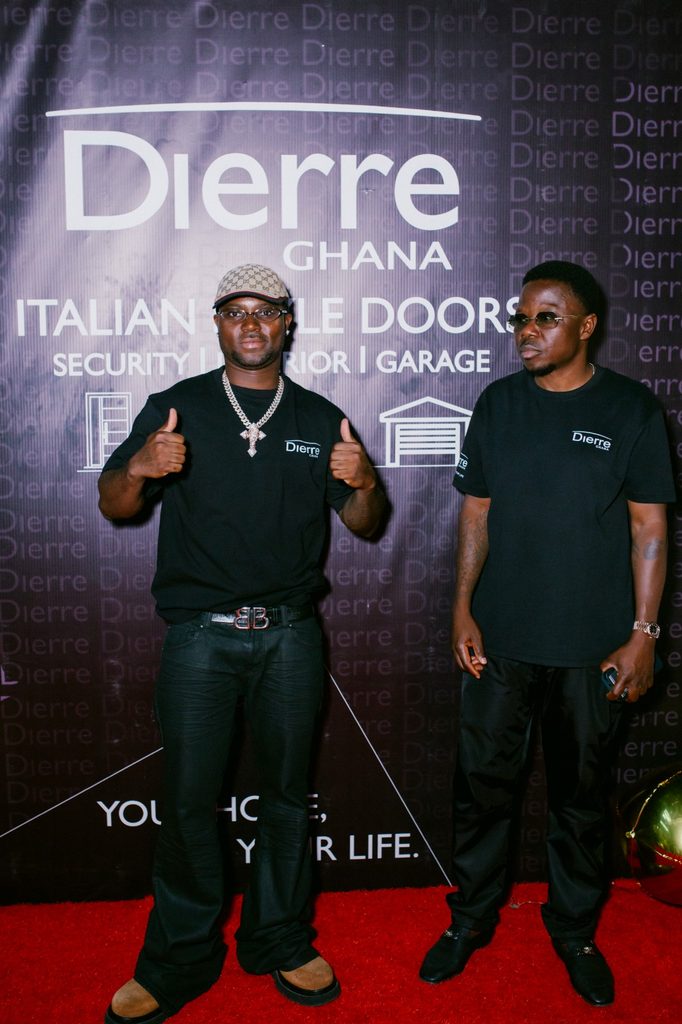
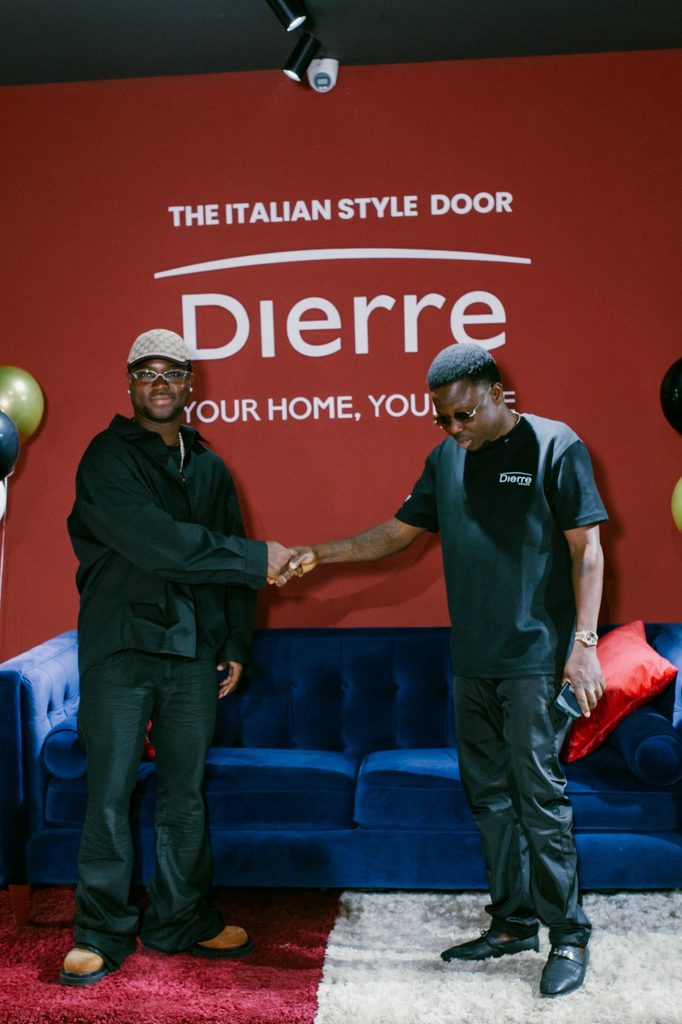
“Home is everything. It is where you protect the people and things that matter most. Dierre builds doors that reflect exactly that security, quality and style without compromise. I am proud to represent a brand that stands for those values,” King Promise said.
Founded in Italy, Dierre is a global manufacturer of armoured security doors, interior doors and fire-protection systems. Its products carry international anti-burglary certifications across Classes 3, 4 and 5, with the company producing hundreds of thousands of doors, locks and safes annually.
King Promise is one of Ghana’s leading Afrobeats and Highlife artistes, known for his distinctive sound, international collaborations and growing global audience.
The partnership combines Dierre’s security and design expertise with King Promise’s influence in contemporary African music and culture, as the brand expands its consumer engagement in Ghana and across West Africa.
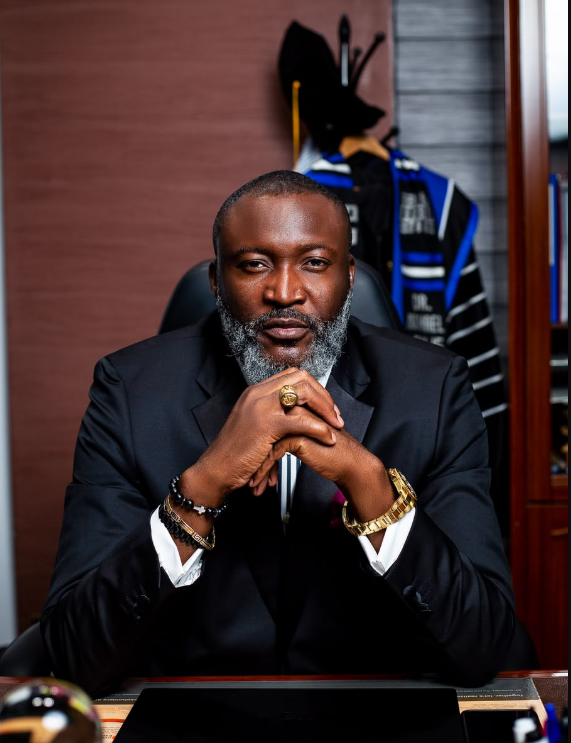
From humble beginnings to building an enterprise with global ambitions, Michael L. Bartlett-Vanderpuye’s journey is a story of discipline, independence, resilience and the belief that businesses should be built to outlive their founders.
Long before he became the Group Chairman of M&C Group, Michael L. Bartlett-Vanderpuye was building from modest beginnings.
His entrepreneurial journey did not start in a sophisticated corporate office or with a large team behind him.
At one stage, he was working from his room with limited resources, focused on turning an idea into a viable business.
That beginning became an important part of his philosophy: build the business first, then let the infrastructure grow with it.
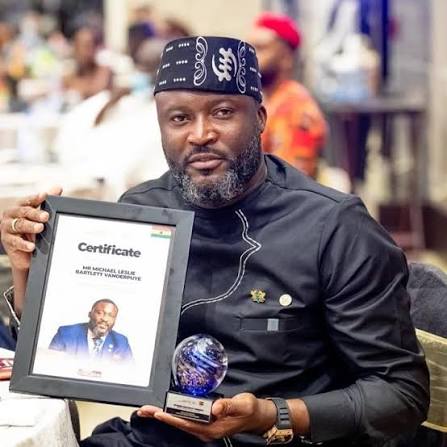
Michael’s early experiences shaped his determination to become an entrepreneur. After university and periods of professional employment, including banking, accounting, marketing, packaging and logistics, he developed a deeper understanding of how businesses operate and how different industries connect.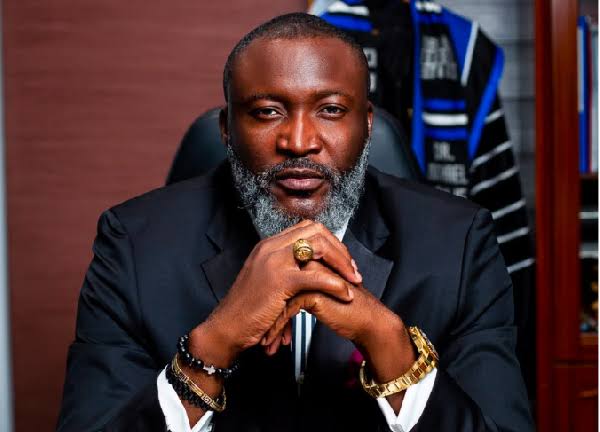
His exposure to mining advisory work, property and other commercial opportunities broadened his perspective and helped him identify opportunities beyond a single sector.
But the journey was far from easy.
He recalls the uncertainty of sending proposal after proposal without knowing which one would eventually open a door.
Even after establishing an office in East Legon, some people assumed he was working for someone else because they could not imagine that the business belonged to him.
The confidence and corporate presence associated with success today were built through years of uncertainty, rejection, experimentation and persistence.
His evolution from working out of a room to leading M&C Group reflects a broader philosophy that has guided his business life: do not build an image before you build the substance.
For Michael, entrepreneurship is not simply about owning a company. It is about learning how to turn knowledge, relationships, opportunities and resources into sustainable value.
He believes professionals in every field can develop an entrepreneurial mindset by creating assets, building networks, investing in opportunities and developing additional sources of value alongside their careers.
That philosophy has influenced the way he approaches business expansion. Rather than viewing companies as isolated entities, Michael sees opportunities to create connections between industries, people and services.
Strategic partnerships, in his view, can create greater value than treating every other business as a competitor.
His approach has also been shaped by research and international exposure. He argues that entrepreneurs must understand the markets they enter rather than simply copy businesses they see succeeding elsewhere.
Behind every successful enterprise, he believes, are structures, regulations, relationships, research and decisions that may not be immediately visible from the outside.
As his business interests have grown, so has his ambition. M&C Group represents a significant chapter in that evolution, reflecting his drive to build an enterprise that extends beyond a single venture.
His vision is rooted not merely in personal wealth, but in creating businesses capable of generating employment, developing people, building partnerships and contributing to the wider economy.
Michael is particularly concerned about the role of the private sector in addressing unemployment and creating sustainable opportunities. For him, a successful business should ultimately do more than enrich its owner. It should employ people, develop skills, support suppliers and create opportunities that extend beyond the founder.
That long-term perspective is central to his understanding of success.
He is cautious about equating visibility with achievement. In an age where social media can make a business appear larger than it is, Michael believes the real measure of an enterprise lies in its systems, customers, assets, operations and results. The brand should be supported by substance.
His personal journey has therefore become a lesson in patience and discipline. The man who once had to convince people that the business was actually his now speaks about building systems, protecting capital, understanding markets and thinking beyond the immediate reward.
And his ambitions do not stop with the present generation.
Michael describes legacy as something that should extend beyond his children to future generations. His objective is to build something sustainable-something that can continue creating value after he is no longer at the centre of it.
From a modest room and limited resources to the boardroom and the development of a growing business group, Michael L. Bartlett-Vanderpuye’s story is ultimately about building before displaying, learning before expanding and creating something designed to last.
His journey is a reminder that global ambition does not necessarily begin with global resources. Sometimes, it begins with little more than an idea, discipline, persistence and the willingness to start where you are. – MyStoryMagazine