News
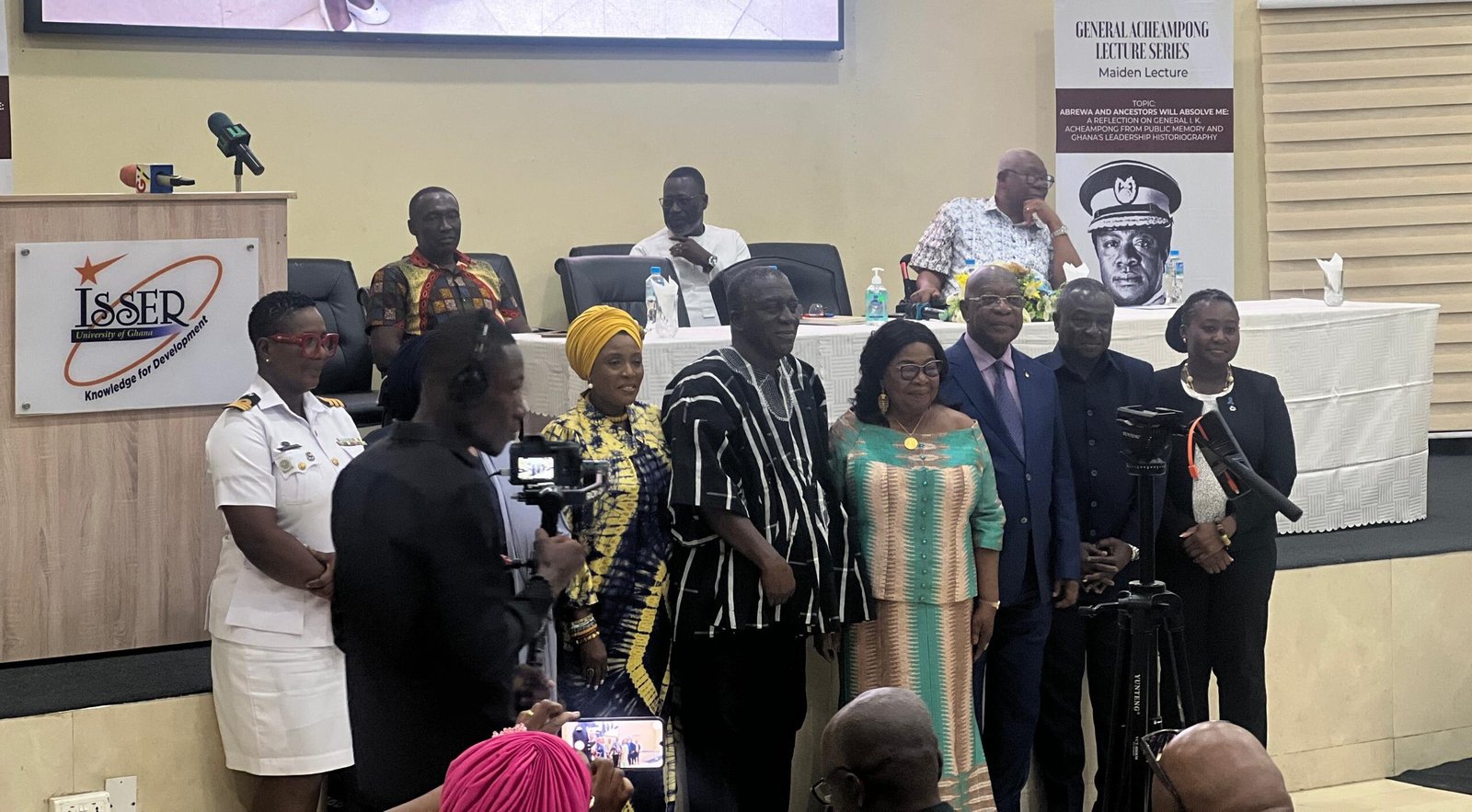
Public lecture held in Accra to honour late general Ignatius Kutu Acheampong

- /home/u249204778/domains/spectator.com.gh/public_html/wp-content/plugins/mvp-social-buttons/mvp-social-buttons.php on line 27
https://spectator.com.gh/wp-content/uploads/2025/11/WhatsApp-Image-2025-11-26-at-14.25.26-1-e1764170760650-1000x600.jpeg&description=Public lecture held in Accra to honour late general Ignatius Kutu Acheampong', 'pinterestShare', 'width=750,height=350'); return false;" title="Pin This Post">
- Share
- Tweet /home/u249204778/domains/spectator.com.gh/public_html/wp-content/plugins/mvp-social-buttons/mvp-social-buttons.php on line 72
https://spectator.com.gh/wp-content/uploads/2025/11/WhatsApp-Image-2025-11-26-at-14.25.26-1-e1764170760650-1000x600.jpeg&description=Public lecture held in Accra to honour late general Ignatius Kutu Acheampong', 'pinterestShare', 'width=750,height=350'); return false;" title="Pin This Post">
After 46 years of his passing, a public lecture has been held in Accra to reminisce and honour the memory of General Ignatius Kutu Acheampong, Ghana’s fifth Head of State after independence.
The maiden lecture, which drew participants from academia, government agencies, students and the corporate world, was on the topic: “May Abrewa And The Ancestors Absolve Me: A Reflection On General Acheampong From Public Memory And Ghana’s Leadership Historiography.”
General Acheampong, who ruled from 1972 to 1978, introduced key national development policies such as Operation Feed Yourself and Operation Feed Your Industries to improve food production and support local industries.
His government also worked on major road projects, supported state enterprises and pushed for economic self-reliance through the “Yen Tua” idea, which aimed to renegotiate Ghana’s debt for the country’s benefit.
Speaking to journalists after the event, the Paramount Chief of the Essikado Traditional Area, author and cultural historian, Nana Kobina Nketsia V, said the lecture was important because it allowed the nation to revisit the life and ideas of the late general.


He said some parts of Acheampong’s story had been buried over the years and needed to be brought back into public discussion.
He noted that the country must examine both the strengths and weaknesses of Acheampong’s leadership if Ghanaians are to learn useful lessons for the future.
According to him, the late general served with sincerity and a pure heart, even though some of his decisions were misunderstood and some faulted.
Nana Nketsia added that many Ghanaians had become cautious about issues of national instability, unlike in the past when coups were welcomed.
He stressed that learning from such periods would help prevent the mistakes that caused past tensions.
He further called on Ghanaians to reflect on their own values, saying leaders rise from the people and often reflect the society that produces them.
He said examining Acheampong’s life honestly will give meaning to his death and help shape a more responsible national identity.
The son of the late leader and Director of the Kutu Acheampong Foundation, Anthony Kutu Acheampong, described the event as historic, saying that few imagined a public lecture for his father would ever be held, especially at the University of Ghana, which once opposed his rule.
He explained that the Foundation was set up to help the public understand Acheampong’s personality and leadership.
He noted that the Foundation commissioned a balanced book on the general’s life to present both the positive and negative sides of his story.
Anthony said the public lecture series aims to create a platform for discussions on Ghana’s history and leadership.
He encouraged Ghanaians to learn from the past and work together to improve the country, which he described as the only home for all its people.
Renowned Professor of Anaesthesiology and Critical Care, Prof. Yaw Adu-Gyamfi, commended the book on Acheampong, saying it helped restore parts of Ghana’s political history that had been nearly forgotten.
He said many young Ghanaians were unaware of Acheampong’s contributions until the publication of the work.
He emphasised that Ghana must tell its national story honestly, without distortion, so that citizens can clearly understand the past and use it to shape a better future.
According to him, political independence alone is not enough if the country does not achieve economic independence.
Prof. Adu-Gyamfi added that Ghana is at a crossroads and must rethink its direction, especially in areas of resource control, patriotism and national development.
He stressed that examining Acheampong’s leadership could offer lessons that help guide the country forward.
By: Jacob Aggrey




Over 20 structures built within the 50-metre buffer zone of the Kpeshie Lagoon at the Laboma Beach Resort in the La Dade-Kotopon Municipality were on Sunday demolished by the Greater Accra Regional Coordinating Council (GARCC).
Buildings such as single-unit semi-detached under construction and completed chalets at the resort were pulled down while portions of a newly constructed perimeter wall were also demolished. Read More
SKIP THE QUEUE, TAP THE NEWS
You can now read the Ghanaian Times and The Spectator newspapers from the comfort of your device via TimesNewsPlus.
Join our WhatsApp Channel: https://whatsapp.com/channel/0029VbBElzjInlqHhl1aTU27
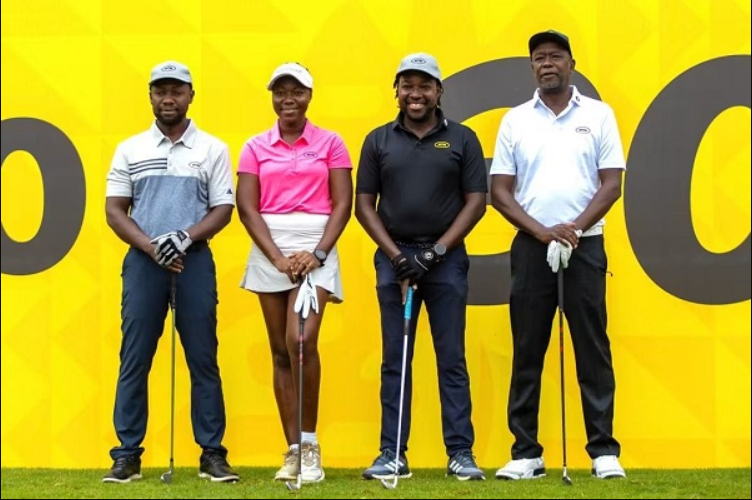
About 120 golfers from clubs across Ghana participated in an 18-hole competition, dubbed ‘MTN 30th Anniversary CEO Invitational Golf Tournament’ held at the Achimota Golf Club on Saturday.
At the end of the hectic day, Frederick Semenu Duvor won the Men’s Group A event with 39 points, while Julienne Afi claimed the Ladies’ Group A title with the same score.
Yaw Mireku Jnr. won the Men’s Group B with an impressive 45 points, while Kous Louanges Mang took the Ladies’ Group B title with 38 points.
Kofi Mangesi won Men’s Group C with 40 points while Elorm R. Akuash Bonney claimed the Ladies’ version with 42 points.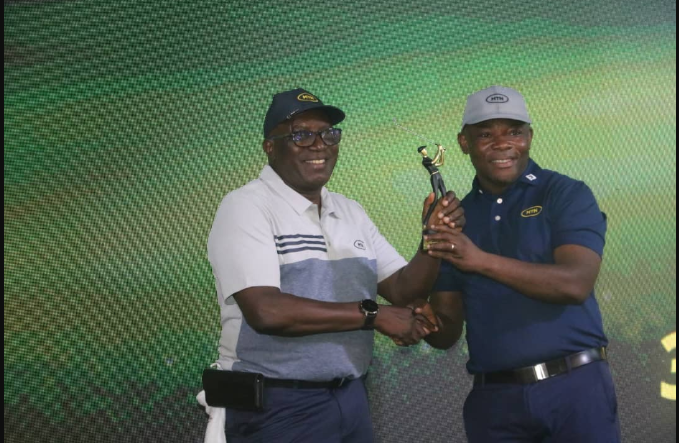
In the Seniors Division, Jan Vogel emerged winner of the men’s category with 39 gross, while Helen Appah topped the ladies’ category with 44 gross.
Addressing participants, the company’s Board Chairman, Mr Ishmael Yamson, urged the company to approach its next phase with the same resilience, discipline and determination that have defined its success over the past three decades.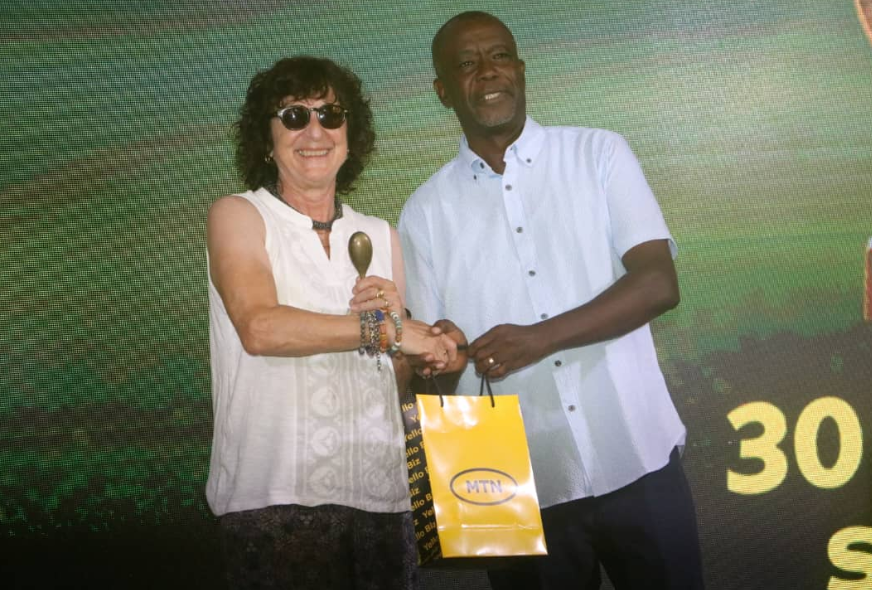
He drew a striking parallel between the game of golf and MTN Ghana’s three-decade journey, describing both as long games in which success depends less on one spectacular moment than on consistency, patience, judgment and the ability to recover from setbacks.
He said, golf had taught him a lesson that extended far beyond the fairways, thus, a round cannot be won on the first hole.
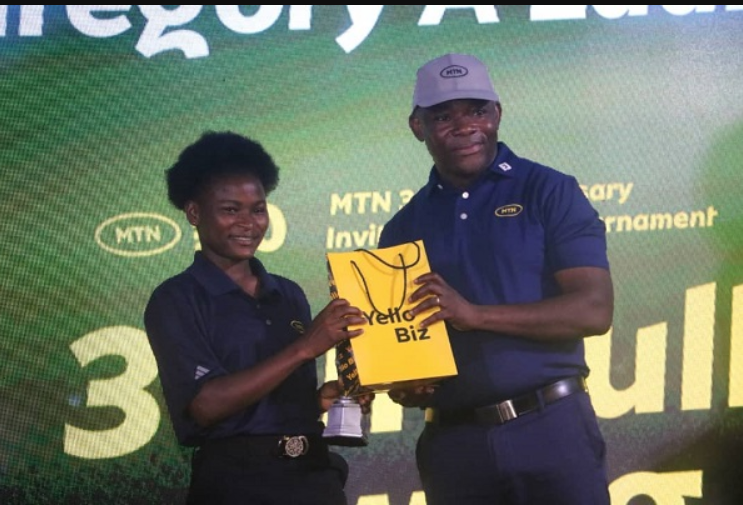
In golfing terms, he said, MTN Ghana had encountered its share of regulatory bunkers, competitive hazards and unexpected storms that had forced the company to pause, reassess and change its approach.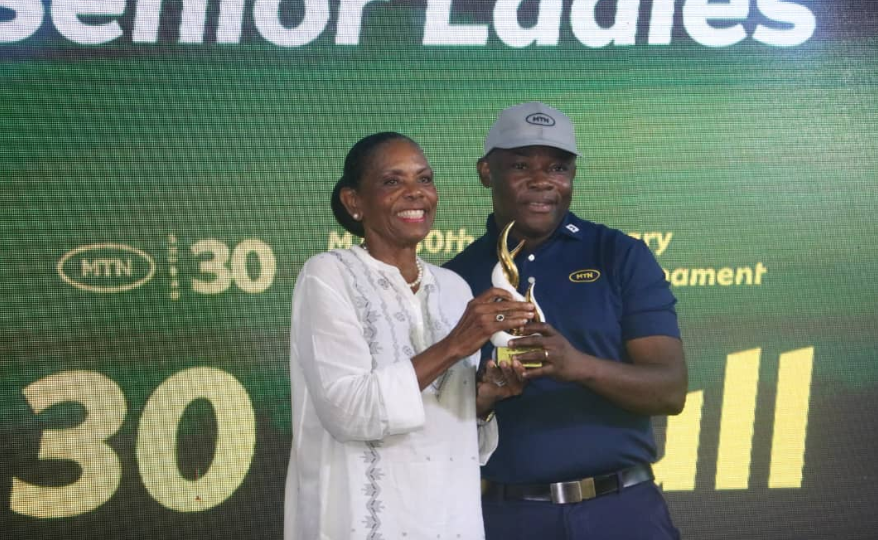
But those challenges, he suggested, were part of the journey rather than reasons to abandon it.
By Andrew Nortey
SKIP THE QUEUE, TAP THE NEWS
You can now read the Ghanaian Times and The Spectator newspapers from the comfort of your device via TimesNewsPlus.
Join our WhatsApp Channel: https://whatsapp.com/channel/0029VbBElzjInlqHhl1aTU27

 Entertainment1 week ago
Fiifi Coleman Productions adapt ‘I Told You So’ stage play into feature film
- News7 days ago
48 Engineer Regiment to be major sub-contractor on Accra-Kumasi Expressway, $2bn ready- Prez Mahama
- Entertainment6 days ago
Rhythms On Da Runway returns November 28 with 16th edition themed ‘Unbound’