News
Promoting hand hygiene: Sanitisers not complete replacement for soap

- /home/u249204778/domains/spectator.com.gh/public_html/wp-content/plugins/mvp-social-buttons/mvp-social-buttons.php on line 27
https://spectator.com.gh/wp-content/uploads/2026/08/William-Anku-598x600.jpg&description=Promoting hand hygiene: Sanitisers not complete replacement for soap', 'pinterestShare', 'width=750,height=350'); return false;" title="Pin This Post">
- Share
- Tweet /home/u249204778/domains/spectator.com.gh/public_html/wp-content/plugins/mvp-social-buttons/mvp-social-buttons.php on line 72
https://spectator.com.gh/wp-content/uploads/2026/08/William-Anku-598x600.jpg&description=Promoting hand hygiene: Sanitisers not complete replacement for soap', 'pinterestShare', 'width=750,height=350'); return false;" title="Pin This Post">
Frequent hand washing has been identified as the cheapest, easiest, most important and effective way to stay clean and safe from bacteria and viruses driven diseases.
Between soap and hand sanitisers, many are, however, left confused over which one serves a better purpose in dealing with bacteria or virus.
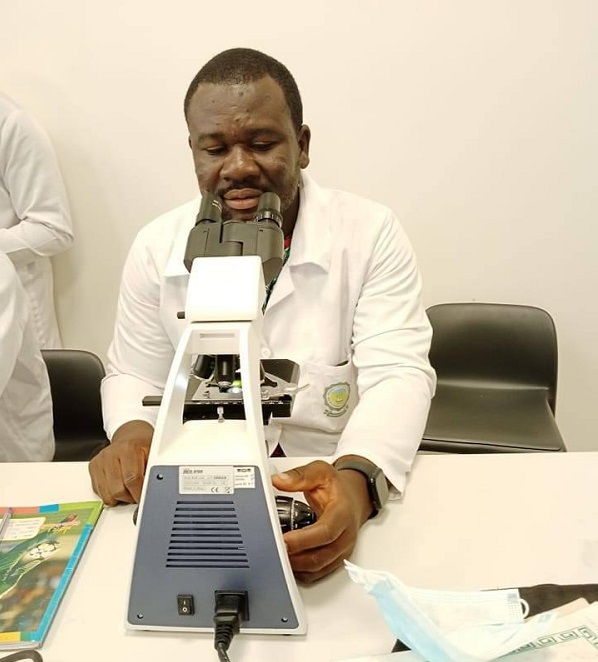
Addressing this concern, a Public Health Practitioner, Mr William Anku, says in general, both hand washing with soap and water and hand sanitisers, when done correctly, can be effective at killing most germs and pathogens.
Speaking with The Spectator in an interview, Mr Anku, who also doubles as a Technical Support Officer with the Ghana AIDS Commission, Ho Technical Support Unit, said among the two, sanitisers can be less effective against some microorganisms and do not physically remove dirt, grease or certain chemicals.
He said while alcohol based hand sanitisers were useful when soap and water were not readily available, they should not be considered a complete replacement for proper hand washing.
Mr Anku said a sanitiser containing at least 60 per cent alcohol could rapidly reduce many types of harmful microorganisms on the hand.
He, however, elaborated that people with visibly dirty or greasy hands should wash them with soap and running water because sanitiser could not physically remove the dirt or grease.
“When hands are visibly dirty or greasy, soap and water are preferable,” he mentioned.
Mr Anku advised people using sanitisers to apply enough to cover all surfaces of the hands and rub them together until completely dry, stressing that soap helped loosen dirt, oils, microorganisms and other contaminants from the skin so they could be rinsed away.
“Water alone can remove some visible dirt and a portion of microorganisms, but it is considerably less effective than washing with soap,” heunderlined.
He urged the public to wash hands with soap and running water after using the toilet, before preparing or eating food, after coughing or sneezing, after caring for a sick person and whenever the hands were visibly dirty.
Mr Anku also drew attention to the importance of drying hands after washing, saying wet hands could transfer microorganisms easily than dry hands.
He recommended clean, disposable paper towels, particularly in healthcare facilities and public settings. Where reusable cloth towels were used, he said they should be clean and changed regularly.
He added that properly maintained air dryers could also be used.
On whether warm water was better than cold water for hand washing, Mr Anku noted that the temperature of the water was not the most important factor.
He explained that cold, lukewarm or warm running water could all be used, stressing that using soap, rubbing adequately, rinsing thoroughly and drying properly were more important.
He cautioned against using excessively hot water because it could irritate or damage the skin.
Again, Mr Anku mentioned that people should scrub all surfaces of their hands with soap for at least 20 seconds before rinsing thoroughly with running water.
He said rushing through the process could result in some areas of the hands being missed.
He suggested that people could sing “Happy Birthday” twice at a normal pace while scrubbing to help achieve the recommended duration, noting that the choice of song was not important but the time spent rubbing was.
He also cautioned that frequent hand washing, repeated use of alcohol based sanitisers, harsh soaps and very hot water could cause dryness, irritation, cracking or dermatitis, particularly among people with sensitive skin.
He advised the public to use mild soaps, avoid excessively hot water and apply moisturising hand cream or lotion regularly, especially after washing.
Mr Anku says washing hands for too short a time was one of the common mistakes people made.
Others included failing to cover the entire hand with soap, forgetting the backs of the hands, spaces between the fingers, thumbs and underneath the fingernails.
Furthermore, he mentioned rinsing immediately without adequate rubbing, failing to dry the hands properly, touching contaminated surfaces immediately after washing and using too little sanitiser.
“Effective hand hygiene is not simply about putting soap or sanitiser on the hands; the technique matters,” he stressed.
Mr Anku urged the public to make hand hygiene part of everyday life, saying the seemingly small action could have a significant impact on public health.
“Hand hygiene may seem like a small action, but collectively it can prevent a significant amount of illness and protect entire communities,” he indicated.








A nine-member board for the New Times Corporation (NTC), publishers of The Ghanaian Times and The Spectator newspapers was sworn into office on Thursday with a call to strengthen the governance of the Corporation.![Dr. Binka (seated second from right) with Dr Okpoti [right] the board and Management of NTC photos Okai Elizabeth.](https://spectator.com.gh/wp-content/uploads/2026/08/Dr.-Binka-seated-second-from-right-with-Dr-Okpoti-right-the-board-and-Management-of-NTC-photos-Okai-Elizabeth-1024x683.jpg)
The new NTC board is chaired by Dr Charity Binka and has Very Rev. Helena Amma Serwah Opoku-Sarkodie, Mr Tito Kojo Voegborlo Esq and Naana Aklerh Amenyah Kubi I as members. Read More
SKIP THE QUEUE, TAP THE NEWS
You can now read the Ghanaian Times and The Spectator newspapers from the comfort of your device via TimesNewsPlus.
Join our WhatsApp Channel: https://whatsapp.com/channel/0029VbBElzjInlqHhl1aTU27

Christians have been urged to demonstrate a living faith in Jesus Christ by allowing their confession of Him as Lord and Saviour to reflect in their daily lives.
According to the Kaneshie District Pastor of the Evangelical Presbyterian Church, Ghana (EPCG), Rev. Dzidzor Nathaniel Affram, a genuine Christian’s confession should go beyond words and be demonstrated through obedience to God, love for others and service to the Church.
He made the call at the 40th anniversary remembrance service for the late Wesley Kwasi Kwadzo at the Evangelical Presbyterian Church, Ghana, Maranatha Congregation at Awudome Avenui in the Volta Region.
Speaking on the theme, “The Church Built on a Living Confession,” Rev. Affram said life would continually present challenges capable of testing Christians’ faith, making it necessary for believers to hold firmly to their confession that Jesus Christ is Lord.
He explained that accepting Jesus Christ as Lord and Saviour required Christians to live according to His teachings, stressing that their faith must be evident in their conduct.
“A living confession listens to God and not man,” he said, urging Christians to remain obedient to God even when faced with difficulties and pressures.
Rev. Affram further encouraged the congregation to care for vulnerable people and demonstrate concern for others, adding that such acts were practical expressions of Christian faith.
He also urged Christians to identify and use their God-given gifts to build the Church.
He said every member of the Church had a role to play and cautioned Christians against looking down on others because of their status or abilities.
The remembrance service brought together family members, friends, members of the congregation and sympathisers to commemorate the 40th anniversary of the late Wesley Kwasi Kwadzo.
By Lizzy Okai