Health Essentials
Please! Do not take away my nap

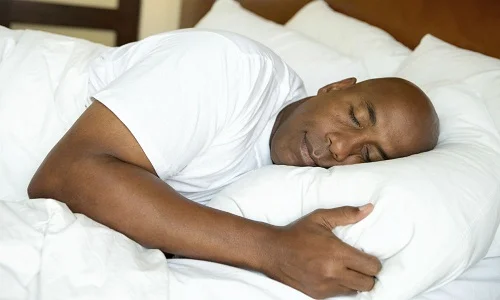
It appears I am stuck in sleep mode; last week we discussed sleep hygiene and now it’s napping. Could it be my brain doing its best to make me understand it needs more sleep?
Many of us developed a love for afternoon naps while in school because it was mandatory to “sleep” after lunch. It may have been a luxury to get restful sleep in one’s junior years but our brains got the message: sleep after lunch to get a boost in energy to prepare you for the rest of the day.
As the years rolled by sleeping after lunch, for instance, has become a mirage but everyone loves a “power nap”. The French do a great job when it comes to their afternoon break.
If you enjoy your naps, you may have experienced that feeling of extending your sleep once you go beyond half an hour. It’s that feeling of no turning back. On the other hand, if you nap for just about 30 minutes you seem to have a new lease of energy.
I love naps whenever I get a chance to squeeze one in, but school had siestas that lasted about an hour so sometimes I love to revisit the days of old. A new research finding is, however, about to trample on that glorious time spent hitting on the snooze button and being at peace with the sheets, chair or even bench or floor in some instances.
We all appreciate that getting enough sleep is key to good health but this study suggests that long daytime naps may not be in your best interest.
The researchers found that long naps in excess of 40 minutes and excessive daytime sleepiness were associated with an increased risk for conditions such as high blood pressure, diabetes, obesity and high cholesterol; collectively referred to as metabolic syndrome.
The research showed that people who napped for less than 40 minutes were not at increased risk for metabolic syndrome. In fact, those who napped less than 30 minutes had a slight decrease in risk.
The findings seem to point accusing fingers at those of us who nap for over 40 minutes; that is when the problems seem to begin. I am sure you can confidently guess what happens when people nap for over 90 minutes; the risk of developing metabolic syndrome increased by as much as 50%.
“The review also found that napping for more than an hour or being overly tired during the day were both linked with a 50 percent higher risk for type 2 diabetes.”
“However, the study only found an association between these factors, and did not prove that excessive sleepiness and long naps actually cause metabolic syndrome or diabetes.”
Is it possible that those of us who nap for long periods of time also avoid physical activity and probably over-indulge in comfort foods, hence increasing the risk for these lifestyle diseases?
One thing is certain, you cannot go wrong with a short nap; it can be extremely satisfying. So while the scientists continue to explain and maybe confirm these findings, let us limit our naps to 30 minutes. If you have extra time take a walk or get some work done.
This may be a reminder that too much of even a good thing may be harmful. Sleeping has great benefits including reducing our risks for developing heart and blood vessel diseases such as stroke, it improves our immunity and also enhances our performance in all spheres of life.
Just as sleeping in excess of 9 hours at a time has been linked with bad outcomes, excessive daytime napping is now getting its “day in court”. Moderation in all things must be key!!
A nap is essential for every individual
A 20-minute nap in the early afternoon may:
• Ease your stress
• Sharpen your memory
• Help you react faster
• Improve your job performance
• Boost your energy
• Lift your mood
• Make you more alert
How long did you nap today?
AS ALWAYS LAUGH OFTEN, ENSURE HYGIENE, WALK AND PRAY EVERY DAY AND REMEMBER IT’S A PRICELESS GIFT TO KNOW YOUR NUMBERS (blood sugar, blood pressure, blood cholesterol, BMI)
Dr. Kojo Cobba Essel
Health Essentials Ltd/ Medics Clinic
(dressel@healthessentialsgh.com)
Dr. Essel is a medical doctor with a keen interest in Life Style Medicine, holds an MBA and is an ISSA Specialist in exercise therapy, fitness nutrition and corrective exercise. He is the author of the award-winning book, ‘Unravelling The Essentials of Health & Wealth.’
Thought for the week – “Sleep is an important component of our healthy lifestyle, as well as diet and exercise,” says Dr. Tomohide Yamada. “Short naps might have a beneficial effect on our health, but we don’t yet know the strength of that effect or the mechanism by which it works.”
References:
- WebMD News from HealthDay by Robert Preidt
- Extract from “The Importance of Obtaining Adequate Sleep” by Dr. Obo Addy
Your Weekend Companion
www.spectator.com.gh
SKIP THE QUEUE, TAP THE NEWS
You can now read the Ghanaian Times and The Spectator newspapers from the comfort of your device via TimesNewsPlus.
Join our WhatsApp Channel: https://whatsapp.com/channel/0029VbBElzjInlqHhl1aTU27


It feels like Christmas of last year was just a couple of weeks ago. The reality though is that we celebrated what is arguably the most adored season of the year well over 300 days ago.
Many of us put ourselves in tight corners, saddling our families with debt and avoidable hardships in the early weeks of the New Year.
Quite often we discuss what to do to improve our health and this is one of those days when discussing the things to avoid comes to the fore. If we can start these today, we will have a great Christmas season and open doors to a wonderful new year.
What should we avoid so that we will not drain our energy?
- Focusing on the past
- Not getting adequate sleep
- Not drinking enough water but loading yourself with alcohol, caffeine and energy drinks
- Spending all your time working and leaving no time to rest and socialize
- Not being physically active
- Spending all your time behind screens, TV, phone, computer. Making social media king
- Eating junk food most of the time
- Being resentful, negative or surrounding yourself with people who see no good in anything
- Creating clutter and a mess wherever you are
- Trying hard to impress others
The list is endless but if you find a way to avoid the above and tap into the ones below, you will be on a great path to a Merry Christmas and a happy, healthy and successful new year.
Do these for sure:
- Listen to great relaxing music; start your Christmas carols early even if no one else is playing them (but any other relaxing music will do. I believe in the power of Music Therapy)
- Spend time in nature and get some sunlight if you are lucky to be in a place where it’s in abundance
- Make time to rest and meditate (pray and read your Bible after all its Christ’s birthday)
- Move as often as possible and make time to do deep belly breathing
- Be positive
- Surround yourself with people who make you happy
- Get adequate sleep
- Eat healthy food as often as possible and drink a lot of water
- Be grateful for what you have
- Make sure you avoid clutter
I hope these tips will help you stay in the best state of your life and remember to continue doing these for the rest of your life. Does that sound too difficult?
AS ALWAYS LAUGH OFTEN, ENSURE HYGIENE, WALK AND PRAY EVERYDAY AND REMEMBER IT’S A PRICELESS GIFT TO KNOW YOUR NUMBERS (blood sugar, blood pressure, blood cholesterol, BMI)
Dr. Kojo Cobba Essel
Health Essentials Ltd/ Medics Clinic
(dressel@healthessentialsgh.com)
*Dr. Essel is a Medical Doctor with a keen interest in Lifestyle Medicine, He holds an MBA and is an ISSA Specialist in Exercise Therapy, Fitness Nutrition and Corrective Exercise. He is the author of the award-winning book, ‘Unravelling The Essentials of Health & Wealth.’
Thought for the week – “WHERE YOU LIVE SHOULD NOT DETERMINE IF YOU LIVE.”- WHO
SKIP THE QUEUE, TAP THE NEWS
You can now read the Ghanaian Times and The Spectator newspapers from the comfort of your device via TimesNewsPlus.
Buy Maps
Join our WhatsApp Channel: https://whatsapp.com/channel/0029VbBElzjInlqHhl1aTU27
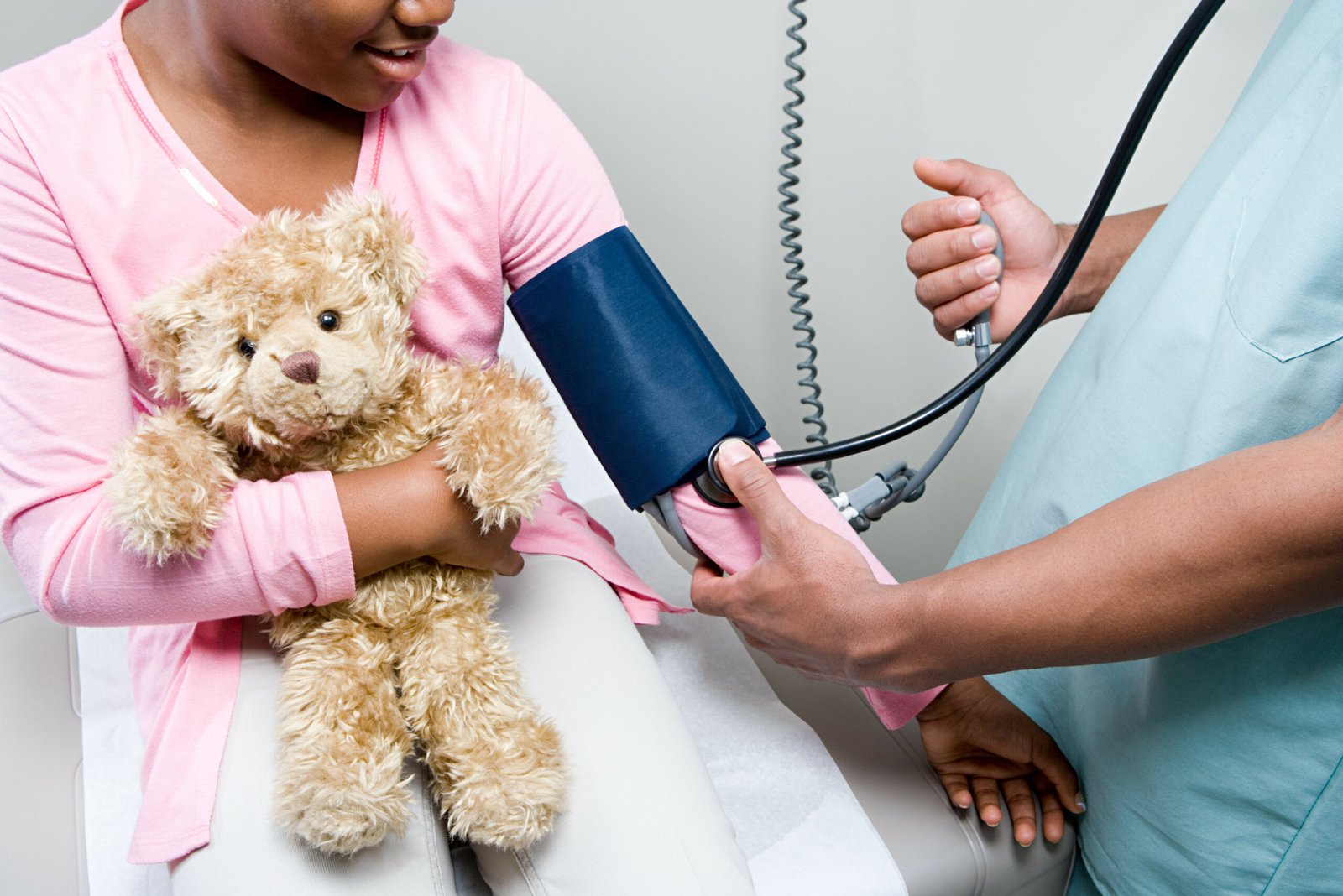
Teenage Hypertension: The silent threat to Ghana’s young generation
For many Ghanaian teenagers, high blood pressure may seem like a health problem for their parents and grandparents. But as unhealthy eating habits, excess weight and increasingly sedentary lifestyles become concerns for younger populations, protecting heart health during adolescence deserves greater attention.
The danger is that hypertension can develop without obvious symptoms. A teenager may feel perfectly healthy while elevated blood pressure goes undetected, potentially delaying medical assessment and appropriate care.
Although not every teenager with unhealthy habits will develop hypertension, early awareness, healthy lifestyle choices and appropriate blood pressure checks can help reduce future cardiovascular risks.
A growing concern
Hypertension, commonly known as high blood pressure, is a major public health concern worldwide. The World Health Organisation identifies it as an important contributor to premature death, largely because it increases the risk of serious cardiovascular complications.
While the condition is often associated with adulthood, the factors that contribute to its development can begin much earlier in life.
Frequent consumption of foods high in salt, poor dietary habits, excess body weight and insufficient physical activity can undermine cardiovascular health. Family history and certain underlying medical conditions may also increase an individual’s risk.
For teenagers, therefore, the conversation about hypertension should extend beyond hospital visits and include the everyday habits that shape their health.
When lifestyle choices become a concern
Adolescence is a period when young people begin making more independent decisions about what they eat, how they spend their leisure time and how physically active they are.
Convenience foods, processed meals, salty snacks and sugary drinks may become regular features of their diets. At the same time, long hours spent on mobile phones, computers and other digital devices can leave less time for physical activity.
Academic demands and inadequate sleep may further affect their general well-being.
These habits do not automatically lead to hypertension. However, when unhealthy diets and physical inactivity contribute to excess weight, they can increase the risk of high blood pressure, particularly among people with other predisposing factors.
Recognising these risks early offers families, schools and health professionals an opportunity to encourage healthier choices before unhealthy patterns become established.
What Ghana’s cardiovascular health figures reveal
A cardiologist and Senior Lecturer at the University of Ghana Medical School, Professor Alfred Doku, in an interview highlighted the seriousness of cardiovascular disease in Ghana, citing figures indicating that it accounted for approximately 43 to 50 per cent of deaths in the country.
He also stated that about 30 per cent of Ghanaian adults had hypertension, with approximately 70 per cent of those affected unaware of their condition.
Although these figures concern adults and the wider population rather than teenagers specifically, they point to the importance of improving awareness, screening and early detection of high blood pressure.
Professor Doku urged people to know their blood pressure readings and monitor other important health indicators, including blood sugar, cholesterol levels and body weight.
His advice underscores the importance of understanding personal health risks rather than waiting for illness to become apparent before seeking medical attention.
For adolescents, any blood pressure reading that raises concern should be assessed by a qualified health professional. Because blood pressure varies with age, growth and other factors, its interpretation in children and teenagers requires appropriate clinical assessment.
The danger of a condition without obvious symptoms
The Head of the National Cardiothoracic Centre, Dr Kow Entsua-Mensah, also stressed the importance of awareness and early detection in addressing cardiovascular disease.
He explained that hypertension could remain undetected for years because affected individuals might not experience noticeable symptoms.
Dr Entsua-Mensah noted that several factors, including diabetes, high cholesterol, obesity, physical inactivity, unhealthy diets, tobacco use and harmful alcohol consumption, could contribute to cardiovascular damage over time.
He called for greater public awareness of the importance of checking blood pressure and other health indicators before complications develop.
The challenge with hypertension is that the absence of symptoms can create a false sense of security. People may assume they are healthy simply because they feel well, overlooking the need for preventive health checks.
Dr Entsua-Mensah emphasised that addressing cardiovascular disease required cooperation among healthcare professionals, government institutions, schools, businesses, community organisations and the media.
Such collaboration is particularly important for young people, whose health habits are influenced by their homes, schools, peer groups and the wider environment.
Small habits, lasting benefits
Professor Doku said many cases of heart disease and stroke could be prevented or their risks reduced through appropriate lifestyle changes and effective management of contributing factors.
He encouraged young people to reduce their salt intake, eat balanced meals, exercise regularly and avoid smoking.
Describing hypertension as a silent threat, he warned that people should not wait for symptoms before taking their blood pressure seriously.
Hypertension, he stressed, could have serious consequences, including heart failure and stroke, when left undetected or inadequately managed.
For teenagers, protecting heart health does not necessarily require complicated routines. It begins with practical, everyday decisions: eating a balanced diet, choosing foods with less salt, participating in regular physical activity and getting adequate sleep.
Avoiding tobacco products and maintaining a healthy weight are also important steps towards reducing cardiovascular risks.
Young people who are diagnosed with hypertension should follow the advice of their healthcare providers and take prescribed medication as directed. Lifestyle changes can support treatment, but they should not replace medication when it is medically necessary.
Parents have an important role to play by encouraging healthy eating and physical activity at home. Schools can contribute by providing opportunities for exercise, promoting health education and making nutritious food choices more accessible to students.
Healthcare professionals, meanwhile, can help identify young people who may be at risk, assess abnormal readings and guide families on appropriate follow-up care.
Protecting the next generation
Addressing hypertension among young people requires more than individual effort. It calls for a coordinated response involving families, schools, healthcare providers, policymakers and the media.
Public education should challenge the perception that high blood pressure is exclusively an older person’s condition. Teenagers need accurate information about cardiovascular health, the factors that increase their risk and the importance of seeking professional advice when necessary.
Appropriate screening and follow-up care can also help identify elevated blood pressure and ensure that young people who need medical attention receive it.
However, the extent of hypertension among Ghanaian teenagers should not be inferred from statistics relating to adults. Reliable, age-specific national data are needed to establish the scale of the problem and guide targeted interventions.
That evidence gap makes it important to approach the subject with both urgency and accuracy: raising awareness of the risks without exaggerating what is known about their prevalence among adolescents.
For Ghana’s young generation, the message is clear. Feeling healthy does not always mean that blood pressure is normal, and good cardiovascular health should not be left until adulthood.
By encouraging healthier habits, improving access to appropriate health checks and making reliable information available to young people, Ghana can take meaningful steps towards protecting the heart health of its next generation.
By Esinam Jemima Kuatsinu
SKIP THE QUEUE, TAP THE NEWS
You can now read the Ghanaian Times and The Spectator newspapers from the comfort of your device via TimesNewsPlus.
Buy Maps
Join our WhatsApp Channel: https://whatsapp.com/channel/0029VbBElzjInlqHhl1aTU27