News
Philip Nai: Why behind-the-scenes professionals deserve respect, value, and strategic growth


Nearly two decades in Ghana’s media industry have taught me a defining truth: the strength of any broadcast lies not only in the voice behind the microphone or the face on screen, but in the brilliance of those who work quietly to make it all possible.
From my early days at Vibe FM and Unique FM to my current role as lead producer at Joy FM, I have worked with producers, directors, journalists, editors, camera operators, digital strategists, sound engineers, designers, floor managers, technicians, and countless other creative professionals. Together, we have shaped national and global storytelling projects—turning ideas into unforgettable experiences.
That journey has armed me with a toolkit that goes far beyond the mixing console. Skills in journalism, digital marketing, strategic communication, brand management, project management, procurement and supply chain management, media law, and paralegal practice have strengthened my conviction that behind-the-scenes talent is the true heartbeat of this industry. These professionals deserve respect, fair reward, and the opportunity to grow.
Behind-the-scenes professionals are the architects of every winning show, compelling documentary, and live broadcast. They are not errand boys or girls. They are innovators and leaders whose insight fuels programming, ratings, and revenue. When organisations underpay, sideline, or fail to invest in them, they cripple the very engine that powers their platforms.
Respect begins with decisive action from media owners and executives. Fair pay and transparent, performance-linked bonus structures are not perks—they are the baseline for sustaining excellence. Anything less is exploitation. These professionals build the products that keep stations alive.
It is time to abandon the culture of invisibility and token recognition. Media owners must establish clear, merit-based career ladders—from assistant to lead producer, executive producer, director, and senior leadership. Build professional workplaces where behind-the-scenes talent is treated as brand custodians and partners, not as nameless staff executing orders. When management undervalues its creative engine, the enterprise suffers. When it invests, rewards, and recognises them, it unleashes the innovation and loyalty that secure ratings, revenue, and relevance.
Today’s media landscape demands more than technical skill. Producers and directors must evolve into strategists who read data, manage crises, and align content with shifting audience appetites.
Digital marketing and brand management elevate their programmes and personal brands. Procurement and supply chain expertise keep productions lean and effective. Media law and paralegal skills safeguard contracts, copyright, and intellectual property—protecting both creators and organisations.
To every producer, director, editor, camera professional, and technician—your work is the backbone of this industry. Never shrink from demanding the respect and rewards you have earned. To media owners and executives—the future of your platforms depends on how boldly you invest in, recognise, and elevate the unseen brilliance that keeps audiences coming back. Value them, empower them, and watch your brands thrive.





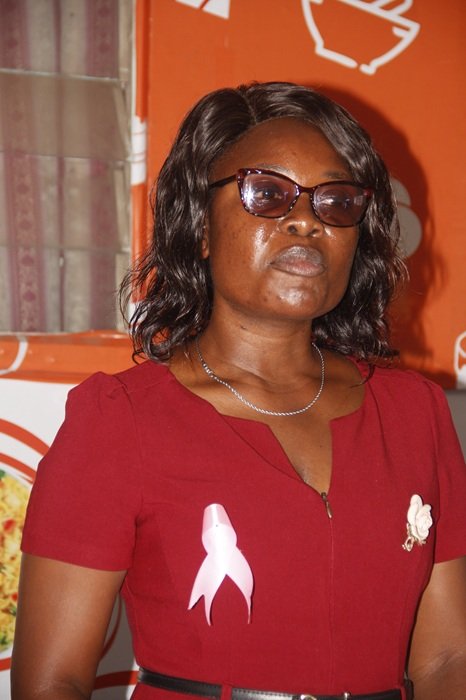
Medical Doctor and dietician, Dr Bernice Korkor Asare, has urged women to take greater responsibility for their lifestyle choices, particularly their eating habits and levels of physical activity, to help reduce their risk of developing breast cancer.

According to her, although, some breast cancer risk factors, such as family history and certain reproductive factors, may not be within an individual’s control, lifestyle choices offer an opportunity for people to take preventive action.
She made this known during a talk on the topic: “Role of diet in breast cancer prevention” organised by Times Ladies Association of the New Times Corporation, publishers of The Ghanaian Times and The Spectator, in Accra on Thursday.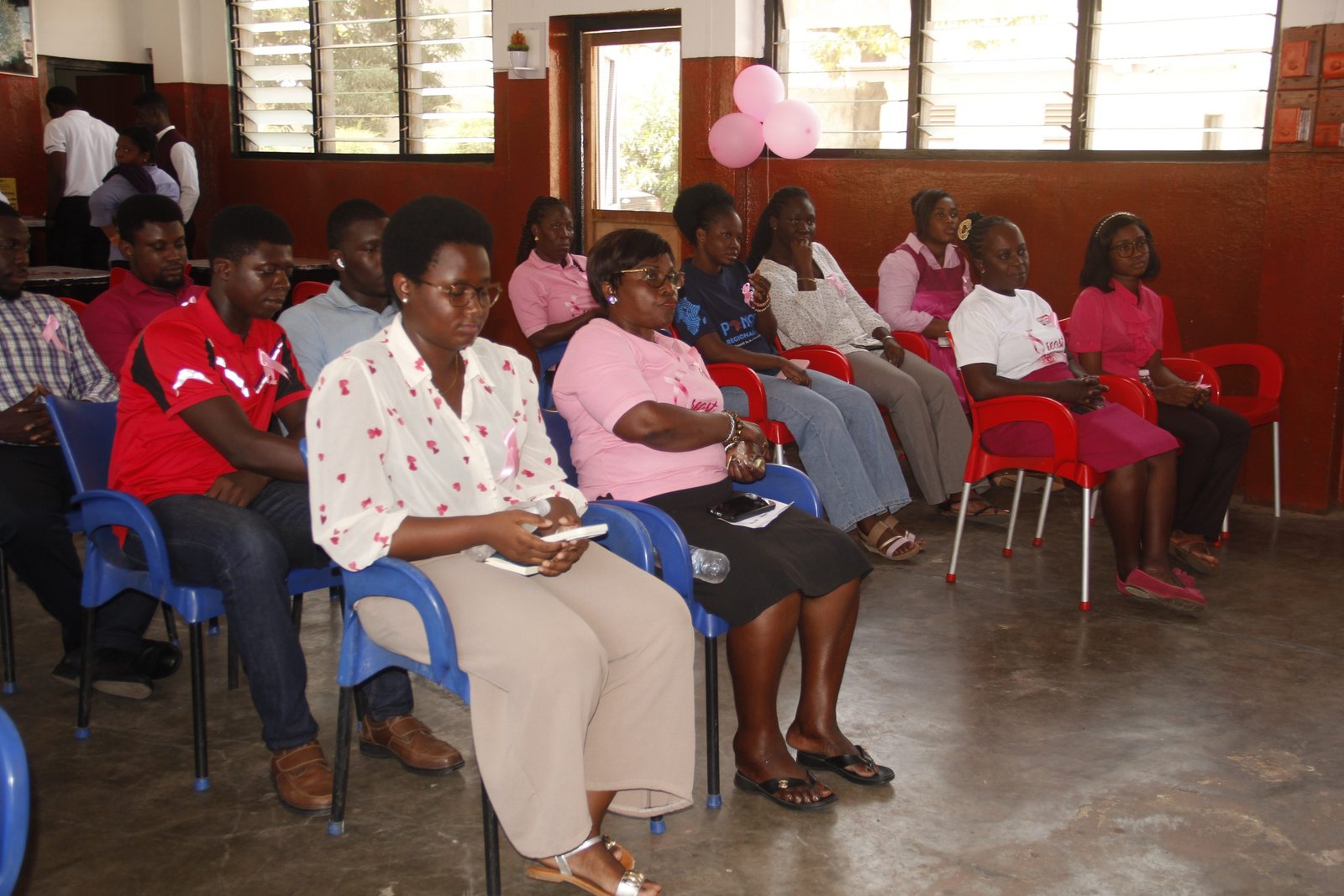
The event themed “Breast Cancer Awareness- Promoting Early Detection, Healthy Eating and Prevention.” 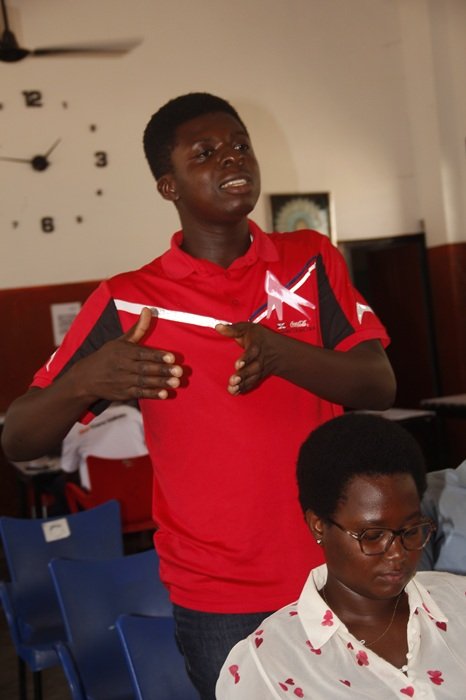
She noted that having a risk factor did not automatically mean a person would develop breast cancer, but could increase the likelihood of developing the disease compared with someone without that particular risk factor.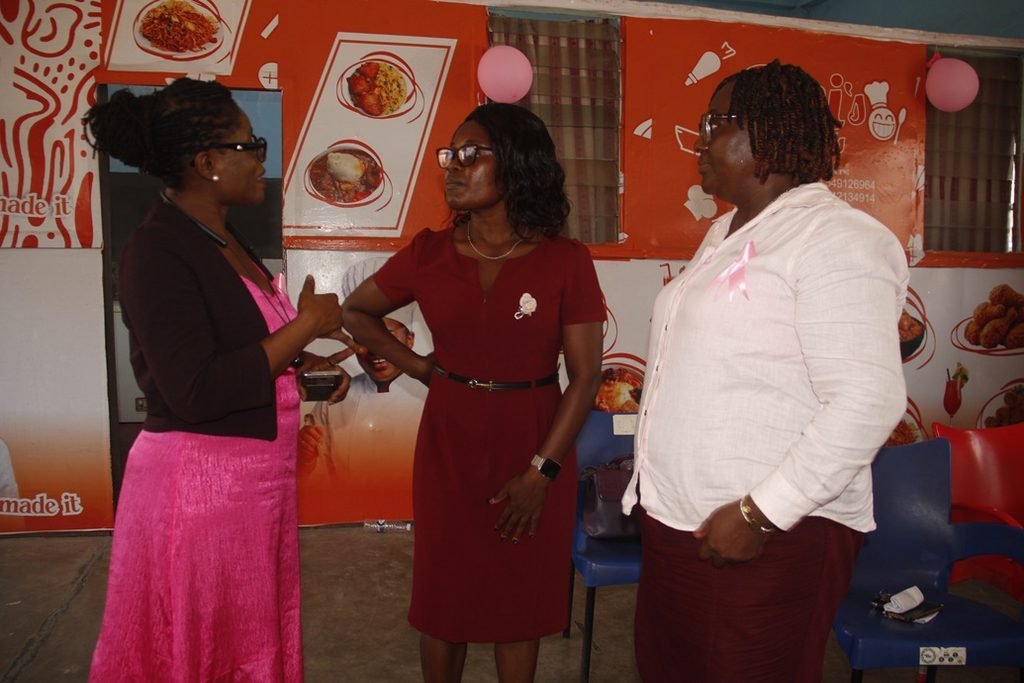
“Having close relatives who have had breast cancer, particularly a mother, sister or daughter, may increase the risk, although not everyone with a family history will develop the disease,” Dr Asare opined. Read More.
By Adizatu K. Munkaila
SKIP THE QUEUE, TAP THE NEWS
Read Daily News
You can now read the Ghanaian Times and The Spectator newspapers from the comfort of your device via TimesNewsPlus.
Buy Maps
Join our WhatsApp Channel: https://whatsapp.com/channel/0029VbBElzjInlqHhl1aTU27
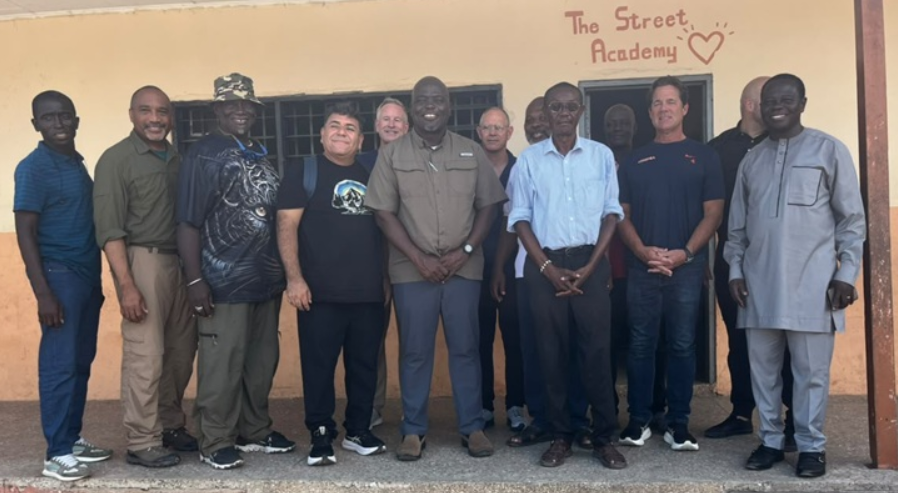
A group of compassionate friends from Innovation Gospel Impact last Friday visited the management, teachers and learners of the Street Academy in Accra.
The visit was to interact to get a deeper insight into the operations of the Academy that houses hundreds of street and underprivileged children and find ways to support them.
The team was led by Rev. Dr Isaac Apenteng Yeboah, a former Director for West African Mailbox Club and Director for Prisons Support Foundation, and Rev. Dale Sutherland from Washington DC.
The call, according to the visitors was occasioned by reports about the struggles of the Academy despite the occasional support it enjoys from individuals and some corporate entities.
Briefing them, the Founder and Executive Director of the Academy, Dr Ataa Lartey, thanked them for the concern showed, indicating that “this is a major boost for both teachers and learners; knowing that their plight is known by people outside their premises.”
According Dr Lartey, the Academy had planned to undertake a number of project to enhance teaching and learning and also procure facilities for the children with keen interest in sports but had to shelve those plans for lack of finance.
He told the team that their biggest concerns were the monthly utility bills that takes a toll on their finances.
“We have a piece of land we planned to turn into an astro turf pitch to train the younger ones whose interests lies in making a career out of football, however, we have been unable to commence because there is no money now,” he said.
Dr Lartey expressed gratitude to the teachers who have dedicated their lives to training these children, rather than going for well-paying jobs and hoped that with time, their conditions of engagement would improve.
Moved by the plight of the Academy, the group donated a cash amount of Gh₵3,000 to settle its water bills.
They described as unfortunate the conditions of learners and teachers of the Academy and pledged to continuously support their operations to realize the dream to build a better future for the unfortunate children.
The group offered to support the school with its monthly utility bills, feeding and staff allowance and urged the Academy staff to remain in constant touch with them.
The Street Academy is located at the Accra Art Center and offers brilliant but needy the chance to pursue their educational dreams by enrolling them in public schools with others offered training in sports and cultural activities.
By Spectator Reporter
SKIP THE QUEUE, TAP THE NEWS
You can now read the Ghanaian Times and The Spectator newspapers from the comfort of your device via TimesNewsPlus.
Join our WhatsApp Channel: https://whatsapp.com/channel/0029VbBElzjInlqHhl1aTU27