News
National Cathedral:Government yet to declare anybody guilty, investigations underway… Shamima Muslim reveals

- /home/u249204778/domains/spectator.com.gh/public_html/wp-content/plugins/mvp-social-buttons/mvp-social-buttons.php on line 27
https://spectator.com.gh/wp-content/uploads/2025/07/WhatsApp-Image-2025-07-21-at-14.54.15.jpeg&description=National Cathedral:Government yet to declare anybody guilty, investigations underway… Shamima Muslim reveals', 'pinterestShare', 'width=750,height=350'); return false;" title="Pin This Post">
- Share
- Tweet /home/u249204778/domains/spectator.com.gh/public_html/wp-content/plugins/mvp-social-buttons/mvp-social-buttons.php on line 72
https://spectator.com.gh/wp-content/uploads/2025/07/WhatsApp-Image-2025-07-21-at-14.54.15.jpeg&description=National Cathedral:Government yet to declare anybody guilty, investigations underway… Shamima Muslim reveals', 'pinterestShare', 'width=750,height=350'); return false;" title="Pin This Post">
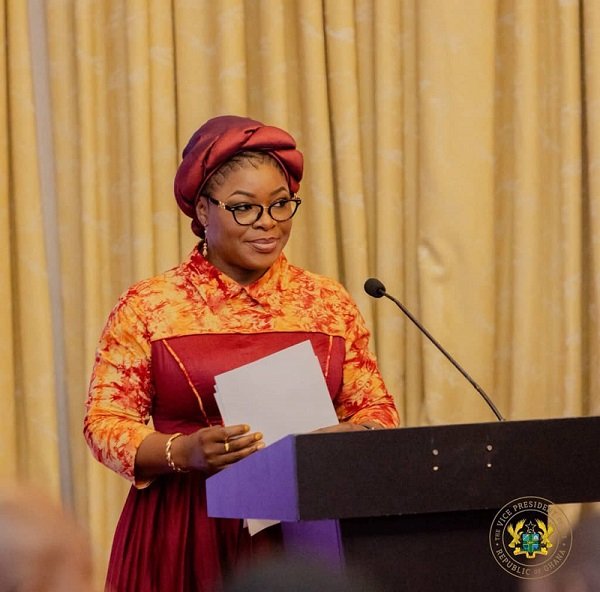
The Deputy Presidential Spokesperson, Shamima Muslim, says the government has not declared anyone guilty in relation to the National Cathedral project.
Speaking in an interview on GBC’s current agenda, Madam Muslim explained that investigations are still ongoing and that the Attorney General is working closely with the relevant teams to examine the findings.
According to her, the ORAL team has already reviewed the project and shared its report with the Attorney General.
This comes after news emerged that Deloitte and Touche LLC were carrying out a federal audit into the project.
“The President mentioned in one of his addresses that we are waiting for the findings from the audit report. That report will guide what actions to take next,” she stated.
She stressed that while there have been concerns about how public funds were used, no individual has yet been found guilty of any wrongdoing.
“Everybody is concerned about how much money has gone into this project, public money for what many see as a private promise by the President,” she added.
She said audit reports show that $58 million has already been spent on the cathedral, and another $39 million is owed to contractors – bringing the total to nearly $97 million.
Shamima Muslim said the big question now is about the total cost of the project and whether there was any misuse of funds.
“As a nation, we need to come together and find out if something went wrong. That’s why the investigations are important,” she emphasized.
The National Cathedral project has faced growing criticism over its funding, purpose, and progress, with many Ghanaians demanding answers.
By Jacob Aggrey







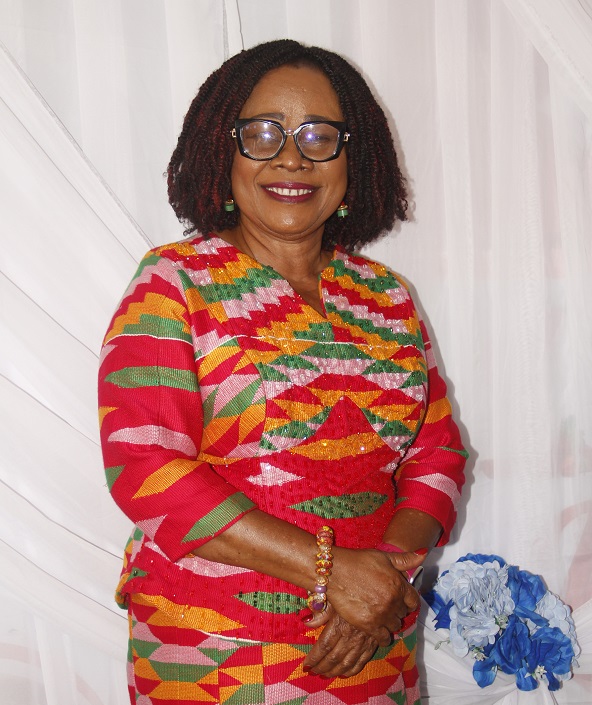
A nine-member board for the New Times Corporation (NTC), publishers of The Ghanaian Times and The Spectator newspapers was sworn into office on Thursday with a call to strengthen the governance of the Corporation.![Dr. Binka (seated second from right) with Dr Okpoti [right] the board and Management of NTC photos Okai Elizabeth.](https://spectator.com.gh/wp-content/uploads/2026/08/Dr.-Binka-seated-second-from-right-with-Dr-Okpoti-right-the-board-and-Management-of-NTC-photos-Okai-Elizabeth-1024x683.jpg)
The new NTC board is chaired by Dr Charity Binka and has Very Rev. Helena Amma Serwah Opoku-Sarkodie, Mr Tito Kojo Voegborlo Esq and Naana Aklerh Amenyah Kubi I as members. Read More
SKIP THE QUEUE, TAP THE NEWS
You can now read the Ghanaian Times and The Spectator newspapers from the comfort of your device via TimesNewsPlus.
Join our WhatsApp Channel: https://whatsapp.com/channel/0029VbBElzjInlqHhl1aTU27
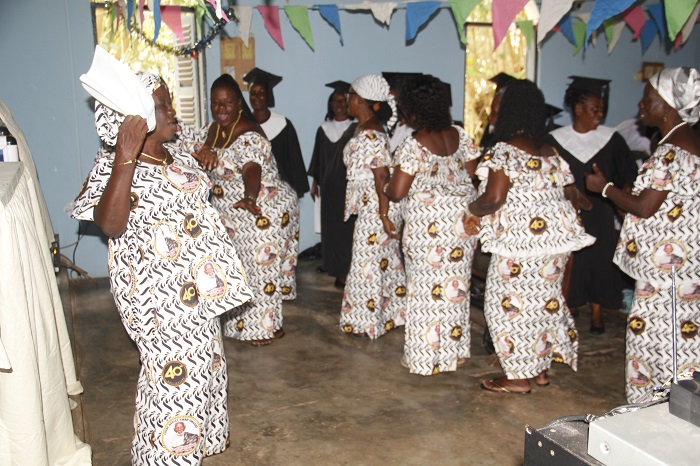
Christians have been urged to demonstrate a living faith in Jesus Christ by allowing their confession of Him as Lord and Saviour to reflect in their daily lives.
According to the Kaneshie District Pastor of the Evangelical Presbyterian Church, Ghana (EPCG), Rev. Dzidzor Nathaniel Affram, a genuine Christian’s confession should go beyond words and be demonstrated through obedience to God, love for others and service to the Church.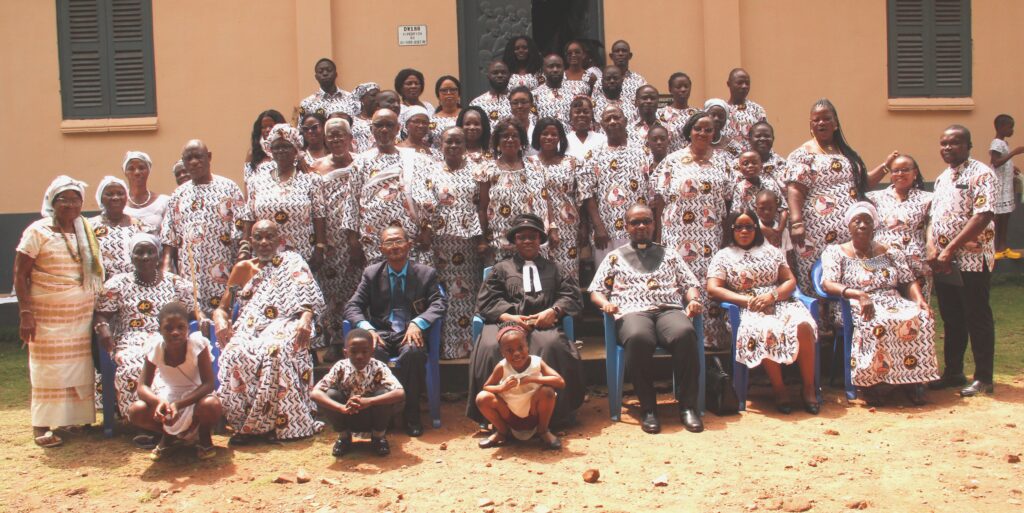
He made the call at the 40th anniversary remembrance service for the late Wesley Kwasi Kwadzo at the Evangelical Presbyterian Church, Ghana, Maranatha Congregation at Awudome Avenui in the Volta Region.
Speaking on the theme, “The Church Built on a Living Confession,” Rev. Affram said life would continually present challenges capable of testing Christians’ faith, making it necessary for believers to hold firmly to their confession that Jesus Christ is Lord.
He explained that accepting Jesus Christ as Lord and Saviour required Christians to live according to His teachings, stressing that their faith must be evident in their conduct.
“A living confession listens to God and not man,” he said, urging Christians to remain obedient to God even when faced with difficulties and pressures.
Rev. Affram further encouraged the congregation to care for vulnerable people and demonstrate concern for others, adding that such acts were practical expressions of Christian faith.
He also urged Christians to identify and use their God-given gifts to build the Church.
He said every member of the Church had a role to play and cautioned Christians against looking down on others because of their status or abilities.
The remembrance service brought together family members, friends, members of the congregation and sympathisers to commemorate the 40th anniversary of the late Wesley Kwasi Kwadzo.
By Lizzy Okai