Nutrition
Health benefits of fish


- /home/u249204778/domains/spectator.com.gh/public_html/wp-content/plugins/mvp-social-buttons/mvp-social-buttons.php on line 27
https://spectator.com.gh/wp-content/uploads/2022/07/Fish.jpg&description=Health benefits of fish', 'pinterestShare', 'width=750,height=350'); return false;" title="Pin This Post">
- Share
- Tweet /home/u249204778/domains/spectator.com.gh/public_html/wp-content/plugins/mvp-social-buttons/mvp-social-buttons.php on line 72
https://spectator.com.gh/wp-content/uploads/2022/07/Fish.jpg&description=Health benefits of fish', 'pinterestShare', 'width=750,height=350'); return false;" title="Pin This Post">
Fish is one of the most beneficial protein sources for diet. It is filled with essential nutrients, like omega-3 fatty acids, and is a great source of protein to keep your body lean and muscles strong.
-Lowers risk of heart disease
According to review, fish consumption is associated with a lower risk of fatal and total coronary heart disease. Fish is high in heart-healthy omega-3 fatty acids which can reduce inflammation, help protect your heart, and stave off chronic disease.
-Great source of vitamin D

Fish are high in vitamin D, and are considered one of the best dietary sources for this essential nutrient.
-Lowers cholesterol
Another way that fish helps your brain health is by decreasing the risk of strokes. High omega-3 fatty acid content in fish also helped lower risk of strokes in subjects of the study.
-Speeds up metabolism
Omega-3 fatty acids, which are abundant in fish, have a positive effect on your metabolism. Study noted that this healthy fat boosted resting and exercise metabolic rates, as well as fat oxidation, in older women.
-Helps treat liver disease
Omega-3 fatty acids found in fish have also been shown to help treat liver disease. Omega-3 helps break down triglycerides and fatty acids in the liver, lowering the risk of fatty liver disease.
Source: eatthis.com



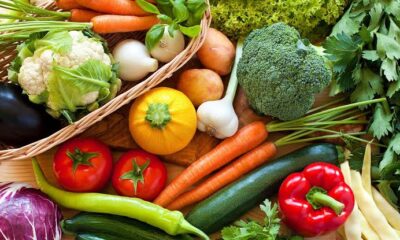
When we talk about nutrition in Ghana, the conversation often focuses on individual choices: eat more vegetables, reduce sugar and salt, drink more water and exercise regularly.
These messages are important, but they tell only part of the story. Good nutrition is not just a personal responsibility; it is also a food-system issue.
What Ghanaians eat is influenced by what farmers produce, what food costs, how it is processed and marketed, what is served in schools, and what information consumers receive.
Ghana has the agricultural capacity to produce a wide variety of nutritious foods, including vegetables, fruits, legumes, fish, eggs, roots and tubers. Yet production alone is not enough. Poor storage, transportation challenges and weak market access mean that an estimated 30 per cent of food in Ghana can spoil before reaching consumers or retailers, according to a 2025 study by the International Growth Centre. The losses are particularly significant for fruits and vegetables, reducing both farmers’ incomes and the availability of nutritious foods. This is where policy becomes important.
Agricultural policies should consider not only how much food Ghana produces, but also whether that food contributes to healthy diets. Greater support for diverse crops, local vegetables, fruits and legumes could strengthen both agriculture and nutrition.
The food-processing industry has a role as well. Processing can reduce food waste, improve convenience and create new markets for local produce. But greater attention should be paid to the nutritional quality of processed foods, particularly those high in salt, added sugar and unhealthy fats.
Public education must also become more practical. Telling people to “eat healthy” is not enough when nutritious foods may be unaffordable or unavailable. Consumers need information, but they also need a food environment that makes healthier choices realistic.
Good nutrition begins on the farm, continues through the market and food industry, reaches the school and household, and ultimately ends on the plate.
What is needed is greater coordination.
A successful nutrition strategy should connect agricultural production with health objectives, school feeding with local agriculture, food processing with nutritional quality, and public education with the realities of household income and food prices.
The ultimate goal is not simply to produce more food.
It is to ensure that Ghanaians have reliable access to safe, affordable and nutritious food throughout their lives.
Feature Article by Women, Media and Change
SKIP THE QUEUE, TAP THE NEWS
You can now read the Ghanaian Times and The Spectator newspapers from the comfort of your device via TimesNewsPlus.
Join our WhatsApp Channel: https://whatsapp.com/channel/0029VbBElzjInlqHhl1aTU27
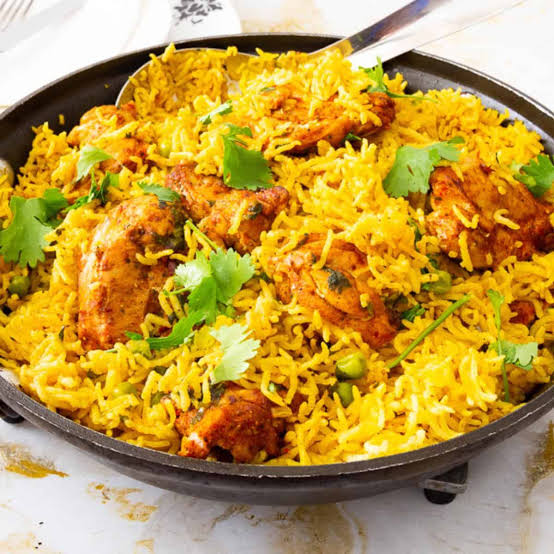
Igredients
– 2 cups of white rice
-1 large onion
– Vegetable oil
– 1 teaspoonful of grinded turmeric
-Salt to taste
– 2 carrots
-1 green pepper
-Spring onion
Method
-Pour the oil in saucepan and put it on fire
-Wash and cut onions. Add it to the oil and allow it to turn golden brown
-Add rice, stir for sometime to make it crispy
-Add water, turmeric, salt and allow rice to cook for sometime
-Cover the saucepan, reduce heat to low, and simmer until water is absorbed and rice is cooked, about 10 minutes
-Wash cut carrot, green pepper and spring onions and add to the rice on fire
-Serve with stew or shito
SKIP THE QUEUE, TAP THE NEWS
You can now read the Ghanaian Times and The Spectator newspapers from the comfort of your device via TimesNewsPlus.
Join our WhatsApp Channel: https://whatsapp.com/channel/0029VbBElzjInlqHhl1aTU27