News
Happy meaningful New Year

Once more the falling curtain closes the scenes and sequences of an old year. And once more the most frequent wish from friend to friend is for happiness in the year ahead. It is strange how our standards of happiness shift with circumstances. Perhaps a year ago it would have taken much more to make us feel that we were happy than it would today. Perhaps today we would be willing to settle for less and consider ourselves exceedingly happy. But with freedom and faith men can be happy with much or more, or with little or less.
Every time the sun sets, it rises in the morning and sheds new light on yesterday’s shadows. Whether a new century or a new day, life presents countless opportunities to begin anew. No matter our age or circumstance, today is a new day, and so is tomorrow. Think how wonderful that is!
While yesterday and all of history are valuable for the lessons learned, the experience gained, the memories made, each new day contains the promise of a fresh start. We take hold of this promise by learning from the past and living in the present with bright hope for the future.
If we are to begin anew, we can neither ignore the past nor abide in it. We move forward by remembering yesterday with its triumphs and tragedies, and by living today to the fullest. Richard L. Evans offered some timely advice: “Go ahead with your life, your plans, your preparation, as fully as you can. Don’t waste time stopping before the interruptions have started. Keep going forward, and keep your heart comforted, with courage and faith in the future. The wise keep learning, keep preparing for life, and don’t let uncertainties dissuade them from moving forward.”
Life gives us abundant opportunities for a fresh start. In a sense, each beginning is no different from any other. A new school year, a new job, a new city, friendship, or phase of life, all take some getting used to. But when we embrace the change and welcome the opportunity for growth, we live more fully and discover interests and talents that might otherwise have gone undeveloped.
Yesterday’s stumbling blocks can become today’s stepping-stones. And little by little, as we go forward with purpose and hope, our new beginning will become a new way of life.
So as we contemplate the new year, it would be interesting to know what men desire in their hearts that it should hold for them. These hopes, no doubt, could be stated in broad generalities for most of us. We all want peace, of course.
We all want to be permitted to use our energies and powers of thought in constructive activity. We all want to be loved, and respected, and cherished by someone who esteems us more than casually. We all want the necessities of life, and what each of us considers to be our share of its comforts. In short, everyone is hoping that the new year will hold happiness for himself or herself and for those he or she wishes well. That, of course, is the basis of the phrase “Happy New Year”, which is spoken so often and so thoughtlessly that it has lost much of its meaning. But in hoping for a Happy New Year, it would be revealing to know what it is that men think would make them happy.
So often when we speak of living abundantly, we are thinking in terms of material comforts and advantages. If man were a creature only of flesh and bone, food and raiment and the physical comforts would be the end of all his needs. But he is also a creature of mind and of spirit and of immortal continuance, and that abundant life of which we speak must go beyond a full stomach; a new car; a new dress or shoe and such things.
The material side of our existence is an important, indeed, essential consideration, but it is by no means the only consideration. He who makes possible by his creative ingenuity or inventive genius or powers of organisation, the wider distribution of more and more desirable things, is a common benefactor of mankind, but he who supposes that life begins and ends with the accumulation of this world’s goods, is misguided in his thinking.
It was of such as he of whom this parable was spoken: And I will say to my soul, Soul, thou hast much goods laid up for many years; take things easy; eat, drink and be merry. But God said unto him; Thou fool, this night thy soul shall be required of thee. Then whose shall those things be, which thou has provided?” (Luke 12:19, 20). And the conclusion of the matter, according to the record of Luke, is this: “That life is more than meat, and the body is more than raiment.” (Luke 12:23) And so, when we say “Happy New Year” we speak of that happiness wherein “men might have life, and that they might have it more abundantly.” (John 10:10) Remembering, in the words of Paul to the Romans, that: “The Kingdom of God is not meat and drink; but righteousness, and peace, and joy.” (Romans 14:17)
Happy and proper meaningful New year to you all.
By Samuel Enos Eghan


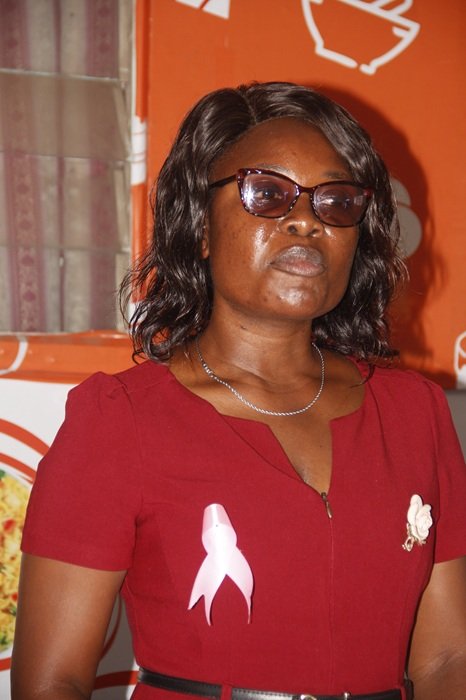
Medical Doctor and dietician, Dr Bernice Korkor Asare, has urged women to take greater responsibility for their lifestyle choices, particularly their eating habits and levels of physical activity, to help reduce their risk of developing breast cancer.

According to her, although, some breast cancer risk factors, such as family history and certain reproductive factors, may not be within an individual’s control, lifestyle choices offer an opportunity for people to take preventive action.
She made this known during a talk on the topic: “Role of diet in breast cancer prevention” organised by Times Ladies Association of the New Times Corporation, publishers of The Ghanaian Times and The Spectator, in Accra on Thursday.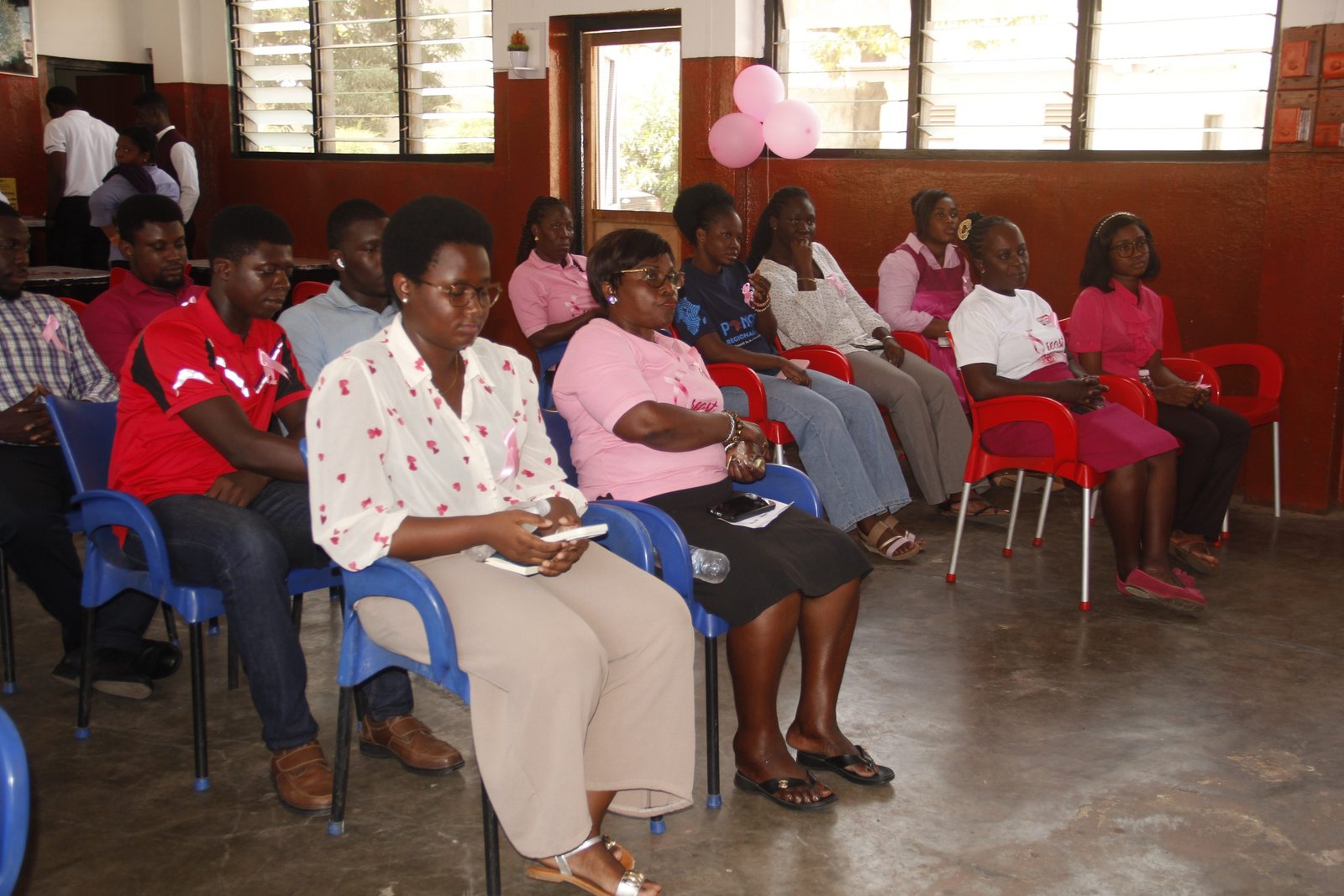
The event themed “Breast Cancer Awareness- Promoting Early Detection, Healthy Eating and Prevention.” 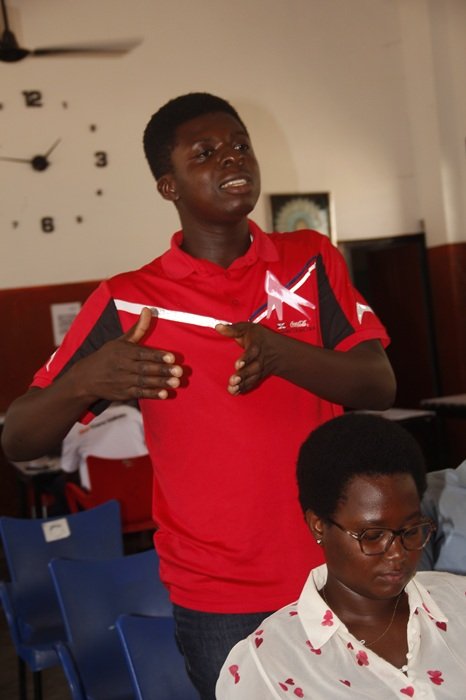
She noted that having a risk factor did not automatically mean a person would develop breast cancer, but could increase the likelihood of developing the disease compared with someone without that particular risk factor.
“Having close relatives who have had breast cancer, particularly a mother, sister or daughter, may increase the risk, although not everyone with a family history will develop the disease,” Dr Asare opined. Read More.
By Adizatu K. Munkaila
SKIP THE QUEUE, TAP THE NEWS
Read Daily News
You can now read the Ghanaian Times and The Spectator newspapers from the comfort of your device via TimesNewsPlus.
Buy Maps
Join our WhatsApp Channel: https://whatsapp.com/channel/0029VbBElzjInlqHhl1aTU27
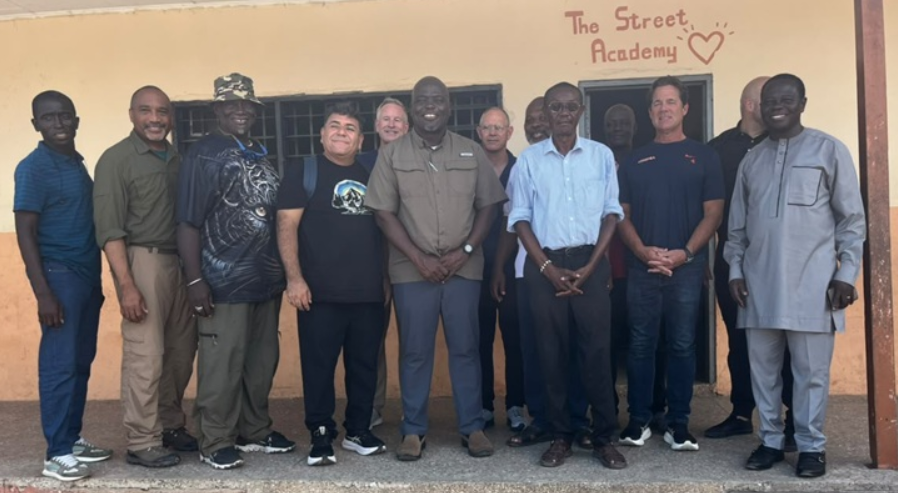
A group of compassionate friends from Innovation Gospel Impact last Friday visited the management, teachers and learners of the Street Academy in Accra.
The visit was to interact to get a deeper insight into the operations of the Academy that houses hundreds of street and underprivileged children and find ways to support them.
The team was led by Rev. Dr Isaac Apenteng Yeboah, a former Director for West African Mailbox Club and Director for Prisons Support Foundation, and Rev. Dale Sutherland from Washington DC.
The call, according to the visitors was occasioned by reports about the struggles of the Academy despite the occasional support it enjoys from individuals and some corporate entities.
Briefing them, the Founder and Executive Director of the Academy, Dr Ataa Lartey, thanked them for the concern showed, indicating that “this is a major boost for both teachers and learners; knowing that their plight is known by people outside their premises.”
According Dr Lartey, the Academy had planned to undertake a number of project to enhance teaching and learning and also procure facilities for the children with keen interest in sports but had to shelve those plans for lack of finance.
He told the team that their biggest concerns were the monthly utility bills that takes a toll on their finances.
“We have a piece of land we planned to turn into an astro turf pitch to train the younger ones whose interests lies in making a career out of football, however, we have been unable to commence because there is no money now,” he said.
Dr Lartey expressed gratitude to the teachers who have dedicated their lives to training these children, rather than going for well-paying jobs and hoped that with time, their conditions of engagement would improve.
Moved by the plight of the Academy, the group donated a cash amount of Gh₵3,000 to settle its water bills.
They described as unfortunate the conditions of learners and teachers of the Academy and pledged to continuously support their operations to realize the dream to build a better future for the unfortunate children.
The group offered to support the school with its monthly utility bills, feeding and staff allowance and urged the Academy staff to remain in constant touch with them.
The Street Academy is located at the Accra Art Center and offers brilliant but needy the chance to pursue their educational dreams by enrolling them in public schools with others offered training in sports and cultural activities.
By Spectator Reporter
SKIP THE QUEUE, TAP THE NEWS
You can now read the Ghanaian Times and The Spectator newspapers from the comfort of your device via TimesNewsPlus.
Join our WhatsApp Channel: https://whatsapp.com/channel/0029VbBElzjInlqHhl1aTU27