News
Ghana to Develop National AI Strategy Initiative Amid Digital Transformation Push


- /home/u249204778/domains/spectator.com.gh/public_html/wp-content/plugins/mvp-social-buttons/mvp-social-buttons.php on line 27
https://spectator.com.gh/wp-content/uploads/2025/04/1001556585-720x600.jpg&description=Ghana to Develop National AI Strategy Initiative Amid Digital Transformation Push', 'pinterestShare', 'width=750,height=350'); return false;" title="Pin This Post">
- Share
- Tweet /home/u249204778/domains/spectator.com.gh/public_html/wp-content/plugins/mvp-social-buttons/mvp-social-buttons.php on line 72
https://spectator.com.gh/wp-content/uploads/2025/04/1001556585-720x600.jpg&description=Ghana to Develop National AI Strategy Initiative Amid Digital Transformation Push', 'pinterestShare', 'width=750,height=350'); return false;" title="Pin This Post">
In a significant move to position Ghana at the forefront of technological advancement in Africa, the Minister for Communication, Digital Technology and Innovation, Samuel Nartey George (MP) has announced the development of a National Digital Transformation and Emerging Technology Strategy, with a strong focus on artificial intelligence.
Speaking at the Press Briefing yesterday in Accra, he highlighted that the initiative aims to guide the ethical deployment of digital tools such as AI and emerging technologies for national development. 
“The Ministry has prioritized dialogue on Artificial Intelligence to fully assess its opportunities, security implications and resource demands and ensure we put the appropriate governance framework in place for an ethical, inclusive and beneficial development and adoption of AI”, the Ministry stated.
Mr.Nartey George indicated that strategic international partnerships have already been established to support Ghana’s AI ambitions, adding that the Ministry has entered collaborations with the British High Commission, UNESCO and other international organizations to develop Ghana’s National Artificial Intelligence Strategy and blueprint.
“A key component of this initiative is the digitization of the nation’s essential data sets, described as a foundational step in our national Artificial Intelligence agenda.This effort aims to ensure that AI systems developed in Ghana learn from local data, reflecting the country’s cultural nuances and development priorities rather than relying solely on foreign datasets. AI models trained solely on foreign datasets risk overlooking Indigenous knowledge and reinforcing learned biases that do not serve our interests”, the Minister explained. “By anchoring AI development in our data, we are safeguarding digital sovereignty and building truly Ghanaian technologies in design and purpose”, he emphasized
According to him, the AI strategy forms part of a broader digital transformation agenda that includes legislative reforms to modernize Ghana’s technology sector.
He mentioned that the Ministry has initiated a comprehensive review of existing legislation and regulatory frameworks, with plans to redraft outdated laws to “ensure they reflect present realities, anticipate future developments, and provide a transparent, enabling environment for innovation, investment and consumer protection”.
This AI initiative, he said complements other digital efforts underway, including the One Million Coders Program aimed at training young Ghanaians in digital skills and the development of the Ghana Innovation and Startup Bill, which seeks to create a robust legal framework for technology startups.
Samuel Nartey George also intimidated that the Ministry’s push toward AI development represents a strategic effort to harness emerging technologies for economic growth while maintaining digital sovereignty in an increasingly technology-driven global economy.








The Ghana Football Association (GFA), through its Technical Directorate, will organize a one-day workshop for Ghana Premier League coaches ahead of the 2026/27 season.
The virtual session will bring together head coaches of all Premier League clubs for an engagement aimed at strengthening technical standards, enhancing professionalism, and ensuring a common understanding of key issues ahead of the new campaign.
It will be led by GFA Technical Director, Dr. Joseph Kwame Mintah, together with members of the Technical Directorate.
The workshop will provide a platform for coaches to engage the directorate on matters relating to their roles and responsibilities, with focus on key technical and administrative areas to ensure the smooth running of the competition.
Particular attention will be paid to the conduct and responsibilities of team officials, with emphasis on discipline, professionalism and adherence to competition regulations.
The exercise is expected to equip participants with relevant guidance and practical information as clubs finalize preparations for the new season.
The 2026/27 Ghana Premier League will kick off on Saturday, September 5, 2026, when Vision FC host Young Apostles at the Nii Adjei Kraku II Sports Complex in Tema New Town.
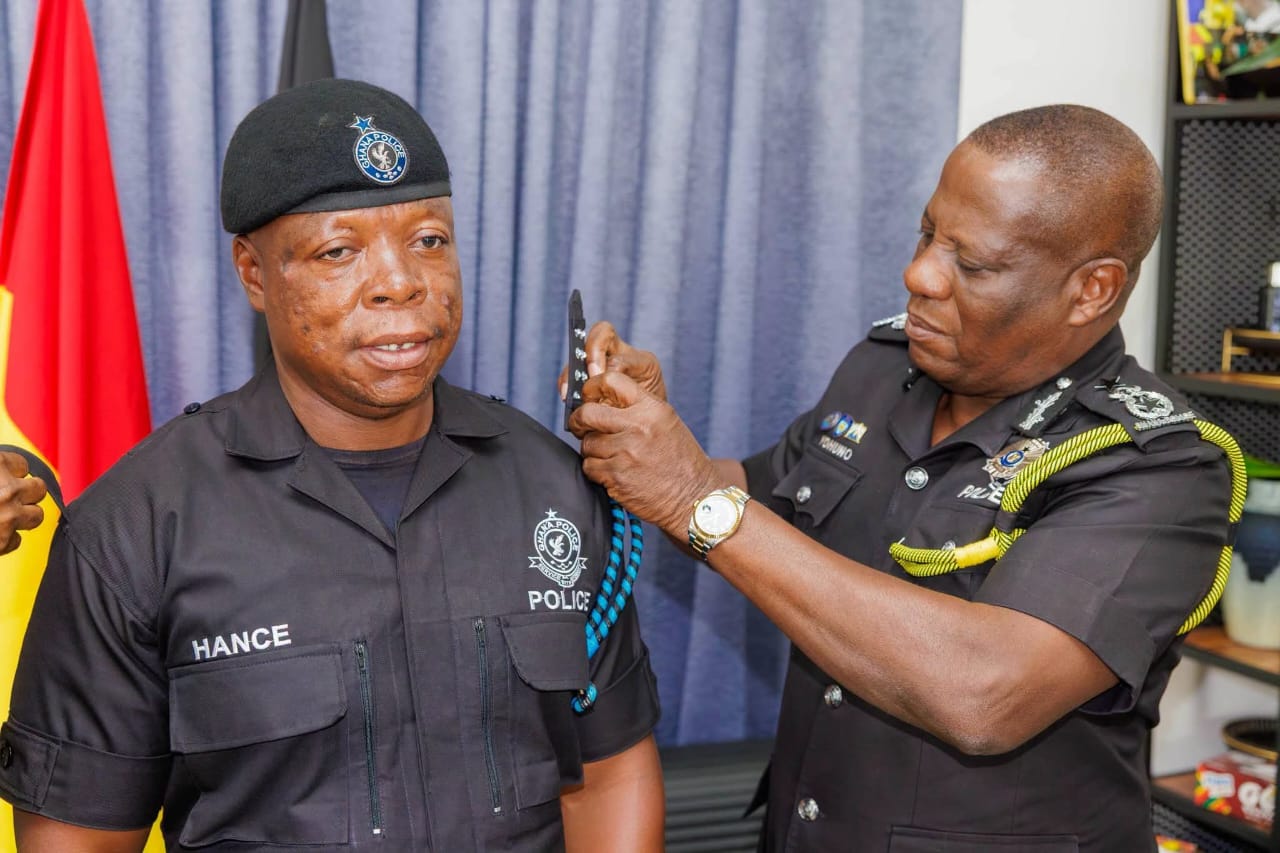
The Inspector-General of Police (IGP), Mr. Christian Tetteh Yohuno, on Monday’s, August 31, 2026, decorated Inspector Hance Atubra of the Tarkwa Divisional Headquarters with his new rank of Chief Inspector.
The decoration ceremony took place at the National Police Headquarters in Accra.
Chief Inspector Atubra was promoted in recognition of his bravery and exceptional efforts in saving lives and protecting property during a fire outbreak at Aboso in the Western Region on August 26, 2026.
The IGP commended him for his courage, quick response and dedication to duty, noting that his actions exemplify the professionalism and service expected of police officers.
By Edem Mensah-Tsotorme