News
Don’t deny children eggs …nutritionist tells parents


Mr Chrisantus Dari
It is a sad situation in the Upper West Region that some children are denied eggs on the wrong assumption that they will grow to become thieves when they are fed on eggs.
But the Deputy Chief Nutrition Officer in the region, Mr. Chrisantus Dari has condemned the act describing it as untrue, unfounded with no scientific proof.
The myth had for several years limited the consumption of eggs in the region leading to malnutrition among children who did not have the benefit of consuming other protein-giving foods like meat and milk.
“Egg is one of the cheapest protein you can find on the market and it contains six to seven grammes of protein for the body with about 140miligrammes of choline which is good for the development of children so in the absence of a comparatively expensive protein like meat, eggs can adequately serve the daily nutritional needs of children”, he stated.
Mr Dari made this known on the sidelines of a workshop for Nutritionists and Dieticians in the region at Wa to enable them to step up education on regular consumption of eggs.
The meeting which was at the behest of the Ghana National Egg Campaign Secretariat sought to update the nutrition officers on the most recent research findings on eggs to enable them to deliver same to people at the various health centres during their routine sensitisation outreach.
The Nutritionist noted that the myth was probably coined to discourage children from developing a taste for the product which would limit the strain on caregivers in a region where people could barely afford eggs.
He said even with the increased education for improved egg consumption, the price of eggs was a source of worry to some people and, therefore, discouraged them from consuming the product.
He used the opportunity to call on Ghana Poultry Association to take a look at the trend and endeavour to produce more eggs to meet the increasing demand in order to ensure a reduction in prices of eggs to encourage high consumption.
“There are several myths surrounding the consumption of eggs to the extent that some people even believe that pregnant women who consume eggs are likely to suffer miscarriages or experience difficult labour but these are ways, I believe ,to prevent the burden of having to provide eggs regularly for the family”, he said.
He was grateful to the GNECS for the training which, he said, would equip the officers with the latest information on eggs in order to enhance their sensitisation programmes.
The Coordinator of the GNECS, Ms Comfort Acheampong disclosed that a combination of egg and vegetables was a sure way for the obese to lose weight.
“Eggs are not harmful to the body as has been alleged in earlier studies and it is good for weight loss because one whole egg can be consumed alone to curb hunger without necessarily eating any other food”, she said.
From Lydia Darlington Fordjour, Wa

The Ghana Health Service (GHS) will undertake a nationwide Human Papillomavirus (HPV) vaccination exercise in schools from October to December 2026 to protect eligible girls against cervical cancer and other HPV related diseases.
The exercise, organised in collaboration with the Ghana Education Service (GES) and its partners through the School Health Education Programme (SHEP), will be conducted in two rounds.
The first round is scheduled for October 19 to 23, 2026, while the second will take place from November 30 to December 4, 2026.
In a press release dated October 19, the GHS explained that health workers would visit schools across the country to vaccinate eligible girls aged 9 to 14 who have not yet received the HPV vaccine.
The exercise forms part of efforts to raise awareness about the routine HPV vaccine, increase vaccination uptake and strengthen the country’s routine immunisation programme.
The GHS has called on school authorities, parents, guardians, teachers and community leaders to cooperate with health teams to ensure the successful implementation of the exercise.
The Service reaffirmed its commitment to protecting the health and well-being of Ghanaians, particularly children, through vaccination and other public health interventions.
By: Jacob Aggrey
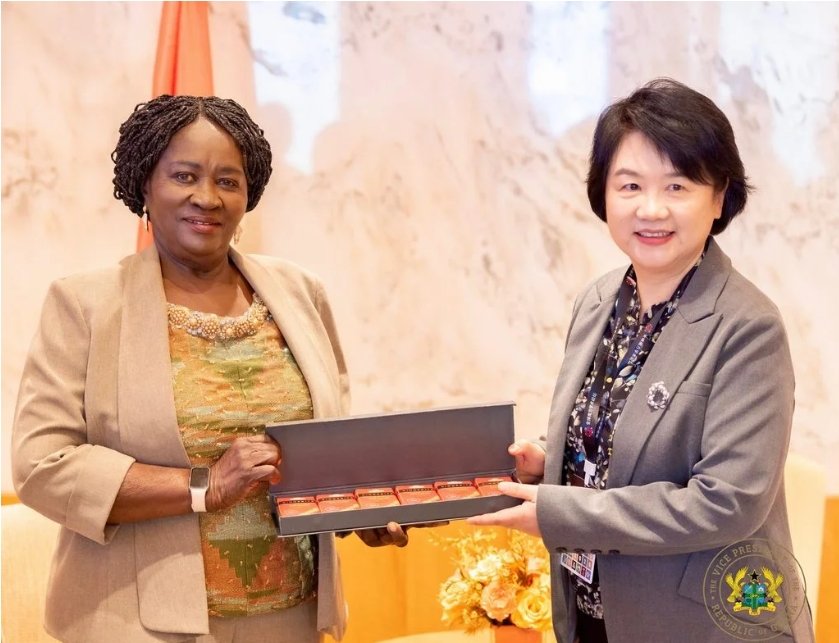
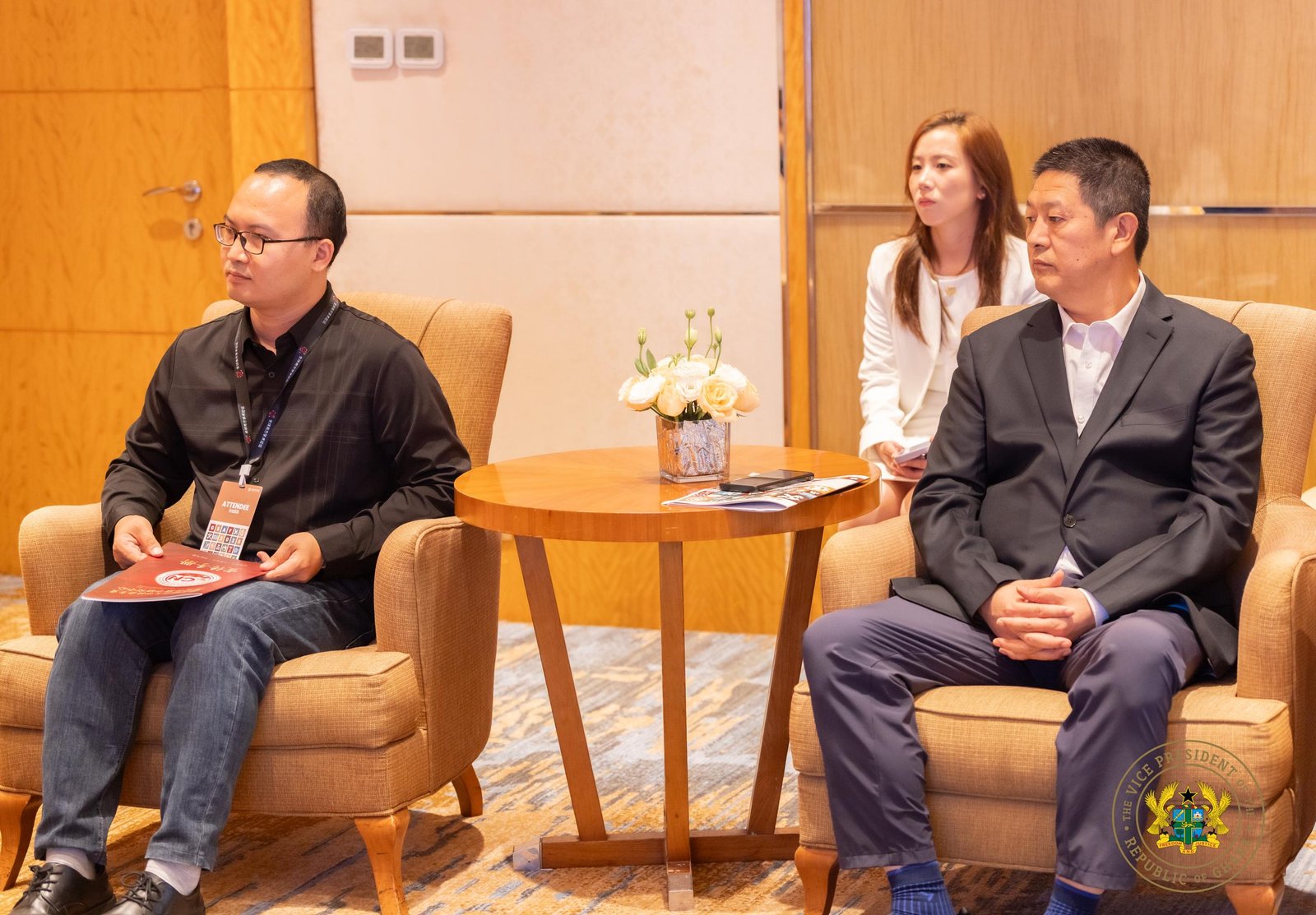
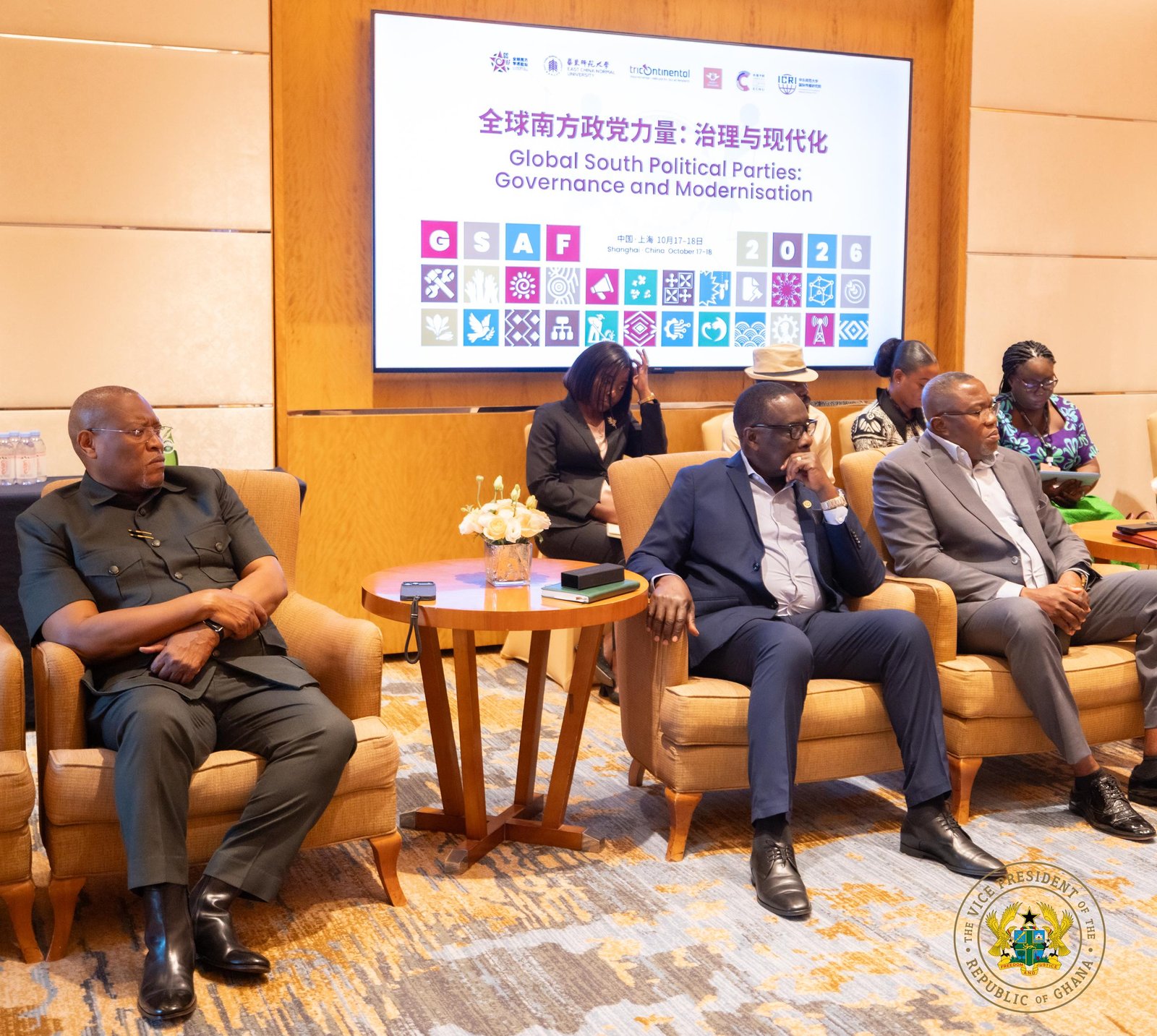
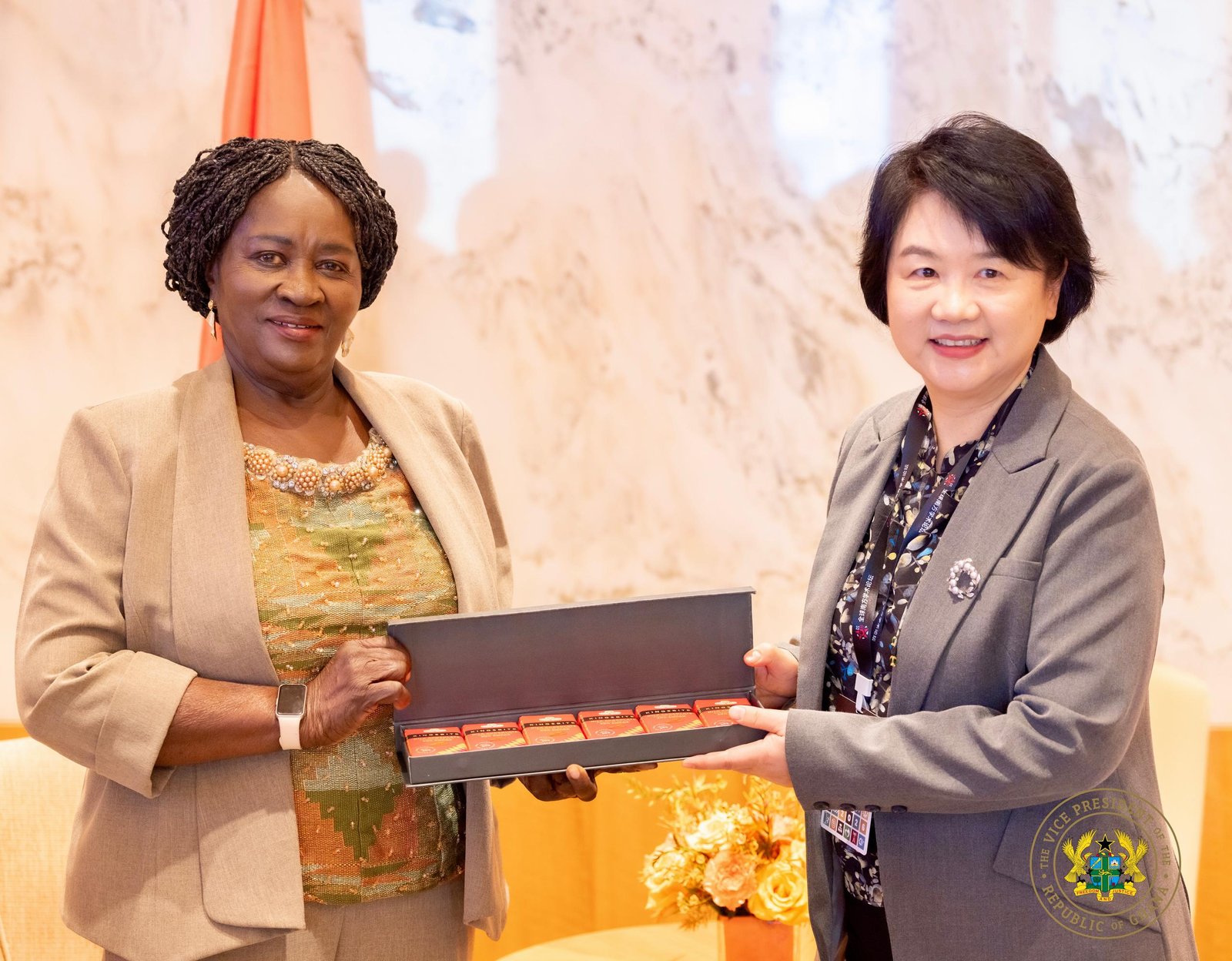
Vice President Professor Jane Naana Opoku-Agyemang has held high-level discussions with organisers of the 2026 Global South Academic Forum in Shanghai, seeking to draw lessons from China’s acclaimed rural revitalisation and poverty reduction drive.
The meeting, led by the Forum Chair, Professor Lu Xinyu, explored practical areas of cooperation and knowledge exchange between Ghana and China, with focus on community-driven development, fisheries and aquaculture, local governance, sports initiatives, and infrastructure development.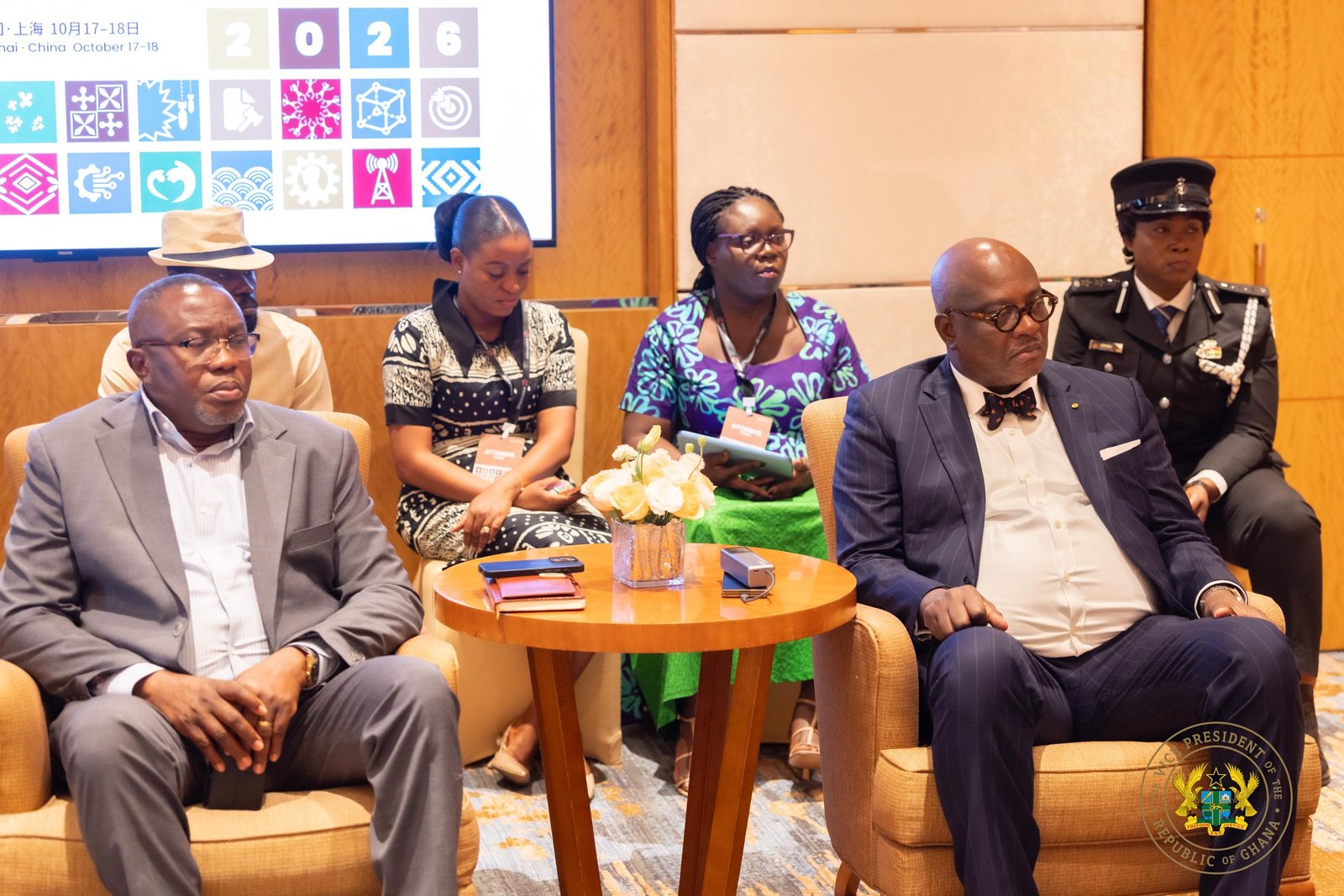
According to officials, the engagement is part of a broader effort by the Ghanaian government to study tested development models that can be adapted to the local context to promote inclusive growth, empower local communities, and improve livelihoods across the country.
China’s success in lifting over 800 million people out of poverty through targeted rural policies, investment in agriculture and local infrastructure has become a global reference point for developing nations.
The Vice President’s team says insights from the Forum will help inform policy direction, particularly in strengthening decentralised governance, boosting the fisheries and aquaculture sector, and investing in community-level infrastructure and youth sports development.
Professor Opoku-Agyemang is expected to continue engagements with academic and development institutions while in China.
By Edem Mensah-Tsotorme