Nutrition
Dietary management of rheumatoid arthritis

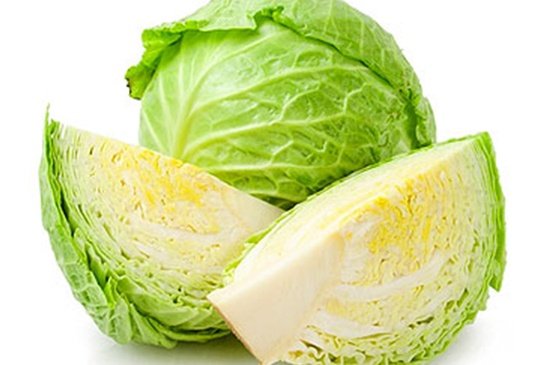
Green-cabbage
In this new chapter, we will be discussing how we can manage rheumatoid arthritis with our diet.
Rheumatoid arthritis (RA) is an autoimmune inflammatory disease of the joints. Autoimmune means that the body’s disease fighting system attacks the person’s own body cells.
The main cause is unknown. Rogue molecules cause the cartilage to break down, and the result is throbbing, warm, stiff, and swollen joints. Over time, it even exceeds the joints and damage the bones.
Rheumatoid arthritis is more common in women and has several features that makes it different from other kinds of arthritis. For example, a person with rheumatoid arthritis may feel tired, have occasional fevers, and generally not feel well. And unlike osteoarthritis, pain and stiffness is worse in the morning while pain and swelling of osteoarthritis is worse in the evening.
Management is mostly pain medications and immunosuppressant but the role of diet cannot be over looked.
Foods to include
Anthocyanin rich foods such as; red grapes, cranberries, cherries and cabbage.
Copper rich foods such as; crab, mushroom, spinach, and beans.
Omega-3 fatty acid rich foods such as; salmon, flaxseed, anchovies, and sardines.
Vitamin E rich foods such as; almonds, avocado, red bell peppers, and peanut butter.
Foods to avoid
Red meat such as; beef, mutton, and chevon.
Gluten containing products such as; wheat.
Refined carbohydrates and processed foods such as; pastries, certain cereals, and white rice.
Lifestyle modification
Modifying our lifestyle from a predominantly sedentary lifestyle to incorporating exercises like going for walks, jogging, and riding bicycles, as well as avoiding late-night high-calorie meals, excessive alcohol intake, and cigarette smoking will serve to prolong our healthy life and prevent rheumatoid arthritis from being our burden.
In conclusion, rheumatoid arthritis can be difficult to cope with psychologically, due to its autoimmune nature. But let us always remain steadfast with the simple ways of managing it; a balanced diet rich in anti-inflammatory nutrients, alongside regular exercise and healthy lifestyle choices, will help manage symptoms and reduce the impact of rheumatoid arthritis.
The writer Dr Bernice Korkor Asare is the CEO of Holistic Health Consult
“Your diet your health, your health your wealth”
E-mail: holistichealthconsultgh@gmail.com


Ingredients
-Oil
-1 large onion
-2 cups of rice
-Salt
-2 cups of wheat
Preparation
-In a medium saucepan, heat oil over medium-low heat
-Add the onion and cook, stirring frequently, until soft and turns golden brown
-Wash rice and wheat and put into pan. Sauté for two to three minutes, until toasty and fragrant
-Add water and salt and allow to boil.
– Reduce heat to low and allow to simmer for 10 to 15 minutes until rice is tender and the water is absorbed.
-Taste the rice/wheat; if it is still a bit firm, add a few more tablespoons of water and cook a few more minutes.
-When the rice/wheat is ready, take it off the fire and serve hot
Benefits of wheat
–Improves digestion: High levels of insoluble fibre- wheat promotes regular bowel movements, prevent constipation, and support a healthy gut microbiome.
-Supports heart health: Whole-grain wheat helps lower LDL (bad) cholesterol, reduces blood pressure, and decreases the risk of stroke and heart disease.
-Aids weight management: Complex carbohydrates and dense fibre slow digestion, increase feelings of fullness, and help prevent sharp blood sugar spikes.
-Lowers type 2 diabetes risk: Steady glucose release and minerals like magnesium improve insulin sensitivity.
– Provides essential vitamins and minerals: Wheat supplies B vitamins, iron, magnesium, phosphorus, zinc, and selenium, which help build bones and boost immune function.
–Delivers Antioxidants: Compounds like phenolic acids, ferulic acid, and lutein protect cells from oxidative stress and support eye health.
SKIP THE QUEUE, TAP THE NEWS
You can now read the Ghanaian Times and The Spectator newspapers from the comfort of your device via TimesNewsPlus.
Join our WhatsApp Channel: https://whatsapp.com/channel/0029VbBElzjInlqHhl1aTU27

Ingredients
-4 cups of crushed corn
-1 cup of sugar
Method:
-Soak crushed corn for two or more days to ferment
-Boil the fermented corn for about 20-30 minutes until foamy substance is dried up
-Pour sugar in a saucepan and heat until almost burnt
-Strain water from the boiled corn and pour in the saucepan containing sugar
-Use a strainer to strain the chaff
-Allow to cool and store in refrigerator
– Serve with milk
By Linda Abrefi Wadie