Sports
Decathlon Ghana reaffirms commitment to enhancing Ghana’s sporting industry

- /home/u249204778/domains/spectator.com.gh/public_html/wp-content/plugins/mvp-social-buttons/mvp-social-buttons.php on line 27
https://spectator.com.gh/wp-content/uploads/2025/05/unnamed-3-2-1000x600.jpg&description=Decathlon Ghana reaffirms commitment to enhancing Ghana’s sporting industry', 'pinterestShare', 'width=750,height=350'); return false;" title="Pin This Post">
- Share
- Tweet /home/u249204778/domains/spectator.com.gh/public_html/wp-content/plugins/mvp-social-buttons/mvp-social-buttons.php on line 72
https://spectator.com.gh/wp-content/uploads/2025/05/unnamed-3-2-1000x600.jpg&description=Decathlon Ghana reaffirms commitment to enhancing Ghana’s sporting industry', 'pinterestShare', 'width=750,height=350'); return false;" title="Pin This Post">
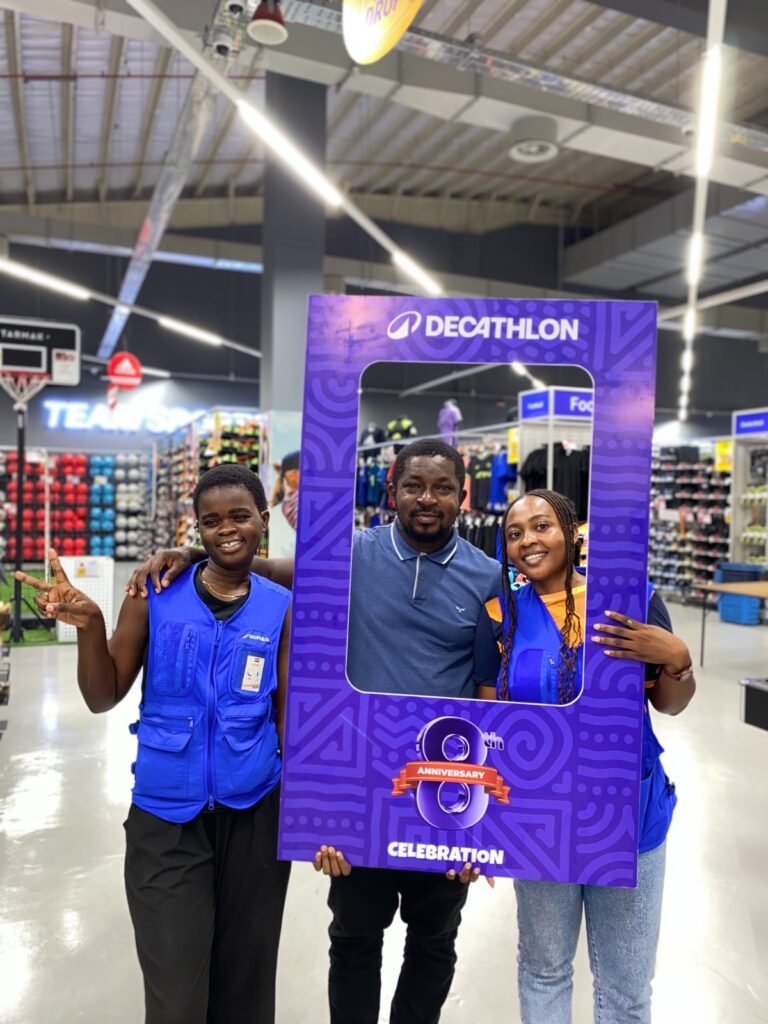
Global sports retailer brand Decathlon Ghana has reaffirmed its commitment to enhancing the Ghana’s sporting industry at both grassroots and national levels.
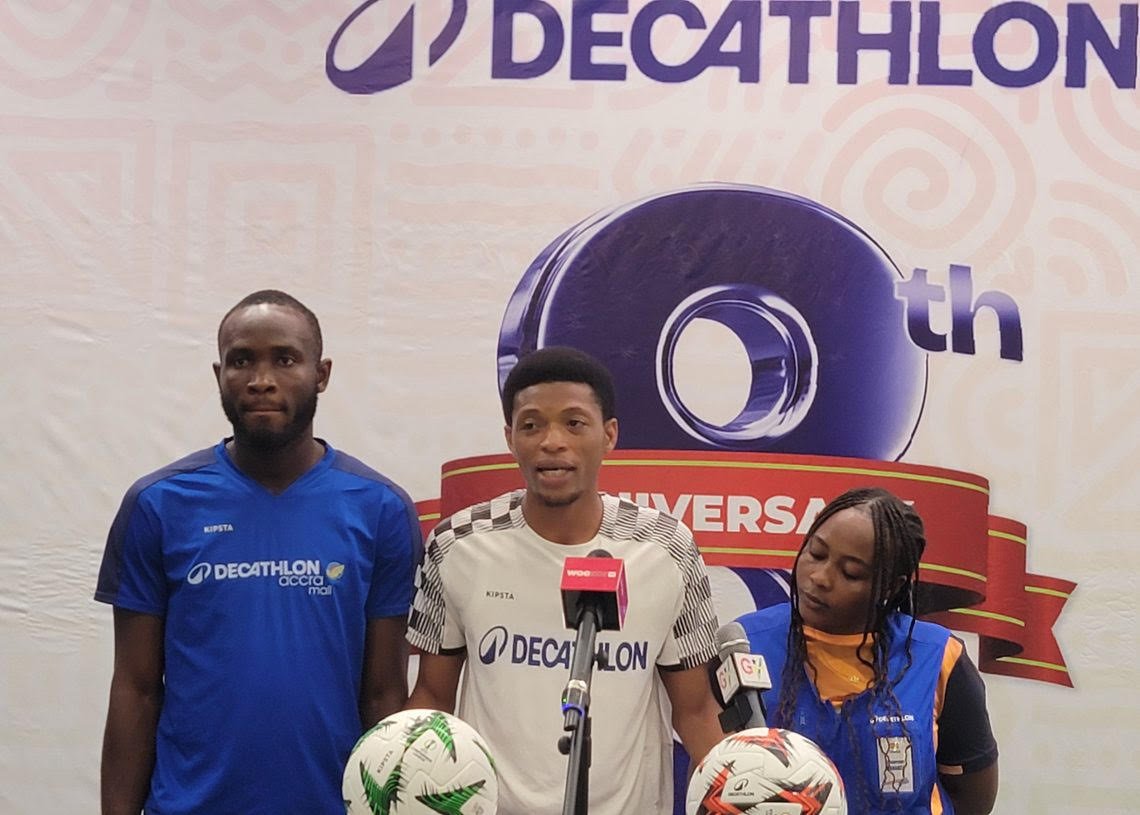
Since its entry into the Ghanaian market in 2017, Decathlon Ghana has partnered with a wide range of organisations across various sporting fields and industries, aimed at giving Ghanaians the opportunity to love their sports more than ever before.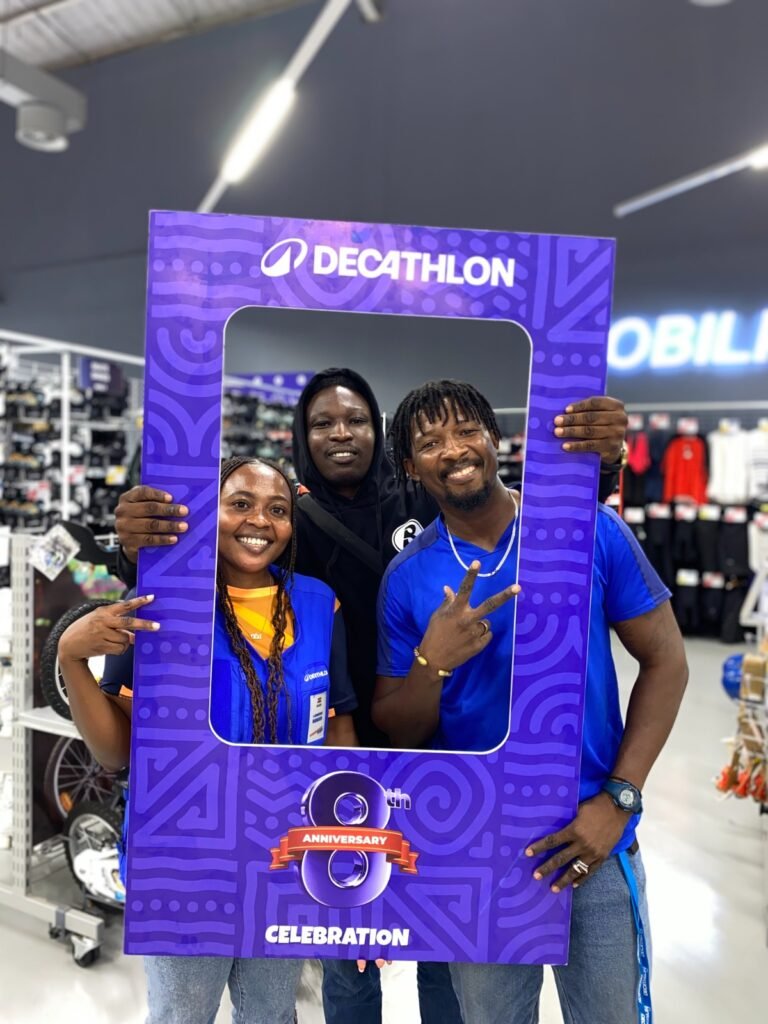
Speaking at the media launch of the company’s 8th anniversary celebrations on Wednesday at the Decathlon store in Accra Mall, Events and Brands Manager at Decathlon Ghana, Thompson Agbodo, stated that Ghana is a rich sporting nation with diverse talents that, when harnessed and given the right attention and support, can showcase the country to the rest of the world.
Sports organizations such as the Ghana Football Association (GFA) and its clubs, the Ghana Basketball Association and its clubs, the Rugby League Federation Ghana (RLFG), as well as various keep-fit clubs, have felt the impact of the company’s eight-year presence in Ghana.
While elaborating on how Decathlon’s involvement in Ghanaian football has evolved, shifting from retail to direct partnerships with key events and federations, he revealed their recent involvement in the Women’s Premier League and FA Cup finals at the University of Ghana Stadium, where they recognised standout players with awards.
“We have come a long way; beyond just supplying gear, we now stand shoulder to shoulder with Ghanaian athletes, offering not only products but also visibility, encouragement, and technical support,” he said.
On his part, the Business-to-Business and Reseller Leader at Decathlon Ghana, Mr. Mawuli Kofi Agato, noted that while football remains a focal point, Decathlon’s support extends to less mainstream sports as well.
They are committed to assisting clubs and associations in these areas through affordability initiatives.
“Many football clubs struggle to purchase equipment in bulk. We have significantly reduced costs to help them operate more efficiently. Our aim is to ensure that every sport beyond just football has the opportunity to thrive,” he added.
Ms. Francisca Arhin, Decathlon’s E-commerce Manager, emphasised the use of technology to enhance accessibility and inclusivity, stating that their platforms make it easier for everyday Ghanaians to access quality sportswear and equipment without facing barriers.
To celebrate the anniversary, Decathlon launched a 10-day sports themed event from May 21 to June 1, featuring activities designed for families and sports enthusiasts.
These activities include free equipment servicing and customization, discounts of up to 50% on Adidas products, weekend family games, and free delivery of products purchased within Accra.
She stressed that these activities are part of a broader initiative to cultivate a sporting culture at the community level.






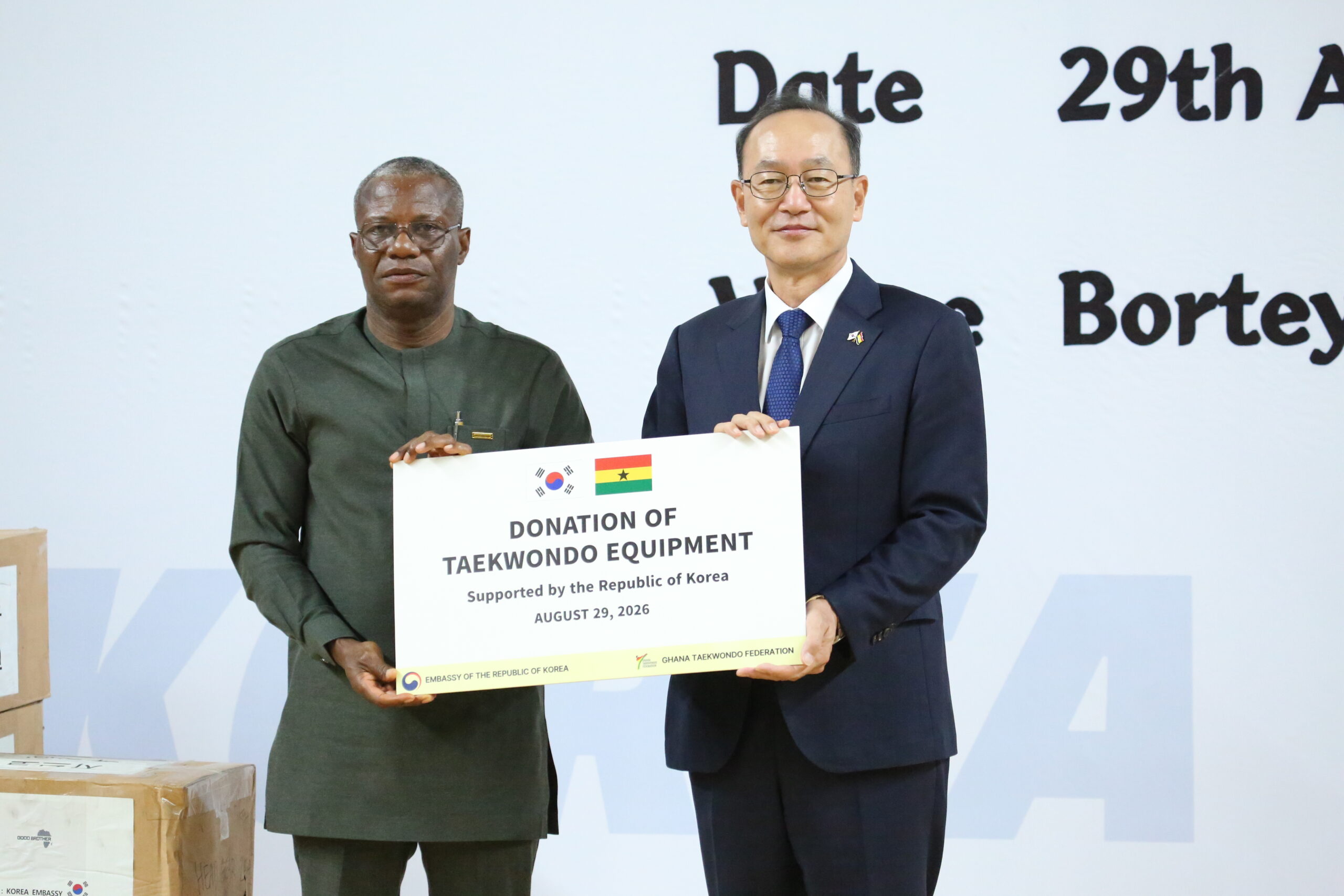
In a resolve to build clearer pathway for athletes, the President of the Ghana Taekwondo Federation (GTF), Mr Frederick Lartey Otu, has indicated the new executive’s commitment to strengthen collaboration with major stakeholders in the development and promotion of the sport.
According to him, it would be difficult to achieve its set targets set for the new elected term without a good working relations with such collaborators.
Mr Otu said this when he addressed participants at the closing ceremony of the 16th edition of the Korean Ambassador’s Cup Taekwondo Championship held last Saturday at the Borteyman Sports Complex.
The event saw the Greater Accra Region’s dominance as they amassed a total of 26 medals consisting of 10 gold, eight silver and eight bronze medals.
The Upper East Region followed in second position with a gold, silver and six bronze medals and Western Region in third after annexing a gold and silver medals.
According to him, the new executive will continue to strengthen collaboration with the Ministry of Sports and Recreation (MoSR), National Sports Authority (NSA), Ghana Olympic Committee (GOC), the Korean Embassy in Accra, corporate organisations as well as educational institutions and Regional Associations.
“Our recent engagements with key stakeholders have reinforced our belief that there is a willingness to support Ghana Taekwondo when we present clear programmes, demonstrate accountability and work collaboratively,” he stated.
Consequently, he assured of the executive board’s commitment to good governance, transparency, accountability, teamwork and respect for all stakeholders.
“We’ll listen to our regions, clubs, coaches, athletes, officials and members of the Taekwondo family. We’ll continue to improve our administrative systems, documentation, communication, financial planning and programme coordination,” he added.
Mr Otu noted that the board was committed to building a sustainable Taekwondo development system that produces athletes, coaches, referees and administrators capable of representing Ghana with pride.
He said starting this month, the GTF will roll out its first major initiative – the Regional Taekwondo Awareness Campaign, to be launched in the Ashanti Region.
The campaign is designed to take Taekwondo directly to the schools and communities, particularly areas where sporting opportunities are limited.
“Our immediate target is to begin with at least five deprived regions — Northern Region, Upper West Region, Bono Region, Central Region and Ashanti Region — and identify young people with the potential to become future Taekwondo athletes,” he emphasised.
Mr Otu expressed gratitude to the Korean embassy for its continuous support for the championship which he said had given Ghanaian athletes the opportunity to compete, gain valuable experience, test themselves against quality opposition and develop the confidence necessary to progress to higher levels of competition.
At the end of the competition, the embassy presented a number of Taekwondo attires to the GTF to boost the sport’s promotion in Ghana.
By Andrew Nortey
SKIP THE QUEUE, TAP THE NEWS
You can now read the Ghanaian Times and The Spectator newspapers from the comfort of your device via TimesNewsPlus.
Join our WhatsApp Channel: https://whatsapp.com/channel/0029VbBElzjInlqHhl1aTU27
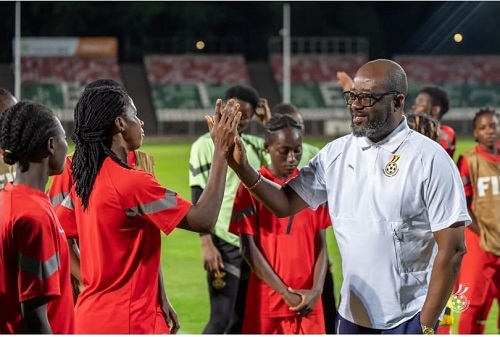
CAF 2nd Vice President and President of the Ghana Football Association, Kurt Edwin Simeon-Okraku, has visited the Black Princesses in Poland ahead of their opening game at the FIFA U-20 Women’s World Cup.
The GFA President, who watched the team’s training session, assured the players of the Association’s full support and backed them to make history by qualifying from the group stage for the first time.
“A few days ago, I was in a chat with the head coach and I promised that I was going to join him for what I think is the most important game for us, which is the first game,” President Simeon-Okraku told the team.
“For me, the first game is the most important, because if we start well, chances are that we will do well. History tells us that this team has always been here. We’ve always been at this tournament for seven consecutive times. My inner faith is telling me that we have enough quality here to qualify from this group.”
He praised the players for their sacrifice and patience throughout preparations, saying their investment would be repaid on the pitch.
“You have been patient and gone through the troubles and the hassles. And you are here today. I believe that these sacrifices you have made, these investments you have made, will be repaid,” he said.
The GFA President stressed that Ghana has the quality to overcome their group opponents.
“We are faced by three opponents — Ecuador, Korea Republic and France. These three nations, believe me, are no better than us. We have enough quality in this team to win games in this group and to make it to the second round of the competition.”
“This tournament is played every two years, so after 14 years, this is the 16th year now — this group must be the one that makes it out of the group to the knockout stage. And this must happen.”
“I think the team is ready. The technical team have done a good job. The players have conducted themselves well. We will continue to support you to ensure you get the best to be able to compete at this level.”
He also charged the final squad to make those who missed out proud.
“A few of you were here but didn’t make the squad and had to leave. This is that moment that you have to make them proud.”
President Simeon-Okraku was accompanied to the training ground by Chief of Staff at the GFA, Michael Osekre, and President of Dreams FC, Jiji Alifoe.
Ghana will open their campaign against Ecuador on September 6, 2026, before facing Korea Republic and France in their other group matches.
By Edem Mensah-Tsotorme