News
Benefits of jute leaves


- /home/u249204778/domains/spectator.com.gh/public_html/wp-content/plugins/mvp-social-buttons/mvp-social-buttons.php on line 27
https://spectator.com.gh/wp-content/uploads/2025/02/Jute-Leaves.webp&description= Benefits of jute leaves', 'pinterestShare', 'width=750,height=350'); return false;" title="Pin This Post">
- Share
- Tweet /home/u249204778/domains/spectator.com.gh/public_html/wp-content/plugins/mvp-social-buttons/mvp-social-buttons.php on line 72
https://spectator.com.gh/wp-content/uploads/2025/02/Jute-Leaves.webp&description= Benefits of jute leaves', 'pinterestShare', 'width=750,height=350'); return false;" title="Pin This Post">
Ingredients
-200 grams of jute mallow leaves
-20 grams of dawadawa
-100 grams of fresh tomato
-10 grams of fresh hot pepper
-50 grams onion
-45 fish powder
-9 grams of bouillon tablet
-3 tablespoonful of saltpetre
-Salt to taste
Preparation
• Wash jute mallow with salt added to water (brine)
• Chop/pound jute mallow
• Grind hot pepper (dry or fresh) and tomatoes
• Chop onion into pieces
• Pound dawadawa
• Pound dry fish
Jute leaves is a species of vegetables that is grown mainly for food. Ewedu, also known as jute in English, is packed with nutrients and has immense health benefits for the body.
The name ‘ewedu’ originates from the Yoruba tribe in Nigeria where the vegetable features as a common ingredient for soups. The Hausa people call it rama. Ewedu leaves are used to prepare ewedu soup (ayoyo soup).
1. Acne prevention and treatment
Eating jute leaves can help to prevent the appearance of acne on the skin and could also help in treating it. Acne is caused by the over-secretion of sebum from the sebaceous glands. Jute leaves have properties, like vitamin A, that can help to control the secretion of sebum, reducing the appearance of acne.
2. Strengthening bones and teeth
Jute leaves contain a healthy amount of calcium that would help to strengthen your bones and teeth. Besides calcium, there is also phosphorus, which maintains bone density and prevents the risk of osteoporosis, especially in younger children.
3. Aids digestion
Eating jute leaves also aids digestion and bowel movement and reduces the chances of constipation. This is due to the fibre content in jute leaves. Fibre makes it easier to digest food and pass waste out of the body.
4. Maintains skin
Jute leaves also play role in maintaining fine and radiant skin. While it helps to clear acne, it also contains other vitamins that facilitate the production of collagen in the body. It also has fatty acids, which keep the skin moisturised, preventing cracks and wrinkles. It is rich in vitamin C which is very good for the skin.
5. Improves hair health
Your hair also has a lot to gain when you take jute leaves. This is because it contains Omega 3, which is known to boost hair growth and help keep the hair healthy and strong. The anti-inflammatory properties in the plant also help to keep dandruff away from the hair by preventing scalp exfoliation.
Source: tribuneonlineng.com


A nine-member board for the New Times Corporation (NTC), publishers of The Ghanaian Times and The Spectator newspapers was sworn into office on Thursday with a call to strengthen the governance of the Corporation.![Dr. Binka (seated second from right) with Dr Okpoti [right] the board and Management of NTC photos Okai Elizabeth.](https://spectator.com.gh/wp-content/uploads/2026/08/Dr.-Binka-seated-second-from-right-with-Dr-Okpoti-right-the-board-and-Management-of-NTC-photos-Okai-Elizabeth-1024x683.jpg)
The new NTC board is chaired by Dr Charity Binka and has Very Rev. Helena Amma Serwah Opoku-Sarkodie, Mr Tito Kojo Voegborlo Esq and Naana Aklerh Amenyah Kubi I as members. Read More
SKIP THE QUEUE, TAP THE NEWS
You can now read the Ghanaian Times and The Spectator newspapers from the comfort of your device via TimesNewsPlus.
Join our WhatsApp Channel: https://whatsapp.com/channel/0029VbBElzjInlqHhl1aTU27
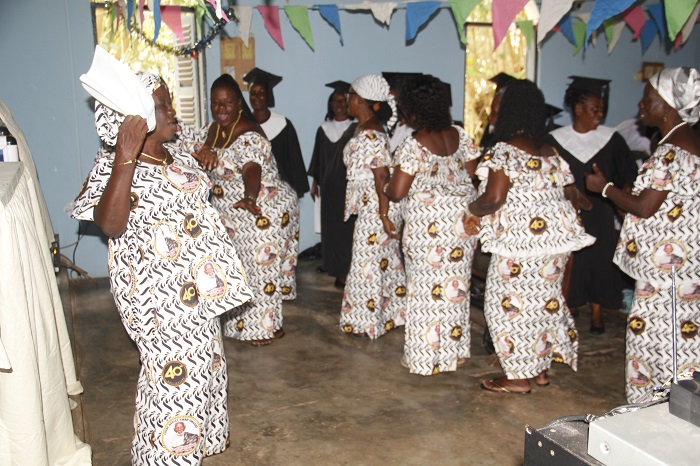
Christians have been urged to demonstrate a living faith in Jesus Christ by allowing their confession of Him as Lord and Saviour to reflect in their daily lives.
According to the Kaneshie District Pastor of the Evangelical Presbyterian Church, Ghana (EPCG), Rev. Dzidzor Nathaniel Affram, a genuine Christian’s confession should go beyond words and be demonstrated through obedience to God, love for others and service to the Church.
He made the call at the 40th anniversary remembrance service for the late Wesley Kwasi Kwadzo at the Evangelical Presbyterian Church, Ghana, Maranatha Congregation at Awudome Avenui in the Volta Region.
Speaking on the theme, “The Church Built on a Living Confession,” Rev. Affram said life would continually present challenges capable of testing Christians’ faith, making it necessary for believers to hold firmly to their confession that Jesus Christ is Lord.
He explained that accepting Jesus Christ as Lord and Saviour required Christians to live according to His teachings, stressing that their faith must be evident in their conduct.
“A living confession listens to God and not man,” he said, urging Christians to remain obedient to God even when faced with difficulties and pressures.
Rev. Affram further encouraged the congregation to care for vulnerable people and demonstrate concern for others, adding that such acts were practical expressions of Christian faith.
He also urged Christians to identify and use their God-given gifts to build the Church.
He said every member of the Church had a role to play and cautioned Christians against looking down on others because of their status or abilities.
The remembrance service brought together family members, friends, members of the congregation and sympathisers to commemorate the 40th anniversary of the late Wesley Kwasi Kwadzo.
By Lizzy Okai