News
ARCC calls for calm, urges health unions at KATH to resume work after meeting

- /home/u249204778/domains/spectator.com.gh/public_html/wp-content/plugins/mvp-social-buttons/mvp-social-buttons.php on line 27
https://spectator.com.gh/wp-content/uploads/2026/06/WhatsApp-Image-2026-06-08-at-14.51.26.jpeg&description=ARCC calls for calm, urges health unions at KATH to resume work after meeting', 'pinterestShare', 'width=750,height=350'); return false;" title="Pin This Post">
- Share
- Tweet /home/u249204778/domains/spectator.com.gh/public_html/wp-content/plugins/mvp-social-buttons/mvp-social-buttons.php on line 72
https://spectator.com.gh/wp-content/uploads/2026/06/WhatsApp-Image-2026-06-08-at-14.51.26.jpeg&description=ARCC calls for calm, urges health unions at KATH to resume work after meeting', 'pinterestShare', 'width=750,height=350'); return false;" title="Pin This Post">
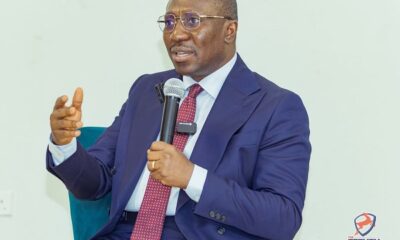
The Ashanti Regional Coordinating Council (ARCC) has appealed to the health unions at the Komfo Anokye Teaching Hospital (KATH) to call off their industrial action and return to work, following a meeting held on Sunday, June 7, 2026.
In a follow-up statement issued after the meeting, the ARCC said the discussions with the leadership of the health unions were frank, constructive, and helpful in addressing concerns affecting the hospital.
The Regional Minister, Frank Amoakohene speaking on behalf of the President and the Minister for Health, expressed appreciation for the engagement and said the concerns raised by the unions have been noted and forwarded to the Ministry of Health and other stakeholders for urgent action.
The Council said it has already begun working with the relevant authorities to find a peaceful solution to the issues and reduce tension at the hospital.
As part of immediate steps, the ARCC announced that the Ashanti Regional Health Directorate will continue to support KATH by helping to transfer stable patients to other secondary health facilities in the region.
This, it said, is to reduce pressure on KATH while the situation is being addressed.
The Council assured that government is working to complete and operationalise several health facilities, including the Sewua, Afari, Oforikrom, and Trede hospitals, as well as progress on the Cardiac Catheterisation (Cath Lab) facility to improve specialised healthcare services.
The ARCC further appealed to the union leaders and members to reconsider their industrial action, stressing that continued disruption could negatively affect patients and their families.
It explained that its intervention is not intended to blame any party but to restore normal operations at KATH and improve healthcare delivery.
The Council assured that it will continue to work with the Ministry of Health and other stakeholders to ensure a fair and lasting resolution to the matter.
It thanked all parties for their cooperation and commitment to improving healthcare in the Ashanti Region and Ghana as a whole.
By: Jacob Aggrey








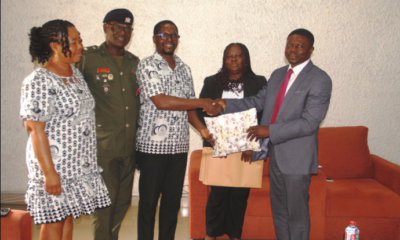
Deputy National Women Organiser of the New Patriotic Party (NPP), Mimi Duah, has openly declared her support for Mavis Hawa Koomson as the next National Women’s Organiser of the party.
In a statement endorsing Hawa Koomson’s candidature, Ms Duah outlined four key reasons why she believes the former MP and Minister of State is best placed to lead the party’s women’s wing.
According to her, Hawa Koomson is a motherly figure who rose from the grassroots and is widely noted for her forgiving nature and ability to foster unity.
“She is a true grassroots mother who easily forgives, fosters unity, provides guidance and arbitrates to ensure all aggrieved party women are brought on board to ensure a unified women’s wing,” she stated.
Ms Duah also pointed to Hawa Koomson’s vast experience, having served as a Constituency Women’s Organiser, Member of Parliament and Minister of State, noting that the experience positions her to provide effective leadership as National Women’s Organiser.
She further described Hawa Koomson as capable of making the women’s wing resourceful, through her extensive network and business contacts, to lobby for logistics, training and financial support for women organisers at all levels.
Lastly, she said the NPP as an opposition party needs fearless, bold and assertive leadership at the women’s front to inspire regional, constituency and polling station women organisers as the party reorganises towards the 2028 elections.
“We need a Women’s Organiser who has been tested, who is bold, who understands grassroots women, and who can lead us to victory in 2028. Hon. Mavis Hawa Koomson is that leader,” she stressed.
By Edem Mensah-Tsotorme
News
Tourism, Culture and Creative Arts Minister inaugurates Ghana-Korea Heritage Project Steering Committee
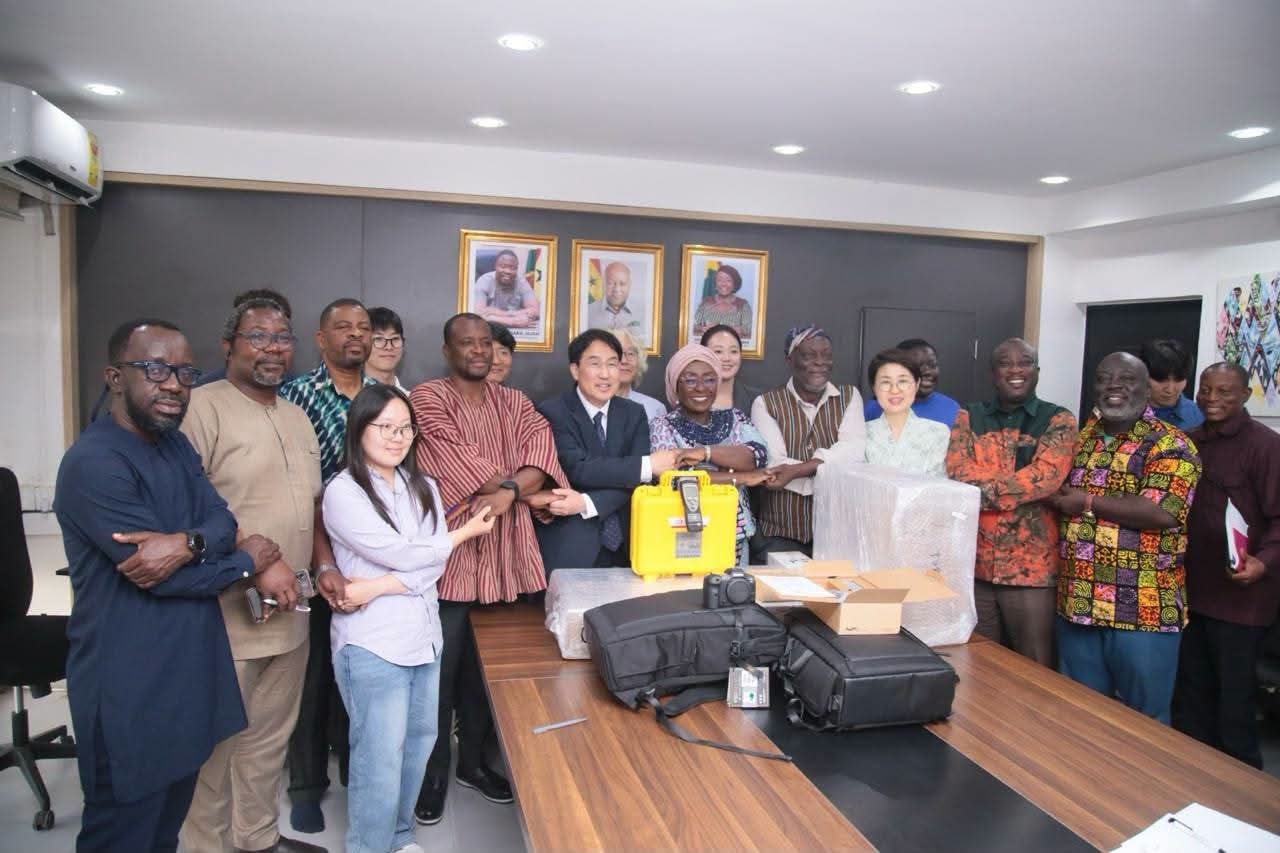
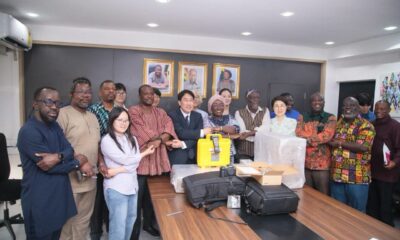
Tourism, Culture and Creative Arts Minister, Abla Dzifa Gomashie, has inaugurated the Ghana-Korea Heritage Project Steering Committee to provide strategic oversight for a five-year programme focused on preserving Ghana’s heritage sites and strengthening their resilience to climate change.
The project will support climate-risk mapping, digital surveying and 3D modelling, joint research, capacity building, community engagement and modern monitoring technologies.
Korea is also providing specialised equipment, including drones, 3D scanners, digital microscopes, thermal imaging cameras and GPS survey instruments, to enhance Ghana’s capacity to scientifically assess, document and conserve heritage structures.
The partnership, which will run through 2030 and beyond, is expected to deepen Ghana-Korea cultural ties while promoting sustainable, technology-driven and climate-adaptive heritage management for future generations.
By Edem Mensah-Tsotorme