News
Aisha Hospital driving fertility, dialysis care in Northern Ghana

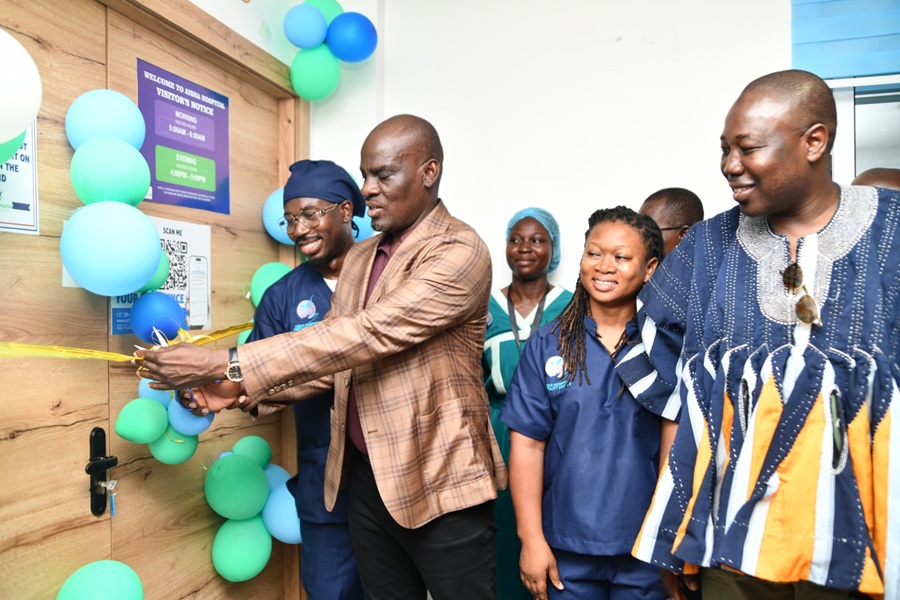
The birth of Northern Ghana’s first baby through in-vitro fertilisation (IVF) was a landmark achievement for Aisha Hospital in Tamale, but for the team that made it possible, the moment represented something much bigger than a medical breakthrough.
Doctors, nurses, embryologists, laboratory scientists, pharmacists, radiographers, dialysis nurses, biomedical engineers, administrators and other support staff contributed to a journey that culminated in the successful IVF delivery and the commissioning of a new Dialysis Unit at the hospital.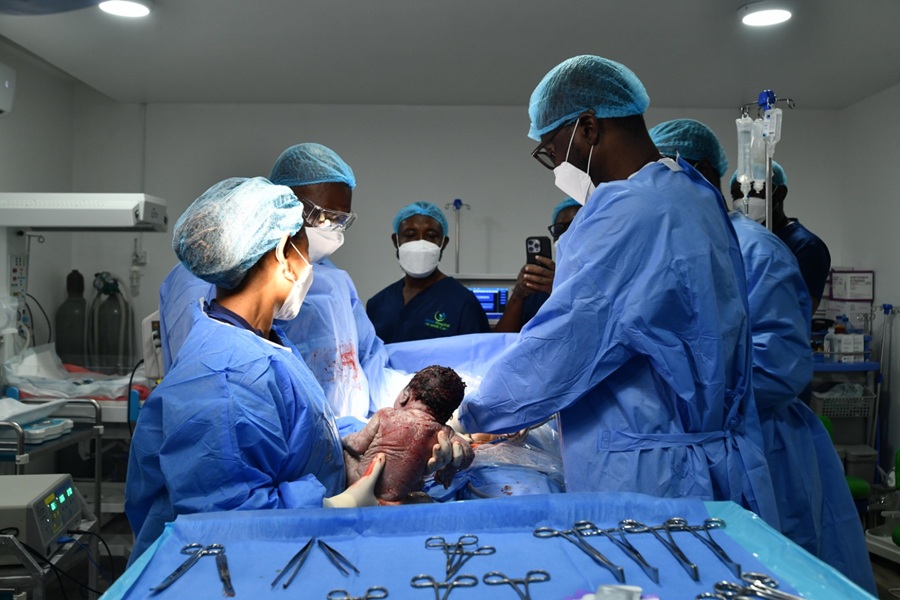
At the centre of the clinical and strategic leadership is Dr Sheila Tipaga Issahaku, the Medical Director, an Obstetrician and Gynaecologist (OB-GYN) specialist and Clinical Embryologist.
That emphasis on teamwork provides an important insight into how Aisha Hospital is approaching the development of specialist healthcare in Northern Ghana.
It required clinical expertise, laboratory precision, nursing care, patient counselling, administrative coordination and a team capable of working across different areas of medicine.
For the hospital, the birth therefore became a demonstration of what coordinated healthcare can achieve.
Behind the achievement was also a couple who had experienced years of uncertainty, disappointment and hope.
“Behind every fertility success is a couple who endured years of uncertainty, disappointment, tears and endless prayers,” Dr Issahaku said.
The objective is not simply to perform a procedure successfully, but to support patients through one of the most sensitive journeys they may undertake.
As Medical Director, Dr Issahaku provides clinical oversight and strategic leadership at Aisha Hospital, with a particular focus on women’s reproductive health, assisted reproductive services, including IVF and ICSI, and maternal care.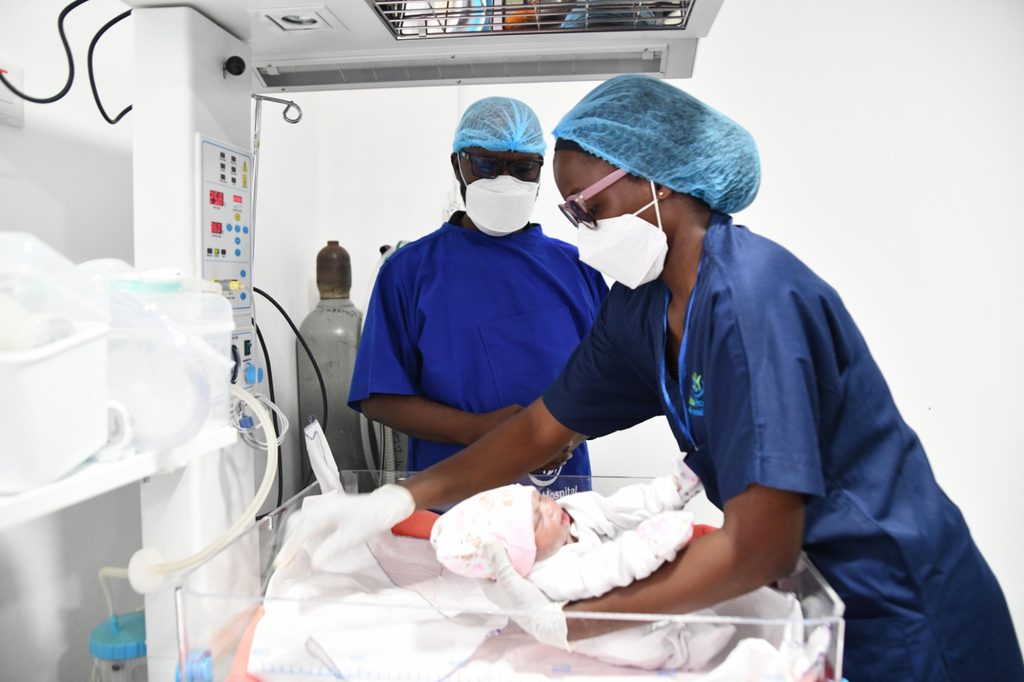
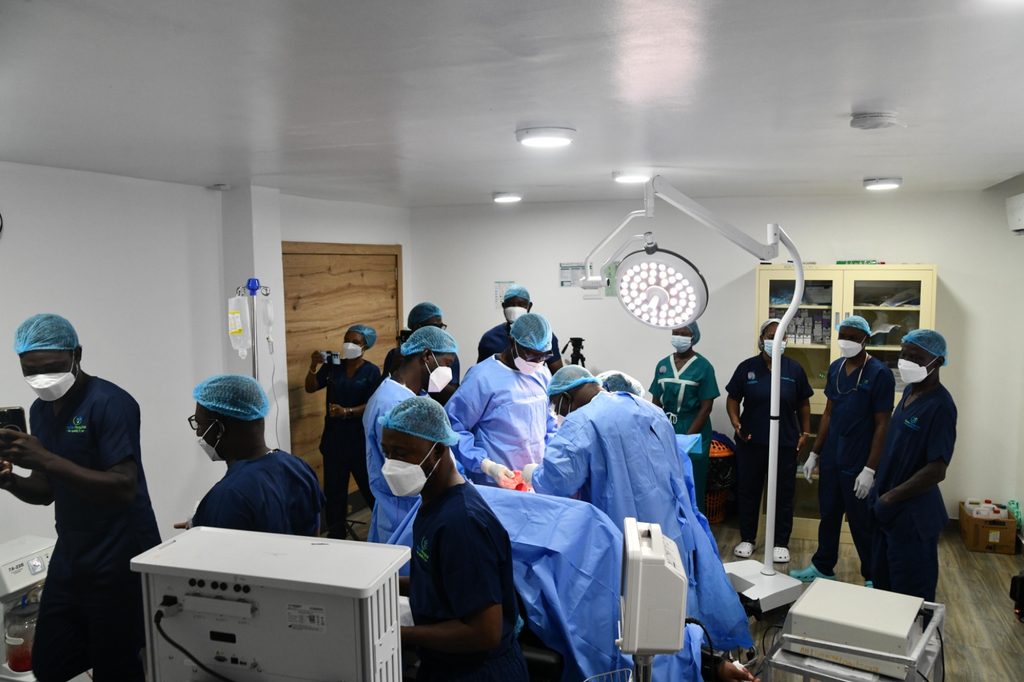
Her background as both an OB-GYN specialist and Clinical Embryologist gives her experience across the clinical and laboratory sides of assisted reproduction.
The IVF milestone, therefore, reflects not an individual achievement but the work of a multidisciplinary team.
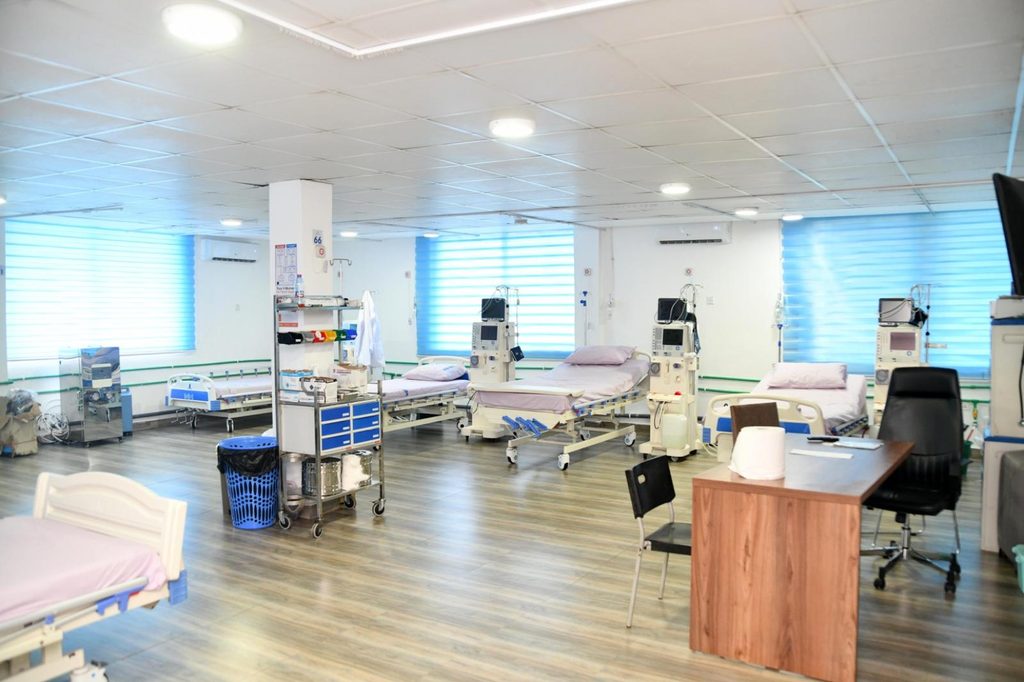
The commissioning of a new Dialysis Unit alongside the IVF milestone reflects the institution’s broader effort to expand specialist healthcare in Tamale.
For patients who require regular dialysis, access to treatment closer to home can reduce the burden associated with travelling long distances.
For families seeking fertility treatment, having IVF services available in Tamale similarly provides an alternative to travelling outside the region.
The two services are different, but the challenge they address is similar: access to specialised healthcare.
The hospital’s leadership believes patients should increasingly be able to find advanced medical services within the region.
The Medical Director’s acknowledgement of cleaners and administrators alongside doctors and specialists is significant.
Healthcare delivery depends on more than those who directly treat patients.
A functioning specialist service requires laboratory personnel, engineers to maintain equipment, nurses to monitor patients, administrative teams to coordinate services and support staff to keep the facility operating.
The success of the IVF programme and the establishment of the Dialysis Unit therefore reflect the contribution of an entire healthcare ecosystem within the hospital.
That collective effort is particularly important as Aisha Hospital seeks to expand its specialist services.
Dr Issahaku also acknowledges the role of the Founder of Aisha Hospital, whose vision and investment have provided the foundation for the institution’s expansion.
She has also expressed appreciation to partners, stakeholders, suppliers, regulators and other institutions that have contributed to the hospital’s development.
The message is clear: building specialist healthcare capacity requires collaboration at several levels.
No single professional, department or institution can do it alone.
For the Aisha Hospital team, the technology remains a means to an end.
The end is the patient.
The first IVF baby represents a family given a new opportunity, while the Dialysis Unit represents another opportunity for patients living with kidney disease to access essential treatment closer to home.
“To many, these may simply be medical achievements. But to us, they are stories of real people,” Dr. Issahaku said.
“Healthcare is built on trust,” she said, acknowledging patients who continue to place their confidence in the institution during vulnerable periods of their lives.
For the Aisha Hospital team, the IVF birth and Dialysis Unit are not presented as the end of the journey.
“We remain committed to expanding specialist services, embracing innovation, investing in our people, and ensuring that quality healthcare is no longer a privilege reserved for a few, but an accessible reality for everyone,” Dr Issahaku said.
That ambition will require continued investment in infrastructure, technology, professional training and partnerships.
The hospital’s broader vision is to contribute to making Northern Ghana a stronger centre for specialist healthcare.
The objective is to reduce the number of patients who have to travel hundreds of kilometres for treatment while creating opportunities for highly skilled professionals to work and develop within the region.
Dr Issahaku believes government, private healthcare providers, professionals, development partners and communities all have a role to play.
The story of Aisha Hospital’s recent milestones is therefore best understood not as the achievement of one doctor or one department.
The Dialysis Unit may have provided the infrastructure, But behind both are people working across specialties, departments and responsibilities — to expand what is possible in healthcare in Northern Ghana.
And for the Aisha Hospital team, the next milestone will not simply be another piece of equipment or another service.
It will be another patient whose life is made better because specialised care is now available closer to home.
From Geoffrey Buta
SKIP THE QUEUE, TAP THE NEWS
You can now read the Ghanaian Times and The Spectator newspapers from the comfort of your device via TimesNewsPlus.
Join our WhatsApp Channel: https://whatsapp.com/channel/0029VbBElzjInlqHhl1aTU27










The management of the Kwame Nkrumah Memorial Park is proposing that the Bank of Ghana replace the image of the Big Six on selected banknotes with the iconic photograph of Dr Kwame Nkrumah declaring Ghana’s independence on March 6, 1957.
The proposal, announced in a statement issued on November 6, 2026, is aimed at broadening the historical representation of Ghana’s heritage on the country’s currency.
According to the Park, although the Big Six played significant roles in Ghana’s independence struggle and deserve recognition, the country’s banknotes should also reflect other important events in its history.
It said the proposal aligns with the Bank of Ghana’s planned introduction of a Heritage Series of banknotes, which is expected to showcase important personalities, events and milestones in the country’s history.
The Park described the March 6, 1957 photograph as a powerful symbol of Ghana’s freedom, sovereignty and contribution to the wider African liberation struggle.
It further noted that the proposed change would be a fitting tribute as Ghana prepares to celebrate 70 years of independence in 2027.
The Acting Executive Director of the Kwame Nkrumah Memorial Park, Collins Rawlings Nunyonameh, PhD, signed the statement.
The Park said Ghana’s currency should not only serve as a medium of exchange but also tell the country’s history and reflect its national identity.
By: Jacob Aggrey

The National Democratic Congress (NDC) has outlined guidelines for the conduct of its upcoming Regional Elections, including a ban on proxy voting and mandatory identification for all delegates.
In a press release dated November 5, 2026, the party’s General Secretary, Fifi Fiavi Kwetey, stated that all eligible delegates must be physically present at their respective polling centres to cast their votes.
He explained that delegates would be required to present any one of three approved forms of identification: a valid NDC membership card, an official accreditation document or an embossed photograph captured in the approved voters’ register.
According to the guidelines, voting will begin at 7:00 a.m. and close at 4:00 p.m. However, delegates who are already in the queue by the closing time will be allowed to vote.
The party has also assigned the Ghana Police Service sole responsibility for providing security at all election centres.
It further stated that personal security details accompanying government officials or other individuals would not be allowed within designated voting areas.
Mr Kwetey urged aspirants, delegates, supporters and election officials to strictly comply with the guidelines and conduct themselves with discipline and restraint throughout the electoral process.
He called on all stakeholders to work together to ensure peaceful, credible and transparent elections that uphold the party’s democratic values and unity.
By: Jacob Aggrey