News
Adopt integrated approach to fight illegal mining …Water treatment expert to gov’t

- /home/u249204778/domains/spectator.com.gh/public_html/wp-content/plugins/mvp-social-buttons/mvp-social-buttons.php on line 27
https://spectator.com.gh/wp-content/uploads/2025/01/IMG-20250120-WA0010-1-1000x600.jpg&description=Adopt integrated approach to fight illegal mining …Water treatment expert to gov’t', 'pinterestShare', 'width=750,height=350'); return false;" title="Pin This Post">
- Share
- Tweet /home/u249204778/domains/spectator.com.gh/public_html/wp-content/plugins/mvp-social-buttons/mvp-social-buttons.php on line 72
https://spectator.com.gh/wp-content/uploads/2025/01/IMG-20250120-WA0010-1-1000x600.jpg&description=Adopt integrated approach to fight illegal mining …Water treatment expert to gov’t', 'pinterestShare', 'width=750,height=350'); return false;" title="Pin This Post">
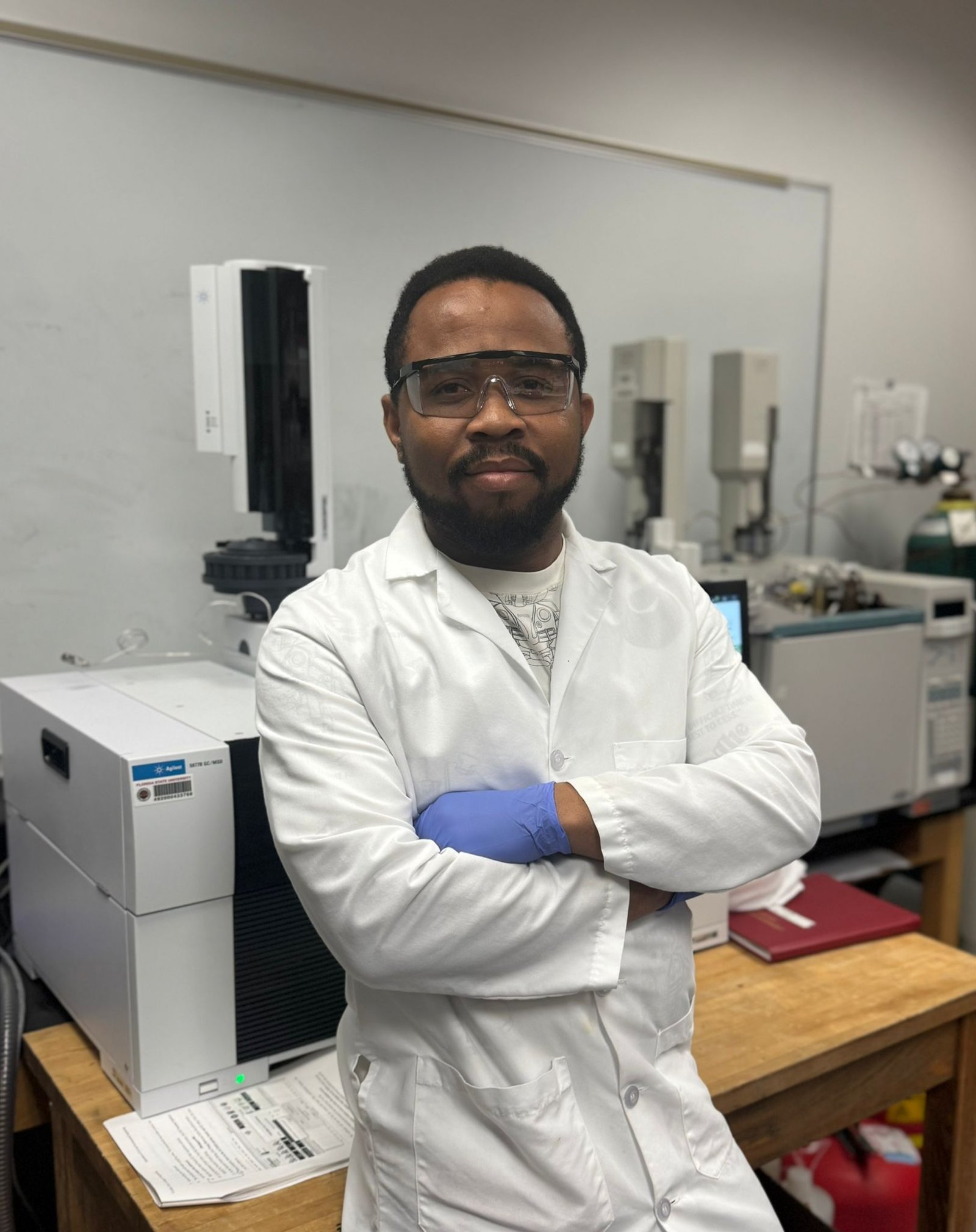
A Sustainable Water Treatment Expert at Florida State University’s Environmental Engineering Laboratory in the USA, Dr Charles Amanze has underscored the need for Ghana to adopt an integrated approach to fight the effect of illegal mining on the country’s water bodies.
The approach, according to him, “synergises novel bioflocculants, modified biochar and specialised bacterial strains to combat the nations deteriorating water quality in areas ravaged by illegal mining activities.”
Dr Amanze said this in an interview with the Ghanaian Times in Accra on Monday.
According to him, his outfit is introducing a powerful combination of complementary technologies that work synergistically to address complex water pollution challenges.
He stated that the strategy was critically pertinent for Ghana, where conventional water treatment facilities were increasingly overwhelmed by diverse contamination profiles.
Dr Amanze said the rampant illegal mining also known as “galamsey has introduced a myriad of heavy metals and organic pollutants into the country’s waterways, which requires a sophisticated and sustainable treatment solutions.
He said a recent comprehensive study by the TAMA Foundation Universal a registered non-profit organisation in Ghana, in collaboration with Ghana’s Water Research Institute of the Council for Scientific and Industrial Research (CSIR), revealed alarming concentrations of heavy metals in the White Volta river, Northern Ghana’s largest water body.
According to the study these contamination levels surpass safe consumption thresholds, posing severe health risks to local communities, particularly vulnerable groups such as infants, the elderly, and individuals with compromised immune systems who depend on the river for drinking water and domestic needs.
He therefore urged the Mahama-led government to prioritise key research into sustainable water treatment solutions to address the nation’s escalating drinking water crisis.
In a study conducted by Dr. Amanze, it proved that a novel polysaccharide-based bioflocculant derived from Bacillus subtilis ZHX3 achieved impressive removal rates of 90.4 per cent for lead, 78.2 per cent for zinc, and 86.3 per cent for copper in mineral processing wastewater.
Further advancing his research, Dr. Amanze and his team utilised a modified dehydrated biochar fabricated from banana peels, attaining maximum removal efficiencies of 98.7 per cent for arsenic and 90.3 per cent for lead from contaminated wastewater.
“Ghana is rich in banana peels and other agricultural residues like cocoa pods which can be modified to remove some of the most persistent and difficult-to-treat pollutants like Arsenic and lead” Dr Amanze said.
He said “by extracting bioflocculants from microbes and immobilising them on biochar, we can harness the complementary strengths of both materials, crafting a highly efficient and sustainable solution for pollution management.”
He mentioned that the advantages of these technologies were particularly suited to Ghana’s unique environmental conditions saying, the bioflocculant excels in treating multiple pollutants simultaneously, surpassing the performance of traditional chemical treatments.
While acknowledging potential challenges such as initial investment costs and the necessity for specialised technical expertise, Dr. Amanze remains optimisticsaying “the science is proven, the technology is viable, and the need is undeniable. It all boils down to a collective commitment to prioritise public health and safeguard our rivers and groundwater from further degradation.”
Dr Amanze said as Ghana stands at a pivotal moment in its quest to secure clean and safe water for its populace, the widespread adoption of bioflocculant-biochar treatment systems could signify a transformative leap forward.
He was of the view that the innovative approach has the potential to rehabilitate polluted waterways, thereby enhancing public health and fostering economic growth.
By Jemima Esinam Kuatsinu

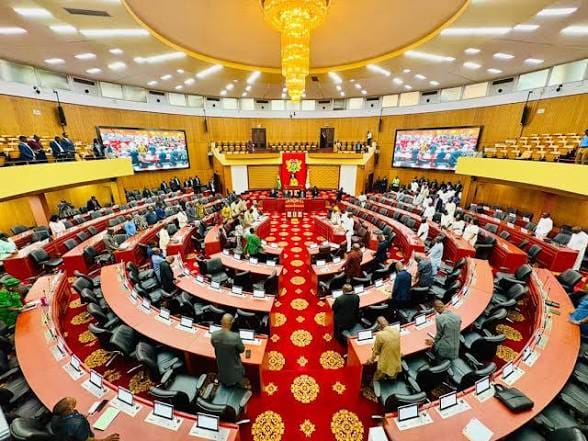
Parliament has clarified public commentary on social media regarding a notice on its notice board that read “No Vacancy for National Service Personnel 2026/2027. Kindly go for reposting.”
In a statement, signed by the Director of Media Relations, David Sebastian Damoah, Parliament said the notice has been misconstrued and was not a policy statement, a freeze on national service placements, or a change in its support for the National Service Scheme.
According to Parliament, the notice was a routine administrative message to prospective personnel who reported to the House, informing them that it has received more personnel than it can accommodate for the 2026/2027 service year and that they should seek reposting to other institutions.
It said it remains committed to the National Service Scheme and values the contribution of service personnel to its work, and regrets any confusion or inconvenience the wording may have caused.
By Edem Mensah-Tsotorme
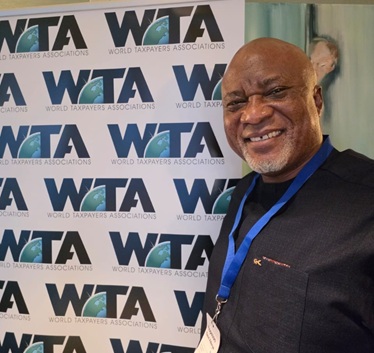
Ghanaian public advocate Hopeson Yaovi Adorye has been elected to the Board of Directors of the World Taxpayers Association (WTA).
The election took place on Sunday, October 5, 2026, during the Association’s conference in Kraków, Poland.
His election marks a significant addition to his international leadership portfolio and provides a platform for Ghanaian and African perspectives to contribute to global discussions on taxpayer rights, responsible taxation, transparency and prudent management of public resources.
Reacting to his election, Mr. Adorye expressed appreciation to the leadership and members of the WTA for the confidence reposed in him.
“I am deeply honoured by this confidence and conscious of the responsibility that comes with it. Taxpayers are at the heart of every economy, and they deserve fairness, transparency, accountability and value for the taxes they pay. I look forward to working with colleagues from across the world to strengthen the voice of taxpayers and promote responsible fiscal governance,” he said.
According to him, taxation should not be viewed solely as a mechanism for raising government revenue, but also as an important component of the social contract between citizens and the state.
Mr. Adorye said governments have a responsibility to ensure taxes are collected fairly and public resources are utilised efficiently to deliver quality infrastructure, healthcare, education, security and other essential services.
His election also creates an opportunity to bring African experiences into international conversations on taxation and public expenditure.
Mr. Adorye, who is Executive Director of Taxpayers League Ghana, has previously served as Global Board Chairman of the International Youth Network for UN Security Council Resolution 2250, an NGO associated with the United Nations Economic and Social Council (ECOSOC).
He is expected to use his new role to champion fiscal accountability, taxpayer education, good governance and stronger citizen participation in public financial management.