News
UG professor calls for responsible behavior from Ghanaians during the rainy season to prevent malaria

- /home/u249204778/domains/spectator.com.gh/public_html/wp-content/plugins/mvp-social-buttons/mvp-social-buttons.php on line 27
https://spectator.com.gh/wp-content/uploads/2026/05/WhatsApp-Image-2026-05-29-at-12.34.32.jpeg&description=UG professor calls for responsible behavior from Ghanaians during the rainy season to prevent malaria', 'pinterestShare', 'width=750,height=350'); return false;" title="Pin This Post">
- Share
- Tweet /home/u249204778/domains/spectator.com.gh/public_html/wp-content/plugins/mvp-social-buttons/mvp-social-buttons.php on line 72
https://spectator.com.gh/wp-content/uploads/2026/05/WhatsApp-Image-2026-05-29-at-12.34.32.jpeg&description=UG professor calls for responsible behavior from Ghanaians during the rainy season to prevent malaria', 'pinterestShare', 'width=750,height=350'); return false;" title="Pin This Post">
Lecturer at the University of Ghana, Legon Professor Yaw Asare Afrane has called on Ghanaians to act responsibly during the rainy season by keeping their surroundings clean to help prevent malaria and other mosquito borne diseases.
Delivering a public lecture on Thursday, May 28, 2026 In Accra on the topic “Mosquitoes, Environment and Public Health: The Role of Communities in Disease Prevention,” he explained that mosquitoes remain among the deadliest animals in the world because they transmit diseases such as malaria, lymphatic filariasis, dengue fever and yellow fever.
He noted that according to the World Health Organization’s 2025 report, about 503 million malaria cases were recorded globally, adding that many more unreported cases existed because several infected persons relied on self medication rather than visiting health facilities.
He further indicated that approximately 70 people could have been dieing from malaria
during the time of the lecture.
Professor Afrane stated that lymphatic filariasis, commonly associated with elephantiasis, remained endemic in 118 districts in Ghana, although interventions by the Ghana Neglected Tropical Diseases Programme had reduced the burden to only eight highly affected districts.
He disclosed that dengue fever outbreaks had been reported in Ghana’s Eastern and Central Regions, stressing that more than 2,000 cases were identified through research activities rather than routine hospital diagnosis.
He explained that his research journey began at the Kumasi Centre for Collaborative Research in Tropical Medicine, where he developed an interest in mosquitoes and malaria transmission through urban agriculture.
According to him, irrigation activities in urban farming areas created breeding grounds for mosquitoes, increasing malaria transmission in cities such as Kumasi.
He recounted that his early research findings earned him an opportunity to present at a malaria conference in Tanzania in 2002, where he secured a scholarship to pursue his PhD studies.
Professor Afrane further revealed that his doctoral research in Kenya focused on the relationship between environmental changes, deforestation and malaria epidemics in highland regions.
He explained that clearing forests increased temperatures and created stagnant water pools that supported mosquito breeding, making malaria transmission possible in areas previously considered too cold for mosquitoes to survive.
He added that his studies established that deforestation caused significant temperature increases that accelerated mosquito and parasite development.
Speaking on mosquito ecology in Ghana, he indicated that mosquitoes bred mainly around human settlements rather than in forests. He cited discarded car tyres, broken containers, stagnant drains, air conditioner water collection points and poorly maintained surroundings as common mosquito breeding sites.
He stressed that heavy rainfall and improper environmental sanitation contributed significantly to the spread of mosquito borne diseases.
Professor Afrane stated that Ghana had made progress in malaria control through interventions such as insecticide treated bed nets, indoor residual spraying and larval control programmes.
However, he warned that mosquito resistance to insecticides and pesticides posed major challenges to control efforts.
He explained that exposure to agricultural pesticides and household insecticides enabled mosquitoes to develop resistance, reducing the effectiveness of many control measures.
He further disclosed that invasive mosquito species from Asia had entered Ghana through ports such as Tema and Takoradi, increasing concerns about new disease outbreaks.
According to him, climate change and environmental degradation could also allow mosquitoes to spread into colder and high altitude areas previously free from mosquito borne diseases.
Professor Afrane advocated stronger environmental management, improved urban planning and increased investment in mosquito research and control.
He urged communities to clear stagnant water, dispose of waste properly and maintain clean surroundings to reduce mosquito breeding. He also called for renewed enforcement of sanitation regulations and the training of more experts in mosquito research and vector control.
The Vice Chancellor of the University of Ghana, Professor Nana Aba Appiah Amfo, commended Professor Afrane for delivering what she described as an engaging and enlightening lecture that highlighted the strong connection between environmental management and public health.
She observed that human activities such as urban farming, mining, deforestation and poor sanitation continued to create favourable conditions for mosquito breeding and disease transmission.
Professor Appiah Amfo stated that mosquitoes had demonstrated remarkable adaptability by changing their behaviour and developing resistance to chemicals used against them.
She stressed that Africa could not continue fighting mosquito borne diseases with outdated methods and therefore needed innovation, stronger surveillance systems and environmentally sustainable approaches to vector control.
She praised Professor Afrane’s research contributions, noting that his work had influenced malaria control strategies and public health interventions in Ghana and across Africa.
She highlighted his role in mentoring young African scientists and building research capacity through collaborations and international partnerships.
Professor Appiah Amfo further stressed that mosquito control was not solely the responsibility of scientists or government institutions but required collective action from communities and individuals.
She urged the public to maintain clean environments, remove stagnant water and support proper sanitation practices to reduce mosquito breeding sites.
She concluded by encouraging members of the public to take personal responsibility for environmental sanitation, stressing that controlling mosquitoes and mosquito borne diseases depended largely on changing human behaviour and improving community practices.
By: Jacob Aggrey







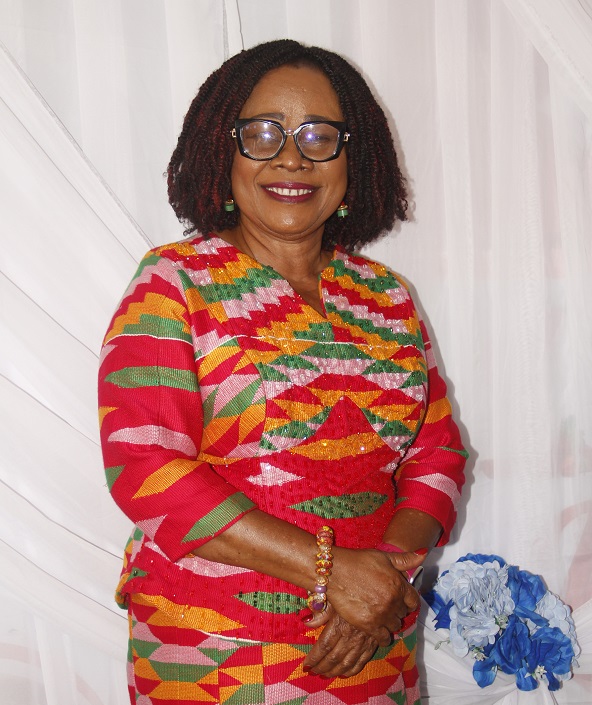
A nine-member board for the New Times Corporation (NTC), publishers of The Ghanaian Times and The Spectator newspapers was sworn into office on Thursday with a call to strengthen the governance of the Corporation.![Dr. Binka (seated second from right) with Dr Okpoti [right] the board and Management of NTC photos Okai Elizabeth.](https://spectator.com.gh/wp-content/uploads/2026/08/Dr.-Binka-seated-second-from-right-with-Dr-Okpoti-right-the-board-and-Management-of-NTC-photos-Okai-Elizabeth-1024x683.jpg)
The new NTC board is chaired by Dr Charity Binka and has Very Rev. Helena Amma Serwah Opoku-Sarkodie, Mr Tito Kojo Voegborlo Esq and Naana Aklerh Amenyah Kubi I as members. Read More
SKIP THE QUEUE, TAP THE NEWS
You can now read the Ghanaian Times and The Spectator newspapers from the comfort of your device via TimesNewsPlus.
Join our WhatsApp Channel: https://whatsapp.com/channel/0029VbBElzjInlqHhl1aTU27
Christians have been urged to demonstrate a living faith in Jesus Christ by allowing their confession of Him as Lord and Saviour to reflect in their daily lives.
According to the Kaneshie District Pastor of the Evangelical Presbyterian Church, Ghana (EPCG), Rev. Dzidzor Nathaniel Affram, a genuine Christian’s confession should go beyond words and be demonstrated through obedience to God, love for others and service to the Church.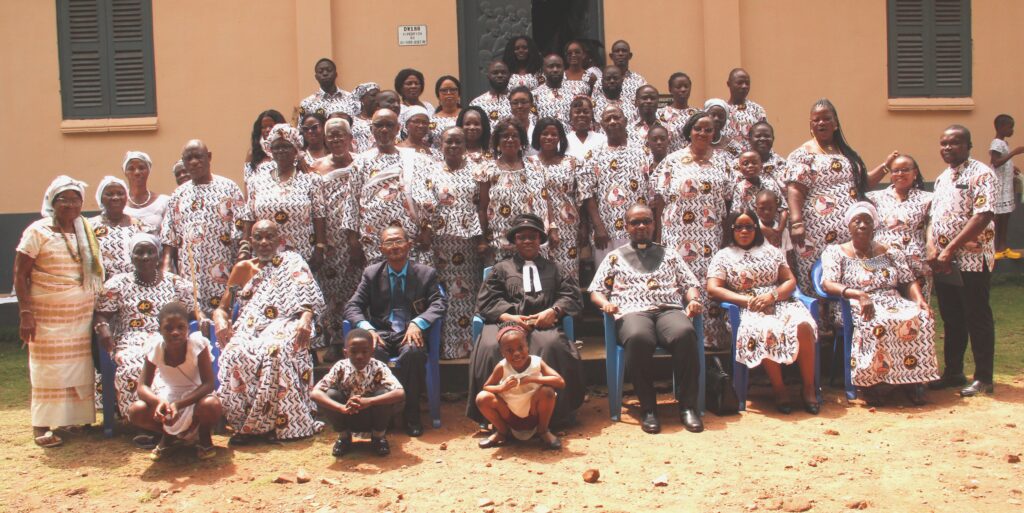
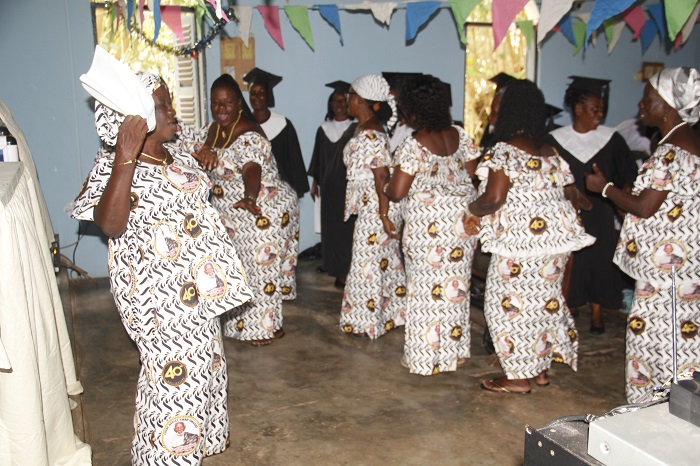
He made the call at the 40th anniversary remembrance service for the late Wesley Kwasi Kwadzo at the Evangelical Presbyterian Church, Ghana, Maranatha Congregation at Awudome Avenui in the Volta Region.
Speaking on the theme, “The Church Built on a Living Confession,” Rev. Affram said life would continually present challenges capable of testing Christians’ faith, making it necessary for believers to hold firmly to their confession that Jesus Christ is Lord.
He explained that accepting Jesus Christ as Lord and Saviour required Christians to live according to His teachings, stressing that their faith must be evident in their conduct.
“A living confession listens to God and not man,” he said, urging Christians to remain obedient to God even when faced with difficulties and pressures.
Rev. Affram further encouraged the congregation to care for vulnerable people and demonstrate concern for others, adding that such acts were practical expressions of Christian faith.
He also urged Christians to identify and use their God-given gifts to build the Church.
He said every member of the Church had a role to play and cautioned Christians against looking down on others because of their status or abilities.
The remembrance service brought together family members, friends, members of the congregation and sympathisers to commemorate the 40th anniversary of the late Wesley Kwasi Kwadzo.
By Lizzy Okai