News
‘Be tactful, responsible with Xenophobia, Galamsey crisis to ensure peace in Africa’


- /home/u249204778/domains/spectator.com.gh/public_html/wp-content/plugins/mvp-social-buttons/mvp-social-buttons.php on line 27
https://spectator.com.gh/wp-content/uploads/2026/05/PHOTO-2026-03-24-17-40-39.jpg&description=‘Be tactful, responsible with Xenophobia, Galamsey crisis to ensure peace in Africa’', 'pinterestShare', 'width=750,height=350'); return false;" title="Pin This Post">
- Share
- Tweet /home/u249204778/domains/spectator.com.gh/public_html/wp-content/plugins/mvp-social-buttons/mvp-social-buttons.php on line 72
https://spectator.com.gh/wp-content/uploads/2026/05/PHOTO-2026-03-24-17-40-39.jpg&description=‘Be tactful, responsible with Xenophobia, Galamsey crisis to ensure peace in Africa’', 'pinterestShare', 'width=750,height=350'); return false;" title="Pin This Post">
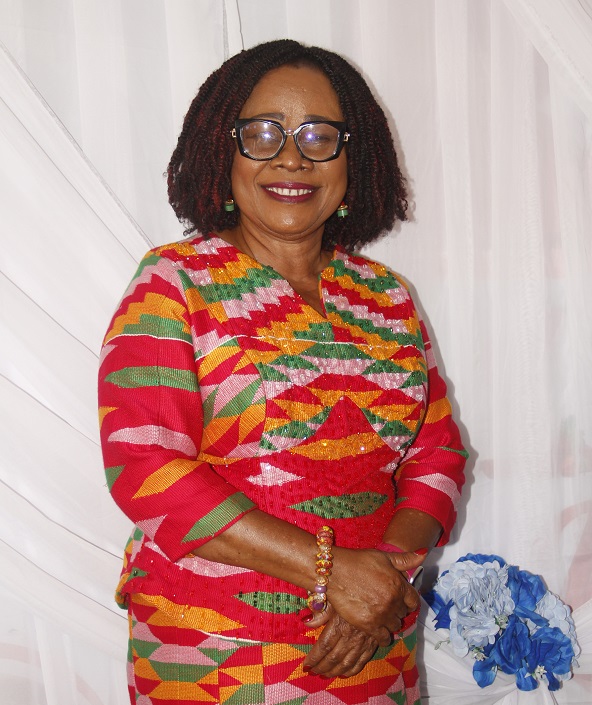
A minister of the gospel, Rt Rev. Mrs Grace Frimpong Boateng, has appealed for calm in the midst of attacks on Ghanaians and Africans in general in South Africa and concerns about illegal mining (Galamsey) in Ghana.
The respected Ghanaian minister who continues to impact lives through her teachings, prophetic ministry, and community outreach efforts, said though reports on the two subject matter were nothing to be enthused about, it was important that leadership approaches them in a calm manner.
Delivering a sermon at the recently held ‘Super Mega Watch Night Service’ held at the Jesus Prayer Ministry in Kumasi, she stated that the South Africa Xenophobia and the ‘Galamsey’ were global matters with spiritual basis.
According to her, the behaviour of South Africans may be coming to a lot of people on the African continent and the world at large may be coming as a huge surprise because of their past.
“This is a country the world showed solidarity in the period of oppression-apartheid. Ghanaians were with them; so was the entire globe. It is, therefore strange that the same people would rise against their fellow Africans. Despite this, African leaders must be calm in dealing with the issues,” she told the congregation.
“That notwithstanding, we must promote peace and unity at all times. The world once stood with South Africa, and this is a moment for South Africans to show love, peace, calm to Ghanaians and other people; this is the time for togetherness,” she stated.
Commenting on galamsey, Rev Mrs Boateng said it remains Ghana’s biggest environmental and challenge and reflects prophetic warnings she had previously shared concerning the destruction of natural resources.
Galamsey activities have for years contributed to the destruction of forests and pollution of major water bodies, raising national concern and prompting government interventions such as task forces to combat the menace.
She emphasised that continued environmental destruction could lead to serious consequences if not addressed, urging both leaders and citizens to act responsibly.
Many attendees described the service as timely and impactful, noting that her message combined spiritual insight with national and international relevance.
The minister is widely known for her commitment to faith-based initiatives and community development, with organisers indicating that more impactful programmes were expected in the coming months.
By Spectator Reporter







A nine-member board for the New Times Corporation (NTC), publishers of The Ghanaian Times and The Spectator newspapers was sworn into office on Thursday with a call to strengthen the governance of the Corporation.![Dr. Binka (seated second from right) with Dr Okpoti [right] the board and Management of NTC photos Okai Elizabeth.](https://spectator.com.gh/wp-content/uploads/2026/08/Dr.-Binka-seated-second-from-right-with-Dr-Okpoti-right-the-board-and-Management-of-NTC-photos-Okai-Elizabeth-1024x683.jpg)
The new NTC board is chaired by Dr Charity Binka and has Very Rev. Helena Amma Serwah Opoku-Sarkodie, Mr Tito Kojo Voegborlo Esq and Naana Aklerh Amenyah Kubi I as members. Read More
SKIP THE QUEUE, TAP THE NEWS
You can now read the Ghanaian Times and The Spectator newspapers from the comfort of your device via TimesNewsPlus.
Join our WhatsApp Channel: https://whatsapp.com/channel/0029VbBElzjInlqHhl1aTU27

Christians have been urged to demonstrate a living faith in Jesus Christ by allowing their confession of Him as Lord and Saviour to reflect in their daily lives.
According to the Kaneshie District Pastor of the Evangelical Presbyterian Church, Ghana (EPCG), Rev. Dzidzor Nathaniel Affram, a genuine Christian’s confession should go beyond words and be demonstrated through obedience to God, love for others and service to the Church.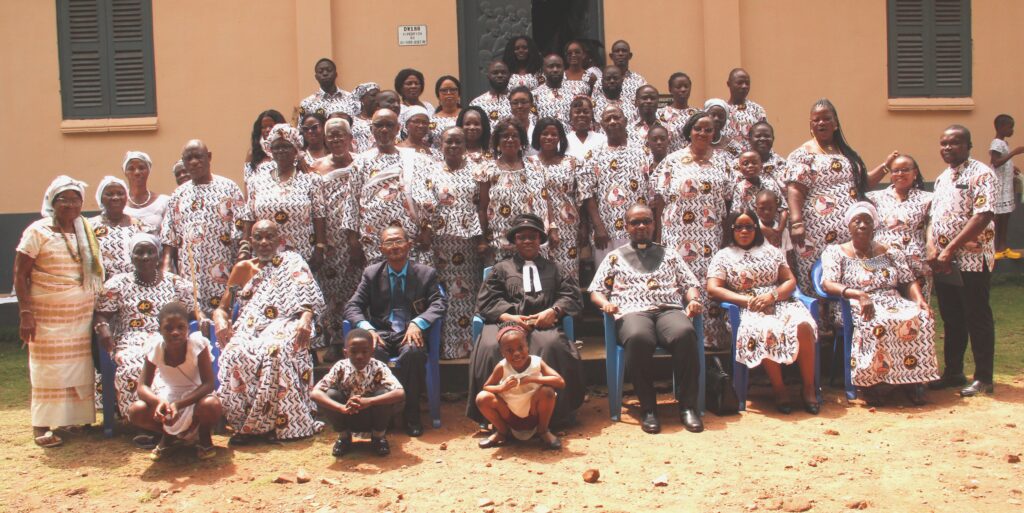
He made the call at the 40th anniversary remembrance service for the late Wesley Kwasi Kwadzo at the Evangelical Presbyterian Church, Ghana, Maranatha Congregation at Awudome Avenui in the Volta Region.
Speaking on the theme, “The Church Built on a Living Confession,” Rev. Affram said life would continually present challenges capable of testing Christians’ faith, making it necessary for believers to hold firmly to their confession that Jesus Christ is Lord.
He explained that accepting Jesus Christ as Lord and Saviour required Christians to live according to His teachings, stressing that their faith must be evident in their conduct.
“A living confession listens to God and not man,” he said, urging Christians to remain obedient to God even when faced with difficulties and pressures.
Rev. Affram further encouraged the congregation to care for vulnerable people and demonstrate concern for others, adding that such acts were practical expressions of Christian faith.
He also urged Christians to identify and use their God-given gifts to build the Church.
He said every member of the Church had a role to play and cautioned Christians against looking down on others because of their status or abilities.
The remembrance service brought together family members, friends, members of the congregation and sympathisers to commemorate the 40th anniversary of the late Wesley Kwasi Kwadzo.
By Lizzy Okai