News
Beyond NPP, NDC: 2 ‘Gen Z’ MPs unite to prioritise purpose over politics

- /home/u249204778/domains/spectator.com.gh/public_html/wp-content/plugins/mvp-social-buttons/mvp-social-buttons.php on line 27
https://spectator.com.gh/wp-content/uploads/2026/02/BUT_7149-700x600.jpg&description=Beyond NPP, NDC: 2 ‘Gen Z’ MPs unite to prioritise purpose over politics', 'pinterestShare', 'width=750,height=350'); return false;" title="Pin This Post">
- Share
- Tweet /home/u249204778/domains/spectator.com.gh/public_html/wp-content/plugins/mvp-social-buttons/mvp-social-buttons.php on line 72
https://spectator.com.gh/wp-content/uploads/2026/02/BUT_7149-700x600.jpg&description=Beyond NPP, NDC: 2 ‘Gen Z’ MPs unite to prioritise purpose over politics', 'pinterestShare', 'width=750,height=350'); return false;" title="Pin This Post">
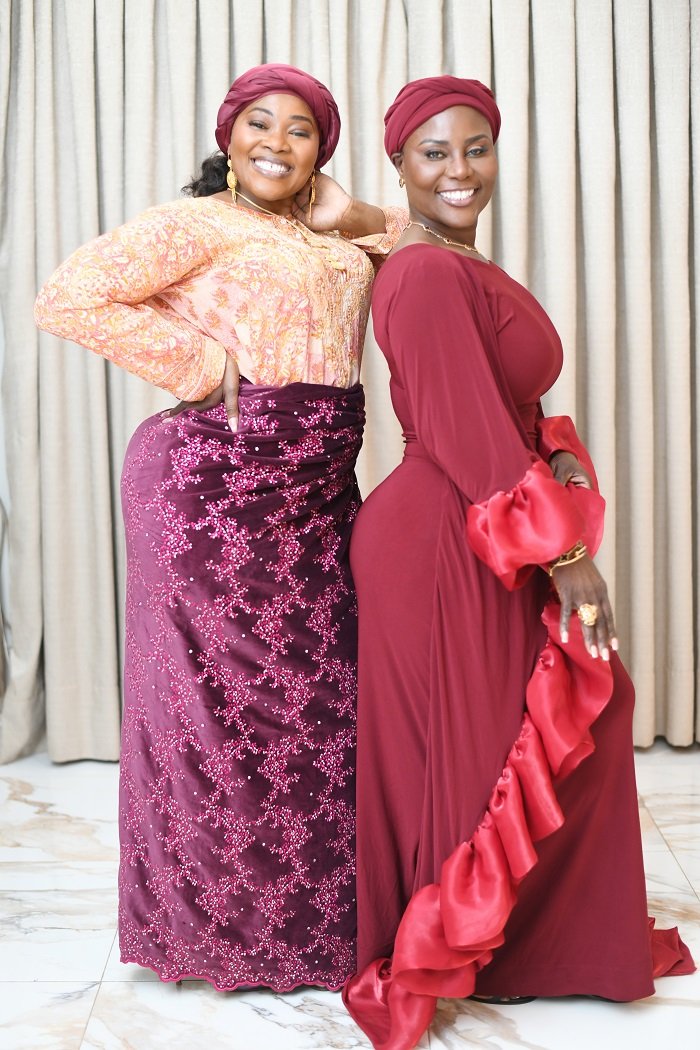
In a rare display of cross-party collaboration, two Members of Parliament from opposing political traditions have set aside partisan differences to champion a shared cause—empowering women and transforming communities.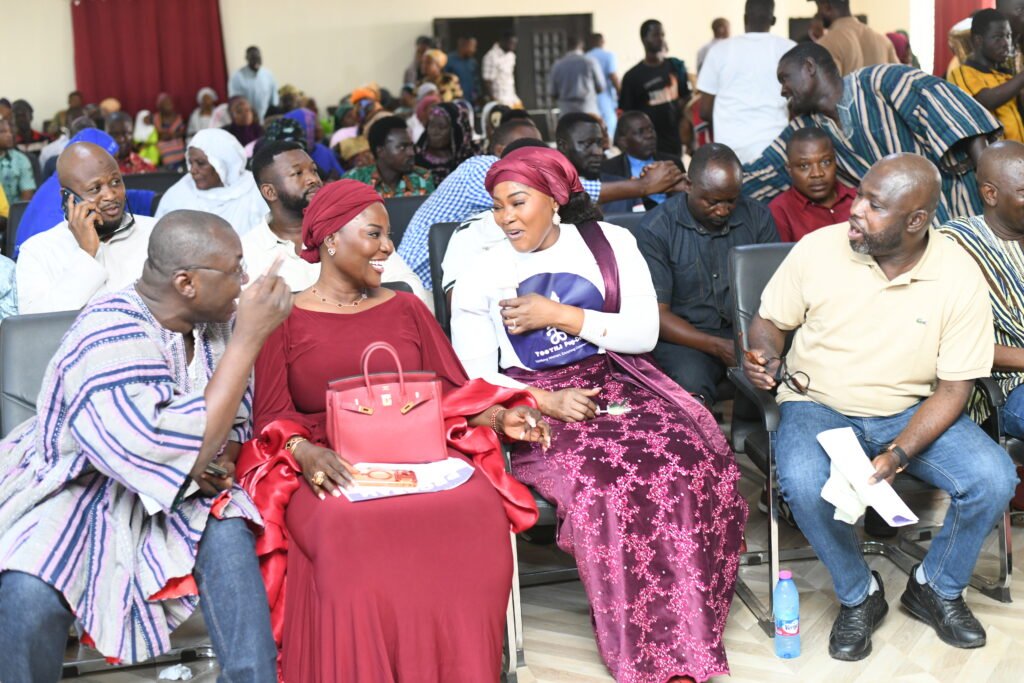
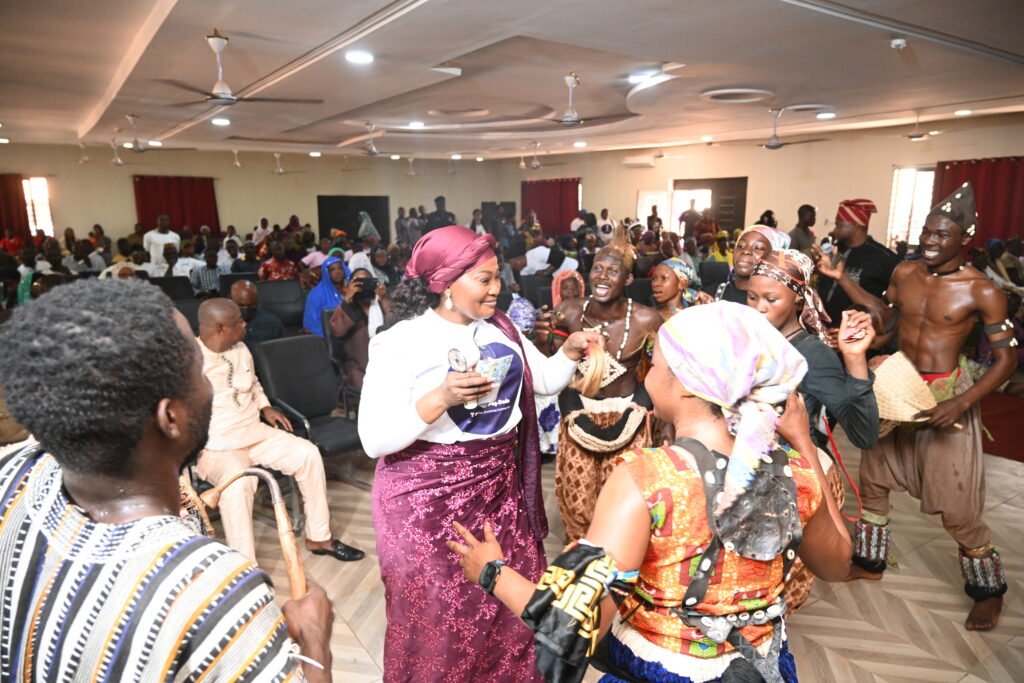
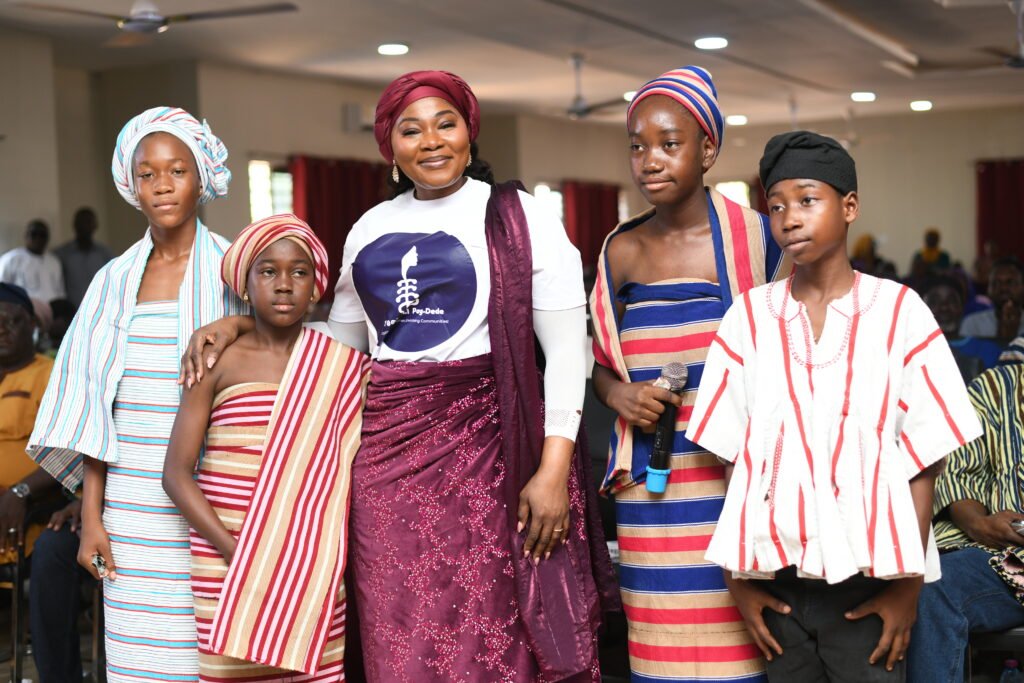
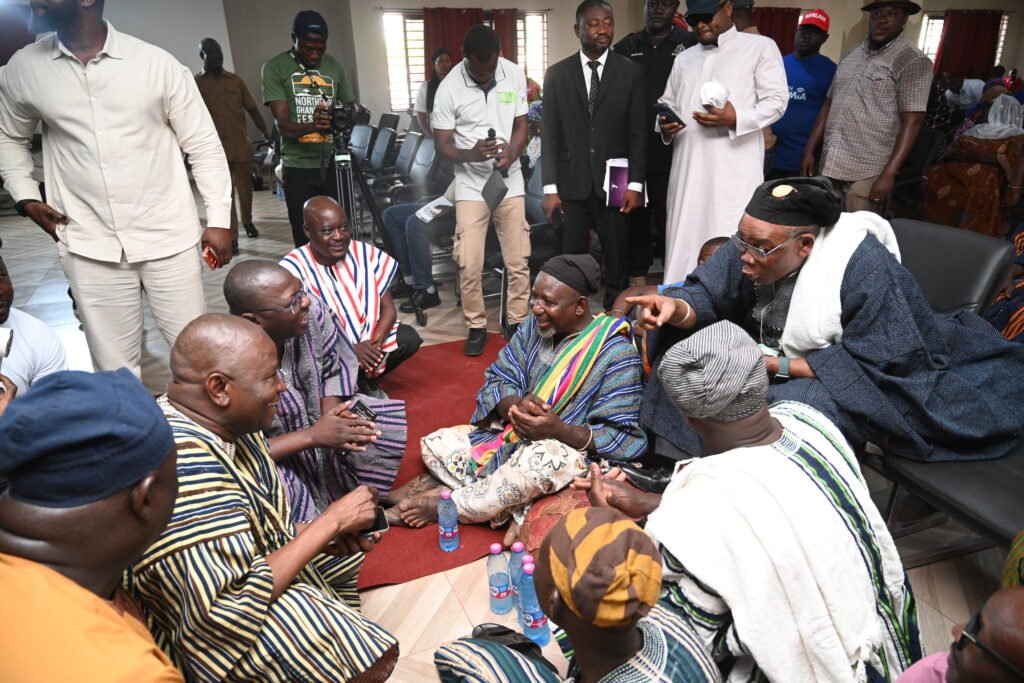
On February 14 (Valentine’s Day), the Savelugu Community Centre hosted the official launch of the Yooyili Pag-Dede Foundation, an initiative designed to expand economic opportunities for women, strengthen early childhood education, nurture youth creativity, and improve access to clean water.
Leading the effort was Abdul Aziz Fatahiya, Member of Parliament for Savelugu (New Patriotic Party), who was joined in solidarity by Dorcas Affo-Toffey, Member of Parliament for Jomoro and Deputy Minister for Transport.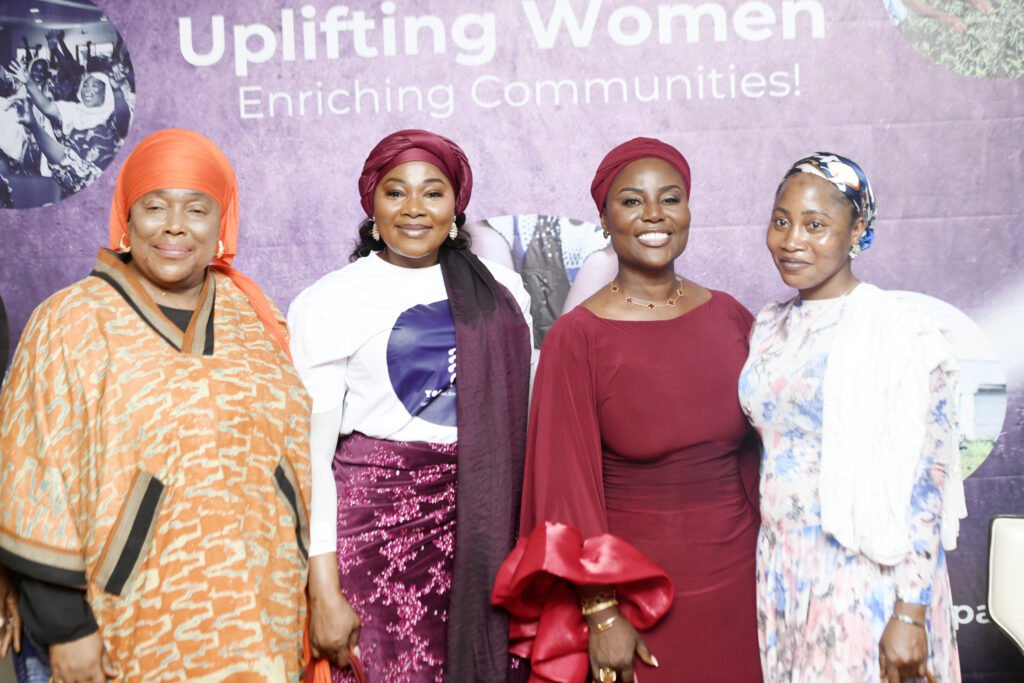
The partnership has drawn attention not only for its development focus but also for its symbolism—a bipartisan alliance centered on people-first leadership.
In her address, Fatahiya emphasised that while the people of Savelugu were hardworking and resilient, many women and young people lack structured opportunities to maximise their potential.
“Our women are determined, but determination alone is not enough. We must build systems that give them access to resources, skills, and markets,” she stated.
She explained that the Yooyili Pag-Dede Foundation will operate through five core programmes, including potable drinking water.
The foundation also seeks to promote financial independence for women and ensure the inclusion of persons with disabilities in community development efforts.
Key initiatives include:
- She Grows: supporting women farmers with training and modern agricultural initiatives.
- Style of Dagbon: a hub for women’s fashion entrepreneurship and creative enterprise.
- Story Weavers of Yooyili: empowering children aged six to 15 as storytellers, artists, and cultural ambassadors.
- Dagbon Karizung: strengthening pre-school education across Dagbon communities.
- Clean Water Project: expanding access to safe and potable water.
Delivering the keynote address, Mohammed Amin Adam, the Member of Parliament for Karaga and former Finance Minister, underscored the central role of education in breaking the cycle of poverty.
He urged parents to prioritise investment in their children’s future and commended Madam Fatahiya for the initiative, supporting it with a donation of GH¢20,000.
Madam Affo-Toffey praised the project, describing it as a commendable initiative worthy of emulation, particularly by female MPs across the country. With an initial GH¢20,000 donation, she noted that the initiative had inspired her to explore similar development models within her own constituency.
Prior to launching the foundation, Madam Fatahiya organised a free breast cancer and chronic disease screening programme that benefited more than 3,000 women across Savelugu.
She described the foundation as an extension of that commitment, aimed at addressing systemic barriers to women’s advancement through practical and sustainable solutions.
In a lighthearted moment that drew laughter and applause, Madam Fatahiya referred to herself and her colleague as “the Gen Z MPs.”
“WE may belong to different political parties, but today we are the Gen Z MPs that collaborate, innovate, and we don’t wait,” she remarked.
She added that a new generation of women political leaders are willing to bridge divides in pursuit of measurable impact.
Also present at the launch was Habib Iddrisu, Member of Parliament for Tolon, who noted that the initiative signals a shift toward issue-based governance to one that prioritises development outcomes.
The event attracted several dignitaries from both political parties, including the Northern Regional Chairman of the NPP, as well as former MCEs and DCEs.
In an era frequently characterised by political polarisation, the bipartisan cooperation witnessed in Savelugu offers a compelling alternative narrative, when leaders unite around shared values and community needs, transformation becomes possible.
From: Geoffrey Buta, Savelugu
Join our WhatsApp Channel now!
https://whatsapp.com/channel/0029VbBElzjInlqHhl1aTU27





Over 20 structures built within the 50-metre buffer zone of the Kpeshie Lagoon at the Laboma Beach Resort in the La Dade-Kotopon Municipality were on Sunday demolished by the Greater Accra Regional Coordinating Council (GARCC).
Buildings such as single-unit semi-detached under construction and completed chalets at the resort were pulled down while portions of a newly constructed perimeter wall were also demolished. Read More
SKIP THE QUEUE, TAP THE NEWS
You can now read the Ghanaian Times and The Spectator newspapers from the comfort of your device via TimesNewsPlus.
Join our WhatsApp Channel: https://whatsapp.com/channel/0029VbBElzjInlqHhl1aTU27
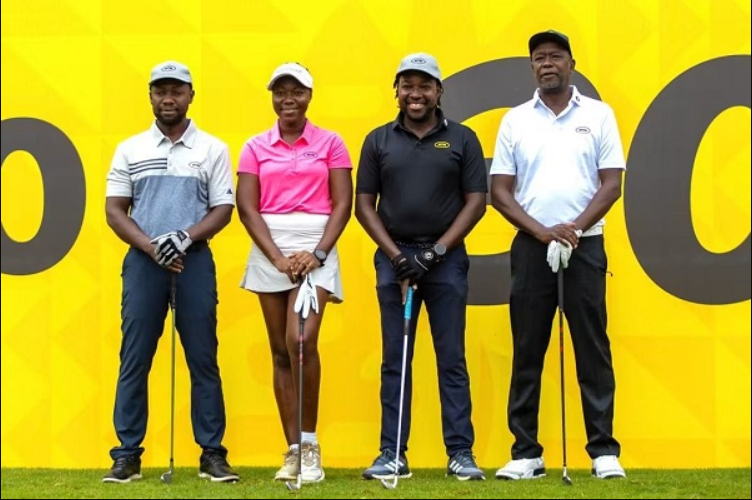
About 120 golfers from clubs across Ghana participated in an 18-hole competition, dubbed ‘MTN 30th Anniversary CEO Invitational Golf Tournament’ held at the Achimota Golf Club on Saturday.
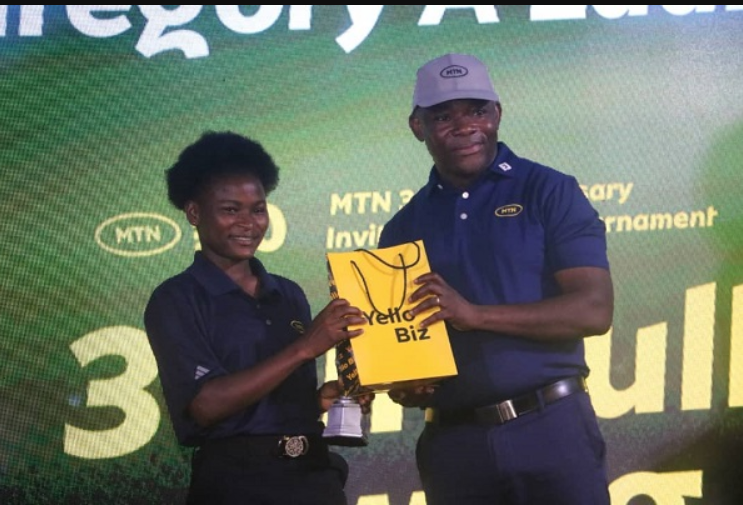
At the end of the hectic day, Frederick Semenu Duvor won the Men’s Group A event with 39 points, while Julienne Afi claimed the Ladies’ Group A title with the same score.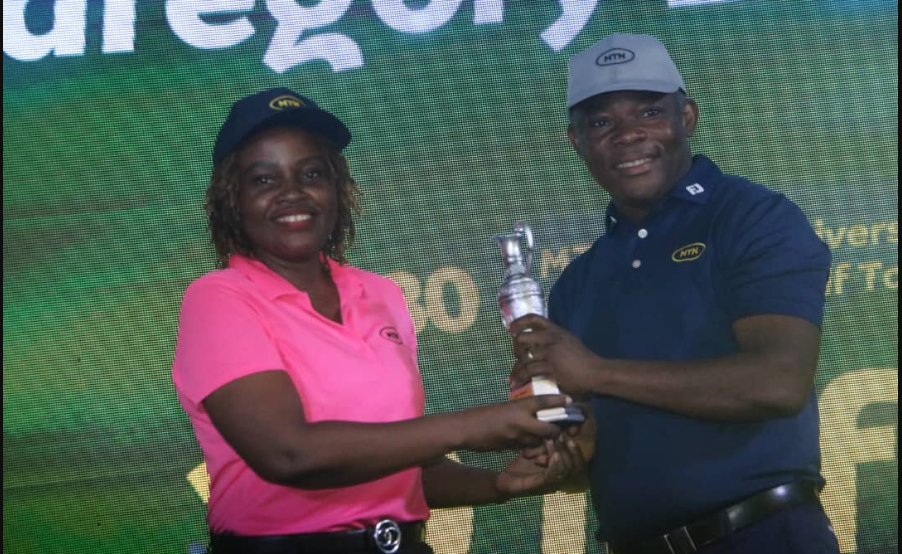
Yaw Mireku Jnr. won the Men’s Group B with an impressive 45 points, while Kous Louanges Mang took the Ladies’ Group B title with 38 points.
Kofi Mangesi won Men’s Group C with 40 points while Elorm R. Akuash Bonney claimed the Ladies’ version with 42 points.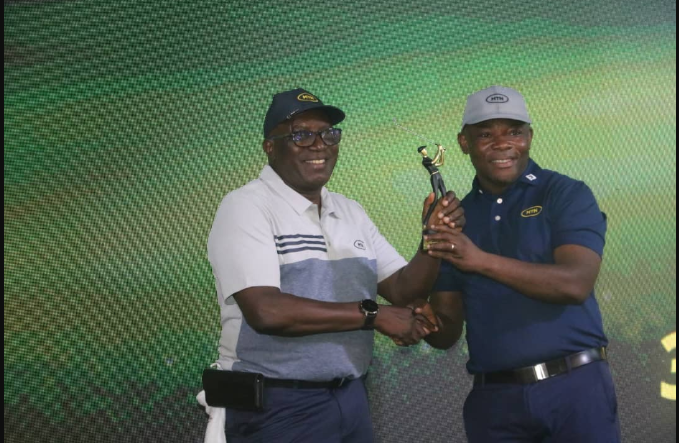
In the Seniors Division, Jan Vogel emerged winner of the men’s category with 39 gross, while Helen Appah topped the ladies’ category with 44 gross.
Addressing participants, the company’s Board Chairman, Mr Ishmael Yamson, urged the company to approach its next phase with the same resilience, discipline and determination that have defined its success over the past three decades.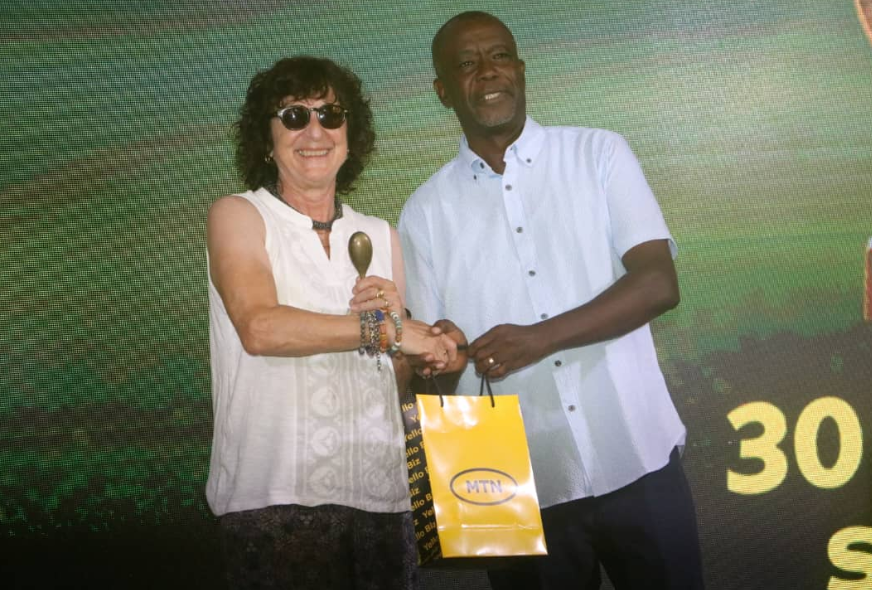
He drew a striking parallel between the game of golf and MTN Ghana’s three-decade journey, describing both as long games in which success depends less on one spectacular moment than on consistency, patience, judgment and the ability to recover from setbacks.
He said, golf had taught him a lesson that extended far beyond the fairways, thus, a round cannot be won on the first hole.
In golfing terms, he said, MTN Ghana had encountered its share of regulatory bunkers, competitive hazards and unexpected storms that had forced the company to pause, reassess and change its approach.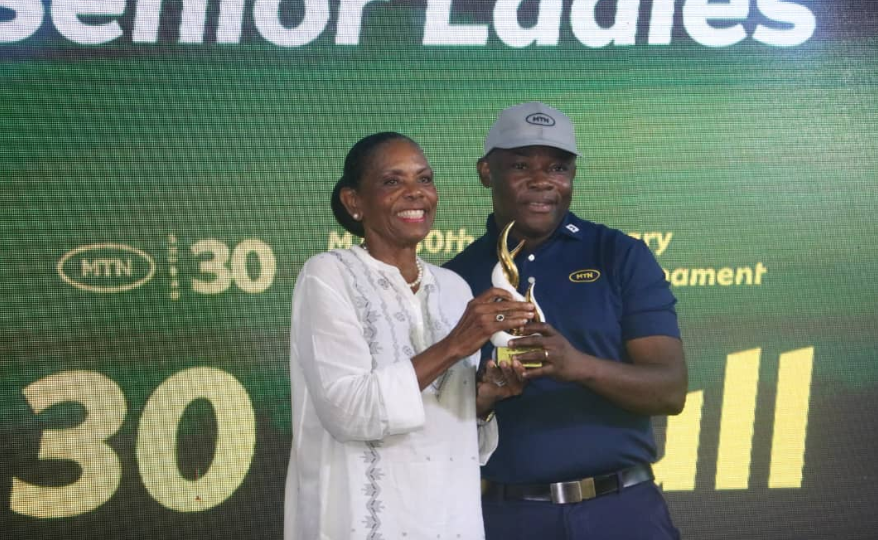
But those challenges, he suggested, were part of the journey rather than reasons to abandon it.
By Andrew Nortey
SKIP THE QUEUE, TAP THE NEWS
You can now read the Ghanaian Times and The Spectator newspapers from the comfort of your device via TimesNewsPlus.
Join our WhatsApp Channel: https://whatsapp.com/channel/0029VbBElzjInlqHhl1aTU27

 Entertainment1 week ago
Rhythms On Da Runway returns November 28 with 16th edition themed ‘Unbound’
- News1 week ago
48 Engineer Regiment to be major sub-contractor on Accra-Kumasi Expressway, $2bn ready- Prez Mahama
- Entertainment1 week ago
Ohemaa Mercy’s Tehillah Experience outfit was priestly regalia, not costume – Management clarifies