News
1986 OAA launches 40th anniversary legacy project

- /home/u249204778/domains/spectator.com.gh/public_html/wp-content/plugins/mvp-social-buttons/mvp-social-buttons.php on line 27
https://spectator.com.gh/wp-content/uploads/2025/10/Some-members-of-OAA-1986-in-a-group-picture-800x600.jpg&description=1986 OAA launches 40th anniversary legacy project', 'pinterestShare', 'width=750,height=350'); return false;" title="Pin This Post">
- Share
- Tweet /home/u249204778/domains/spectator.com.gh/public_html/wp-content/plugins/mvp-social-buttons/mvp-social-buttons.php on line 72
https://spectator.com.gh/wp-content/uploads/2025/10/Some-members-of-OAA-1986-in-a-group-picture-800x600.jpg&description=1986 OAA launches 40th anniversary legacy project', 'pinterestShare', 'width=750,height=350'); return false;" title="Pin This Post">
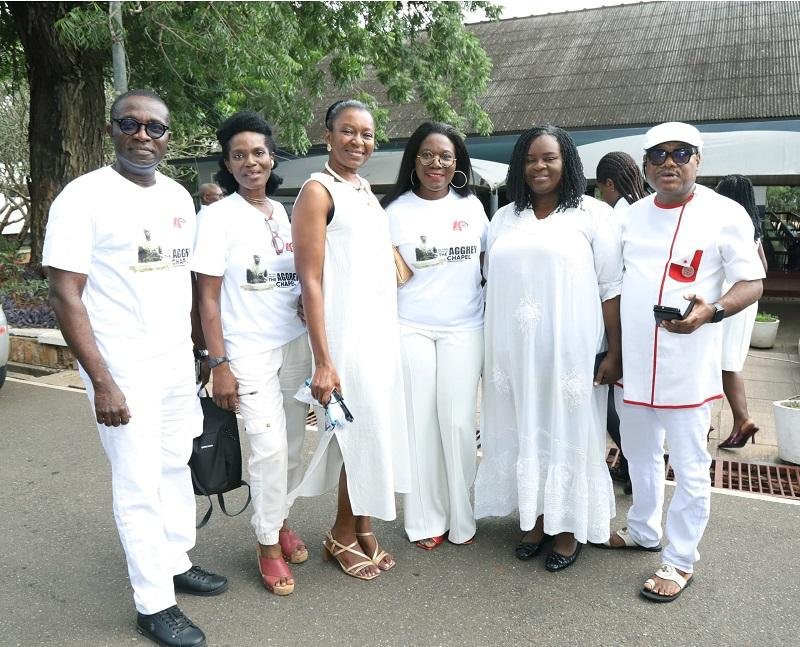
THE 1986 Old Achimotan Association (OAA) has launched its 40th anniversary legacy project with a firm commitment to give back to their alma mater while honouring the clergy who guided their spiritual journey.
The colourful ceremony, held on Sunday, September 28, at the Aggrey Chapel, brought together Old Achimotans across generations, including the 1976 and 2001 year groups, the school’s leadership, clergy, students, and well-wishers.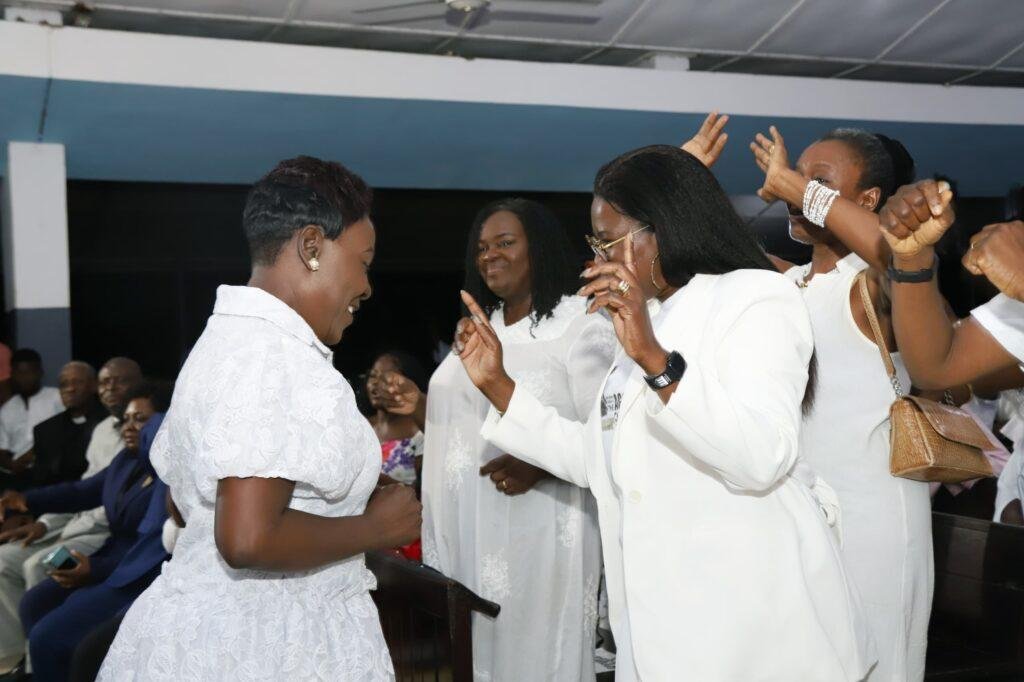
The event dubbed “an evening of hymns, psalms and worship was held under the theme “Honouring our clergy.”
The group would refurbish the Aggrey Chapel, a spiritual landmark at the heart of the school. Other initiatives include a donation to the Achimota School endowment fund, a cadet career training and mentorship programme, and an environmental greening campaign to promote sustainability on campus.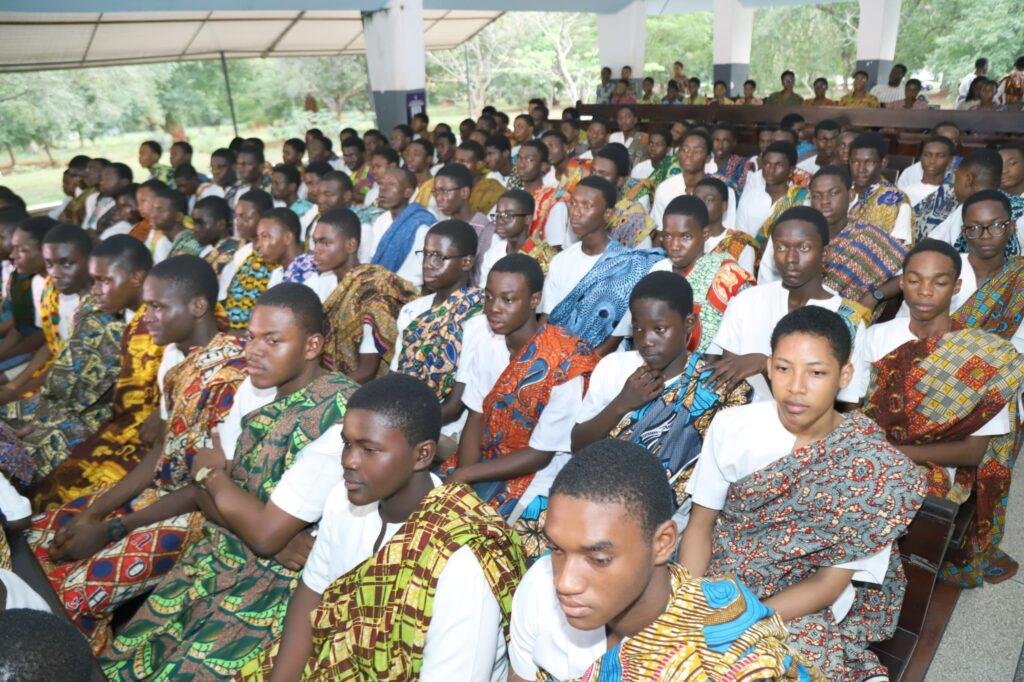
President of the 1986 Year Group, Ms Sena Siaw-Boateng, said the milestone celebration was not only about reconnecting but also about leaving a legacy that reflects the enduring values of Achimota.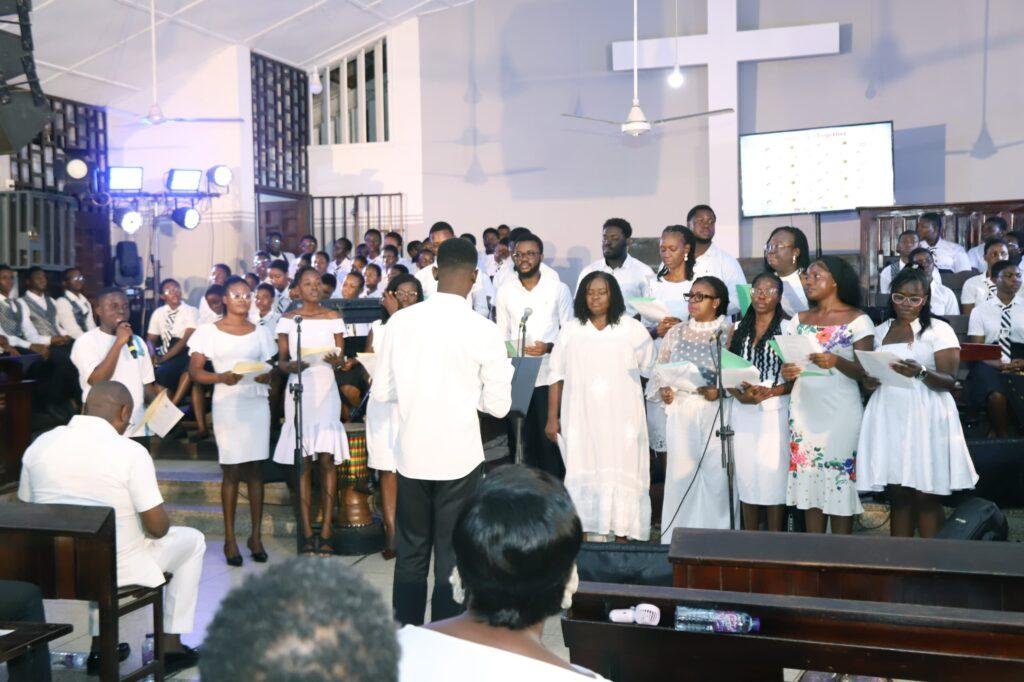
“You were more than priests, pastors, or chaplains to us, you were our shepherds, counsellors, and second parents. Because of your dedication, we learned that true education is not only of the mind, but also of the heart and soul,” she said.
She also expressed gratitude to the school’s leadership, the OAA Projects Committee, co-celebrating year groups, and families of departed colleagues for their unwavering support in bringing the vision to life.
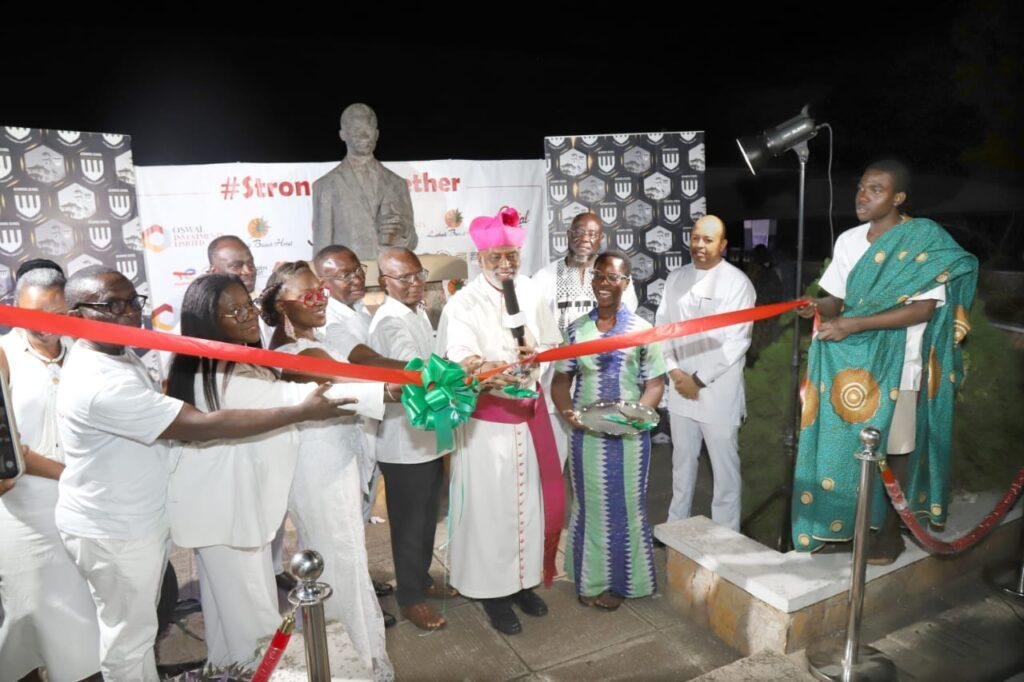
Dr Ernest Ofori Sarpong, hailed the 1986 year group’s commitment to service and called on old students across generations to emulate the gesture.
“The Legacy Project is not merely about brick and mortar, it is a symbol, a bridge between generations,” he said.
He urged current students to take inspiration from the project, noting that Achimota’s enduring mission of unity, discipline, and service requires collective responsibility.
The programme was interspersed with music from the Aggrey Chapel Choir, gospel artist Perez Musik, and the 1986 anniversary choir and friends.
By Esinam Jemima Kuatsinu
Join our WhatsApp Channel now!
https://whatsapp.com/channel/0029VbBElzjInlqHhl1aTU27




Over 20 structures built within the 50-metre buffer zone of the Kpeshie Lagoon at the Laboma Beach Resort in the La Dade-Kotopon Municipality were on Sunday demolished by the Greater Accra Regional Coordinating Council (GARCC).
Buildings such as single-unit semi-detached under construction and completed chalets at the resort were pulled down while portions of a newly constructed perimeter wall were also demolished. Read More
SKIP THE QUEUE, TAP THE NEWS
You can now read the Ghanaian Times and The Spectator newspapers from the comfort of your device via TimesNewsPlus.
Join our WhatsApp Channel: https://whatsapp.com/channel/0029VbBElzjInlqHhl1aTU27

About 120 golfers from clubs across Ghana participated in an 18-hole competition, dubbed ‘MTN 30th Anniversary CEO Invitational Golf Tournament’ held at the Achimota Golf Club on Saturday.
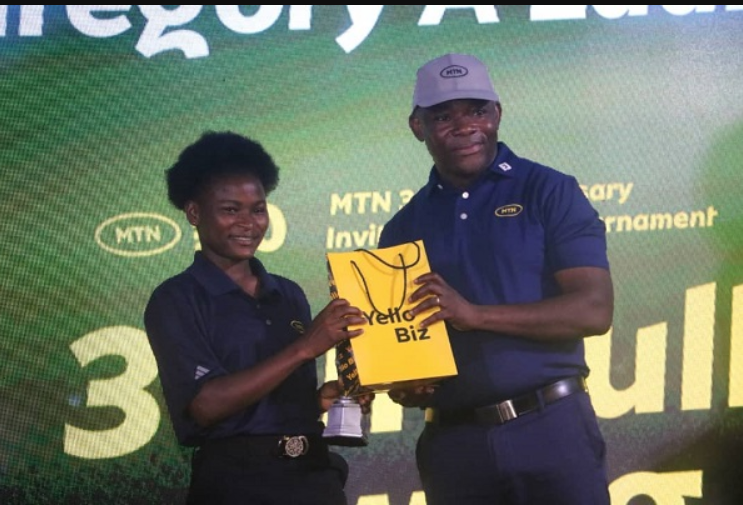
At the end of the hectic day, Frederick Semenu Duvor won the Men’s Group A event with 39 points, while Julienne Afi claimed the Ladies’ Group A title with the same score.
Yaw Mireku Jnr. won the Men’s Group B with an impressive 45 points, while Kous Louanges Mang took the Ladies’ Group B title with 38 points.
Kofi Mangesi won Men’s Group C with 40 points while Elorm R. Akuash Bonney claimed the Ladies’ version with 42 points.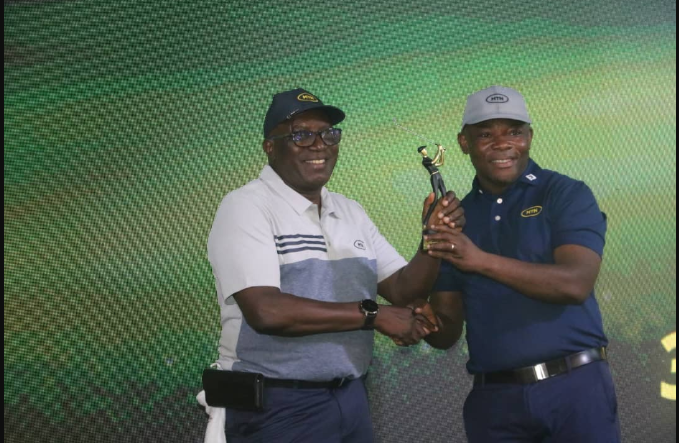
In the Seniors Division, Jan Vogel emerged winner of the men’s category with 39 gross, while Helen Appah topped the ladies’ category with 44 gross.
Addressing participants, the company’s Board Chairman, Mr Ishmael Yamson, urged the company to approach its next phase with the same resilience, discipline and determination that have defined its success over the past three decades.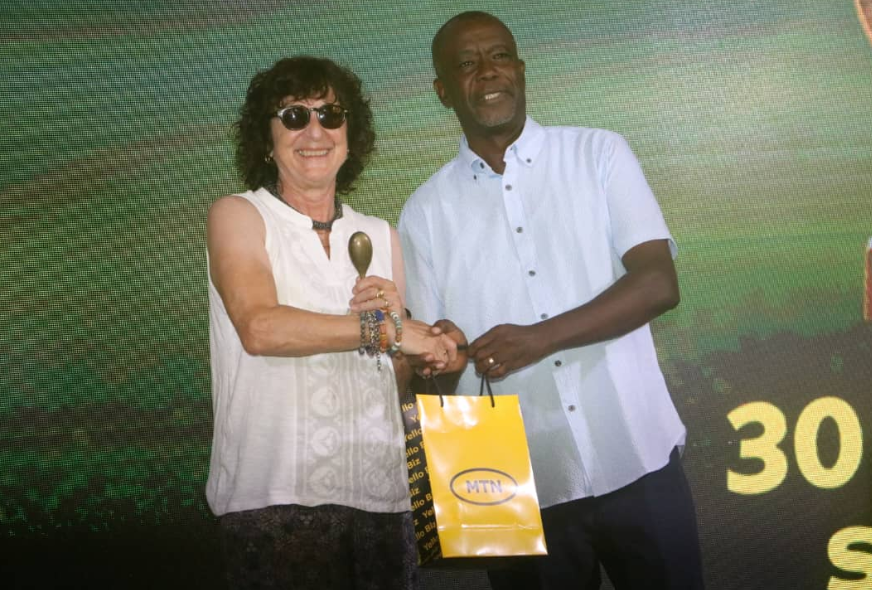
He drew a striking parallel between the game of golf and MTN Ghana’s three-decade journey, describing both as long games in which success depends less on one spectacular moment than on consistency, patience, judgment and the ability to recover from setbacks.
He said, golf had taught him a lesson that extended far beyond the fairways, thus, a round cannot be won on the first hole.
In golfing terms, he said, MTN Ghana had encountered its share of regulatory bunkers, competitive hazards and unexpected storms that had forced the company to pause, reassess and change its approach.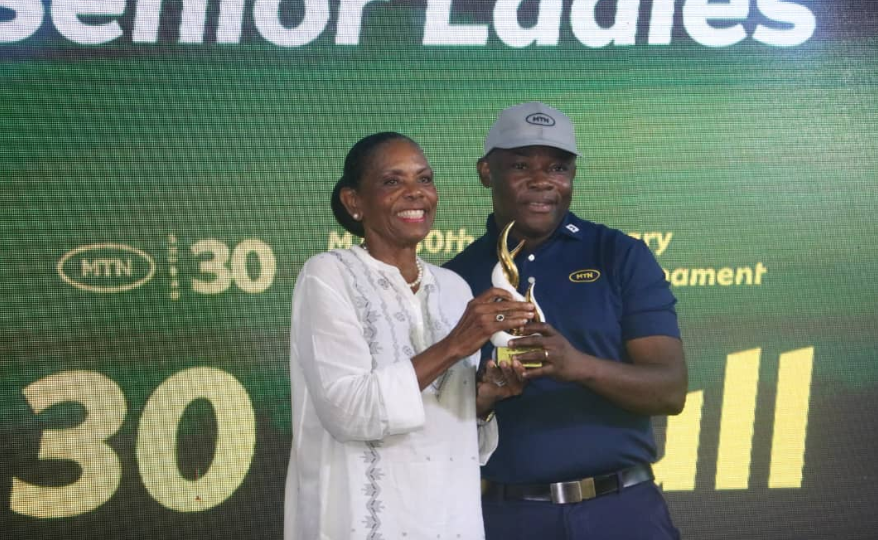
But those challenges, he suggested, were part of the journey rather than reasons to abandon it.
By Andrew Nortey
SKIP THE QUEUE, TAP THE NEWS
You can now read the Ghanaian Times and The Spectator newspapers from the comfort of your device via TimesNewsPlus.
Join our WhatsApp Channel: https://whatsapp.com/channel/0029VbBElzjInlqHhl1aTU27

 Entertainment1 week ago
Fiifi Coleman Productions adapt ‘I Told You So’ stage play into feature film
- News6 days ago
48 Engineer Regiment to be major sub-contractor on Accra-Kumasi Expressway, $2bn ready- Prez Mahama
- Entertainment5 days ago
Rhythms On Da Runway returns November 28 with 16th edition themed ‘Unbound’