News
Psychological distress rises among teenage girls

- /home/u249204778/domains/spectator.com.gh/public_html/wp-content/plugins/mvp-social-buttons/mvp-social-buttons.php on line 27
https://spectator.com.gh/wp-content/uploads/2025/06/Ms-Abdulai-inset.jpg&description=Psychological distress rises among teenage girls', 'pinterestShare', 'width=750,height=350'); return false;" title="Pin This Post">
- Share
- Tweet /home/u249204778/domains/spectator.com.gh/public_html/wp-content/plugins/mvp-social-buttons/mvp-social-buttons.php on line 72
https://spectator.com.gh/wp-content/uploads/2025/06/Ms-Abdulai-inset.jpg&description=Psychological distress rises among teenage girls', 'pinterestShare', 'width=750,height=350'); return false;" title="Pin This Post">
The Mental Health Authority of Ghana has recorded rising psychological distress cases among teenage girls in the country.
The rise, according to the authority, is linked to academic pressure, family issues, gender-based violence, and isolation.
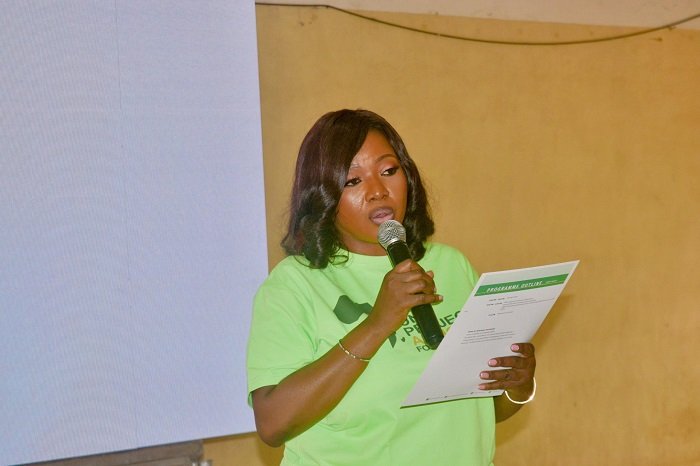
This was disclosed by Victoria Naema Abdulai, the founder of the One Project Africa Foundation (OPAF), a non-profit organisation focused on empowering women and girls.
Ms Abdulai said this at a mental health awareness session organised by the foundation for students of the Accra Girls Senior High School in Accra.
It was held under the theme “Empowering Her Mind, Voice and Power: Fostering a Resilient Tomorrow for the Girl Child through Mental Wellness,” which was aimed at building self-awareness, promote emotional healing, and encourage resilience among young girls.
She stated that mental health was not a luxury but the foundation on which every girl’s future should be built
Ms Abdulai said despite the rising need, mental health remains one of the most misunderstood and neglected issues in our society.
She said without mental wellness, young girls will continue to struggle silently with learning, dreaming, and relating to others, warning that the lack of attention to girls’ mental health is costing society their potential.
She urged students to embrace their emotions and seek help when struggling. “You are not weak for having emotions. You are human. Seeking help does not make you a failure, it makes you courageous.”
Touching on what the foundation does, Ms Abdulai said the foundation teaches girls how to pass exams but not how to process pain, obey instructions but not how to handle rejection. We are obsessed with excellence but ignore the exhaustion.”
A Mental health practitioner and addiction specialist, Esther Kyewaah Opoku, on her part stated that mental health was not separate from general well-being but central to it. “Without your mental health, you are not healthy,” she said.
She mentioned that adolescence is a fragile period, with the brain still developing until age 25.
She disclosed that one in seven adolescent girls in Ghana has a mental disorder, with 26 per cent experiencing depression, 29.8 per cent emotional distress, and 14.8 per cent suffer trauma or behavioural issues.
She also blamed these conditions on peer pressure, bullying, sexual abuse, and toxic comparisons driven by social media. “We are sitting on a time bomb,” she said, urging early intervention and compassion.
According to her, adolescence is a critical stage of mental and emotional development, during which the executive brain, or forebrain, continues to form until age 25.
“This period is filled with vulnerabilities that, if unmanaged, can lead to lifelong challenges,” she said.
Ms Opoku therefore called for compassion, peer support, and continuous education on mental health to break the cycle of silence and stigma, particularly among young girls, saying “nobody should feel alone or hopeless.”
By Stephanie Birikorang









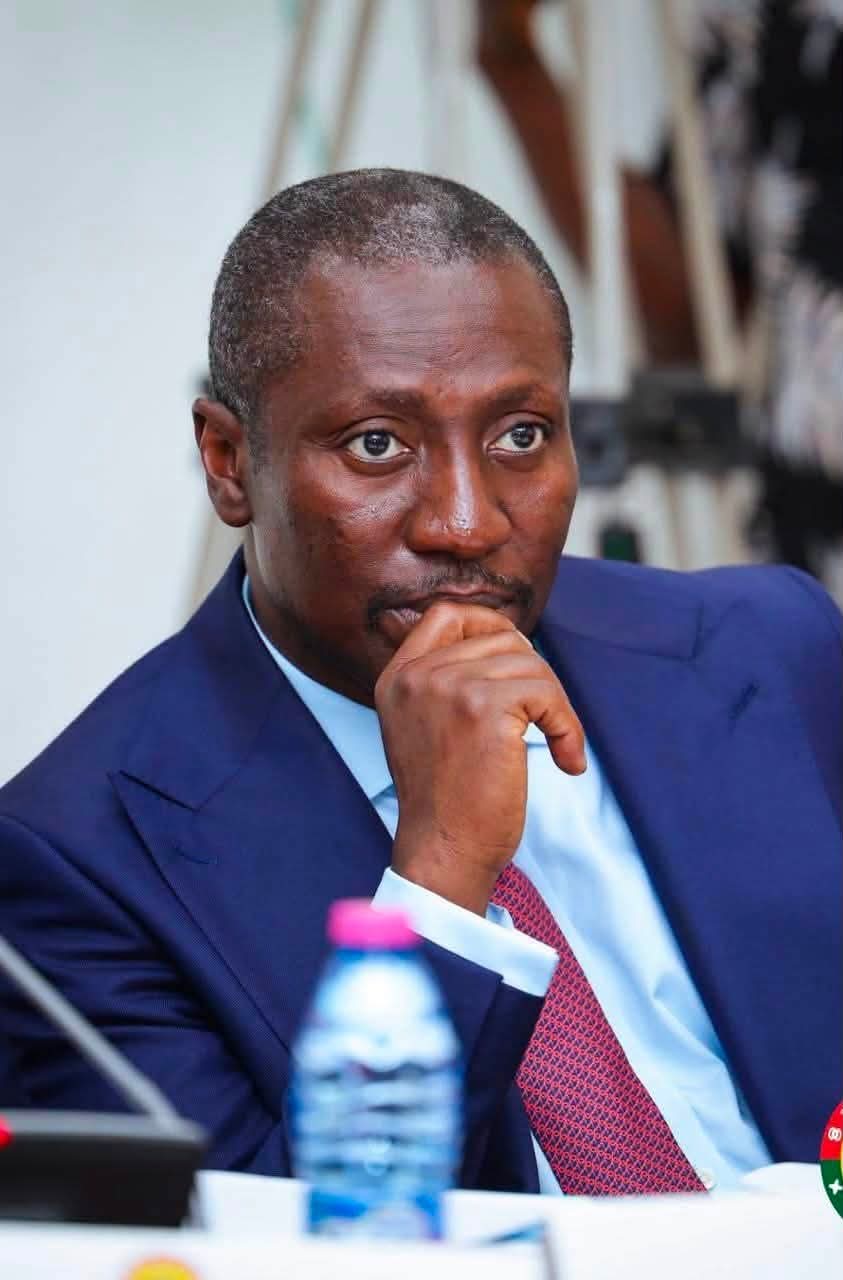
Minority Leader in Parliament, Alexander Afenyo Markin, says he has discharged his duties with the dignity and responsibility demanded by the office, stressing that he does not take the New Patriotic Party (NPP) for granted.
He made the remarks during a media briefing, where he also dismissed claims that there are compromising videos or audio recordings of him that could embarrass him, his family or the party.
Mr Afenyo Markin acknowledged that he is not perfect but insisted that he would not act recklessly, particularly given the responsibility attached to his position as Minority Leader.
“I have discharged my duty as a Minority Leader with all the dignity that must go with the office. I’m not a perfect guy, but I won’t be reckless,” he stated.
He said he was conscious of the history of the position he occupies, noting that it had previously been held by senior members of the NPP, including J.B. Danquah, J.H. Mensah and Busia, Dumbo.
According to him, the party’s elders did not entrust him with the leadership of the parliamentary caucus without considering the responsibility involved.
“I don’t take NPP for granted. It’s a tradition I respect. The elders of this party, they don’t just get up to say, ‘Our son, lead the caucus.’ From day one, they entrusted me with this position,” he stated.
Mr Afenyo Markin said he has always recognised the weight of the party’s history and the need to conduct himself in a manner that protects the image of the NPP.
He rejected claims that individuals have videos or audio recordings of him engaging in activities that could be used to embarrass him.
“Nobody has any video of me doing anything. Nobody has any audio of me doing anything to embarrass myself, my family and the party,” he insisted.
He described the claims as part of the challenges politicians face in the era of social media, where allegations and rumours can spread quickly.
Mr Afenyo Markin maintained that despite such claims, he would continue to carry out his responsibilities with caution and respect for the office he occupies.
By: Jacob Aggrey
Minority Leader in Parliament, Alexander Afenyo Markin, has denied that his concerns over the GoldBod and the Domestic Gold Purchase Programme are aimed at any particular individual.
He explained that his criticism has always been directed at the institution and the way the programme is being implemented, rather than at any person.
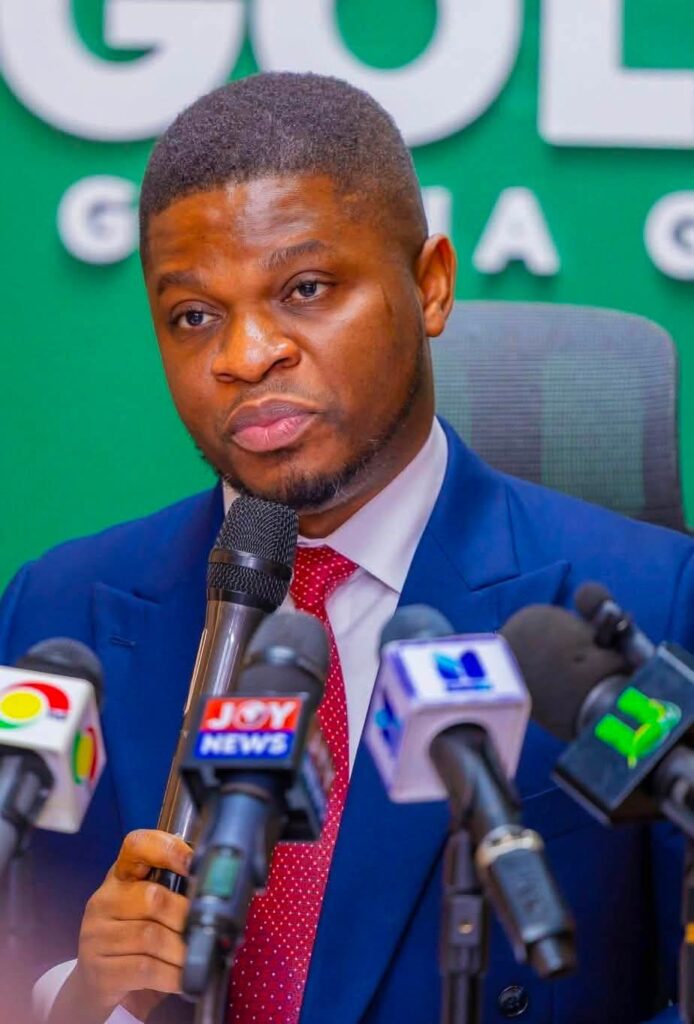
“I have never, on any occasion, mentioned anyone’s name. I have always been talking about the GoldBod institution,” Mr Afenyo Markin stated.
He made these remarks today during a press briefing August 31, 2026,Speaking to when cultural troupes from Winneba visited his residence in Accra
the Minority’s position is that although the Domestic Gold Purchase Programme is a good initiative, its implementation has created challenges that need to be examined.
He described the programme as an initiative introduced under former Vice President Dr Mahamudu Bawumia to use Ghana’s gold resources to help stabilise the economy.
Mr Afenyo Markin maintained that the Minority supports the idea but is concerned about what he described as losses arising from its implementation.
He referenced concerns raised by the International Monetary Fund (IMF) regarding losses associated with the programme, arguing that such issues should be properly investigated.
He therefore rejected suggestions that the matter had become a personal attack.
“We need to elevate the conversation so that it doesn’t become a personality contest,” he added.
Responding to arguments that the reported losses could instead be exchange rate losses on the Bank of Ghana’s own accounts and that the central bank was following international best practices, Mr Afenyo Markin called for patience.
He indicated that the planned parliamentary probe would provide an opportunity for all sides to present their positions and establish the facts.
“When October comes and we start the discussion, wherever the truth is, we will all get to know,” he stated.
By: Jacob Aggrey