News
Pieli: Into the Wild, Why Traditional Hunting Still Thrives in Northern Ghana

- /home/u249204778/domains/spectator.com.gh/public_html/wp-content/plugins/mvp-social-buttons/mvp-social-buttons.php on line 27
https://spectator.com.gh/wp-content/uploads/2025/05/Screenshot_2-5-2025_125954_-1000x600.jpeg&description= Pieli: Into the Wild, Why Traditional Hunting Still Thrives in Northern Ghana', 'pinterestShare', 'width=750,height=350'); return false;" title="Pin This Post">
- Share
- Tweet /home/u249204778/domains/spectator.com.gh/public_html/wp-content/plugins/mvp-social-buttons/mvp-social-buttons.php on line 72
https://spectator.com.gh/wp-content/uploads/2025/05/Screenshot_2-5-2025_125954_-1000x600.jpeg&description= Pieli: Into the Wild, Why Traditional Hunting Still Thrives in Northern Ghana', 'pinterestShare', 'width=750,height=350'); return false;" title="Pin This Post">
At the break of dawn in the bushes of Tibornayiri a remote village just outside Tamale, a group of men, dressed in patched smocks with their trained dogs and armed with handmade guns and machetes, slip quietly into the savanna. Charms tied around their waists sway as they move. This is not a scene from a bygone era, it happens every dry season. The men are on pieli, a centuries old communal hunt deeply rooted in the culture of Northern Ghana.
For generations, pieli is seen beyond a quest for bushmeat, but rather a rite of passage, a survival strategy, and a spiritual exercise rolled into one. Elders speak of it as a dance between man and nature, a tradition carried out with reverence for the spirits of the land and the animals pursued.
Issifu Alhassan, a 58-year-old hunter from Savelugu, said “Pieli” is a Dagbani word from the Dagomba people in Northern Ghana that refers to a traditional communal hunting expedition. It is typically organised during the dry season and involves groups of men from a village or community coming together to hunt wild animals, not just for food, but also for spiritual, medicinal, and cultural purposes.
The practice often follows specific rituals and taboos, such as avoiding certain sacred areas or abstaining from hunting on specific days. Pieli is seen as both a practical means of survival and a symbolic act of unity, bravery, and ancestral connection.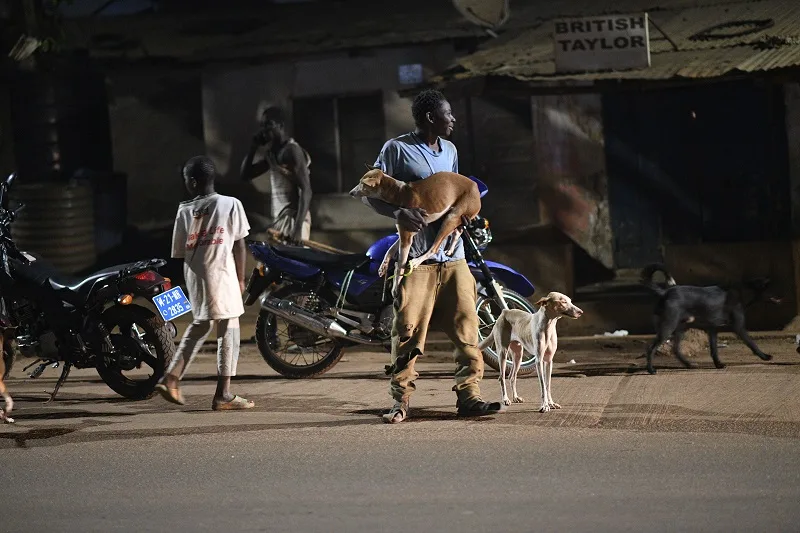
He said, they don’t hunt just to fill their pots, but rather for rituals, to heal the sick, and to honour the ancestors.
According to him, the hunt, which peaks between November and March, is carefully timed, the dry season strips the bush bare, making tracking easier.
“Hunters often consult lunar calendars and village elders before setting out, where in many communities, certain days are off-limits, and some groves remain sacred no hunting allowed,” he added.
Mohammed Zakaria, another seasoned hunter in an interview said, not all animals are meant to be killed, explaining that pregnant ones, are left unhunt and as well they don’t hunt near shrines, which is our way of keeping balance.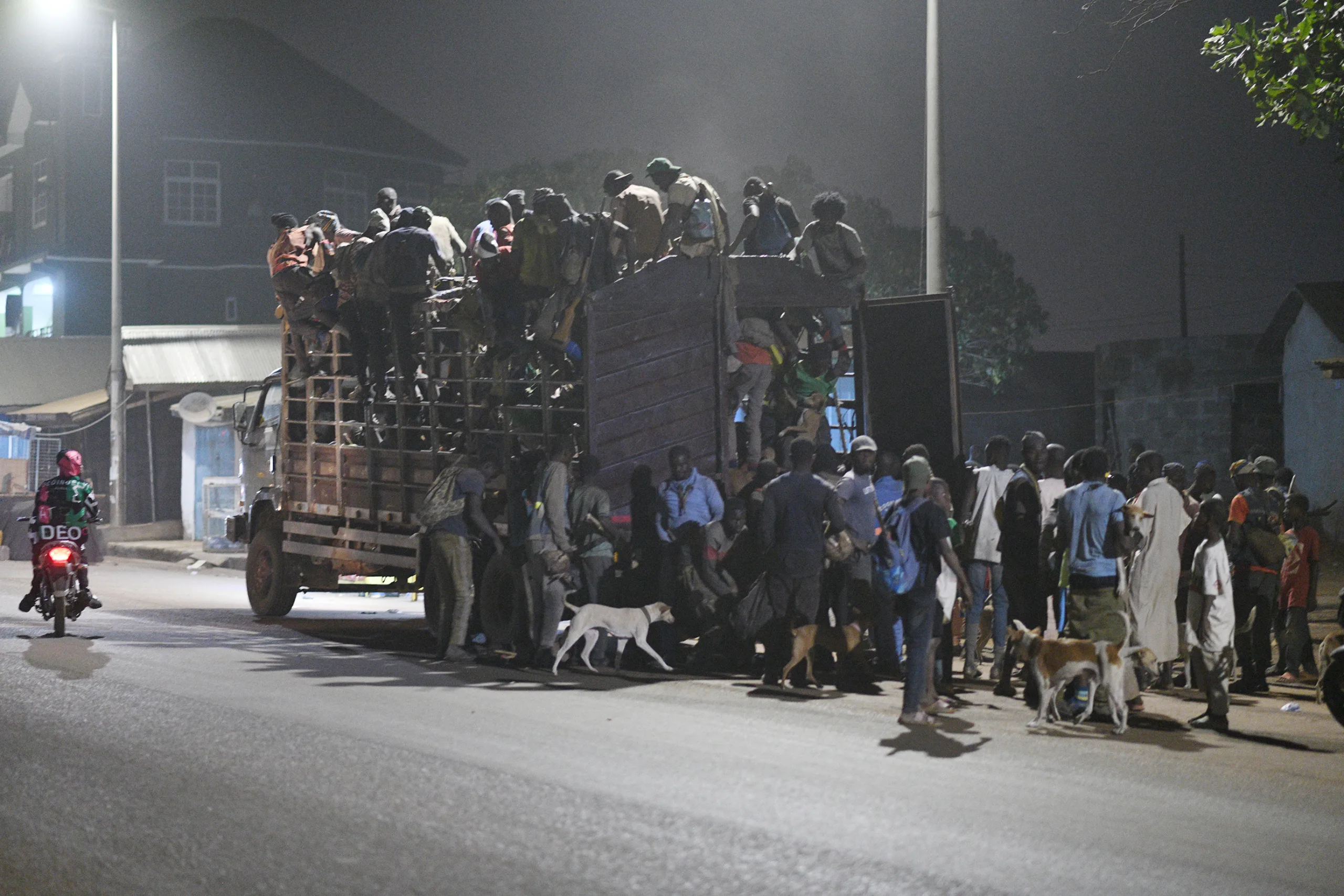
He revealed that, in the Tamale markets, bush meat once shared within families has become a commodity, which has led to rise in demand, especially during festivals, wild rabbit, bush rat, and antelope fetch high prices.
Alhassan revealed an interesting happening saying, they don’t see animals like how they used to due to degradation.
We now travel farther, using more aggressive methods, which have left us to break old rules of hunting, he said.
To curb overhunting, Ghana’s Wildlife Division enforces a “Closed Season” from August to December, banning hunting nationwide, but in the rural north, enforcement is a challenge.
Many hunters feel misunderstood. “They ban us without offering alternatives,” Zakaria says. “This is our way of life. How do we stop?”
Some communities are taking matters into their own hands, mixing modern conservation with traditional wisdom. Others call for education instead of punishment.
Mr Abdul Rahman, a conservationist working with a local NGO said, hunters should be seen as partners, in order to achieve the goal of the wildlife authorities, saying the hunters know the bush better than anyone.
With the right support, they can help protect it, he added.
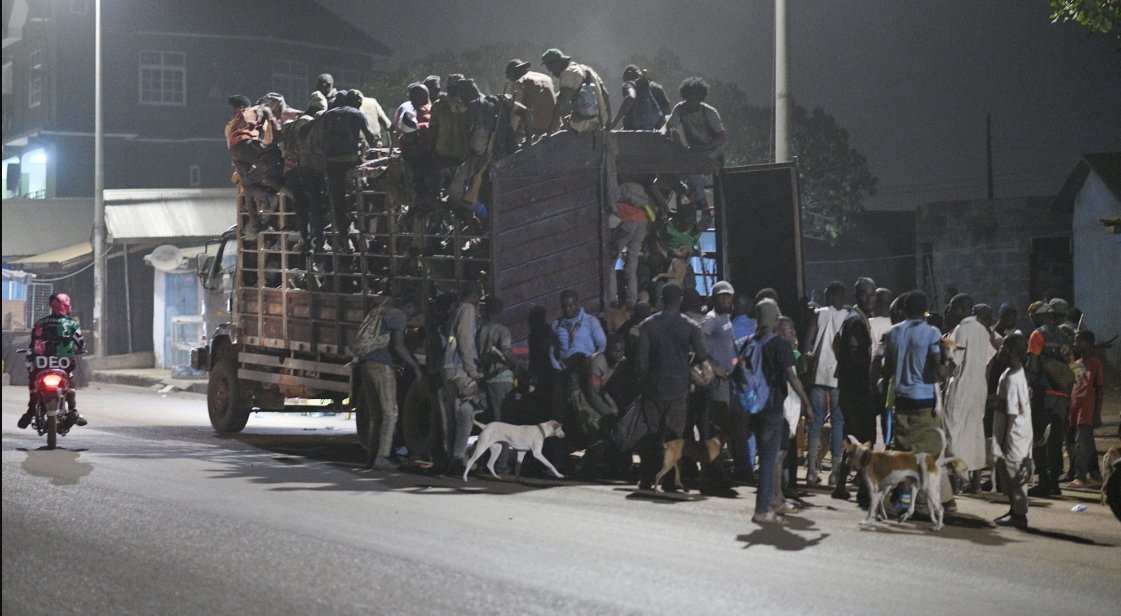
As the sun start settling lower revealing it beautiful silhouette, the hunters return from the bush in trucks full of hunters with their dogs, tired, quiet, and reverent.
Their catch is modest, a grasscutter, a hare, and a few guinea fowl. Not a bounty, but enough for supper.
For now, pieli endures, not just as a hunt, but as a bond between generations
By Geoffrey Buta









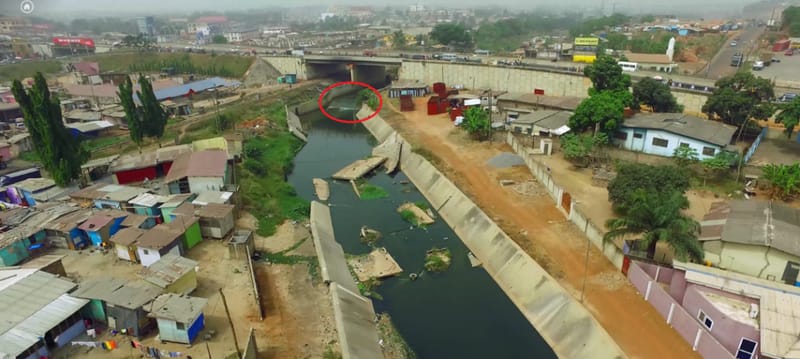
Construction of a major underground stormwater drain along the Dr. Busia Highway within the Kaneshie enclave will commence on September 7, 2026.
The Project Coordinator for the Greater Accra Resilient and Integrated Development (GARID) Project, Dr. Kwadwo Ohene Sarfo, announced this at a special media briefing on Wednesday.
According to him, the works will involve the construction of a double-cell underground rectangular drain measuring approximately 10 metres wide and 1.95 kilometres long, stretching from Pamprom Junction to First Light Junction.
The new drain will replace the existing two 1.2-metre diameter pipes, which are inadequate to carry the volume of stormwater in the area.
Dr. Sarfo said the drain will connect at one end to the recently completed section within the Accra Academy campus and at the other end to the existing drain at Pamprom Junction.
He said the construction is expected to run from September 2026 to October 2027.
The project forms part of government’s broader flood prevention and mitigation programme aimed at addressing perennial flooding in Accra.
By Edem Mensah-Tsotorme
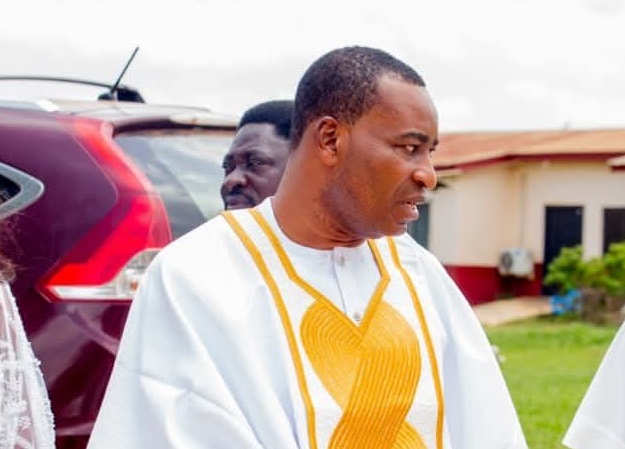
The former Ashanti Regional Chairman of the New Patriotic Party (NPP), Bernard Antwi Boasiako, popularly known as Chairman Wontumi, has withdrawn from the party’s National Chairmanship race.
In a statement issued yesterday, Chairman Wontumi who is currently serving a 20-year jail term said his decision was driven by his love for the party and his unwillingness to let his personal circumstances distract the NPP from its rebuilding efforts.
“There are moments in the life of a man when the heart wants to continue, but duty demands sacrifice. Moments when one must quietly set aside personal ambition, not because the dream has died, but because the family he loves must not be made to carry his burden. Today, I find myself at such a painful moment,” he wrote.
He disclosed that after many nights of prayer, sober reflection and consultations with his family, legal team, party elders, campaign team and trusted supporters, he concluded that his present situation must not become an additional burden on the NPP.
“This is not the decision my heart desired, but sometimes, true love requires us to release what we deeply want in order to protect what we love even more,” he added.
Recounting his years of service, Chairman Wontumi said he had served the party with everything within him, walking through heat and rain, travelling to remote communities and standing with the grassroots in both victory and defeat.
“For many years, I have served the NPP with everything within me… The NPP is not merely a political party to me. It is my family. It is my home. It is a cause to which I have dedicated a significant part of my life,” he stated.
He explained that the party, already carrying the pain of electoral defeat and the huge responsibility of preparing for the future, should not be made to carry his personal weight.
“That is why I cannot allow my present situation or personal ambition to distract the party from the difficult work of rebuilding. I cannot ask the party to carry my weight when it is already carrying the pain of defeat and the enormous responsibility of preparing for the battle ahead. I would rather carry this pain quietly than allow the party I love to suffer because of me,” he said.
He further sympathized with his supporters across the 16 regions, acknowledging that the decision would be painful for many who had sacrificed for his campaign.
“To my teeming supporters across all sixteen regions, I know this message will hurt. I know many of you will read it with tears in your eyes because I understand the sacrifices you have made for this journey,” he said.
By Edem Mensah-Tsotorme